Find the Best Grease Trap Cleaning Companies for Your Business
No obligation • Fast responses • Nationwide coverage

Why you can trust Restaurant Waste Disposal
Restaurant Waste Disposal is a leading U.S. resource for comparing restaurant composting, food-waste recycling, grease trap cleaning, and used cooking oil collection services. Our editorial team researches providers, checks credentials, and organizes unbiased information so operators can make informed decisions. Companies cannot pay to change ratings or placement.
Search providers near you
Top Grease Trap Cleaning Companies in Santa Rosa, California Ranked
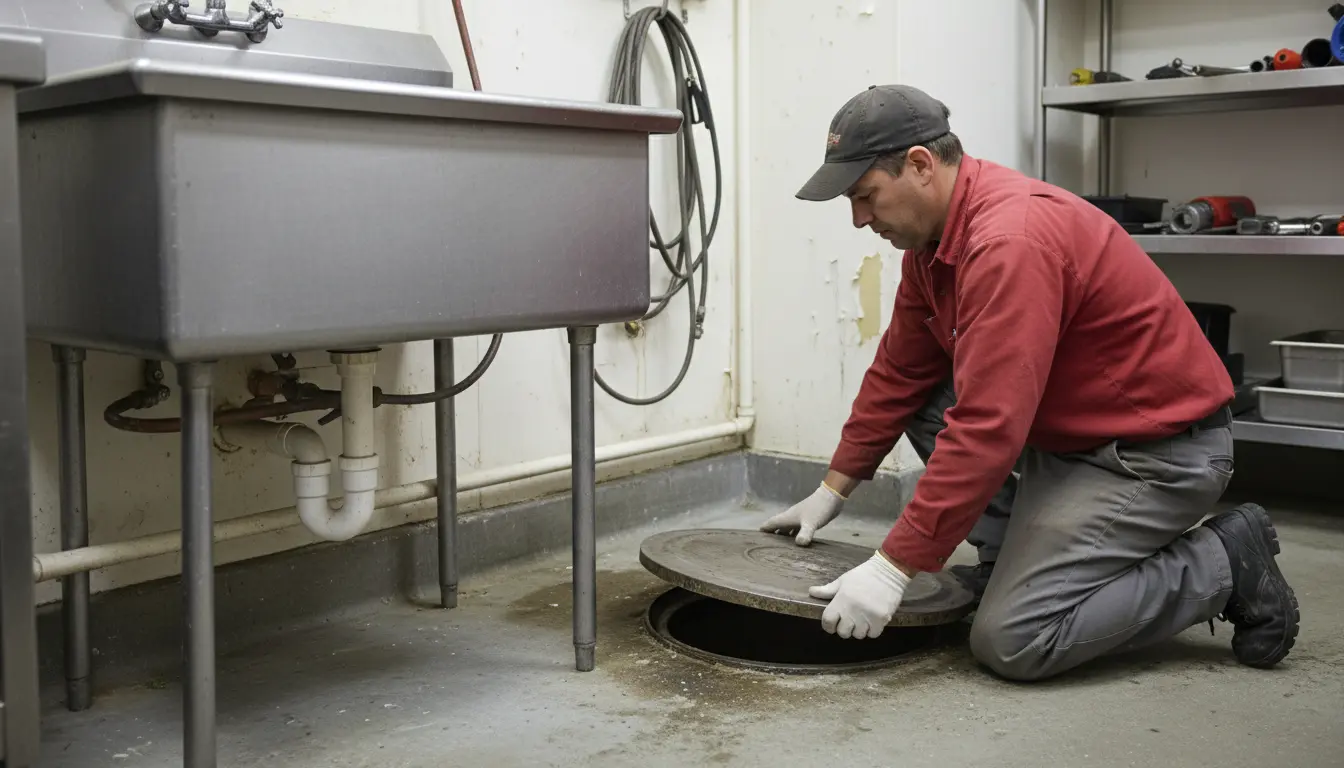
For restaurant owners and food service operators in Santa Rosa, managing fats, oils, and grease (FOG) is a critical operational and legal responsibility. Proper grease interceptor maintenance is not just about avoiding unpleasant odors or clogs; it's a mandated practice to protect the city's sewer infrastructure and the broader environment of Sonoma County. Local regulations, enforced by the City of Santa Rosa and the Sonoma County Sanitation District (SCSD), require strict adherence to cleaning schedules, record-keeping, and proper equipment installation. Failure to comply can result in significant fines, increased inspection frequency, and even sewer service bans. This guide outlines the essential rules, best practices, and local considerations for effective grease trap and interceptor management in Santa Rosa.
North Bay Restaurant Services
437 W 9th St, Santa Rosa, CA 95401
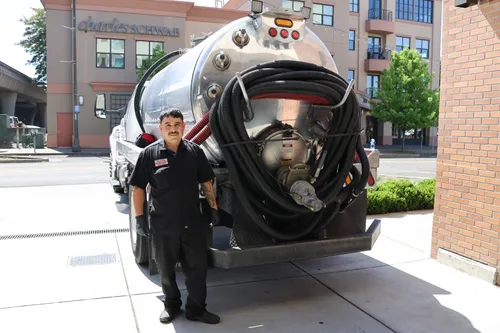
North Bay Restaurant Services in Santa Rosa, CA, has provided kitchen maintenance solutions for nearly 30 years. They serve Bay Area restaurants with services including NFPA-96 hood cleaning, grease trap pumping, interceptor maintenance, hydrojetting, and used cooking oil recycling. Their custom equipment and trained technicians help keep kitchens clean, compliant, and inspection-ready. The company supports a range of clients from neighborhood cafés to Michelin-starred restaurants, ensuring grease traps meet local FOG compliance standards.
AllStarz Pumping & Engineering
437 W 9th St #C, Santa Rosa, CA 95401
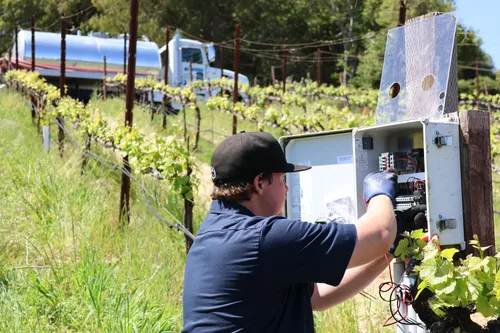
AllStarz Pumping & Engineering is a family-owned business based in Santa Rosa, CA, serving Sonoma County with septic and wastewater solutions since 1996. They provide a range of services including grease trap cleaning, septic pumping, installations, repairs, inspections, and hydrojetting leach fields. Known for offering same-day and emergency septic services, AllStarz supports homeowners, wineries, and businesses with expert care and transparent communication. Their team is fully licensed, bonded, insured, and background-checked, ensuring professional and safe service.
Environmental Pump Services
Petaluma, CA 94952
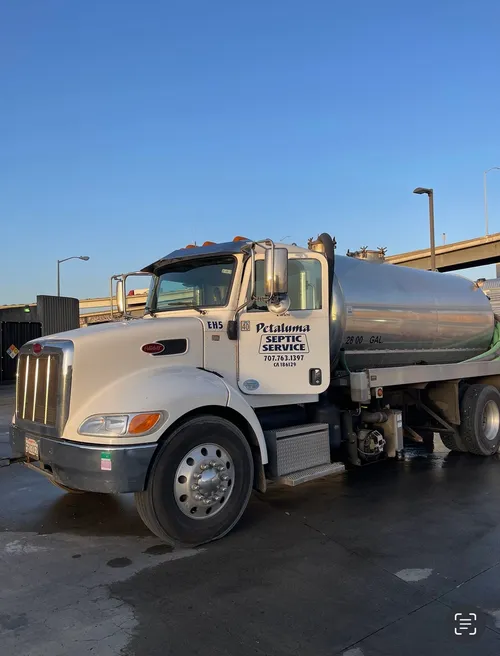
Environmental Pump Services is a family-owned company based in Petaluma, CA, specializing in grease trap cleaning, used cooking oil collection, septic tank pumping, and winery waste removal. Serving Sonoma, Marin, and Napa Counties, they focus on environmentally responsible disposal by recycling waste into alternative energy sources such as biodiesel and methane gas. Established in 2007, the company brings over 30 years of combined industry experience to its services.
Understanding Local FOG Regulations and Governing Bodies
In Santa Rosa, grease trap compliance is governed by a combination of city and county agencies. The City of Santa Rosa, often through its Public Works or Water Department, sets local ordinances, while the Sonoma County Sanitation District (SCSD) provides regional standards and often administers the Fats, Oils & Grease (FOG) Program for the area. The core principle of all local codes is to prevent FOG from entering the public sewer system, where it can cool, solidify, and cause major blockages leading to sanitary sewer overflows (SSOs).
Key rules derived from California health codes and local amendments typically require food service establishments to:
- Install an appropriately sized and type-approved grease interceptor or trap.
- Ensure the interceptor is easily accessible for service and inspection.
- Prohibit the use of garbage disposals that feed waste into grease interceptors.
- Perform regular maintenance and cleaning before the unit reaches capacity 1 2 3.
Navigating these rules starts with contacting the SCSD or the City of Santa Rosa directly to obtain the specific FOG Program Manual or Ordinance applicable to your business location.
Maintenance Schedules: When to Pump Your Grease Trap
One of the most common compliance questions revolves around frequency. Local rules generally mandate that grease interceptors be cleaned and pumped out when the combined FOG and solids accumulate to one-quarter of the unit's liquid depth, or every 30 days, whichever comes first 4. This is a performance-based standard, meaning a high-volume kitchen may need service more often than the 30-day mark.
Relying on a calendar schedule alone is risky. Regular visual inspection of your interceptor is crucial. Service providers recommend checking the floating grease and settled solids layers during slow business periods. Establishing a consistent, documented pumping schedule with a licensed local hauler is the best way to stay ahead of this requirement and avoid the "whichever comes first" trigger catching you off guard.
Inspection Triggers and Enforcement Actions
Understanding what prompts an inspection can help you maintain constant readiness. In Santa Rosa, inspections can occur through several channels:
- Routine Health Inspections: County health inspectors will often check grease trap maintenance logs during their regular visits.
- SCSD FOG Program Inspections: The sanitation district conducts proactive and complaint-driven inspections specifically targeting FOG compliance.
- Post-Incident Investigations: Sewer backups or blockages in your vicinity can trigger targeted inspections of nearby food service establishments.
Enforcement for non-compliance escalates. Initial violations typically result in a warning and a mandate to clean the interceptor immediately. Repeated or severe violations can lead to substantial fines, a mandatory increase in pumping frequency at the owner's expense, and in extreme cases, a ban on sewer discharge until the issue is resolved 5 6. Proactive maintenance is far less costly than reactive compliance.
Cost Factors for Grease Interceptor Service
The cost for professional grease trap cleaning in Santa Rosa is not fixed and varies based on several key factors. Having a general understanding of these helps in budgeting and evaluating service quotes.
- Interceptor Size and Type: A small, indoor hydromechanical grease trap (HGI) typically costs between $150 and $300 per pump-out. Large, in-ground outdoor grease interceptors (GGI) can range from $300 to over $500 per service, with costs rising significantly for very high-capacity systems 7 8.
- Service Frequency: Contracting for regular, scheduled service often comes at a better rate than one-time emergency calls.
- Condition and Accessibility: A severely neglected trap requiring extra labor or hydro-jetting will cost more. Units that are difficult to access (e.g., located in a cramped basement or under a concrete pad) may also incur higher charges.
- Hauler Licensing and Disposal: Licensed haulers who properly dispose of grease waste at approved facilities may charge differently than unlicensed operators, whose services could lead to liability issues.
Find the perfect grease trap cleaning companies for your needs
Get personalized recommendations and expert advice
Essential Record-Keeping and Documentation
Meticulous records are your first line of defense during an inspection. Local authorities require you to maintain detailed logs, typically for a minimum of three years. Your records should include:
- Service Invoices: Every pumping receipt from your service provider, showing the date, company name, interceptor location/gallons pumped, and the signature of the pumper.
- Maintenance Logs: A dedicated logbook (often provided by your hauler or available as a template) where you or your staff record the date and depth of FOG/solids during routine internal inspections.
- Waste Manifest Copies: Documentation showing the proper disposal of the collected grease waste.
Digital tools and templates, like those offered by some compliance platforms, can streamline this process, but a well-organized physical binder is also acceptable. The absence of these records can be treated as a violation equivalent to having an unmaintained trap.
Choosing a Local Service Provider in Santa Rosa
Selecting the right grease trap cleaning company is a critical business decision. A qualified local provider does more than just pump out grease; they act as a partner in compliance. When searching for "Santa Rosa grease trap cleaning," look for providers who:
- Are fully licensed and insured to operate in Sonoma County.
- Can clearly explain local Santa Rosa and SCSD regulations.
- Provide detailed service reports and waste manifests for your records.
- Offer flexible scheduling to meet your kitchen's operational needs.
- Have a reputation for reliability and can respond to emergency service calls.
Establishing a service contract with a reputable local pumper ensures consistent maintenance, provides you with automatic documentation, and gives you a direct resource for questions about local code interpretations 9.
Consequences of Neglect: Beyond Fines
While financial penalties are a significant motivator, the consequences of poor grease trap maintenance extend further. Chronic FOG discharge can:
- Cause Sewer Backups: This can lead to severe property damage within your own establishment or neighboring businesses, resulting in costly repairs and potential lawsuits.
- Harm the Environment: SSOs can contaminate local waterways, including the Russian River watershed, impacting wildlife and water quality.
- Increase Operational Costs: Severe blockages can damage plumbing and require expensive emergency repairs from plumbers, on top of emergency pumping fees.
- Damage Business Reputation: Health code violations and involvement in a community sewer incident can harm your restaurant's public image.
Investing in a robust grease management program is an investment in your business's longevity, community standing, and environmental stewardship.
Frequently asked questions
Sources
Footnotes
-
California Health and Safety Code § 114201 (2024) - Justia Law - https://law.justia.com/codes/california/code-hsc/division-104/part-7/chapter-7/article-2/section-114201/ ↩
-
Grease Traps - UpCodes - https://up.codes/s/grease-traps ↩
-
1003.3 Grease Traps and Grease Interceptors - UpCodes - https://up.codes/s/grease-traps-and-grease-interceptors ↩
-
HYDROMECHANICAL GREASE INTERCEPTOR (HGI ... - https://www.spokanecounty.gov/DocumentCenter/View/51138/Hydromechanical-Grease-Interceptor-HGI-Maintenance---English?bidId= ↩
-
Grease Trap Regulations and Maintenance - https://regrease.com/grease-trap-regulations-houston/ ↩
-
San Francisco Grease Trap Cleaning: Facilities Maintenance Blueprint - myshyft.com - https://www.myshyft.com/blog/grease-trap-cleaning-san-francisco-california/ ↩
-
Restaurant Grease Trap Cleaning FAQs - Mahoney Environmental - https://www.mahoneyes.com/restaurant-grease-trap-cleaning-faqs/ ↩
-
Grease Trap Cleaning How-To Guide for Commercial Kitchens (Free Posters) - https://www.fooddocs.com/food-safety-templates/grease-trap-cleaning ↩
-
Grease Trap Inspection - InterNACHI® - https://www.nachi.org/grease-trap-inspection.htm ↩