Find the Best Grease Trap Cleaning Companies for Your Business
No obligation • Fast responses • Nationwide coverage

Why you can trust Restaurant Waste Disposal
Restaurant Waste Disposal is a leading U.S. resource for comparing restaurant composting, food-waste recycling, grease trap cleaning, and used cooking oil collection services. Our editorial team researches providers, checks credentials, and organizes unbiased information so operators can make informed decisions. Companies cannot pay to change ratings or placement.
Search providers near you
Top Grease Trap Cleaning Companies in Redding, California Ranked
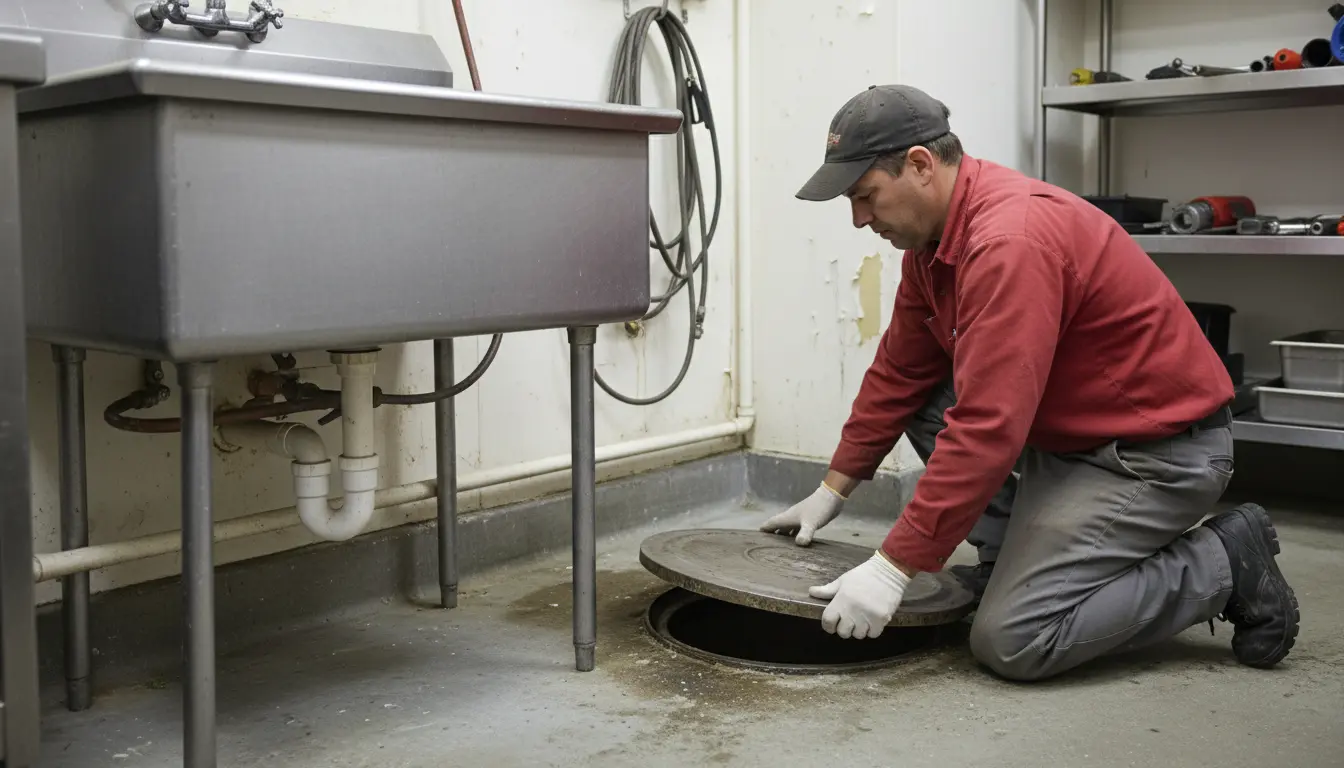
For any restaurant or food service establishment in Redding, maintaining your grease trap or interceptor isn't just a good practice-it's a legal requirement. The City of Redding has specific municipal codes designed to protect the local sewer system from fats, oils, and grease (FOG), which can cause costly and disruptive blockages. Proper, regular grease interceptor cleaning is essential for compliance, avoiding fines, and ensuring your kitchen runs smoothly. This guide outlines what Redding business owners need to know about local regulations, typical service costs, and best practices for managing this critical piece of equipment.
Welch Enterprises - Redding Septic Pumping
2735 Tarmac Rd, Redding, CA 96003
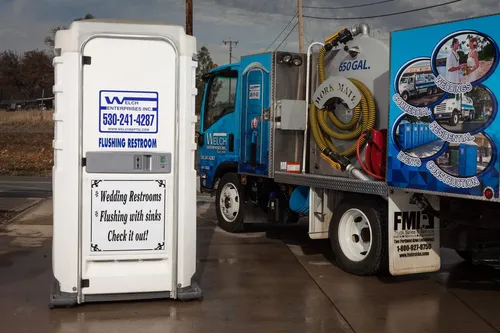
Welch Enterprises - Redding Septic Pumping has been serving Redding, CA, and surrounding areas since 1981. They specialize in septic tank pumping, grease trap cleaning, and portable toilet rentals for both residential and commercial clients. The company offers services including septic inspections, chemical and bacterial treatments, and grease trap maintenance for various facilities such as restaurants, schools, and hospitals. Welch Enterprises operates modern equipment and provides same-day service for many emergency situations. Founded by Lee Welch and now run by the next generation, the company continues its commitment to reliable septic and sanitation services in the Shasta County area.
Big Valley Sanitation
19637 Spring Gulch Rd, Anderson, CA 96007
Big Valley Sanitation provides grease trap cleaning, septic tank pumping, and portable toilet services in Redding, CA, and the broader Northern California area. With over 15 years of experience, they serve a wide range of locations including many cities across the North Valley. The company operates a large fleet of well-maintained equipment and offers emergency services along with temporary and long-term rental options. Their office is available 24/7 to respond to service needs and orders.
Smart Alternative Fuels
18405 Clear Creek Rd, Redding, CA 96001
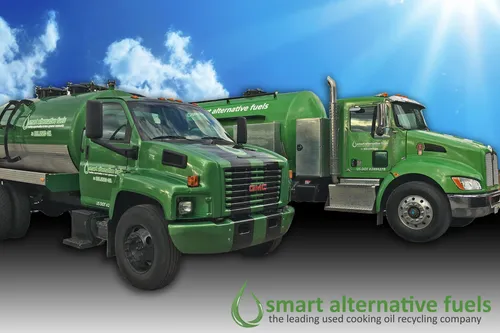
Smart Alternative Fuels is a company based in Redding, CA, specializing in eco-friendly used cooking oil collection and grease trap maintenance. They serve businesses across Northern California, Oregon, Washington, and Western Nevada, focusing on sustainable waste management and regulatory compliance. Their services include providing collection containers, regular used cooking oil pickups, and comprehensive grease trap cleaning, pumping, and inspection to prevent blockages and maintain wastewater system efficiency. Operating 24/7, Smart Alternative Fuels supports businesses in turning waste into biodiesel and ensures adherence to federal, state, and local grease trap regulations.
Understanding Redding's Grease Trap Regulations
Compliance starts with knowing the rules. In Redding, the primary regulation governing grease management for Food Service Establishments (FSEs) is the Redding Municipal Code (RMC) 14.16.504 B. This code mandates the installation of properly sized and permitted oil/grease/sand interceptors. The goal is to prevent FOG and solids from entering the public sewer lines, where they can congeal and cause major backups.
The code isn't just about having a trap; it's about maintaining it. A key operational requirement is that the accumulation of FOG and solids must not exceed 25% of the liquid depth of the interceptor 1. This isn't a suggestion-it's the legal threshold that triggers the need for cleaning. Furthermore, California Health and Safety Code § 114201 requires that these interceptors be easily accessible for inspection, servicing, and cleaning2.
Inspection and Enforcement by the City
The City of Redding's Wastewater Department is responsible for overseeing compliance with these regulations. They have the authority to perform inspections to ensure FSEs are adhering to the codes. Enforcement practices are focused on preventing sewer blockages and system failures, which can lead to environmental pollution and significant public works expenses. Non-compliance can result in penalties, including fines. Keeping detailed maintenance records is not only a best practice but also your first line of defense during an inspection, proving you are meeting your obligations.
Determining Your Cleaning Frequency
How often should you schedule grease trap pumping? While the law states you must clean before FOG exceeds 25% capacity, the actual frequency varies greatly by establishment. The volume and type of food you prepare are the biggest factors.
- Low to Moderate Volume: Establishments with lower grease output may find that a semi-annual (every 6 months) cleaning schedule is sufficient to stay within the 25% rule3.
- High-Volume or High-FOG Kitchens: For busy restaurants, diners, or any kitchen producing significant amounts of frying oil, meat fats, or dairy, cleaning every 1 to 3 months is common and often necessary. Proactive, frequent service is far cheaper than dealing with a clogged line or a violation.
The only way to know your ideal schedule is to start with a professional assessment and then monitor accumulation. Many service providers can recommend a frequency after an initial cleaning and inspection.
What to Expect: Service Costs in Redding
Budgeting for grease interceptor maintenance is a crucial part of restaurant operations. Costs can vary based on the size of your trap, its accessibility, the amount of waste, and your chosen service provider.
- Regular Pumping Service: For a standard grease trap or interceptor, you can expect to pay between $250 and $400 or more per service call 4. Many companies offer discounted rates if you sign up for a recurring service contract, which also helps ensure you never miss a required cleaning.
- Emergency or After-Hours Pumping: If you neglect regular maintenance and experience a backup or receive a violation notice requiring immediate service, costs escalate quickly. Emergency pumping can range from $800 to $1,200 or more5 6.
- Additional Services: Sometimes, a simple pump-out isn't enough. Hydro-jetting of the connected kitchen lines to remove built-up grease may be recommended and will add to the cost7 8. Always get a detailed quote that outlines what is included in the service.
Find the perfect grease trap cleaning companies for your needs
Get personalized recommendations and expert advice
Best Practices for Grease Trap Management
Beyond just scheduling cleanings, effective FOG management involves a holistic approach to keep your system functioning and your costs predictable.
- Implement a Preventive Schedule: Don't wait for a problem. Based on your kitchen's output, establish a regular, preventive cleaning schedule with a licensed professional. Quarterly service is a good starting point for most full-service restaurants.
- Train Your Kitchen Staff: Your trap is only as good as the practices upstream. Train all staff on what should never go down the drain: cooking oils, meat fats, dairy products, food scraps, and starchy substances. Use sink strainers and provide clearly labeled containers for grease disposal9.
- Use Professional Services: Always hire licensed, insured professionals for pumping and cleaning. They have the equipment to properly dispose of the hazardous waste and can perform a thorough job, including inspecting the trap's condition and checking inlet/outlet baffles.
- Keep Impeccable Records: Maintain a dedicated logbook for all grease interceptor maintenance. Record the date, service provider, amount pumped, and any observations or recommendations. This log is your proof of compliance during a city inspection 10.
The Risks of Non-Compliance
Ignoring your grease trap obligations carries significant risks. Financially, the cost of an emergency service call or a city fine can far exceed a year of scheduled maintenance. Operationally, a severe sewer backup can force a kitchen to close, resulting in lost revenue and customer goodwill. Environmentally, FOG overflows can pollute local waterways, damaging the ecosystem. Finally, persistent non-compliance can lead to more severe enforcement actions from the city, including larger penalties or operational restrictions 11. Regular cleaning is a minor operational cost that protects against these major liabilities.
Frequently asked questions
Sources
Footnotes
-
Sewer System Management Plan - City of Redding - https://www.cityofredding.gov/Document%20Center/Departments/Wastewater/Compliance/COR%20Sewer%20System%20Management%20Plan.pdf?t=202507251315420 ↩
-
California Health and Safety Code § 114201 (2024) - Justia Law - https://law.justia.com/codes/california/code-hsc/division-104/part-7/chapter-7/article-2/section-114201/ ↩
-
Grease Trap Cleaning For California Restaurants - Caccia Plumbing - https://cacciaplumbing.com/blog/grease-trap-cleaning-california-restaurants/ ↩
-
Grease Trap Cleaning Prices | Guide on the Industry Average - https://grease-cycle.com/grease-trap-pumping-cost/ ↩
-
Ultimate Grease Trap Pumping Cost Guide: Essential Money-Saving ... - https://www.texwaywastewater.com/grease-trap-pumping-cost/ ↩
-
Optimize Grease Trap Cleaning - United Sewer and Septic - https://www.unitedsewerservice.com/cleaning-and-inspecting-the-grease-trap-during-pumping/ ↩
-
The Ultimate Guide to Restaurant Grease Trap Cleaning - https://mokherplumbing.com/ultimate-guide-restaurant-grease-trap-cleaning/ ↩
-
Grease Trap Cleaning | Cooking Oil Collection | Plumbing Services - https://thegreasecompany.com/services.html ↩
-
Print - Restaurant Facility Management Association - https://www.rfmaonline.com/forms/FormResponsePrint.asp?id=104CAB32-43B4-44B2-9970-1E98449AEF6F ↩
-
12.20.220. Grease trap requirements. - https://codelibrary.amlegal.com/codes/fullerton/latest/fullerton_ca/0-0-0-18563 ↩
-
Chapter 18.08 GREASE TRAPS - https://www.codepublishing.com/CA/PacificGrove/html/PacificGrove18/PacificGrove1808.html ↩