Find the Best Grease Trap Cleaning Companies for Your Business
No obligation • Fast responses • Nationwide coverage

Why you can trust Restaurant Waste Disposal
Restaurant Waste Disposal is a leading U.S. resource for comparing restaurant composting, food-waste recycling, grease trap cleaning, and used cooking oil collection services. Our editorial team researches providers, checks credentials, and organizes unbiased information so operators can make informed decisions. Companies cannot pay to change ratings or placement.
Search providers near you
Top Grease Trap Cleaning Companies in Eastvale, California Ranked
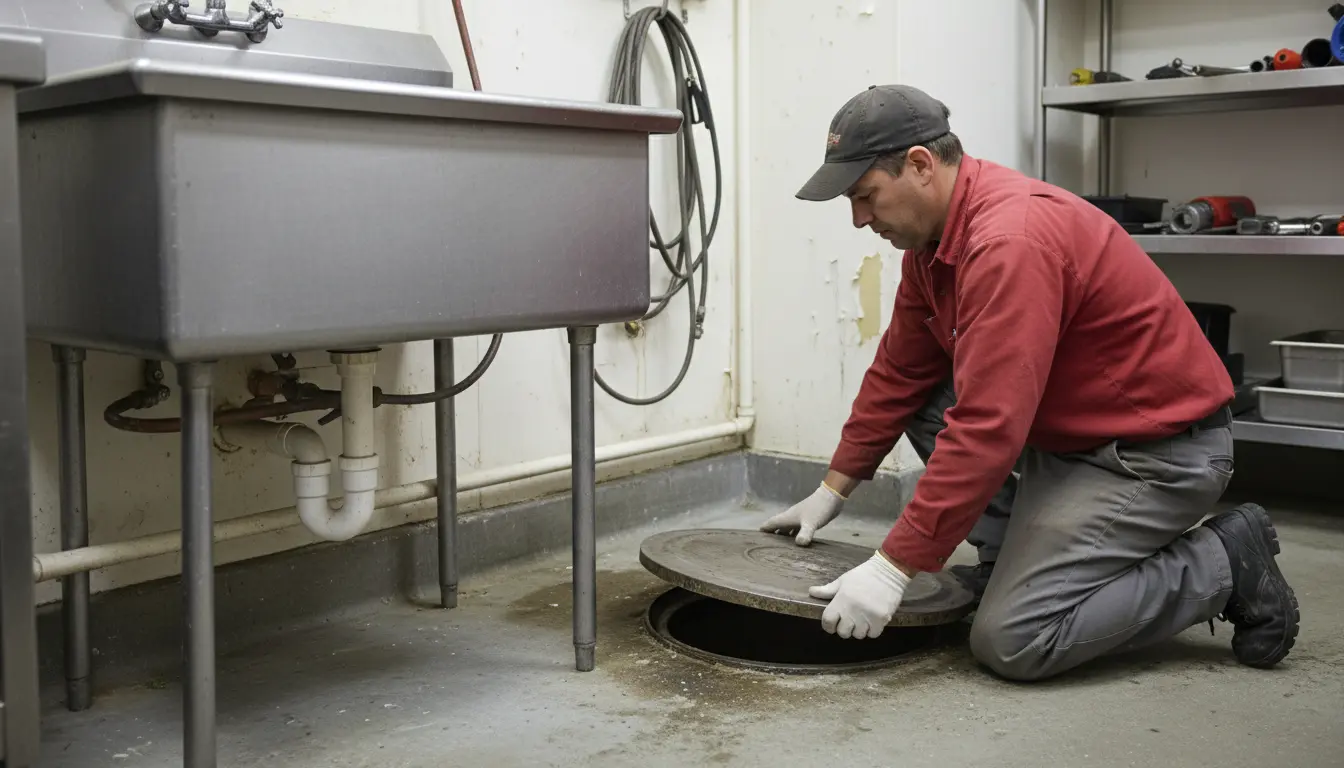
For restaurant owners and facility managers in Eastvale, maintaining a compliant and efficient grease interceptor system is a critical operational and legal responsibility. Situated within the jurisdiction of the Inland Empire Utilities Agency (IEUA), Eastvale establishments must adhere to strict state and local Fats, Oils, and Grease (FOG) control programs designed to protect the municipal sewer system. Proper grease trap cleaning and maintenance is not just about avoiding clogs on your property; it's a mandated practice to prevent sewer overflows, environmental damage, and significant financial penalties. This guide outlines the essential regulations, best practices, and service considerations for managing your grease interceptor in Eastvale.
Zoom Drain
15540 Rockfield Blvd C100, Irvine, CA 92618
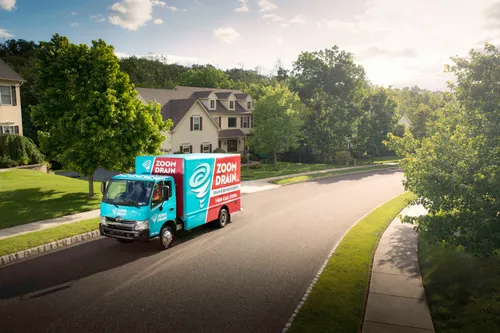
Zoom Drain is a grease trap cleaning and drain service company based in Los Angeles, CA. They provide residential and commercial drain and sewer cleaning, inspection, repairs, and preventive maintenance. Their services cover clogged drains, sewer pump repair, sump pump replacement, and landscape drain maintenance. Zoom Drain uses advanced technology like hydro jetting to clear blockages, including tree roots, and offers 24/7 emergency services. They serve areas including Anaheim, Irvine, Santa Ana, and throughout Orange County. The company is known for its specialized services in food and hospitality sectors, contractor support, and tailored maintenance plans.
Roto-Rooter Plumbing & Water Cleanup
3848 Campus Dr STE 220, Newport Beach, CA 92660
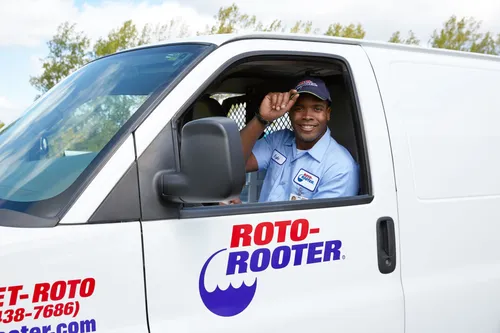
Roto-Rooter Plumbing & Water Cleanup provides comprehensive plumbing and water cleanup services in Long Beach, CA. They handle a wide range of issues including floodwater cleanup, sewer and drain cleaning, faucet and toilet repairs, water heater services, and grease trap maintenance. The company serves both residential and commercial clients, offering advanced capabilities such as high-pressure water jetting (hydro-jetting) and trenchless sewer line replacement. With decades of experience dating back to 1935, Roto-Rooter offers 24/7 emergency plumbing services to address urgent problems at any time.
Roto-Rooter Plumbing & Water Cleanup
2050 W Chapman Ave #202, Orange, CA 92868
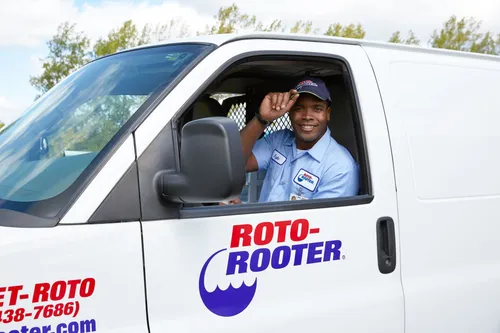
Roto-Rooter Plumbing & Water Cleanup offers a wide range of plumbing services in Los Angeles, CA, including grease trap cleaning, sewer and drain cleaning, water heater repair, and emergency flood cleanup. The company serves both residential and commercial clients, addressing issues from routine maintenance to urgent repairs. They utilize advanced tools such as HD inspection cameras and hydro-jetting to clear blockages and perform no-dig pipe replacements. Established with a legacy dating back to the invention of the original electric drain snake in 1935, Roto-Rooter provides 24/7 emergency plumbing services to handle urgent situations any time of day or night.
White Glove Plumbing Orange County
1430 E Borchard Ave, Santa Ana, CA 92705
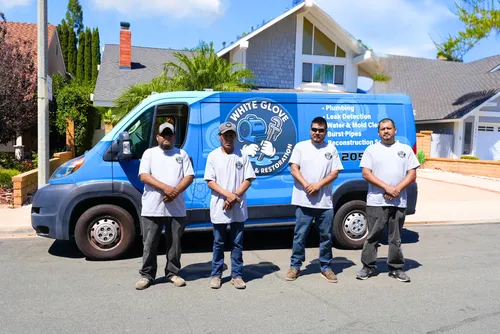
White Glove Plumbing Orange County is a full-service plumbing and restoration company based in Santa Ana, serving residential and commercial clients throughout Los Angeles, CA. They provide a wide range of services including emergency plumbing, leak detection, hydro-jetting, water heater installation, grease trap pumping, sewage cleanup, mold remediation, and water damage restoration. The company offers 24/7 emergency services to quickly address urgent plumbing and restoration needs. Their expertise includes advanced capabilities such as slab leak reroutes, sewer camera inspections, and certified mold remediation. White Glove Plumbing combines plumbing and restoration services to manage repairs and rebuilds efficiently, reducing the need for multiple contractors.
Roto-Rooter Plumbing & Water Cleanup
524 W Commonwealth Ave Ste P, Fullerton, CA 92833
Roto-Rooter Plumbing & Water Cleanup provides comprehensive plumbing services in Los Angeles, CA, specializing in both residential and commercial plumbing needs. Their offerings include drain and sewer line cleaning, grease trap maintenance, water heater repair and installation, floodwater cleanup, mold remediation, and emergency plumbing services. The company is equipped with advanced tools such as high-definition inspection cameras and hydro-jetting equipment to handle complex plumbing challenges. Roto-Rooter has a long history dating back to 1935, known for pioneering innovations like the electric drain snake. They offer 24/7 emergency plumbing support to address urgent issues like burst pipes and sewer backups promptly.
Understanding Local Grease Interceptor Regulations
Eastvale's requirements are built upon the foundation of the California Plumbing Code (CPC) and are enforced through local ordinances and the IEUA. Compliance begins with proper installation: your grease interceptor must be easily accessible for service and inspections, and it must be correctly sized for your operation's volume. For many full-service restaurants, this often means a minimum capacity of 500 gallons or more 1. It is strictly prohibited to discharge food waste from grinders, solvents, or so-called "grease-dissolving" additives into the trap, as these can compromise its function and violate codes 2 3.
A key component of local FOG control is the implementation of Best Management Practices (BMPs). These are operational procedures that help minimize the amount of FOG entering your drainage system in the first place. Common BMPs include dry-wiping pots and pans before washing, using sink strainers, and properly training staff on waste disposal protocols. Adopting these practices can reduce the frequency of required pump-outs and help demonstrate a good-faith effort to regulators 4.
Permits, Inspections, and Record-Keeping
Operating a commercial kitchen in Eastvale with a grease interceptor requires an active permit from the local authority, typically involving an annual fee. It's crucial to obtain a new permit if there is a change in property ownership or a significant modification to your food service operation.
Regulatory inspectors from the city or the IEUA have the right to access your grease interceptor for inspection. Refusing access can lead to severe consequences, including the revocation of your permit. To prove compliance, you are required to maintain detailed records. You must keep all grease trap pumping service manifests and invoices on file for a minimum of two years. These documents are the first thing an inspector will ask for, and they provide a verifiable history of your maintenance schedule.
Enforcement for violations can be stringent. Infractions such as improper maintenance, evidence of FOG discharge into storm drains, or sewer line blockages can result in formal notices, substantial fines, and in repeated cases, the suspension of your operating permit 5.
Determining Your Cleaning Schedule and Scope
The universal rule for pumping frequency is to service the interceptor before the combined grease and solids accumulate to 25% of the unit's volume 6 7. For most Eastvale restaurants, this translates to a bi-weekly or monthly service schedule. High-volume establishments like large cafeterias or busy diners may require weekly cleaning 8 9.
Your service should be comprehensive. A professional cleaning involves removing all contents-grease, fats, oils, and food solids-from the interceptor, thoroughly scraping and cleaning the interior walls and baffles, and properly disposing of the waste at a licensed facility. Furthermore, many local codes, including those referenced in the region, also require the annual cleaning of the sewer line running from your grease trap to the main public sewer line 10. This proactive step prevents slow-building blockages that can cause backups.
Find the perfect grease trap cleaning companies for your needs
Get personalized recommendations and expert advice
Cost Factors for Grease Trap Services
Investment in regular grease interceptor maintenance is a necessary cost of business. Pricing is not one-size-fits-all and depends heavily on several variables:
- Interceptor Size and Type: A small, indoor grease trap will cost significantly less per pump (typically in the $125-$180 range) than a large, buried outdoor grease interceptor 11.
- Service Frequency: Committing to a regular schedule (e.g., bi-weekly or monthly) often results in a lower per-service cost compared to emergency or one-time cleanings.
- Location and Access: Easily accessible traps are less expensive to service. Buried interceptors or those in confined spaces require more labor and equipment.
- Scope of Service: A basic pump-out is less expensive than a full clean-out with baffle scraping and interior washing. The required annual sewer line cleaning is an additional service with its own cost 12.
For a standard full-service restaurant in Eastvale with a medium-to-large interceptor on a bi-weekly or monthly schedule, owners can expect ongoing costs to generally range from $400 to over $600 per month 13 14. While this is an operational expense, it pales in comparison to the cost of fines, emergency plumbing repairs, or a forced business closure due to non-compliance.
Choosing a Service Provider in Eastvale
When selecting a company for grease interceptor maintenance, ensure they are fully licensed, insured, and familiar with the specific codes enforced by the City of Eastvale and the IEUA. A reputable provider will not only perform the physical cleaning but will also supply you with the detailed, standardized service manifest that is crucial for your records. They should be able to advise you on an appropriate schedule based on your interceptor's size and your kitchen's output, helping you stay ahead of the 25% fullness rule. Always verify that they dispose of waste at approved facilities, as improper disposal can create liability for your business.
Proactive Compliance and Next Steps
The most effective strategy is a proactive one. Don't wait for a notice of violation or a sewer backup. Develop a relationship with a qualified service provider and stick to a preventative maintenance schedule. Educate your kitchen staff on BMPs to reduce FOG at the source. Keep your records impeccably organized.
For the most current and specific information regarding permits, inspection schedules, and local code interpretations, restaurant operators should directly contact the City of Eastvale's Public Works or Building Department and the Inland Empire Utilities Agency (IEUA). Their guidance is the final authority on your compliance requirements.
Frequently asked questions
Sources
Footnotes
-
requirements for grease interceptors - Chino Hills - https://www.chinohills.org/DocumentView.asp?DID=1570 ↩
-
Grease Trap Cleaning For California Restaurants - https://cacciaplumbing.com/blog/grease-trap-cleaning-california-restaurants/ ↩
-
Chapter 18.08 GREASE TRAPS - General Code - https://www.codepublishing.com/CA/PacificGrove/html/PacificGrove18/PacificGrove1808.html ↩
-
California Health and Safety Code § 114201 (2024) - Justia Law - https://law.justia.com/codes/california/code-hsc/division-104/part-7/chapter-7/article-2/section-114201/ ↩
-
article 17.5. grease interceptors, installation and disposal of waste - https://www.codepublishing.com/CA/Ukiah/html/Ukiah04/Ukiah0402-1705.html ↩
-
FAQs • What is the pumping schedule for grease interceptor o - https://www.westminsterco.gov/FAQ.aspx?QID=302 ↩
-
Commercial Grease Trap Cleaning Services in Bay Area - https://powerplumbingusa.com/commercial/grease-trap-cleaning/ ↩
-
Chapter 3.25 FATS, OILS AND GREASE (FOG) - https://www.codepublishing.com/CA/MarinCSD5/html/MarinCSD503/MarinCSD50325.html ↩
-
How to Clean a Grease Trap (and How Often You Should) - https://greaseconnections.com/how-to-clean-a-grease-trap-and-how-often-you-should/ ↩
-
Chapter 14.30 FATS, OILS AND GREASE (FOG) CONTROL* - http://www.codepublishing.com/CA/NewportBeach/html/NewportBeach14/NewportBeach1430.html ↩
-
Grease Trap Cleaning Prices | Guide on the Industry Average - https://grease-cycle.com/grease-trap-pumping-cost/ ↩
-
Grease Trap Cleaning Cost Guide | Get quotes on iseekplant - https://blog.iseekplant.com.au/blog/grease-trap-cleaning-cost-guide ↩
-
Ultimate Grease Trap Pumping Cost Guide: Essential Money ... - https://www.texwaywastewater.com/grease-trap-pumping-cost/ ↩
-
Portland Grease Trap Maintenance: Essential Guide For Facility Managers - myshyft.com - https://www.myshyft.com/blog/grease-trap-cleaning-portland-oregon/ ↩