Find the Best Grease Trap Cleaning Companies for Your Business
No obligation • Fast responses • Nationwide coverage

Why you can trust Restaurant Waste Disposal
Restaurant Waste Disposal is a leading U.S. resource for comparing restaurant composting, food-waste recycling, grease trap cleaning, and used cooking oil collection services. Our editorial team researches providers, checks credentials, and organizes unbiased information so operators can make informed decisions. Companies cannot pay to change ratings or placement.
Search providers near you
Top Grease Trap Cleaning Companies in Palm Springs, California Ranked
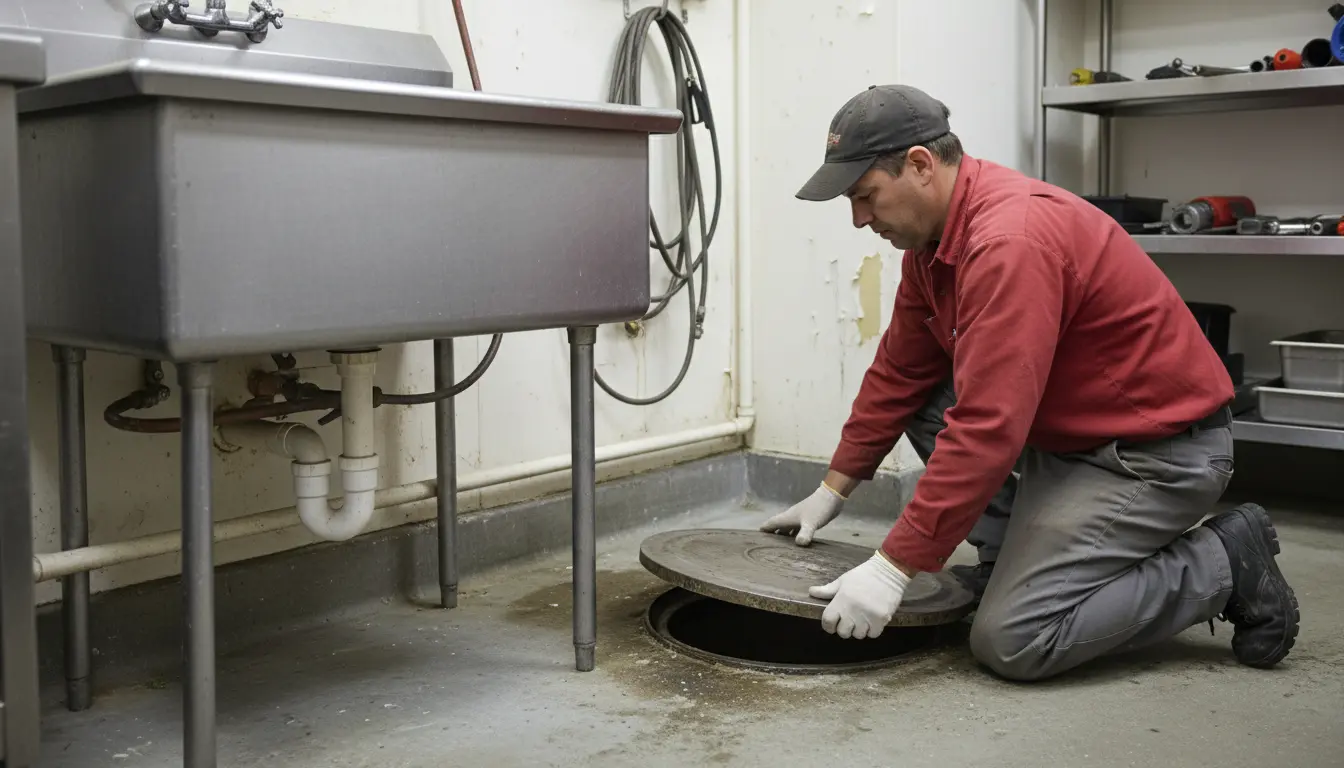
For restaurant owners and kitchen managers in Palm Springs, maintaining a clean and compliant grease trap or interceptor is a critical, non-negotiable part of daily operations. The unique demands of the Coachella Valley's vibrant hospitality scene, combined with strict state and local regulations, make proper grease management essential. Effective grease trap maintenance prevents costly sewer blockages, avoids significant fines from municipal inspections, and protects the local environment and infrastructure. This guide provides a detailed look at the requirements, best practices, and considerations for grease interceptor service in the Palm Springs area.
The Grease Company
Los Angeles, CA
The Grease Company provides grease trap cleaning, grease interceptor repair, used cooking oil collection, and commercial kitchen plumbing services in Los Angeles, CA. They serve a broad area including Orange, Riverside, San Bernardino, San Diego, Ventura, and Santa Barbara counties. The company is equipped with advanced tools for grease trap maintenance and repairs, ensuring compliance with regulations and preventing plumbing issues. They also offer food-grade oil buying and recycling services. The Grease Company is recognized as a leader in commercial FOG waste management and has been featured on AP News for their expertise.
Grease Collection
Los Angeles, CA
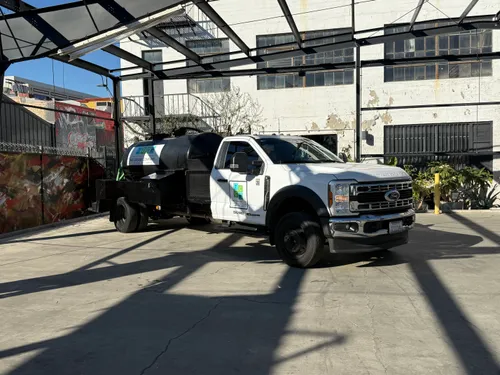
The Grease Company provides grease trap cleaning, interceptor repair, used cooking oil collection, and commercial kitchen plumbing services in Los Angeles, CA. They serve a wide area including Orange, Riverside, San Bernardino, San Diego, Ventura, and Santa Barbara counties. The company offers specialized grease management services such as grease trap cleaning and repair, ensuring proper FOG control to prevent plumbing issues and regulatory citations. They also handle used cooking oil collection and recycling, supplying storage containers to meet compliance standards. The Grease Company is equipped with advanced tools and machinery to address complex grease and plumbing challenges and has established itself as a recognized leader in the commercial food servicing industry.
Sanco Pumping Services
79800 Bermuda Dunes Dr, Bermuda Dunes, CA 92203
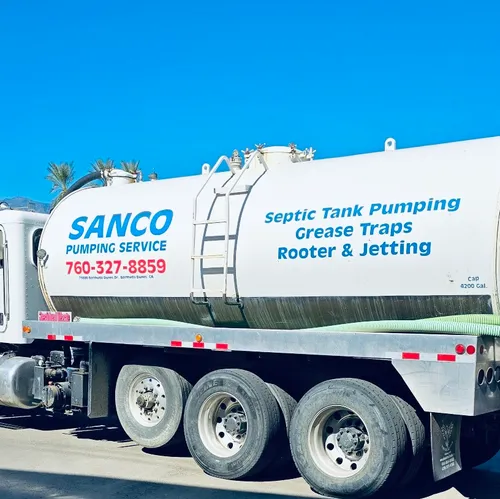
Sanco Pumping Services is a grease trap cleaning and septic pumping company based in Indio, CA, serving the Coachella Valley area including Palm Desert and Palm Springs. With 40 years of experience, they provide a range of services such as septic tank and cesspool pumping, grease trap pumping, drain cleaning, hydro-jetting, and sewer line camera inspection. Their team is equipped to handle complex tasks like sewage lift station pumping and offers 24/7 service for septic tank and grease trap pumping across multiple nearby communities.

S & G Pumping Service
11097 Coronado Dr, Morongo Valley, CA 92256
S & G Pumping Service is a plumbing company based in Palm Springs, CA, specializing in grease trap cleaning, sewer line maintenance, septic tank services, and drain line cleaning. They serve the Palm Springs area as well as Indio, Palm Desert, and Morongo Valley. With over a decade of experience, they handle projects ranging from grease trap cleaning to installing new septic systems and closing abandoned sewer lines. The company offers 24/7 emergency plumbing services to address urgent needs promptly.
Understanding Local Regulations and Compliance
Palm Springs restaurants must adhere to the California Plumbing Code (CPC) and any additional local municipal ordinances. The primary rule dictates that a grease interceptor must be pumped and cleaned when fats, oils, and grease (FOG) and solids accumulate to 25% of the liquid depth of the trap. This is not just a recommendation but a legal requirement for compliance. Local agencies are active in enforcement, often conducting inspections on a bi-annual schedule (every six months) to review maintenance logs, check the physical condition and accessibility of the trap, and ensure records are up-to-date.
Failure to comply with these regulations can result in substantial penalties. Proactive and documented maintenance is the best defense against enforcement actions. Keeping detailed records-including service invoices, pump-out logs, and even photos-is crucial for proving compliance during an inspection 1. These records should clearly show that service is performed before the 25% accumulation threshold is reached.
Sizing and Installation Standards
Proper grease trap sizing is foundational to effective operation. According to the CPC, sizing is based on the number and type of plumbing fixtures in the kitchen (referencing CPC Table 1014.3) 2. For most full-service restaurants, the minimum size is typically 750 gallons, with a common maximum of 1,500 gallons unless a specific engineering variance is approved. An undersized interceptor will require impractically frequent servicing, while proper sizing helps manage FOG load efficiently. Furthermore, traps must be installed in an easily accessible location for service vehicles and technicians; an inaccessible trap can lead to higher service costs and compliance issues 3.
Determining Service Frequency and Best Practices
How often should you schedule grease trap pumping? While the 25% rule is the legal standard, the actual frequency depends on your kitchen's volume. A high-volume restaurant or one with a menu heavy in fried foods may need service monthly or quarterly. Smaller establishments or those with larger, properly sized interceptors might manage with semi-annual cleaning 4 5. The key is to never let service intervals exceed the point where FOG and solids exceed a quarter of the trap's capacity.
Establishing a regular maintenance schedule with a reliable service provider is the most effective strategy. This routine service prevents the buildup that leads to clogs, foul odors, and emergency situations. It also extends the life of your plumbing system and the interceptor itself. Best practices include training kitchen staff on proper waste disposal-scraping plates thoroughly and minimizing the introduction of solids and grease into the drains-which can significantly reduce the load on your trap 6.
Find the perfect grease trap cleaning companies for your needs
Get personalized recommendations and expert advice
Cost Factors for Grease Interceptor Service
The cost of grease trap cleaning in Palm Springs varies based on several key factors. Understanding these can help you budget effectively and avoid unexpected expenses.
- Trap Size and Type: This is the primary cost driver. Small indoor traps (30-200 gallons) typically range from $125 to $250 per routine pump-out 7 8. Larger, in-ground grease interceptors (1,000+ gallons) start around $550 and can increase significantly from there 9 7.
- Level of Accumulation and Condition: A well-maintained trap pumped on a regular schedule costs less to service. Traps that have been neglected, with heavy FOG and solid buildup, require more labor, time, and potentially specialized equipment, leading to higher charges.
- Service Type: Scheduled, routine service is always more economical than an emergency call-out, which often incurs premium rates. Locking in a regular maintenance contract can also provide cost predictability.
- Location and Accessibility: Easily accessible traps with clear working space for service trucks and hoses are less expensive to service. Traps located in confined spaces, requiring extra hose length, or with obstructed access will increase the service cost.
While the initial price of regular pumping is an operational expense, it saves substantial money in the long run by preventing sewer backups, expensive plumbing repairs, and regulatory fines. The cost of non-compliance and emergency remediation far exceeds the price of consistent, preventative maintenance.
The Environmental and Operational Impact
Beyond compliance, effective grease management is an environmental responsibility for Palm Springs businesses. FOG that escapes into the sewer system can congeal and create massive blockages in public sewer lines, leading to sanitary sewer overflows (SSOs) that can contaminate local waterways and soil. The city's infrastructure, especially in a desert environment, relies on every business doing its part to keep FOG out of the wastewater stream.
Operationally, a malfunctioning grease trap can cause slow drains, unpleasant odors that affect the dining experience, and even pest infestations. A clean, functioning trap ensures a hygienic back-of-house environment and contributes to the smooth operation of your kitchen. It's an integral component of a professional and responsible food service establishment.
Choosing a Service Provider in the Coachella Valley
Selecting the right company for your grease trap pumping and cleaning is important. Look for a licensed, insured, and experienced provider familiar with Palm Springs and Riverside County regulations. They should offer comprehensive services, including pumping, cleaning, hauling of waste to approved disposal facilities, and detailed documentation for your records. A reputable provider will also be willing to conduct an initial assessment of your system and recommend an optimal service schedule tailored to your specific operations.
Frequently asked questions
Sources
Footnotes
-
Chapter 18.08 GREASE TRAPS - https://www.codepublishing.com/CA/PacificGrove/html/PacificGrove18/PacificGrove1808.html ↩
-
12.20.220. Grease trap requirements. - https://codelibrary.amlegal.com/codes/fullerton/latest/fullerton_ca/0-0-0-18563 ↩
-
Grease Trap Cleaning from Santa Clarita to San Diego - https://phoenixpumping.com/grease-trap-maintenance/ ↩
-
The Ultimate Guide to Restaurant Grease Trap Cleaning: Smart Solutions for Commercial Kitchens - Mokher Plumbing - https://mokherplumbing.com/ultimate-guide-restaurant-grease-trap-cleaning/ ↩
-
PALM SPRINGS Grease TRAP Cleaning & Grease Interceptor ... - https://thegreasecompany.com/blog/palmspringsgreasetrapcleaning/ ↩
-
Grease Trap Cleaning For California Restaurants - https://cacciaplumbing.com/blog/grease-trap-cleaning-california-restaurants/ ↩
-
The Cost To Clean A Grease Trap For Restaurants - https://thegreasecompany.com/blog/greasetrapcleaningcost/ ↩ ↩2
-
Grease Trap Cleaning Prices | Guide on the Industry Average - https://grease-cycle.com/grease-trap-pumping-cost/ ↩
-
SoCal Grease Pumping Service - Grease Trap Cleaning & Pumping - https://thegreasecompany.com/blog/socal-grease-pumping-service/ ↩