
Find the Best Grease Trap Cleaning Companies for Your Business
No obligation • Fast responses • Nationwide coverage

Why you can trust Restaurant Waste Disposal
Restaurant Waste Disposal is a leading U.S. resource for comparing restaurant composting, food-waste recycling, grease trap cleaning, and used cooking oil collection services. Our editorial team researches providers, checks credentials, and organizes unbiased information so operators can make informed decisions. Companies cannot pay to change ratings or placement.
Search providers near you
Top Grease Trap Cleaning Companies in National City, California Ranked
For any food service establishment in National City, from bustling taquerias to high-volume banquet halls, managing fats, oils, and grease (FOG) is a critical operational and legal responsibility. The city enforces a strict FOG Control Program designed to protect the local sewer infrastructure from blockages and costly overflows. At the heart of this program is the requirement for proper grease interceptor maintenance, which isn't just about avoiding fines-it's about ensuring your business runs smoothly, preventing disruptive backups, and contributing to a healthier community environment. Understanding the specific rules, schedules, and best practices mandated by National City is the first step toward seamless compliance and operational peace of mind.
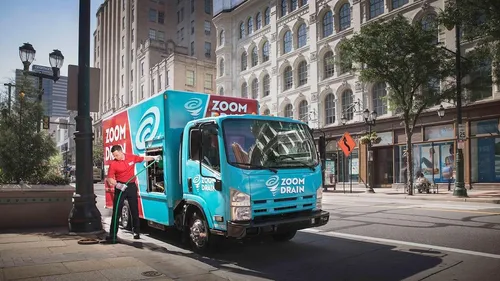
San Diego Zoom Drain
1465 Morena Blvd Floor One, San Diego, CA 92110
San Diego Zoom Drain is a drain and sewer service provider based in San Diego, CA. They offer residential and commercial drain cleaning, inspections, repairs, and replacements, including specialized grease trap maintenance for the food and hospitality sector. Their service area includes San Diego and surrounding communities such as Coronado, Del Mar, El Cajon, Encinitas, La Jolla, Santee, and Solana Beach. The company is experienced in hydro jetting, a capability used to clear stubborn clogs and maintain plumbing health. San Diego Zoom Drain emphasizes tailored maintenance plans and advanced technology to support property managers, contractors, and homeowners alike.

Chula Vista Rooter - Sewer & Drain Cleaning Services
National City, CA
Chula Vista Rooter - Sewer & Drain Cleaning Services provides drain and sewer cleaning, camera inspection, line location, and grease trap cleaning in National City, CA. The company uses modern technology and skilled techniques such as hydro-jetting and video inspection to address issues like clogged drains, sewer backups, root intrusions, and grease buildup. Their services include precise pipe location and preventive maintenance to support both residential and commercial properties. The team is experienced in handling complex problems like tree root removal and sediment buildup within sewer lines. Chula Vista Rooter aims to maintain efficient drainage systems through thorough cleaning and inspection methods.
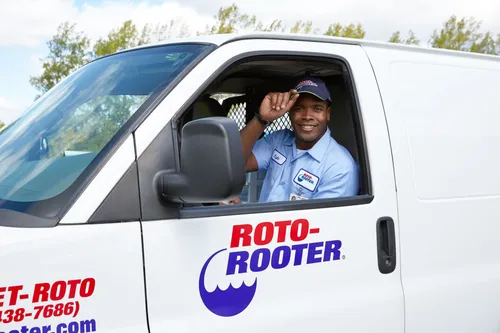
Roto-Rooter Plumbing & Water Cleanup of El Cajon
1400 Hill St, El Cajon, CA 92020
Roto-Rooter Plumbing & Water Cleanup of El Cajon provides comprehensive plumbing services to homes and businesses in San Diego, CA. They handle a wide range of needs including drain cleaning, sewer line repair and replacement, water heater installation and repair, grease trap maintenance, and floodwater cleanup. Their commercial plumbing expertise covers complex systems such as backflow inspection, high-pressure water jetting, and gas line installation. With a focus on local challenges like hard water mineral deposits and aging infrastructure, they offer tailored solutions for both residential and commercial clients. Roto-Rooter is available 24/7 for emergency plumbing services, ensuring prompt response to issues like burst pipes and sewer backups.
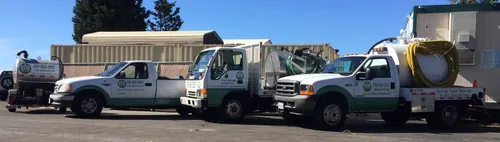
Eco Grease Pumping Services
4079 Governor Dr #262, San Diego, CA 92122
Eco Grease Pumping Services provides grease trap cleaning for commercial kitchens in San Diego, CA. The company specializes in grease trap and interceptor maintenance, including clog clearing and regular service to ensure proper function. Customers have noted their professionalism and effective resolution of long-standing grease interceptor issues.
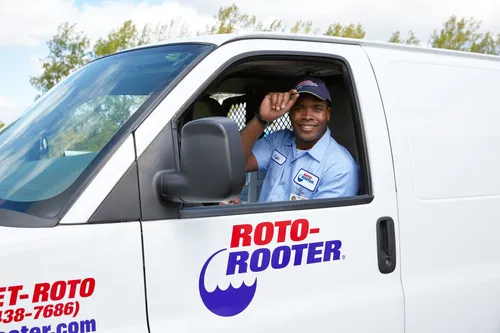
Roto-Rooter Plumbing & Water Cleanup of San Diego
10509 San Diego Mission Rd Ste U, San Diego, CA 92108
Roto-Rooter Plumbing & Water Cleanup of San Diego provides comprehensive plumbing and water cleanup services in San Diego, CA. They offer residential and commercial plumbing solutions including drain cleaning, sewer line repairs, water heater services, grease trap maintenance, and floodwater cleanup. Their commercial capabilities include hydro-jetting and industrial pipe restoration. The company operates 24/7, providing emergency plumbing and water damage services with licensed and insured plumbers experienced in local plumbing codes and conditions.
Understanding National City's FOG Control Program
National City's approach to wastewater management is governed by a proactive FOG Control Program. This program is the enforcement arm for local ordinances derived from Municipal Codes 14.06, 14.16, and 14.24, which detail the requirements for food service establishments (FSEs) 1. The primary goal is to prevent grease and solids from entering the public sewer system, where they can cool, solidify, and create severe blockages. These blockages can lead to sanitary sewer overflows (SSOs), which are environmental hazards, public health concerns, and can result in significant remediation costs for which responsible businesses may be liable.
The city conducts regular inspections to ensure compliance with these codes. During an inspection, officials will check for proper interceptor installation, accessibility, and most importantly, review your maintenance records. Failure to comply with the program's requirements can result in written violations, mandatory corrective actions, and escalating penalties for repeat offenses. Therefore, a thorough understanding of this program is not optional; it's a fundamental aspect of running a compliant restaurant in National City.
The 25% Rule: Your Key Compliance Standard
The cornerstone of National City's grease interceptor maintenance regulation is commonly known as the "25% rule." This rule states that a grease trap or interceptor must be pumped and cleaned when the combined volume of fats, oils, grease, and settled solids reaches 25% of the unit's total liquid capacity 2 3.
This is a performance-based standard, meaning you cannot simply set a calendar reminder for every six months and assume you're compliant. While the code mandates cleaning at a minimum every six months, many establishments, especially those with high-volume cooking, will reach the 25% threshold much faster-sometimes in as little as 30 to 90 days 4 5. Relying solely on the six-month minimum is a common pitfall that leads to violations. The only sure way to know is through regular inspection of the interceptor itself, either by your staff or during routine service visits from your pumping provider.
Creating a Proactive Maintenance Schedule
Given the 25% rule, a one-size-fits-all cleaning schedule doesn't exist. Your maintenance frequency depends entirely on your operation's specific grease output. Here's how to develop a reliable schedule:
- High-Volume Kitchens: Restaurants specializing in fried foods, large-scale catering, or 24-hour diners may require interceptor pumping every 1 to 3 months.
- Medium-Volume Establishments: Typical full-service restaurants, pubs, and bakeries often find a 3 to 4-month cycle sufficient.
- Low-Volume Operations: Coffee shops, pizza places (with no fryers), or seasonal cafes might be able to adhere to the 6-month minimum, but this must be verified.
The most effective strategy is to partner with a reliable service provider for regular, scheduled maintenance. After a few service cycles, they can help you predict your establishment's specific needs and set a cost-effective, compliant schedule. This proactive approach is far superior to reacting to an emergency or a violation notice.
Installation and Accessibility Requirements
Proper maintenance starts with proper installation. National City's codes have specific requirements for grease interceptors:
- Location Preference: Grease traps and interceptors should be installed outdoors whenever possible. If indoor installation is unavoidable, the unit must be placed outside of food preparation and storage areas 6.
- Accessibility is Mandatory: The interceptor must be easily accessible for inspection, servicing, cleaning, and removal of contents. This means clear, unobstructed access for service technicians and their equipment. An inaccessible trap can lead to skipped maintenance, incomplete cleaning, and subsequent violations.
Find the perfect grease trap cleaning companies for your needs
Get personalized recommendations and expert advice
Cost Considerations for Service in National City
Budgeting for grease trap maintenance is a predictable operational cost. Prices vary based on interceptor size, location, accessibility, and service frequency.
- Scheduled Maintenance Pumping: For routine, scheduled service, restaurants in National City can expect costs to generally range from $250 to $400+ per service call 7. This typically includes pumping out all contents, cleaning the interior of the tank, and proper disposal of the waste.
- Emergency Pumping: Responding to a clog or backup is a different financial story. Emergency service calls, especially after hours or on weekends, can cost significantly more-often ranging from $800 to $1,200 or more 8 9. This stark difference highlights the financial wisdom of proactive, scheduled maintenance.
- Record-Keeping Service: Many providers include detailed service reports and waste manifests with each visit. These documents are your proof of compliance during city inspections and are a critical part of the service value.
Best Management Practices (BMPs) for Your Kitchen
Interceptor pumping is only one part of the solution. National City mandates that all FSEs implement Best Management Practices (BMPs) to minimize FOG at the source 10. These daily habits are your first line of defense:
- Dry Wiping: The single most effective practice. Scrape all food scraps and grease from dishes, pots, pans, and cooking surfaces into the trash before any rinsing or washing begins 11.
- Use Drain Strainers: Install and consistently use strainer baskets in all sink drains to catch solid food particles.
- Manage Grease Disposal: Never pour used cooking oil or grease down the drain. Collect it in sealed containers for recycling or proper disposal.
- Minimize Hot Water: Avoid using excessive hot water to "melt" grease down the drain. It will simply re-solidify in the cooler pipes further down the line 12.
- Train Your Staff: Ensure every employee, especially new hires, understands and follows these BMPs. Make it part of your kitchen's standard operating procedure.
Navigating Inspections and Avoiding Violations
A city inspection doesn't have to be stressful. Being prepared is key. Inspectors will primarily want to see:
- Proof of Maintenance: Your detailed service records from a licensed hauler for the past 3-5 cleanings.
- Interceptor Condition: They may inspect the interceptor lid and accessibility.
- BMP Implementation: Evidence that dry wiping, strainers, and other practices are in active use.
If you receive a violation, it typically cites a specific code, such as exceeding the 25% FOG limit. The notice will include a deadline for remediation, which usually involves having the interceptor pumped and cleaned immediately by a licensed professional and providing proof to the city. Prompt action is crucial to avoid further penalties 13.
The Risks of Non-Compliance
Ignoring grease interceptor maintenance carries substantial risks beyond a one-time fine:
- Escalating Fines: Penalties increase for repeat violations.
- Operational Shutdown: In severe cases, the city can mandate that a business cease operations until compliance is achieved.
- Costly Emergencies: Neglect leads to sewer backups, which can cause property damage, health hazards, and extremely high emergency repair bills.
- Environmental Impact: SSOs can harm local waterways, damaging the ecosystem and the community.
By investing in regular grease trap cleaning and diligent kitchen practices, you protect your business from these risks, ensure uninterrupted service, and fulfill your role as a responsible member of the National City business community.
Frequently asked questions
Sources
Footnotes
-
Food Service Establishments (FSE) - Clean Water SoCal - https://cleanwatersocal.org/media/acfupload/reference/FSE_Program_Placentia.pdf ↩
-
Fats, Oils, and Grease (FOG) Control Program | National City, CA - https://www.nationalcityca.gov/government/engineering-public-works/engineering-division/fats-oils-and-grease-fog-control-program ↩
-
Grease Trap Cleaning Guide: 25% Rule, Schedule & Compliance - https://greaseconnections.com/how-to-clean-a-grease-trap-and-how-often-you-should/ ↩
-
Grease Trap Cleaning For California Restaurants - https://cacciaplumbing.com/blog/grease-trap-cleaning-california-restaurants/ ↩
-
California Health and Safety Code § 114201 (2024) - Justia Law - https://law.justia.com/codes/california/code-hsc/division-104/part-7/chapter-7/article-2/section-114201/ ↩
-
Grease Traps/Interceptors in Food Facilities - County of San Diego - https://www.sandiegocounty.gov/content/dam/sdc/deh/fhd/food/pdf/publications_greasetrappolicy.pdf ↩
-
How Much Does a Proper Grease Trap Cleaning Cost? - https://hulseyenvironmental.com/how-much-does-a-proper-grease-trap-cleaning-partner-cost/ ↩
-
Ultimate Grease Trap Pumping Cost Guide: Essential Money-Saving ... - https://www.texwaywastewater.com/grease-trap-pumping-cost/ ↩
-
Grease Trap Cleaning Prices | Guide on the Industry Average - https://grease-cycle.com/grease-trap-pumping-cost/ ↩
-
12.20.220. Grease trap requirements. - https://codelibrary.amlegal.com/codes/fullerton/latest/fullerton_ca/0-0-0-18563 ↩
-
Developing a Robust Grease Trap Maintenance Schedule - https://evergreengrease.com/posts/grease-trap-maintenance-schedule ↩
-
Essential Grease Trap Maintenance For San Diego Facilities - Shyft - https://www.myshyft.com/blog/grease-trap-cleaning-san-diego-california/ ↩
-
Ultimate Grease Trap Maintenance Guide For Ogden Facilities - myshyft.com - https://www.myshyft.com/blog/grease-trap-cleaning-ogden-utah/ ↩