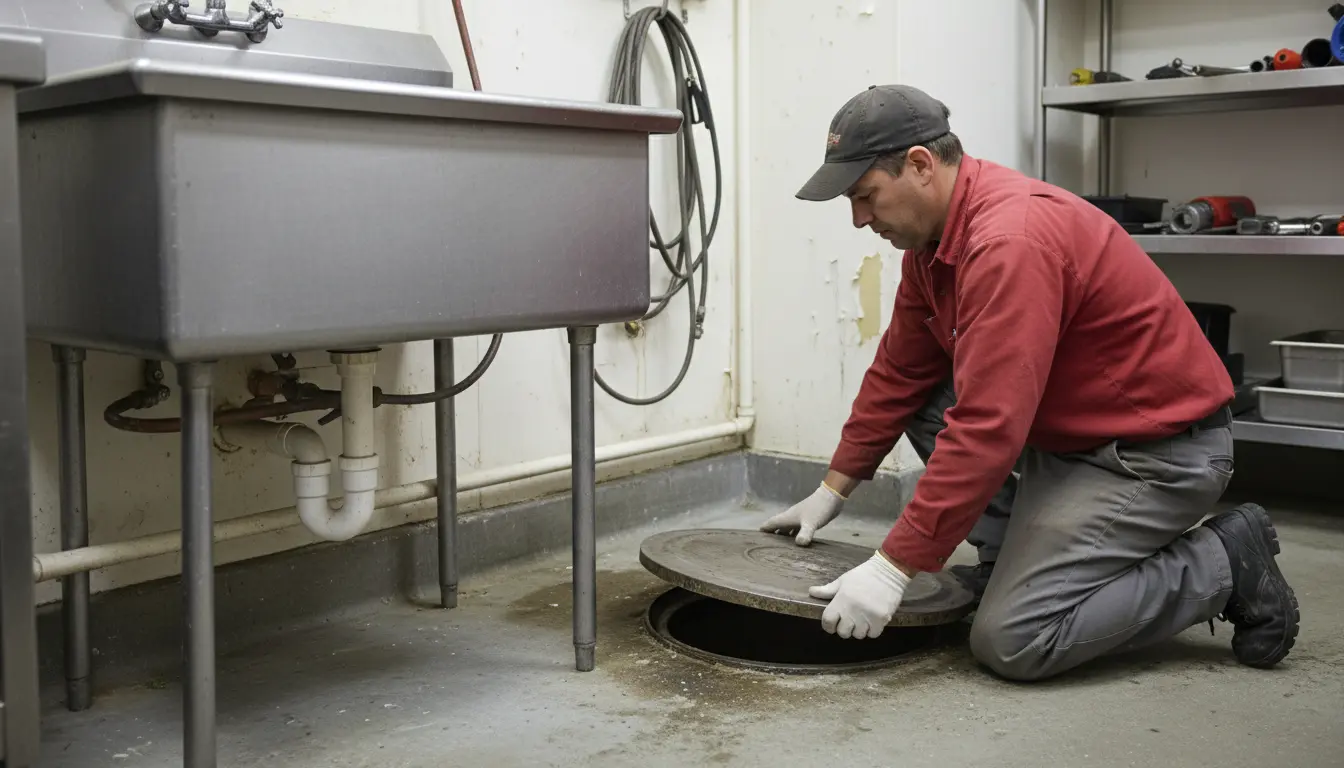
Find the Best Grease Trap Cleaning Companies for Your Business
No obligation • Fast responses • Nationwide coverage

Why you can trust Restaurant Waste Disposal
Restaurant Waste Disposal is a leading U.S. resource for comparing restaurant composting, food-waste recycling, grease trap cleaning, and used cooking oil collection services. Our editorial team researches providers, checks credentials, and organizes unbiased information so operators can make informed decisions. Companies cannot pay to change ratings or placement.
Search providers near you
Top Grease Trap Cleaning Companies in San Bernardino, California Ranked
For restaurant owners and food service operators in San Bernardino, managing fats, oils, and grease (FOG) is a critical operational and legal responsibility. Proper grease interceptor maintenance is not just about avoiding clogs; it's a key requirement of the San Bernardino Municipal Code (Chapter 13.32) designed to protect the city's sewer system from costly blockages and environmental damage. This local ordinance mandates that designated facilities install approved interceptors, adhere to strict discharge limits, and maintain detailed service records for inspection. Non-compliance can lead to significant fines, but a proactive maintenance plan with a certified provider is the most effective strategy for cost savings and compliance. Understanding the specific regulations, optimal pumping schedules, and inspection protocols for San Bernardino is essential for running a smooth, violation-free kitchen.
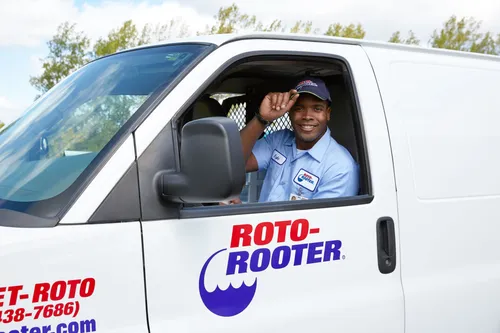
Roto-Rooter Plumbing & Water Cleanup
9631 Business Center Dr Ste L-14, Rancho Cucamonga, CA 91730
Roto-Rooter Plumbing & Water Cleanup provides comprehensive plumbing services in San Bernardino, CA, specializing in both residential and commercial plumbing solutions. Their offerings include drain cleaning, sewer line repair, water heater services, grease trap maintenance, and emergency water damage cleanup. The company uses advanced technology such as high-definition inspection cameras and hydro-jetting to address plumbing issues efficiently. Founded in 1935, Roto-Rooter continues to build on its long history of innovation in plumbing services. They offer 24/7 emergency availability to handle urgent plumbing problems at any time.
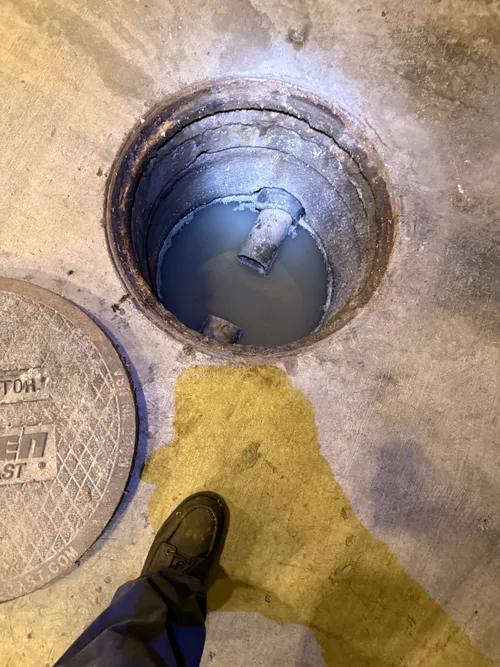
I.E Grease
Los Angeles, CA
I.E Grease provides grease management services including grease trap cleaning, grease trap and interceptor baffle repair, used cooking oil collection, and hydro jetting. Based in Los Angeles, CA, they serve the Inland Empire area including San Bernardino and Riverside. The company offers 24/7 emergency grease trap and cooking oil collection services to address urgent maintenance needs. Their team is experienced and certified in grease trap maintenance and oil collection, focusing on regular scheduled maintenance to prevent costly issues.
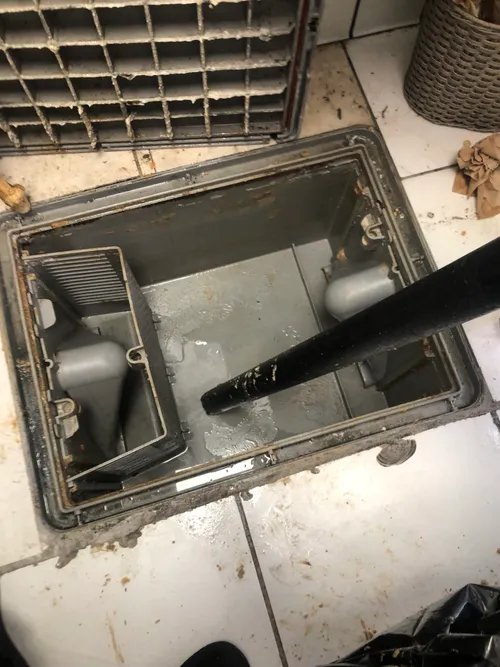
Grease Management Solutions GMS - Grease Trap Service, Used Cooking Oil Collection & Pressure Wash
Los Angeles, CA
Grease Management Solutions GMS provides grease trap cleaning, used cooking oil collection, and pressure washing services for commercial kitchens in Los Angeles, CA. They specialize in maintaining grease systems to help food service businesses comply with health and safety regulations and avoid operational disruptions. Their skilled technicians handle grease trap maintenance, interceptor pumping, and advanced drain cleaning, offering customized service schedules and emergency support. The company works with subcontracted partners to ensure comprehensive service records that meet local and state requirements.
Understanding San Bernardino's Grease Interceptor Regulations
The City of San Bernardino enforces specific rules through its Municipal Water Department to control the discharge of FOG into the public sewer system. Compliance begins with proper installation. The code requires food service facilities to install an approved oil and grease interceptor that meets the standards of the Uniform Plumbing Code (UPC) Appendix H. These interceptors, often called grease traps, are typically designed with at least two chambers and must include accessible manholes and a sample box, which allows city officials to check for compliance with the maximum discharge limit of 250 mg/L of oil and grease.
A crucial and often overlooked component of the regulation is the proper handling of used cooking oil. The code explicitly states that used cooking oil must be collected and disposed of by a state-approved hauler. Pouring used oil down any drain is a direct violation and a major contributor to sewer line problems. By partnering with a licensed service provider for both grease trap cleaning and used oil collection, restaurants can streamline compliance and ensure all waste streams are handled legally and efficiently.
Determining Your Grease Trap Pumping Frequency
One of the most common questions from restaurant managers is, "How often should my grease trap be pumped?" While the San Bernardino code provides a clear performance standard-pump out when FOG and solids reach 25% of the interceptor's depth-the actual frequency varies significantly 1 2. This "25% rule" is what health inspectors and water department officials will check for during compliance inspections.
Your specific schedule depends on several factors:
- Kitchen Volume: High-volume establishments like busy diners or large banquet halls may require monthly service, while a lower-turnover cafe might manage with quarterly pumping 3.
- Menu Offerings: A restaurant specializing in fried foods, meats, and dairy products will generate more FOG than one with a lighter, plant-based menu.
- Trap Size and Design: The capacity and efficiency of your installed interceptor directly impact how quickly it fills.
- Pre-Kitchen Practices: The effectiveness of staff training on scraping plates and using sink baskets plays a huge role.
General guidance from San Bernardino County suggests that many restaurants will fall into a monthly or quarterly service cycle to stay well within the 25% threshold 4 5. The safest approach is to have a certified professional assess your operation and recommend a customized schedule, then stick to it proactively.
The Inspection Process and Required Documentation
Enforcement of FOG regulations in San Bernardino is a collaborative effort between the City's Water Department officials and County Health Inspectors. During an inspection, they will focus on several key areas. They will physically check the interceptor, often via the sample box, to visually assess the FOG and solids level 6. They will also verify that used cooking oil is being stored properly and has evidence of pickup by a licensed hauler.
The most critical item you can provide is your documentation. The city requires facilities to maintain detailed grease interceptor cleaning and maintenance records for at least three years 7. These service reports, provided by your pumping company, should include the date of service, the company's information, the volume of waste removed, and the disposal method. Having this log readily available demonstrates a commitment to compliance and is your best defense against a violation notice. Inspectors view well-kept records as a sign of a professionally managed facility.
Cost Analysis: Preventive Maintenance vs. Emergency Response
Viewing grease trap cleaning as a routine line-item expense, rather than a reactive chore, is the key to financial savings. The cost structure clearly favors a scheduled, preventive approach.
- Scheduled Pumping Cost: A routine pump-out service for a standard commercial grease interceptor in San Bernardino typically ranges from $250 to $400. This is a predictable, budgetable expense.
- Emergency Service Cost: If a trap overflows, causes a backup, or triggers a violation requiring immediate action, emergency service calls can cost between $800 and $1,200 or more 8 9. This does not include potential fines from the city or the cost of business interruption.
- Cost of Non-Compliance: Fines for violating the municipal code can add hundreds or thousands of dollars to the total cost. Furthermore, severe blockages caused by negligence could lead to sewage backups, resulting in massive cleanup fees and reputational damage 10.
Investing in regular maintenance is a straightforward calculation: the annual cost of quarterly service is almost always less than the price of a single emergency cleanup plus a fine. It safeguards your plumbing, your budget, and your standing with regulatory authorities 11.
Find the perfect grease trap cleaning companies for your needs
Get personalized recommendations and expert advice
Essential Best Practices for San Bernardino Restaurants
Beyond scheduling regular service, restaurant operators can take direct action to improve interceptor efficiency and longevity. Implementing simple kitchen protocols reduces the strain on your grease trap and helps maintain compliance between professional cleanings.
Staff Training is Fundamental: Every team member should understand what can and cannot go down the drain. Emphasize the "no FOG" rule: no fats, oils, or grease. Implement a strict policy of scraping all food scraps into trash or compost bins before warewashing. Install and use sink baskets to catch solid particles.
Choose Your Service Provider Wisely: Work with certified, insured, and licensed grease trap cleaning and used oil collection services familiar with San Bernardino's specific codes. A knowledgeable provider will not only perform the service but can also offer advice on optimizing your system and will supply the detailed service records you need for inspections 12.
Maintain a Compliance Log: Keep a dedicated binder or digital folder for all FOG-related documents. This should include every service receipt, your used oil hauler manifests, and any correspondence from the Water or Health departments. Proactive record-keeping turns a stressful inspection into a simple paperwork review 13.
Adopting these best practices transforms grease management from a regulatory burden into a standard part of your restaurant's operational excellence. It minimizes risk, controls costs, and contributes to the broader community effort of protecting San Bernardino's wastewater infrastructure.
Frequently asked questions
Sources
Footnotes
-
Grease Trap Maintenance Hesperia, CA - https://hesperiagreasetrap.com/grease-trap-maintenance/ ↩
-
Fats, Oils and Grease (FOG) Management & Control Program - https://www.waterboards.ca.gov/rwqcb7/water_issues/programs/pretreatment/docs/intro_fog_inspections.pdf ↩
-
12.20.220. Grease trap requirements. - https://codelibrary.amlegal.com/codes/fullerton/latest/fullerton_ca/0-0-0-18563 ↩
-
Taking care of your GREASE INTERCEPTOR/GREASE TRAP ... - https://www.sbcounty.gov/uploads/DPH/EHS/Programs/Food/FoodFacilities/taking-care-of-your-grease-interceptor-grease-trap.pdf ↩
-
Grease Trap & Interceptor Cleaning Company San Bernardino - https://www.greasemanagement.org/greasetrapservicesanbernardino.html ↩
-
Grease Trap Cleaning Service In San Bernardino & Cooking ... - https://thegreasecompany.com/sanbernardino.html ↩
-
CITY OF SAN BERNARDINO MUNICIPAL WATER ... - https://www.sbmwd.org/DocumentCenter/View/344/Grease-Program-Information-PDF ↩
-
How to Clean a Grease Trap (and How Often You Should) - https://greaseconnections.com/how-to-clean-a-grease-trap-and-how-often-you-should/ ↩
-
Ultimate Grease Trap Pumping Cost Guide: Essential Money-Saving ... - https://www.texwaywastewater.com/grease-trap-pumping-cost/ ↩
-
San Bernardino Grease Trap Cleaning Experts Help Prevent Costly ... - https://fox56news.com/business/press-releases/ein-presswire/866003507/san-bernardino-grease-trap-cleaning-experts-help-prevent-costly-sewer-overflows-across-the-county ↩
-
The Ultimate Guide to Restaurant Grease Trap Cleaning - https://mokherplumbing.com/ultimate-guide-restaurant-grease-trap-cleaning/ ↩
-
Grease Trap Cleaning in San Bernardino CA - https://greasetrapcleaningcolton.com/san-bernardino-ca.html ↩
-
Grease Trap Cleaning For California Restaurants - https://cacciaplumbing.com/blog/grease-trap-cleaning-california-restaurants/ ↩