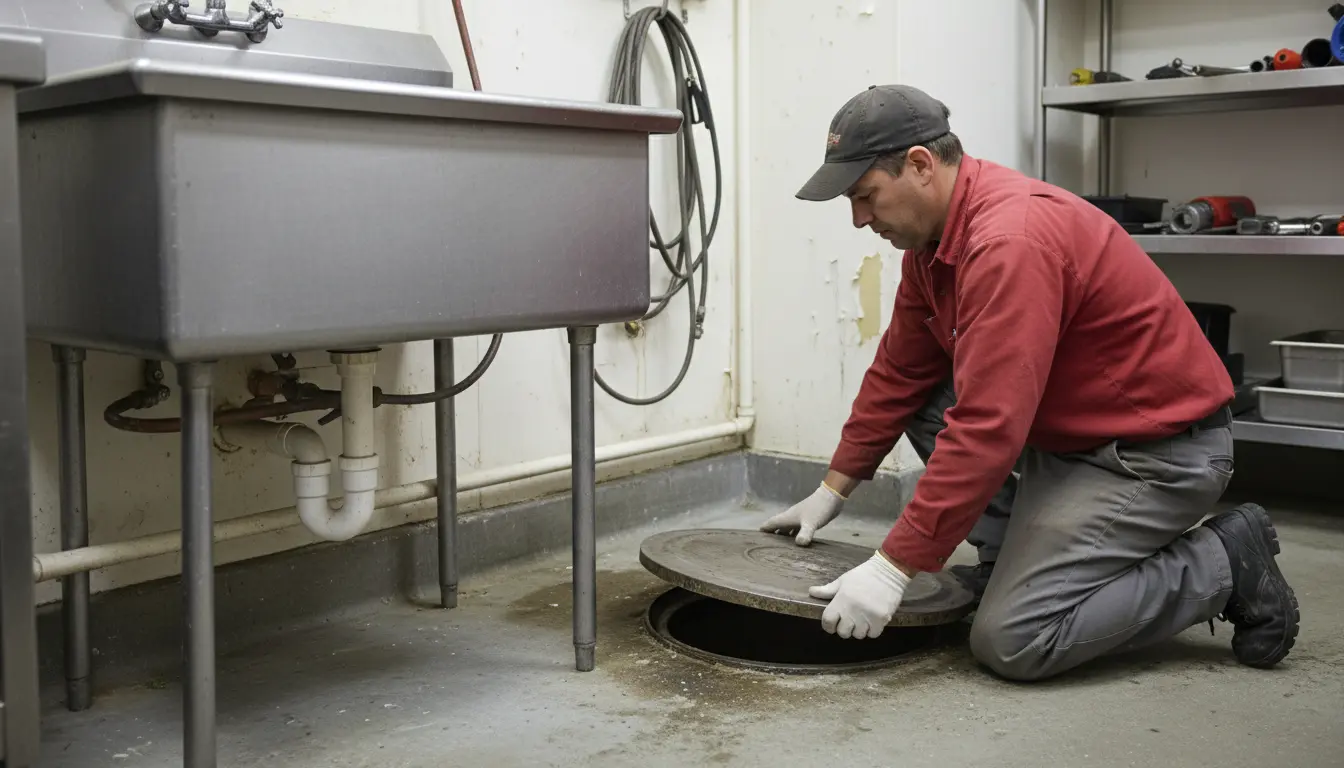
Find the Best Grease Trap Cleaning Companies for Your Business
No obligation • Fast responses • Nationwide coverage

Why you can trust Restaurant Waste Disposal
Restaurant Waste Disposal is a leading U.S. resource for comparing restaurant composting, food-waste recycling, grease trap cleaning, and used cooking oil collection services. Our editorial team researches providers, checks credentials, and organizes unbiased information so operators can make informed decisions. Companies cannot pay to change ratings or placement.
Search providers near you
Top Grease Trap Cleaning Companies in San Mateo, California Ranked
For restaurant owners and food service facility managers in San Mateo, maintaining a clean and compliant grease trap is a critical operational and legal responsibility. Fats, oils, and grease (FOG) management is strictly regulated by local agencies to prevent costly sewer blockages and environmental damage. This guide outlines the essential requirements, best practices, and service considerations for effective grease interceptor maintenance in the San Mateo area, helping you navigate local codes and avoid potential penalties.
Roto-Rooter Plumbing & Water Cleanup
1780 Whipple Rd Ste 203G, Union City, CA 94587
Roto-Rooter Plumbing & Water Cleanup provides comprehensive plumbing and water cleanup services in San Jose, CA. They serve both residential and commercial clients, offering a wide range of solutions including grease trap cleaning, sewer and drain cleaning, water heater repair and installation, and emergency flood services. The company uses advanced plumbing technology and equipment to handle complex plumbing systems and offers 24/7 emergency plumbing support to address urgent issues such as burst pipes and sewer backups. Roto-Rooter is licensed and insured, serving the local community with expertise and a commitment to compliance with local codes.
Caccia Home Services
1660 Gilbreth Rd, Burlingame, CA 94010
Caccia Home Services is a plumbing and home services provider based in San Mateo, CA. They offer a wide range of services including grease trap cleaning, hydro jetting, sewer line repair, water treatment, and emergency plumbing. Their capabilities include trenchless sewer services and installation and maintenance of water heaters, including tankless and heat pump models. The company also provides electrical services such as EV charger installation and lighting upgrades. Caccia Home Services is known to respond to emergency plumbing needs.
Roto-Rooter Plumbing & Water Cleanup
41111 Mission Blvd Ste 202, Fremont, CA 94539
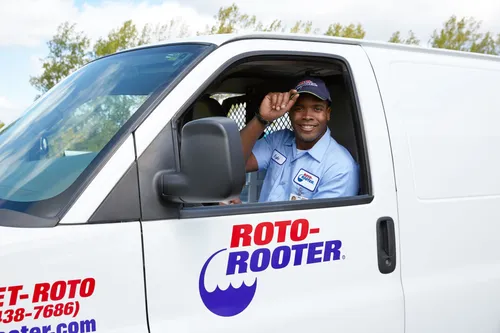
Roto-Rooter Plumbing & Water Cleanup is a plumbing company serving San Jose, CA, and nearby communities including Fremont, Sunol, Pleasanton, Milpitas, and Warm Springs. They provide a wide range of plumbing services for residential and commercial clients, including drain cleaning, water heater repair, emergency plumbing, and grease trap cleaning. The company offers 24/7 emergency plumbing services and uses advanced equipment such as high-pressure water jetting (hydro-jetting) for effective drain maintenance. Established in 1935, Roto-Rooter has a long history of serving customers with professional plumbing solutions.
Roto-Rooter Plumbing & Water Cleanup
1070 Marina Village Pkwy UNIT 202, Alameda, CA 94501
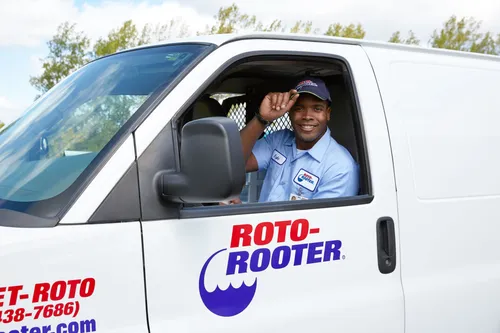
Roto-Rooter Plumbing & Water Cleanup provides comprehensive plumbing and water cleanup services in Oakland, CA. They serve both residential and commercial clients with a wide range of solutions including sewer and drain cleaning, water heater repair and installation, grease trap maintenance, and floodwater cleanup. The company uses specialized equipment such as hydro-jetting for effective drain cleaning and sewer line maintenance. Roto-Rooter offers 24/7 emergency plumbing services to address urgent issues like burst pipes and sewer backups. They serve Alameda and surrounding counties, bringing extensive experience to local plumbing challenges.
Roto-Rooter Plumbing & Water Cleanup
300 Frank H. Ogawa Plaza STE 249, Oakland, CA 94612
Roto-Rooter Plumbing & Water Cleanup provides comprehensive plumbing and water damage cleanup services in San Francisco, CA. They serve both residential and commercial clients with a wide range of offerings including sewer and drain cleaning, water heater repair and installation, grease trap maintenance, and mold remediation. The company is equipped with advanced tools such as high-pressure water jetting (hydro-jetting) and offers 24/7 emergency plumbing services to address urgent issues like burst pipes, sewer backups, and clogged drains. Serving the Oakland area and surrounding communities, Roto-Rooter has extensive experience with local plumbing infrastructure and regulations.
Understanding San Mateo's FOG Control Regulations
Local enforcement of grease trap rules in San Mateo is a collaborative effort. The West Bay Sanitary District (WBSD) oversees the Fats, Oils, and Grease Control Program, working in conjunction with the San Mateo County Health Department, the Fire Department, and City Code Enforcement. These agencies monitor compliance through methods like sampling, inspections, and reviewing facility maintenance records. The primary goal is to prevent FOG from entering the public sewer system, where it can solidify, cause blockages, lead to sanitary sewer overflows (SSOs), and result in expensive cleanup and repair costs for which facilities can be held financially responsible.
The cornerstone of local regulation is San Mateo Municipal Code Section 7.38.160, which sets forth specific requirements for food service facilities. Compliance isn't optional; it's a mandatory condition of operating your business. Facilities that experience or contribute to sewer blockages may face mandated upgrades to their grease control equipment or be required to reimburse the district for sewer maintenance costs. Proactive and documented maintenance is your best defense against such enforcement actions.
Mandatory Service Frequency and Triggers
Knowing when to service your grease interceptor is the first step to compliance. San Mateo regulations specify a clear, two-part rule for service frequency. Your trap must be pumped and cleaned:
- At a minimum of every six months, or
- Whenever the combined FOG and solids layer reaches 25% of the total liquid depth of the device, whichever condition occurs first.
This "whichever comes first" clause is crucial. For many high-volume kitchens-such as busy diners, establishments with extensive fryer use, or restaurants serving cuisine known for higher grease content-the 25% threshold may be reached well before the six-month mark 1. In these cases, monthly or bi-monthly service is not just recommended; it is often necessary to stay within code. Regular inspection of your trap's contents is essential to determine the correct, compliant service schedule for your specific operation.
Proper Cleaning and Maintenance Procedures
Not all service visits are created equal. To meet code, a compliant grease trap cleaning must involve a complete pump-out and thorough cleaning, not just a superficial skim. Here's what a proper service entails:
- Full Pump-Out: The entire contents of the trap-including water, FOG, and settled solids-must be removed.
- Complete Cleaning: After pumping, the interior walls, baffles, and all surfaces must be scraped and cleaned of all accumulated grease and waste.
- Proper Refilling: The device must be refilled with clean, potable water to the proper level to restore its intended function.
- Accurate Documentation: A detailed waste manifest must be completed by the service provider, documenting the volume of waste removed and its final disposal location. You must retain these records on-site for inspection.
Certain practices are explicitly prohibited. You cannot simply skim grease from the top, "backflush" grease into the sewer line, or use devices that separate water for discharge into the trap. These methods do not remove the accumulated solids and grease that cause blockages and will not satisfy regulatory requirements.
Find the perfect grease trap cleaning companies for your needs
Get personalized recommendations and expert advice
Grease Trap Sizing and Installation Standards
Proper function begins with proper sizing. Grease interceptors in San Mateo must be sized according to the Uniform Plumbing Code (UPC) standards, which typically relate to the fixture flow rate (e.g., 20-55 gallons per minute) and the type of kitchen equipment. An undersized trap will fail to adequately cool and separate grease, leading to rapid overflows and guaranteed non-compliance. If your facility is experiencing frequent service calls or blockages despite regular maintenance, it may be a sign that your interceptor is undersized for your current volume. In such cases, agencies may require an upgrade to a larger, properly sized unit as a condition of continued operation.
Cost Factors for Grease Trap Pumping Services
The cost for professional grease trap pumping in San Mateo can vary based on several key factors. On average, restaurants can expect to pay between $120 and $400 per service visit for standard maintenance pumping 2 3. The final price is influenced by:
- Trap Size and Gallon Capacity: Larger traps hold more waste and require more labor and disposal costs to clean.
- Service Frequency: Facilities on a frequent (e.g., monthly) maintenance schedule may negotiate a lower per-visit rate compared to one-time emergency calls.
- Accessibility and Location: Traps that are difficult to access (indoors, in tight basements, etc.) may incur higher charges.
- Service Provider and Bundling: Some companies offer cost savings if you bundle grease trap cleaning with other services like used cooking oil collection.
- Emergency Service: A required emergency pump-out due to a blockage or imminent overflow will cost significantly more, potentially exceeding $800, due to the immediate response required 4 5.
While cost is a consideration, selecting a licensed, insured, and reputable provider who understands local codes and provides proper documentation is invaluable for maintaining compliance.
Record-Keeping and Compliance Documentation
In the eyes of inspectors, if it isn't documented, it didn't happen. Maintaining meticulous records is a non-negotiable part of your FOG management program. For every service, you should receive and securely file a detailed manifest or service report from your provider. This document should include:
- Your business name and address.
- The date and time of service.
- The name of the service company.
- The volume of grease and solids removed (in gallons).
- The location (facility name and permit number) where the waste was taken for disposal or recycling.
These records must be kept on-site and made available for review by inspectors from the West Bay Sanitary District or Health Department upon request 6. A well-organized file demonstrates a proactive compliance attitude and can streamline the inspection process.
Consequences of Non-Compliance
Failing to adhere to grease trap regulations carries serious consequences for San Mateo food service facilities. Beyond the immediate operational headache of a sewer backup, regulatory penalties can be severe. The West Bay Sanitary District and partner agencies have the authority to issue citations and fines for violations 7 8. More significantly, if a facility is found to be the source of or a contributor to a sewer blockage or SSO, it can be held financially liable for the district's costs to clean and repair the public sewer line 7 8. In persistent cases, regulators may mandate the installation of new, larger grease control equipment or, in extreme situations, pursue actions that could affect your business license. Consistent, documented maintenance is the most effective strategy to avoid these costly and disruptive outcomes.
Frequently asked questions
Sources
Footnotes
-
12.20.220. Grease trap requirements. - https://codelibrary.amlegal.com/codes/fullerton/latest/fullerton_ca/0-0-0-18563 ↩
-
Ultimate Grease Trap Pumping Cost Guide: Essential Money-Saving ... - https://www.texwaywastewater.com/grease-trap-pumping-cost/ ↩
-
Grease Trap Cleaning Prices | Guide on the Industry Average - https://grease-cycle.com/grease-trap-pumping-cost/ ↩
-
Grease Trap Pumping San Francisco - North Bay Restaurant Services - https://northbayrestaurantservices.com/grease-trap-pumping-san-francisco/ ↩
-
Grease Trap Cleaning San Mateo, CA - https://www.thegreasetrapcleaners.com/locations/san-mateo-ca ↩
-
SSMP ELEMENT 7 - FOG Control Program APPENDIX ... - San Mateo - https://www.cityofsanmateo.org/DocumentCenter/View/75987/Appendix-71-FOG---FOG-Supporting-Materials-091219 ↩
-
Got Grease? - West Bay Sanitary District - https://www.westbaysanitary.org/got-grease ↩ ↩2
-
7.38.160 REQUIREMENTS FOR FOOD SERVICE FACILITIES. - https://law.cityofsanmateo.org/us/ca/cities/san-mateo/code/7.38.160 ↩ ↩2