Find the Best Grease Trap Cleaning Companies for Your Business
No obligation • Fast responses • Nationwide coverage

Why you can trust Restaurant Waste Disposal
Restaurant Waste Disposal is a leading U.S. resource for comparing restaurant composting, food-waste recycling, grease trap cleaning, and used cooking oil collection services. Our editorial team researches providers, checks credentials, and organizes unbiased information so operators can make informed decisions. Companies cannot pay to change ratings or placement.
Search providers near you
Top Grease Trap Cleaning Companies in Gilroy, California Ranked
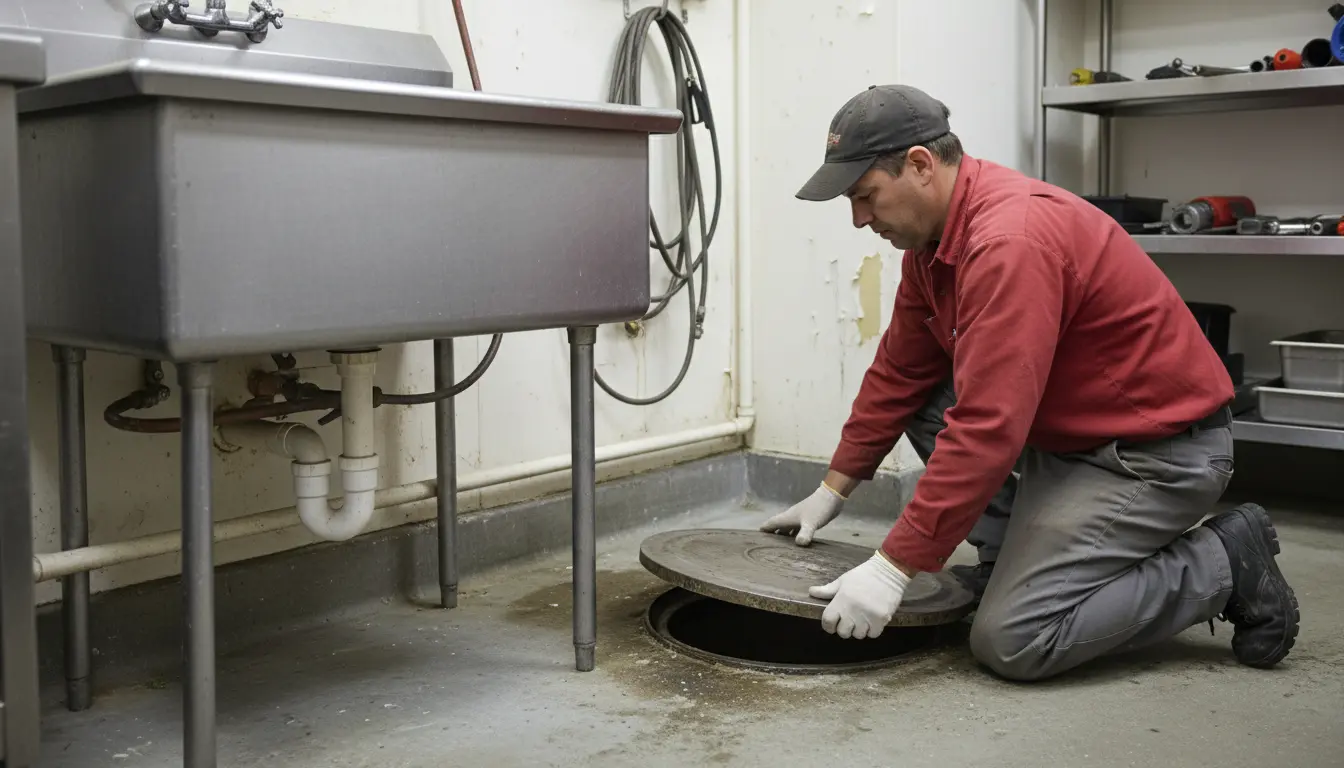
For any restaurant or food service business in Gilroy, maintaining a clean and compliant grease trap or interceptor is not just a matter of kitchen efficiency-it's a legal requirement. The City of Gilroy's Industrial Wastewater Pretreatment Program mandates that establishments have accessible grease interceptors and adhere to a regular cleaning schedule to prevent fats, oils, and grease (FOG) from entering the municipal sewer system. Proper FOG control is critical to avoiding costly backups, unpleasant odors, and significant penalties for non-compliance. This guide outlines everything you need to know about grease interceptor servicing, local regulations, and best practices to keep your kitchen running smoothly and in full compliance with city codes.
Local enforcement focuses heavily on consistent maintenance and meticulous record-keeping. Inspections by city officials will review your service logs and the physical condition of your trap, checking for proper access, watertightness, and overall function 1. The frequency of required pumping varies by your establishment's volume; high-output kitchens may need monthly service, while others might be on a quarterly schedule 2. Costs for this essential preventative maintenance typically range from $175 to $400 per pump-out, but can rise significantly for emergency services. Staying ahead of maintenance is the most effective strategy for cost control and compliance.
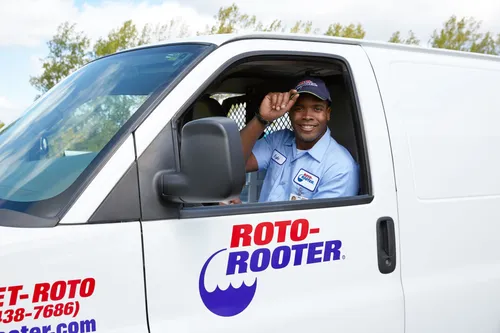
Roto-Rooter Plumbing & Water Cleanup
1500 41st Ave Ste 260, Capitola, CA 95010
Roto-Rooter Plumbing & Water Cleanup provides comprehensive plumbing services in San Jose, CA, specializing in both residential and commercial systems. Their offerings include drain cleaning, sewer line repair and replacement, water heater installation and repair, grease trap maintenance, and floodwater cleanup. The company uses advanced equipment such as hydro-jetting for effective drain cleaning and offers 24/7 emergency plumbing services to address urgent issues promptly. Serving Capitola and surrounding communities, Roto-Rooter has extensive experience managing plumbing challenges unique to the area, including compliance with local regulations and environmental concerns.
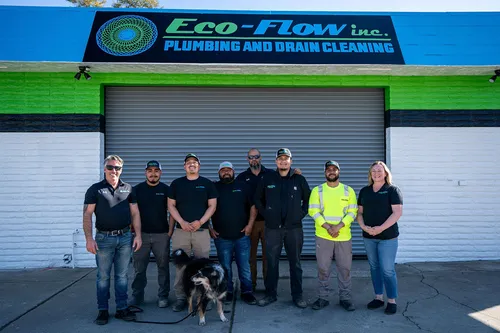
Eco-Flow Plumbing Inc.
122 Hubbard St, Santa Cruz, CA 95060
Eco-Flow Plumbing Inc. is a licensed and insured plumbing company serving San Jose, CA, and the surrounding Santa Cruz area. Since 2008, they have provided plumbing services for both residential and commercial clients, including sewer repairs, water heater services, and restaurant grease trap cleaning. Their team is equipped to perform high-pressure water jetting for pipe cleaning and emergency situations.
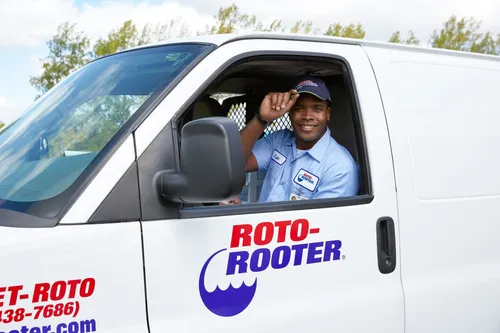
Roto-Rooter Plumbing & Water Cleanup
310 Locust St Suite F, Santa Cruz, CA 95060
Roto-Rooter Plumbing & Water Cleanup provides comprehensive plumbing services in Santa Cruz, CA, catering to both residential and commercial clients. Their offerings include drain cleaning, sewer line repairs, water heater installation and repair, mold remediation, grease trap cleaning, and floodwater cleanup. The company uses advanced equipment such as hydro-jetting for drain maintenance and offers 24/7 emergency plumbing services to address urgent issues like burst pipes and sewer backups. Serving Santa Cruz and surrounding counties, Roto-Rooter has extensive experience managing plumbing needs for a variety of sectors including education, healthcare, and retail.
San Jose Grease Trap Cleaning
276 N 5th St, San Jose, CA 95112
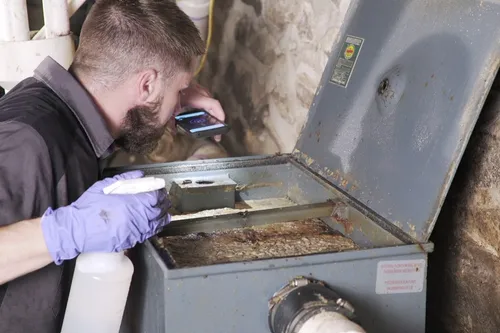
San Jose Grease Trap Cleaning provides grease trap pumping and cleaning services for restaurants, cafes, hotels, and commercial kitchens in San Jose, CA. They specialize in removing fats, oils, and grease (FOG) buildup to maintain sanitary kitchens and ensure compliance with local health codes. Their services include grease interceptor pumping for high-volume kitchens and hydro jetting to clear pipes and prevent backups. The company offers scheduled maintenance plans and emergency service to address overflows and backups promptly.
Ryans pumping service Inc
7495 Santa Theresa Dr, Gilroy, CA 95020
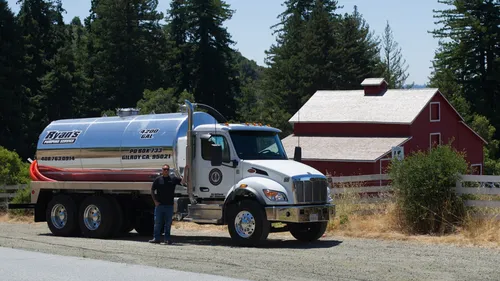
Ryans Pumping Service Inc is a grease trap cleaning company based in Gilroy, CA. They provide grease trap maintenance and cleaning services to local businesses to help manage waste and maintain proper sanitation.
Understanding Gilroy's Grease Interceptor Regulations
Gilroy's municipal code requires all food service establishments to install and maintain grease traps or interceptors that are easily accessible for servicing and inspection. The goal is straightforward: to protect the public sewer infrastructure from blockages caused by congealed FOG. Compliance isn't optional; it's a condition of doing business.
Key Accessibility Requirements:
- Traps must have 24-inch access manholes over each chamber that extend to grade with removable covers.
- Units cannot be located in food preparation areas unless specifically approved, and they must always remain accessible for service vehicles and technicians.
- Regular inspections by the city will verify these accessibility features, among other criteria.
Determining Your Cleaning Schedule and Frequency
There is no one-size-fits-all schedule for grease interceptor pumping. The City of Gilroy often bases the required frequency on the size of your trap and the volume of grease-producing waste your kitchen generates 3. A common rule of thumb is to schedule service when the trap is 25% full of fats, oils, and grease 4.
- High-Volume Kitchens: Establishments like busy diners or large restaurants may require cleaning as often as monthly or bi-weekly.
- Medium- to Low-Volume Operations: Many restaurants find that a quarterly (every 3 months) schedule is sufficient to stay compliant and prevent issues 5.
- The Best Indicator: Your service provider can assess the accumulation during a pump-out and recommend a tailored schedule. Adhering to a consistent, preventative plan is far less expensive than reacting to an emergency.
The Real Cost of Grease Trap Maintenance
Budgeting for grease trap service is a fundamental part of restaurant operations in Gilroy. Prices are influenced by the size of your interceptor, its location, and how often it is serviced.
- Standard Preventative Pump-Out: For a typical commercial grease trap, you can expect costs to range from $175 to $400 per service 6 7. This is the cost for routine, scheduled cleaning.
- Emergency Service: If a trap overflows, causes a backup, or is discovered to be out of compliance during a surprise inspection, emergency service calls can cost significantly more-potentially ranging from $800 to $1,200 or more due to after-hours rates and the complexity of the cleanup 8 9.
- Long-Term Value: Investing in regular maintenance avoids these emergency premiums, prevents sewer surcharge fees from the city, and extends the life of your plumbing system.
Essential Documentation for Compliance
In Gilroy, if it isn't documented, it didn't happen. Maintaining detailed records is your primary defense during a city inspection.
Your compliance file should include:
- A Dedicated Logbook: A binder or digital log where every service event is recorded, including date, time, company, technician name, and observations.
- Invoices and Receipts: Save every document from your service provider. These should detail the volume of waste removed and the disposal method.
- Visual Evidence: Some businesses find it helpful to take photos or videos before and after cleaning to document the condition of the interceptor.
- Action Log: Note any corrective actions taken if warning signs were identified.
Find the perfect grease trap cleaning companies for your needs
Get personalized recommendations and expert advice
Recognizing Warning Signs and Preventing Problems
Waiting for a scheduled cleaning date isn't always enough. Kitchen staff should be trained to identify early warning signs that a grease interceptor needs immediate attention.
- Slow Draining: Sinks, especially in the dish pit, that drain slower than usual are often the first sign of a grease buildup in the lines or a full trap.
- Foul Odors: Persistent sewer or rotten egg smells emanating from drains can indicate a clogged or malfunctioning interceptor.
- Gurgling Sounds: Unusual noises from drains when water is running suggest air is trapped due to a blockage.
- Backups: Any sewage or wastewater backing up into floor drains is a clear emergency that requires immediate professional service.
Addressing these signs promptly can prevent a minor issue from becoming a major operational shutdown and a costly emergency service call.
What to Expect During a City Inspection
The City of Gilroy conducts inspections to ensure compliance with its FOG control program. Being prepared can make this process smooth and stress-free.
The inspector will likely:
- Request to see your grease trap maintenance logbook and all recent service invoices.
- Physically inspect the grease interceptor to check for proper lids, watertight seals, and overall condition.
- Verify that the trap is easily accessible and not located in a prohibited area 10.
- Look for any signs of bypassing the interceptor or improper discharge.
Having your documentation organized and your trap readily accessible demonstrates a commitment to compliance and can help avoid violations.
Choosing a Service Provider in the Gilroy Area
Selecting a reliable grease trap cleaning company is a crucial business decision. Look for providers with experience serving Gilroy restaurants and familiarity with local municipal requirements.
Key considerations include:
- Licensing and Insurance: Ensure the company is fully licensed, insured, and permitted to handle and transport grease waste.
- Documentation Provided: Their service invoices should be detailed enough to satisfy city inspectors, including gallons pumped, trap location, and disposal facility information.
- Availability: Inquire about their response time for emergency services.
- Local References: Ask for references from other food service establishments in Gilroy or nearby communities like Morgan Hill or San Martin.
A proactive partnership with a qualified service provider is your best strategy for maintaining seamless kitchen operations and unwavering regulatory compliance.
Frequently asked questions
Sources
Footnotes
-
Grease Trap Inspection - InterNACHI® - https://www.nachi.org/grease-trap-inspection.htm ↩
-
Commercial Grease Trap Cleaning Services in Bay Area - https://powerplumbingusa.com/commercial/grease-trap-cleaning/ ↩
-
Industrial Wastewater Pretreatment Program | Gilroy, CA - https://cityofgilroy.org/1020/Industrial-Wastewater-Pretreatment-Progr ↩
-
The Ultimate Guide to Restaurant Grease Trap Cleaning: Smart Solutions for Commercial Kitchens - Mokher Plumbing - https://mokherplumbing.com/ultimate-guide-restaurant-grease-trap-cleaning/ ↩
-
Restaurant Grease Trap Cleaning FAQs - Mahoney Environmental - https://www.mahoneyes.com/restaurant-grease-trap-cleaning-faqs/ ↩
-
Ultimate Grease Trap Pumping Cost Guide: Essential Money-Saving ... - https://www.texwaywastewater.com/grease-trap-pumping-cost/ ↩
-
Grease Trap Cleaning in Gilroy CA | Grease Interceptor Pumping - https://greasetrapcleaningmonterey.com/gilroy-ca.html ↩
-
The Cost To Clean A Grease Trap For Restaurants - https://thegreasecompany.com/blog/greasetrapcleaningcost/ ↩
-
How Much Does It Cost To Clean A Grease Trap? - https://www.greasecollection.com/blog/how-much-does-it-cost-to-clean-a-grease-trap/ ↩
-
California Health and Safety Code § 114201 (2024) - Justia Law - https://law.justia.com/codes/california/code-hsc/division-104/part-7/chapter-7/article-2/section-114201/ ↩