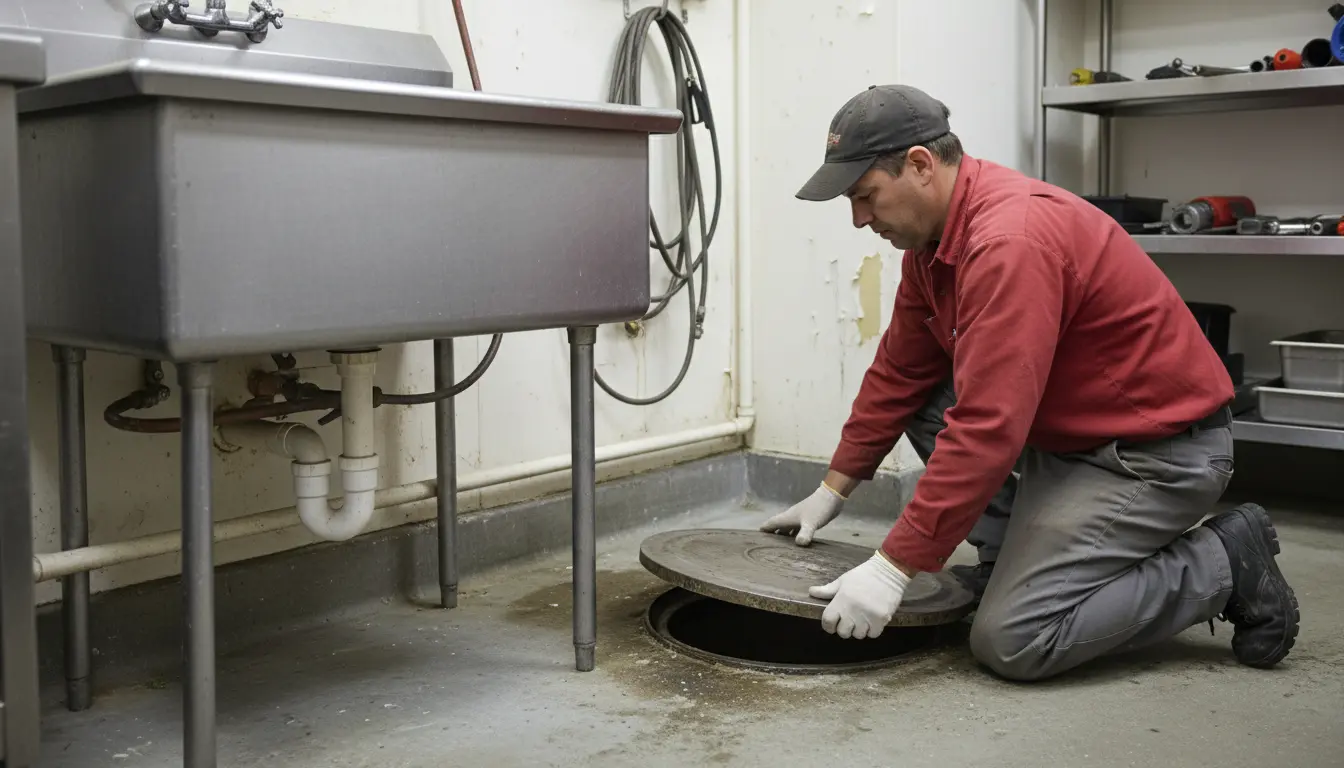
Find the Best Grease Trap Cleaning Companies for Your Business
No obligation • Fast responses • Nationwide coverage

Why you can trust Restaurant Waste Disposal
Restaurant Waste Disposal is a leading U.S. resource for comparing restaurant composting, food-waste recycling, grease trap cleaning, and used cooking oil collection services. Our editorial team researches providers, checks credentials, and organizes unbiased information so operators can make informed decisions. Companies cannot pay to change ratings or placement.
Search providers near you
Top Grease Trap Cleaning Companies in Irvine, California Ranked
For restaurant owners and facility managers in Irvine, maintaining a clean and compliant grease trap or interceptor is a critical operational and legal responsibility. Situated within the jurisdiction of the Orange County Sanitation District (OCSD), Irvine enforces strict regulations on grease, oil, and fat (FOG) management to protect the city's sewer infrastructure and water quality. Proper grease trap maintenance involves scheduled pumping, meticulous record-keeping, and adherence to specific state and local codes to avoid significant fines and costly emergency interventions. This guide outlines the essential requirements, best practices, and cost considerations for effective grease management in Irvine's food service establishments.
Zoom Drain
15540 Rockfield Blvd C100, Irvine, CA 92618
Zoom Drain is a grease trap cleaning and drain service company based in Los Angeles, CA. They provide residential and commercial drain and sewer cleaning, inspection, repairs, and preventive maintenance. Their services cover clogged drains, sewer pump repair, sump pump replacement, and landscape drain maintenance. Zoom Drain uses advanced technology like hydro jetting to clear blockages, including tree roots, and offers 24/7 emergency services. They serve areas including Anaheim, Irvine, Santa Ana, and throughout Orange County. The company is known for its specialized services in food and hospitality sectors, contractor support, and tailored maintenance plans.
Roto-Rooter Plumbing & Water Cleanup
3848 Campus Dr STE 220, Newport Beach, CA 92660
Roto-Rooter Plumbing & Water Cleanup provides comprehensive plumbing and water cleanup services in Long Beach, CA. They handle a wide range of issues including floodwater cleanup, sewer and drain cleaning, faucet and toilet repairs, water heater services, and grease trap maintenance. The company serves both residential and commercial clients, offering advanced capabilities such as high-pressure water jetting (hydro-jetting) and trenchless sewer line replacement. With decades of experience dating back to 1935, Roto-Rooter offers 24/7 emergency plumbing services to address urgent problems at any time.
Roto-Rooter Plumbing & Water Cleanup
2050 W Chapman Ave #202, Orange, CA 92868
Roto-Rooter Plumbing & Water Cleanup offers a wide range of plumbing services in Los Angeles, CA, including grease trap cleaning, sewer and drain cleaning, water heater repair, and emergency flood cleanup. The company serves both residential and commercial clients, addressing issues from routine maintenance to urgent repairs. They utilize advanced tools such as HD inspection cameras and hydro-jetting to clear blockages and perform no-dig pipe replacements. Established with a legacy dating back to the invention of the original electric drain snake in 1935, Roto-Rooter provides 24/7 emergency plumbing services to handle urgent situations any time of day or night.
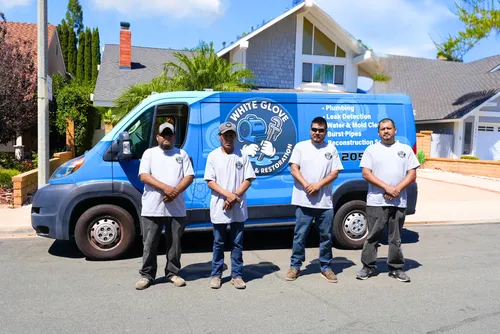
White Glove Plumbing Orange County
1430 E Borchard Ave, Santa Ana, CA 92705
White Glove Plumbing Orange County is a full-service plumbing and restoration company based in Santa Ana, serving residential and commercial clients throughout Los Angeles, CA. They provide a wide range of services including emergency plumbing, leak detection, hydro-jetting, water heater installation, grease trap pumping, sewage cleanup, mold remediation, and water damage restoration. The company offers 24/7 emergency services to quickly address urgent plumbing and restoration needs. Their expertise includes advanced capabilities such as slab leak reroutes, sewer camera inspections, and certified mold remediation. White Glove Plumbing combines plumbing and restoration services to manage repairs and rebuilds efficiently, reducing the need for multiple contractors.
Roto-Rooter Plumbing & Water Cleanup
20422 Beach Blvd #225, Huntington Beach, CA 92648
Roto-Rooter Plumbing & Water Cleanup offers comprehensive plumbing and water cleanup services in Long Beach, CA. They handle a wide range of issues including drain cleaning, sewer line repairs, water heater services, grease trap maintenance, and emergency flood cleanup. The company uses advanced technology such as high-definition inspection cameras and hydro-jetting to address plumbing challenges efficiently. With expertise tailored to local conditions and building codes, Roto-Rooter serves both residential and commercial clients. They provide 24/7 emergency plumbing services to quickly resolve urgent problems and minimize damage.
Understanding Irvine's Grease Trap Regulations
Compliance in Irvine is governed by a combination of state law and local sanitation district rules. The primary goal is to prevent FOG from entering and clogging the public sewer system, which can lead to sanitary sewer overflows (SSOs) and environmental damage.
Key Regulatory Bodies:
- Orange County Sanitation District (OCSD): The OCSD enforces its FOG Control Program (OCSD-25), which sets the baseline requirements for all commercial food service facilities in its service area, including Irvine.
- California Plumbing Code (CPC): This code provides the technical standards for the installation and sizing of grease interceptors.
- California Health and Safety Code § 114201: This state law mandates that grease traps be easily accessible for inspection, servicing, and cleaning.
Failure to comply with these regulations can result in enforcement actions, including fines and mandatory, expensive clean-up operations.
Mandatory Maintenance Requirements & Frequency
You cannot simply clean your grease trap when you remember; specific, measurable triggers dictate the required service schedule.
The 25% Rule: The most critical standard requires pumping out your grease interceptor when the combined floating fats, oils, grease, and settled solids exceed 25% of the total liquid depth of the trap 1. This is a non-negotiable benchmark during inspections.
Minimum Frequency: Even if the 25% threshold isn't met, OCSD regulations typically require pumping at a minimum of every six months2. However, for most busy restaurants, a more frequent schedule of every 1 to 3 months is common and recommended to ensure consistent compliance and optimal operation3.
Accessibility and Location: Per California Health and Safety Code § 114201, your grease trap must be "readily accessible" for inspection and servicing4. It cannot be located in food preparation or utensil washing areas unless specifically approved, and the area around it must be kept clear of obstructions.
The Critical Importance of Documentation
In the eyes of inspectors, if you didn't document it, it didn't happen. Maintaining thorough records is as important as the physical cleaning itself.
Required Records Include:
- Service Logbook: A dedicated log on-site detailing every pump-out, including date, volume removed, company name, and technician notes.
- Service Receipts/Manifests: Official documents from your service provider that should be kept with your logbook.
- Photographic Evidence: Some service providers offer before-and-after photos, which serve as excellent proof of compliance.
During routine inspections, authorities will request these records to verify that maintenance is being performed on schedule and in accordance with the 25% rule5 6. Incomplete or missing documentation is a common cause of compliance violations.
Find the perfect grease trap cleaning companies for your needs
Get personalized recommendations and expert advice
Cost of Grease Trap Cleaning Services in Irvine
Understanding the cost structure helps in budgeting and underscores the value of preventative maintenance over emergency response.
Scheduled Maintenance: For routine, scheduled pump-out and cleaning of a standard commercial grease trap, restaurants in Irvine can expect to pay between $250 and $400 per service. The final price can vary based on the size (capacity in gallons) of your interceptor, the volume of waste removed, and your specific service provider.
Emergency Service Costs: Neglecting regular maintenance almost guarantees a more expensive problem. Emergency service calls for a severely clogged or overflowing trap can cost $800 to $1,200 or more7 8. This stark price difference highlights the financial wisdom of adhering to a strict preventative schedule.
Best Practices for Proactive Grease Management
Beyond just scheduling pump-outs, adopting these practices will extend the life of your equipment and simplify compliance.
- Establish a Proactive Schedule: Don't wait for a problem. Based on your kitchen's volume, work with your provider to set a regular pumping schedule (e.g., monthly, quarterly) that preempts the 25% threshold9.
- Train Your Kitchen Staff: Educate employees on proper waste disposal. Scrape food scraps into trash bins before washing, and never pour grease, oils, or coffee grounds down the drain.
- Conduct Visual Checks: Assign a manager to visually check the grease trap weekly to monitor FOG and solids buildup.
- Hire Licensed, Reputable Professionals: Always use an experienced, licensed, and insured grease trap service company. They will properly dispose of the waste at approved facilities and provide the necessary documentation10.
- Prepare for Inspections: Keep the area around your grease trap clean and clear. Have your logbook, receipts, and any other records organized and readily available for an inspector.
Consequences of Non-Compliance
Ignoring grease trap maintenance is a high-risk strategy. The Orange County Sanitation District and local agencies actively conduct inspections. Violations can lead to:
- Financial Penalties: Significant fines for failure to maintain records, exceed the 25% rule, or cause a sewer obstruction.
- Operational Disruption: An order to immediately clean a non-compliant trap can disrupt your business.
- Severe Cleanup Costs: If your facility contributes to a sewer line blockage or SSO, you can be held liable for the extensive public cleanup costs, which dwarf routine service fees.
Frequently asked questions
Sources
Footnotes
-
Grease Trap Cleaning For California Restaurants - Caccia Plumbing - https://cacciaplumbing.com/blog/grease-trap-cleaning-california-restaurants/ ↩
-
12.20.220. Grease trap requirements. - https://codelibrary.amlegal.com/codes/fullerton/latest/fullerton_ca/0-0-0-18563 ↩
-
Irvine Grease Trap & Interceptor Pumping & Cleaning Service - https://greasemanagement.org/greasetrapserviceirvine.html ↩
-
California Health and Safety Code § 114201 (2024) - Justia Law - https://law.justia.com/codes/california/code-hsc/division-104/part-7/chapter-7/article-2/section-114201/ ↩
-
The Ultimate Guide to Restaurant Grease Trap Cleaning - https://mokherplumbing.com/ultimate-guide-restaurant-grease-trap-cleaning/ ↩
-
OCSD-25 F.O.G Regulations - Orange County Sanitation District - https://records.ocsan.gov/WebLink/DocView.aspx?id=205690&dbid=0&repo=OrangeCountySanitationDistrict ↩
-
Ultimate Grease Trap Pumping Cost Guide: Essential Money-Saving ... - https://www.texwaywastewater.com/grease-trap-pumping-cost/ ↩
-
Grease Trap Cleaning Prices | Guide on the Industry Average - https://grease-cycle.com/grease-trap-pumping-cost/ ↩
-
Restaurant Grease Trap Cleaning FAQs - Mahoney Environmental - https://www.mahoneyes.com/restaurant-grease-trap-cleaning-faqs/ ↩
-
Trap pumping - https://phoenixpumping.com/grease-trap-maintenance/ ↩