
Find the Best Grease Trap Cleaning Companies for Your Business
No obligation • Fast responses • Nationwide coverage

Why you can trust Restaurant Waste Disposal
Restaurant Waste Disposal is a leading U.S. resource for comparing restaurant composting, food-waste recycling, grease trap cleaning, and used cooking oil collection services. Our editorial team researches providers, checks credentials, and organizes unbiased information so operators can make informed decisions. Companies cannot pay to change ratings or placement.
Search providers near you
Top Grease Trap Cleaning Companies in Petaluma, California Ranked
For restaurant owners and food service operators in Petaluma, managing Fats, Oils, and Greases (FOG) is a critical operational and regulatory responsibility. Effective grease trap and interceptor maintenance is not just about preventing clogs; it's a key component of compliance with local wastewater ordinances designed to protect the city's sewer infrastructure and the broader Sonoma County environment. Regular, professional cleaning ensures your business avoids costly fines and service interruptions while contributing to Petaluma's sustainability goals. Understanding the specific requirements set by the City of Petaluma's Wastewater Management program is the first step in developing a reliable maintenance plan.
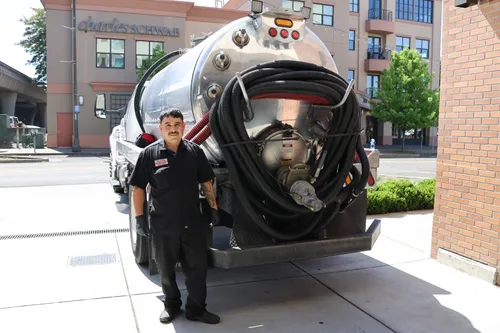
North Bay Restaurant Services
437 W 9th St, Santa Rosa, CA 95401
North Bay Restaurant Services in Santa Rosa, CA, has provided kitchen maintenance solutions for nearly 30 years. They serve Bay Area restaurants with services including NFPA-96 hood cleaning, grease trap pumping, interceptor maintenance, hydrojetting, and used cooking oil recycling. Their custom equipment and trained technicians help keep kitchens clean, compliant, and inspection-ready. The company supports a range of clients from neighborhood cafés to Michelin-starred restaurants, ensuring grease traps meet local FOG compliance standards.
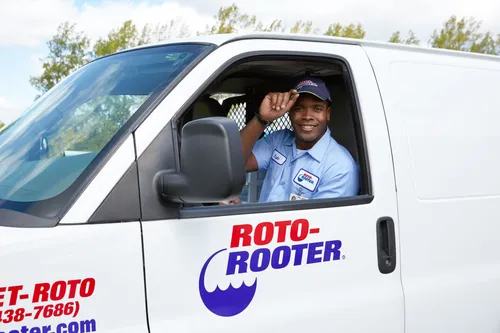
Roto-Rooter Plumbing & Water Cleanup
1160 Brickyard Cove Rd Ste 200-11, Richmond, CA 94801
Roto-Rooter Plumbing & Water Cleanup provides comprehensive residential and commercial plumbing services in Oakland, CA. They specialize in a wide range of plumbing solutions including grease trap cleaning, sewer and drain cleaning, water heater repair and installation, and emergency flood cleanup. Their team is skilled in handling complex plumbing systems and uses advanced equipment such as hydro-jetting for thorough drain cleaning. Roto-Rooter offers 24/7 availability for routine and emergency plumbing services throughout the year. They serve multiple communities in the Richmond area and have experience managing plumbing needs for both homes and large commercial clients.
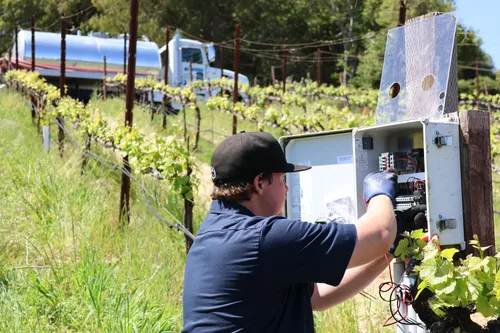
AllStarz Pumping & Engineering
437 W 9th St #C, Santa Rosa, CA 95401
AllStarz Pumping & Engineering is a family-owned business based in Santa Rosa, CA, serving Sonoma County with septic and wastewater solutions since 1996. They provide a range of services including grease trap cleaning, septic pumping, installations, repairs, inspections, and hydrojetting leach fields. Known for offering same-day and emergency septic services, AllStarz supports homeowners, wineries, and businesses with expert care and transparent communication. Their team is fully licensed, bonded, insured, and background-checked, ensuring professional and safe service.
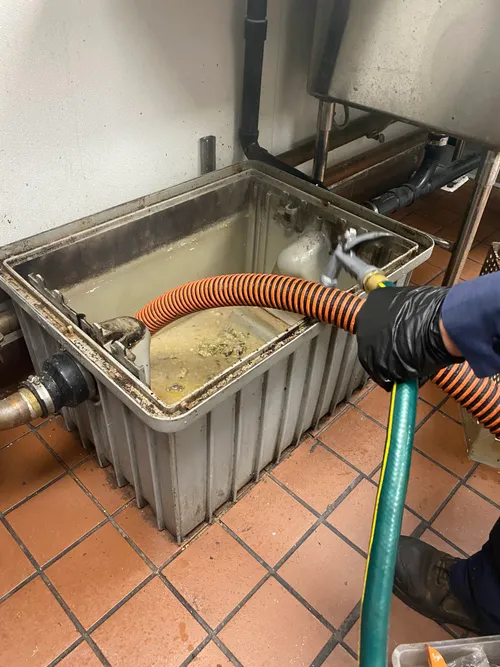
Clean World Grease Trap Service
Oakland, CA
Clean World Grease Trap Service is a company based in Oakland, CA, specializing in grease trap cleaning. They provide grease trap maintenance and cleaning services to local businesses. The company focuses on timely service to help maintain proper grease trap function.
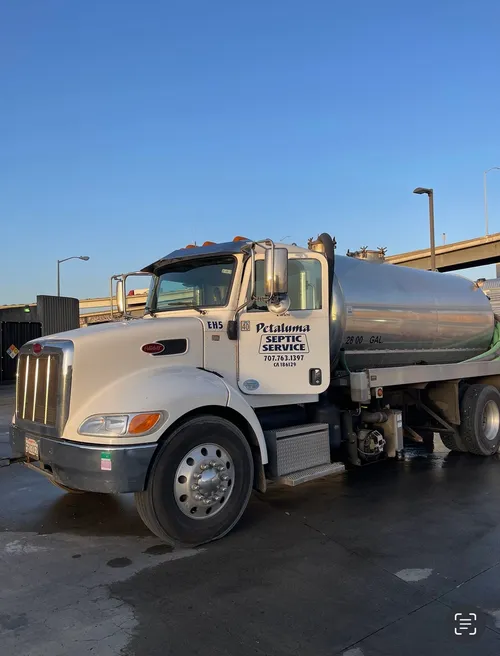
Environmental Pump Services
Petaluma, CA 94952
Environmental Pump Services is a family-owned company based in Petaluma, CA, specializing in grease trap cleaning, used cooking oil collection, septic tank pumping, and winery waste removal. Serving Sonoma, Marin, and Napa Counties, they focus on environmentally responsible disposal by recycling waste into alternative energy sources such as biodiesel and methane gas. Established in 2007, the company brings over 30 years of combined industry experience to its services.
Understanding Petaluma's FOG Management Requirements
Local regulations in Petaluma are designed to prevent sewer blockages and overflows, which can lead to environmental damage and significant public works expenses. The city's FOG program, typically administered by the Public Works or Wastewater Management Department, establishes clear rules for commercial kitchens. These rules mandate the installation of properly sized grease interceptors or traps and require a consistent schedule for their inspection and cleaning. Non-compliance isn't taken lightly; violations can result in warnings, substantial fines, increased sewer service charges, or even stop-work orders until the issue is resolved. Proactive management is far more cost-effective than reacting to a violation notice.
The cornerstone of compliance is often a local FOG ordinance. While specific code language should be verified directly with the city, these ordinances generally require facilities to minimize FOG discharge into sewers1. This includes ensuring grease control devices are correctly installed, easily accessible for service, and not located in food preparation areas unless specifically approved. Furthermore, practices like routing garbage disposals into a grease trap are typically prohibited, as they reduce the unit's effectiveness and lead to more frequent required service.
The Critical Role of Regular Grease Interceptor Maintenance
A grease interceptor works by slowing wastewater flow, allowing fats, oils, and grease to cool, solidify, and float to the top, while heavier solids settle at the bottom. Over time, this accumulated material fills the tank, reducing its capacity and efficiency. Once the trap is too full, grease-laden wastewater can bypass the system entirely, flowing directly into the sewer lines where it cools, hardens, and causes blockages.
Scheduled pumping removes this accumulated FOG and solids, restoring the trap to full working order. The frequency of cleaning is not arbitrary; it is often dictated by the city based on your establishment's FOG production, which is influenced by your menu and volume. A common requirement for many restaurants is quarterly (every three months) service, but some high-volume kitchens may need monthly cleanings. Adhering to this mandated schedule is the best way to demonstrate compliance and protect your plumbing.
Inspection Schedules and Enforcement Practices
City inspectors are responsible for ensuring compliance with the FOG program. Inspection schedules can vary, occurring quarterly, bi-annually, or based on a risk assessment of your facility. During an inspection, officials will typically check the physical condition of your grease trap, review your maintenance records, and ensure you have proper documentation from your service provider.
This is where meticulous record-keeping becomes essential. You should maintain a detailed log or file of all cleaning and maintenance activities. This includes service manifests or invoices from your pumping company, which should note the date, volume of waste removed, and the disposal method. Having these records readily available during an inspection streamlines the process and provides concrete proof of your compliance efforts 2.
What to Expect from Professional Grease Trap Service
A professional service involves more than just vacuuming out the contents. A reputable provider will perform a comprehensive service that includes a full pump-out of all liquid, FOG, and solid waste, a thorough inspection of the trap's components (like baffles and lids), and a high-pressure cleaning or jetting of the interior walls and inlet/outlet pipes. After cleaning, the trap should be refilled with clean water to the proper level to restore its operational efficiency immediately.
The technician should also provide you with a detailed service report or manifest. This document is a crucial piece of your compliance paperwork. It serves as legal proof that the collected grease was transported and disposed of properly at a licensed facility, such as a rendering plant or wastewater treatment center, in accordance with state and local regulations.
Find the perfect grease trap cleaning companies for your needs
Get personalized recommendations and expert advice
Factors Influencing Grease Trap Cleaning Costs
The cost for grease trap pumping in Petaluma is not a flat fee and can vary based on several key factors. Understanding these can help you budget accurately for this necessary expense.
- Trap Size and Capacity: The single biggest cost driver is the volume of your grease interceptor. A small under-sink grease trap will cost significantly less to service than a large, in-ground concrete interceptor holding hundreds or thousands of gallons3.
- Service Frequency: Regularly scheduled maintenance is almost always more affordable than emergency service. A trap that is severely overdue for cleaning will require more labor, time, and potentially specialized equipment to restore.
- Location and Accessibility: An outdoor trap with clear vehicle access is easier and quicker to service than an indoor trap located in a cramped basement, which may require longer hoses and more labor.
- Amount of Waste: The actual volume of FOG and solids removed impacts disposal costs for the service provider.
Given these variables, a typical pumping service for a standard commercial kitchen in the Petaluma area can range from $150 to over $500 per service4 5. It's always wise to get detailed estimates from local, licensed providers that outline what is included in the quoted price.
Building a Compliant and Sustainable Practice
Beyond mere compliance, effective FOG management aligns with the environmental values of the Sonoma County community. Properly maintained traps prevent pollutants from entering local waterways. Furthermore, the collected yellow grease is often recycled into valuable products like biodiesel, animal feed, and cosmetics, contributing to a circular economy6.
To ensure your practices are up-to-date, the most reliable step is to contact the City of Petaluma's Wastewater Management or Public Works Department directly. They can provide the official FOG ordinance, clarify inspection schedules, and recommend best practices. Additionally, the Sonoma County Department of Health Services can offer guidance on the health code aspects of grease trap installation and maintenance. Establishing a partnership with a knowledgeable local service provider is equally important, as they can help you navigate these requirements and keep your business running smoothly.
Frequently asked questions
Sources
Footnotes
-
Georgia Grease Ordinance: All County Fees & Deadlines - https://greaseconnections.com/georgia-grease-ordinance-fees-deadlines/ ↩
-
Grease Trap Service: FAQs - https://www.grandnaturalinc.com/grease-trap-cleaning/grease-trap-cleaning-faqs.html ↩
-
Grease Trap Inspection - InterNACHI® - https://www.nachi.org/grease-trap-inspection.htm ↩
-
California Health and Safety Code § 114201 (2024) - Justia Law - https://law.justia.com/codes/california/code-hsc/division-104/part-7/chapter-7/article-2/section-114201/ ↩
-
Essential Sacramento Grease Trap Maintenance Solutions - myshyft.com - https://www.myshyft.com/blog/grease-trap-cleaning-sacramento-california/ ↩
-
Restaurant Grease Trap Cleaning FAQs - Mahoney Environmental - https://www.mahoneyes.com/restaurant-grease-trap-cleaning-faqs/ ↩