Find the Best Grease Trap Cleaning Companies for Your Business
No obligation • Fast responses • Nationwide coverage

Why you can trust Restaurant Waste Disposal
Restaurant Waste Disposal is a leading U.S. resource for comparing restaurant composting, food-waste recycling, grease trap cleaning, and used cooking oil collection services. Our editorial team researches providers, checks credentials, and organizes unbiased information so operators can make informed decisions. Companies cannot pay to change ratings or placement.
Search providers near you
Top Grease Trap Cleaning Companies in San Francisco, California Ranked
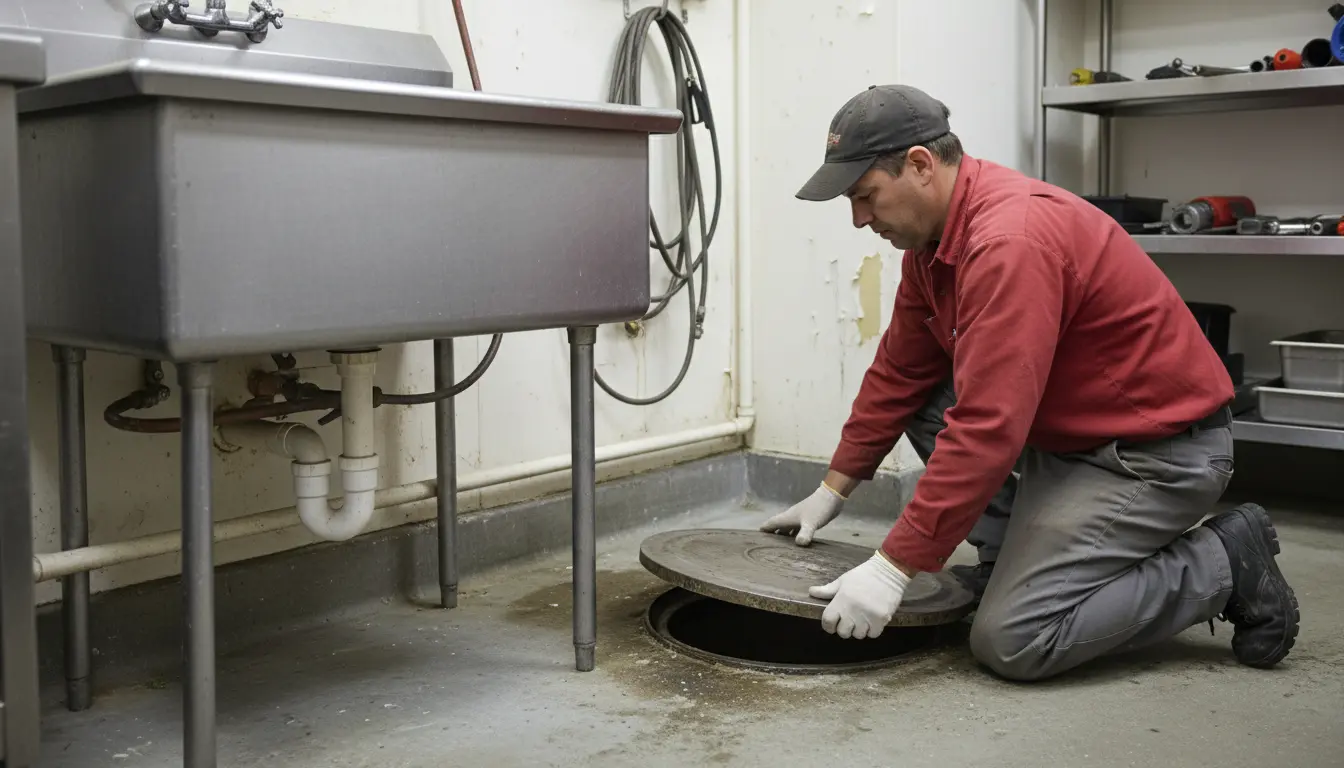
For any restaurant, commercial kitchen, or food service establishment in San Francisco, proper grease interceptor maintenance is not just a best practice-it's a legal requirement. The city's unique infrastructure and environmental standards are protected by the San Francisco Public Utilities Commission (SFPUC) Fats, Oils & Grease (FOG) Control Ordinance, which sets strict rules for grease trap and grease interceptor service. Effective management of these systems prevents costly sewer blockages, avoids significant penalties, and supports the city's broader wastewater treatment goals. This guide outlines the essential compliance rules, service schedules, and practical considerations for maintaining your grease management system in San Francisco.
Roto-Rooter Plumbing & Water Cleanup
1780 Whipple Rd Ste 203G, Union City, CA 94587
Roto-Rooter Plumbing & Water Cleanup provides comprehensive plumbing and water cleanup services in San Jose, CA. They serve both residential and commercial clients, offering a wide range of solutions including grease trap cleaning, sewer and drain cleaning, water heater repair and installation, and emergency flood services. The company uses advanced plumbing technology and equipment to handle complex plumbing systems and offers 24/7 emergency plumbing support to address urgent issues such as burst pipes and sewer backups. Roto-Rooter is licensed and insured, serving the local community with expertise and a commitment to compliance with local codes.
Caccia Home Services
1660 Gilbreth Rd, Burlingame, CA 94010
Caccia Home Services is a plumbing and home services provider based in San Mateo, CA. They offer a wide range of services including grease trap cleaning, hydro jetting, sewer line repair, water treatment, and emergency plumbing. Their capabilities include trenchless sewer services and installation and maintenance of water heaters, including tankless and heat pump models. The company also provides electrical services such as EV charger installation and lighting upgrades. Caccia Home Services is known to respond to emergency plumbing needs.
Roto-Rooter Plumbing & Water Cleanup
1130 N Broadway Ste 200C, Walnut Creek, CA 94596
Roto-Rooter Plumbing & Water Cleanup provides comprehensive plumbing services in Oakland, CA, covering residential and commercial needs. Their offerings include drain cleaning, sewer line repair and replacement, grease trap cleaning, water heater installation and repair, floodwater cleanup, and mold remediation. The company is equipped to handle complex commercial plumbing systems and offers specialized services such as hydro-jetting and trenchless sewer line repairs. Roto-Rooter serves the Oakland area and surrounding counties with 24/7 emergency plumbing availability to address urgent issues any time of day or night.
Roto-Rooter Plumbing & Water Cleanup
1070 Marina Village Pkwy UNIT 202, Alameda, CA 94501
Roto-Rooter Plumbing & Water Cleanup provides comprehensive plumbing and water cleanup services in Oakland, CA. They serve both residential and commercial clients with a wide range of solutions including sewer and drain cleaning, water heater repair and installation, grease trap maintenance, and floodwater cleanup. The company uses specialized equipment such as hydro-jetting for effective drain cleaning and sewer line maintenance. Roto-Rooter offers 24/7 emergency plumbing services to address urgent issues like burst pipes and sewer backups. They serve Alameda and surrounding counties, bringing extensive experience to local plumbing challenges.
Roto-Rooter Plumbing & Water Cleanup
300 Frank H. Ogawa Plaza STE 249, Oakland, CA 94612
Roto-Rooter Plumbing & Water Cleanup provides comprehensive plumbing and water damage cleanup services in San Francisco, CA. They serve both residential and commercial clients with a wide range of offerings including sewer and drain cleaning, water heater repair and installation, grease trap maintenance, and mold remediation. The company is equipped with advanced tools such as high-pressure water jetting (hydro-jetting) and offers 24/7 emergency plumbing services to address urgent issues like burst pipes, sewer backups, and clogged drains. Serving the Oakland area and surrounding communities, Roto-Rooter has extensive experience with local plumbing infrastructure and regulations.
Understanding San Francisco's FOG Control Ordinance
The cornerstone of local regulation is the SFPUC's FOG Control Program. This ordinance is designed to prevent grease-related sanitary sewer overflows (SSOs), which can damage public infrastructure and the environment. All food service establishments that discharge wastewater are subject to these rules, which mandate the installation, maintenance, and regular cleaning of approved grease removal devices.
Key enforcement agencies include the SFPUC and the San Francisco Department of Public Works, which conduct inspections to ensure compliance 1. Non-compliance can result in immediate corrective orders, substantial fines, and citations, especially if a blockage or sewer backup occurs. Proactive maintenance is therefore the most reliable strategy for restaurant operators.
The 25% Rule and Mandatory Cleaning Frequency
San Francisco regulations specify both a performance standard and a minimum schedule for grease interceptor pumping.
- The 25% Rule: The primary requirement is that a grease trap must be cleaned when the combined accumulation of fats, oils, grease (FOG), and solids reaches 25% of the liquid depth of the trap 2. This is a critical measurement that prevents grease from escaping into the sewer line.
- 90-Day Minimum: If the 25% threshold is not met sooner, the trap must be pumped at a minimum frequency of every 90 days (quarterly) 3. However, this is an absolute baseline.
- SFPUC-Determined Schedules: The SFPUC has the authority to set more frequent cleaning schedules based on a facility's specific conditions, such as its grease production volume. For high-volume kitchens like diners or fast-food restaurants, required service intervals can be as short as 30 days or even bi-weekly 4.
Factors Influencing Your Service Schedule
Your specific cleaning schedule depends on several operational factors. Understanding these will help you stay compliant and avoid emergencies.
- Kitchen Volume and Menu: Establishments with high-volume frying, meat cooking, or dairy processing generate more FOG and require more frequent service.
- Trap Size and Type: Smaller in-kitchen grease traps fill faster than large, underground grease interceptors. Automated Grease Removal Devices (AGRs) may have different maintenance protocols.
- Best Practice Monitoring: While adhering to the 90-day rule is mandatory, many providers recommend checking traps monthly. Proactive monitoring between professional services helps identify issues early and ensures the 25% rule is never breached unexpectedly.
Costs for Grease Trap Pumping Services
Investing in regular professional cleaning is far less costly than dealing with fines or emergency blockages. In San Francisco, service pricing is influenced by local regulations, labor rates, and service scope.
- Standard Pumping Service: For a routine pump-out of a standard-sized trap, costs typically range from $120 to $385 per service. Many providers offer this service bundled with used cooking oil collection.
- Scheduled Maintenance Programs: Enrolling in a regular quarterly or monthly program often provides better value and priority service, with prices generally ranging from $250 to $400 per scheduled cleaning 5.
- Emergency Service: Responding to a clogged or overflowing trap is labor-intensive and time-sensitive. Emergency call-outs can cost significantly more, potentially ranging from $800 to $1,200 or more 6 7.
- Key Cost Factors:
- Trap Size and Location: Larger traps or those in difficult-to-access areas cost more.
- Service Frequency: More frequent service may lower the per-visit cost in a contract.
- Disposal and Transportation: Costs for proper wastewater disposal at approved facilities are factored in.
Find the perfect grease trap cleaning companies for your needs
Get personalized recommendations and expert advice
Choosing a Service Provider in San Francisco
Selecting a reliable grease trap cleaning company is a crucial business decision. Look for providers with specific experience navigating San Francisco's SFPUC regulations.
- Local Compliance Knowledge: Ensure the provider is thoroughly familiar with the SFPUC FOG Ordinance, inspection protocols, and reporting requirements. They should be able to guide you on your legally mandated schedule.
- Certifications and Insurance: Verify that the company is fully licensed, insured, and employs certified technicians. Proper disposal documentation is essential for your records.
- Service Transparency: A reputable provider will offer clear, written quotes, explain their cleaning process, and provide detailed service reports after each visit. These reports are vital proof of compliance during inspections.
- Preventive Advice: The best partners offer guidance on best practices for kitchen staff to minimize FOG discharge, such as proper scraping and dry-wiping practices.
Consequences of Non-Compliance
Failing to maintain your grease management system has serious repercussions in San Francisco.
- Fines and Penalties: The SFPUC and Public Works can issue significant fines for violations of the FOG Ordinance 8.
- Sewer Blockages and Backups: If your grease discharge causes a blockage in the public sewer, you can be held liable for all cleanup costs, city labor, and any property damage incurred 9 10.
- Business Disruption: An emergency grease trap failure or a mandated immediate cleanup order can force a kitchen to close temporarily, resulting in lost revenue.
- Enforcement Actions: Chronic non-compliance can lead to more severe enforcement actions, including mandatory installation of more expensive pretreatment equipment.
Best Practices for Restaurant Operators
Beyond scheduling professional pump-outs, kitchen operations play a direct role in grease trap performance.
- Train Staff: Educate all kitchen employees on what should never go down the drain: grease, oils, food scraps, coffee grounds, and dairy products.
- Implement Dry Cleanup: Scrape food scraps into compost or trash before washing. Use strainers in sinks.
- Ensure Access: Keep the grease trap lid and area clear and accessible at all times for cleaning and inspection 11.
- Maintain Records: Keep a detailed log of all cleaning and maintenance services, including dates, provider names, and receipts. This log is your first line of defense during an inspection.
Staying ahead of grease interceptor maintenance is a non-negotiable aspect of responsible restaurant ownership in San Francisco. By understanding the local "25% rule," partnering with a knowledgeable service provider, and implementing proactive kitchen practices, you can ensure compliance, protect your business from costly disruptions, and contribute to the health of the city's sewer system.
Frequently asked questions
Sources
Footnotes
-
Grease Trap Cleaning Guide: 25% Rule, Schedule & Compliance - https://greaseconnections.com/how-to-clean-a-grease-trap-and-how-often-you-should/ ↩
-
California Health and Safety Code § 114201 (2024) - Justia Law - https://law.justia.com/codes/california/code-hsc/division-104/part-7/chapter-7/article-2/section-114201/ ↩
-
Grease Trap Cleaning in San Francisco: What Restaurants Need to ... - http://northbayrestaurantservices.com/grease-trap-cleaning-in-san-francisco-what-restaurants-need-to-know/ ↩
-
Chapter 18.08 GREASE TRAPS - General Code - https://www.codepublishing.com/CA/PacificGrove/html/PacificGrove18/PacificGrove1808.html ↩
-
Grease Trap Pumping San Francisco - North Bay Restaurant Services - https://northbayrestaurantservices.com/grease-trap-pumping-san-francisco/ ↩
-
Ultimate Grease Trap Pumping Cost Guide: Essential Money-Saving ... - https://www.texwaywastewater.com/grease-trap-pumping-cost/ ↩
-
Grease Trap Cleaning Prices | Guide on the Industry Average - https://grease-cycle.com/grease-trap-pumping-cost/ ↩
-
12.20.220. Grease trap requirements. - https://codelibrary.amlegal.com/codes/fullerton/latest/fullerton_ca/0-0-0-18563 ↩
-
Fats, Oils & Grease (FOG) Control - https://www.sfpuc.gov/programs/pretreatment-program/fats-oils-grease-fog-control ↩
-
San Francisco Cracks Down on FOG Control in Food Service ... - https://www.greaseguardianusa.com/2024/06/04/san-francisco-fog-control-in-food-service-establishments/ ↩
-
San Francisco Grease Trap Cleaning: Facilities Maintenance Blueprint - https://www.myshyft.com/blog/grease-trap-cleaning-san-francisco-california/ ↩