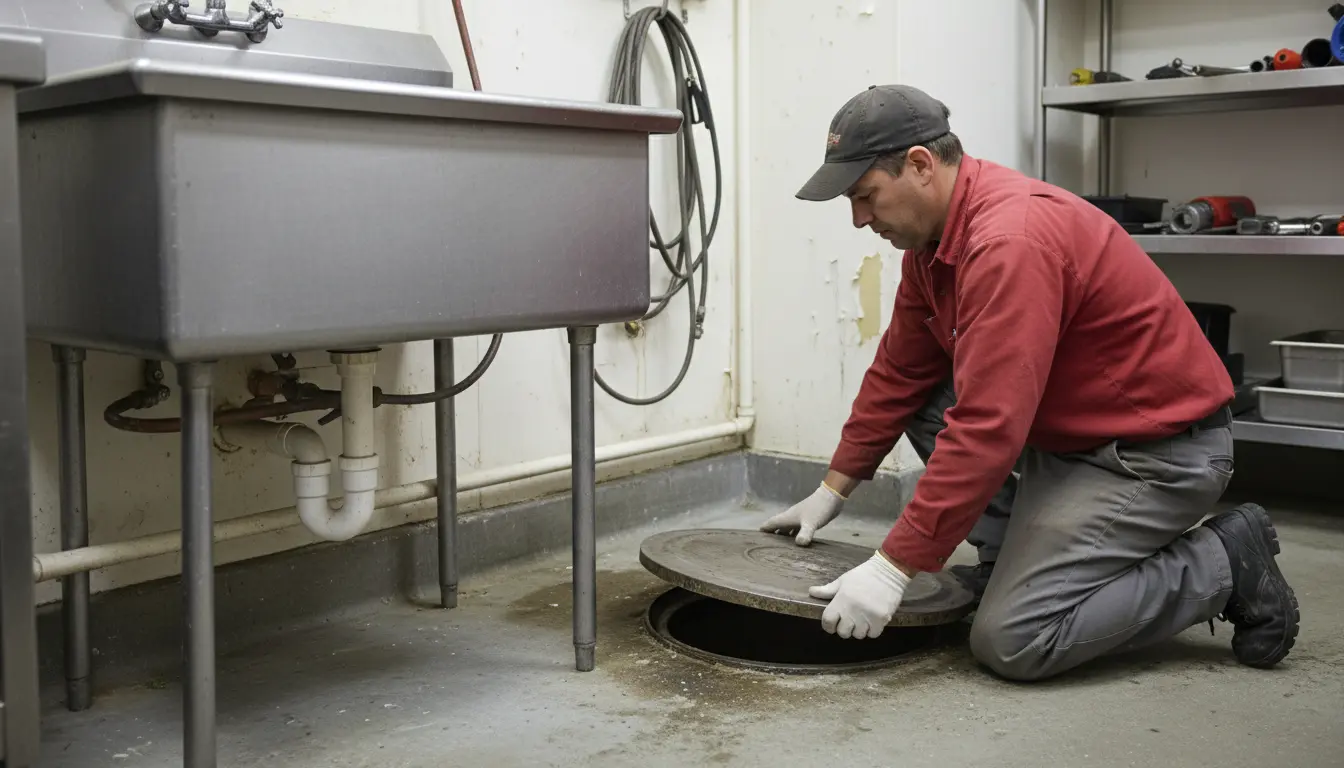
Find the Best Grease Trap Cleaning Companies for Your Business
No obligation • Fast responses • Nationwide coverage

Why you can trust Restaurant Waste Disposal
Restaurant Waste Disposal is a leading U.S. resource for comparing restaurant composting, food-waste recycling, grease trap cleaning, and used cooking oil collection services. Our editorial team researches providers, checks credentials, and organizes unbiased information so operators can make informed decisions. Companies cannot pay to change ratings or placement.
Search providers near you
Top Grease Trap Cleaning Companies in Perris, California Ranked
For any restaurant or food service establishment in Perris, maintaining a clean and compliant grease trap or interceptor is a non-negotiable part of daily operations. These systems are the first line of defense in preventing fats, oils, and grease (FOG) from entering the municipal sewer system, where they can cause costly blockages, backups, and environmental damage. Local codes, enforced by the City of Perris and relevant sanitation districts, mandate strict maintenance schedules and record-keeping. Understanding these requirements is key to avoiding significant fines, emergency service fees, and potential operational disruptions. This guide outlines the essential information for managing your grease interceptor service in Perris, from regulatory compliance to practical maintenance.
Roto-Rooter Plumbing & Water Cleanup
3579 Arlington Ave #800, Riverside, CA 92506
Roto-Rooter Plumbing & Water Cleanup provides a wide range of plumbing and water cleanup services in Riverside, CA. They handle everything from routine maintenance and repairs to complex commercial plumbing needs, including grease trap cleaning, sewer line repair, and water damage cleanup. Their team is experienced with local plumbing challenges and building codes, serving both residential and commercial clients. Roto-Rooter offers 24/7 emergency plumbing services to address urgent issues such as burst pipes, sewer backups, and clogged drains. They also specialize in hydro-jetting and use advanced technology for sewer inspections and pipe replacement. With a history dating back to the invention of the electric drain snake in 1935, Roto-Rooter continues to apply innovative solutions to plumbing problems.
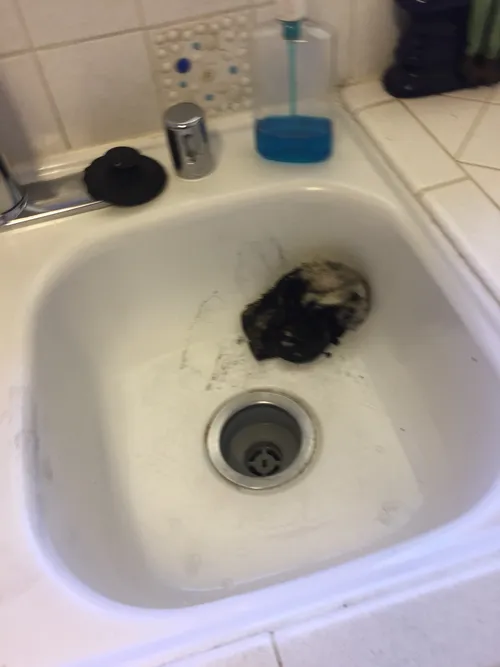
Drainman Cleaning
Perris, CA
Drainman Cleaning is a grease trap cleaning company based in Perris, CA. They specialize in maintaining and cleaning grease traps to help businesses manage waste effectively and comply with local regulations.

Roto-Rooter Plumbing & Water Cleanup
25014 Las Brisas Rd, Murrieta, CA 92562
Roto-Rooter Plumbing & Water Cleanup has been serving Murrieta, CA, and surrounding areas since 1935. They provide a full range of plumbing services including residential and commercial plumbing, drain cleaning, grease trap pumping, septic tank maintenance, and water cleanup. The company offers same-day and emergency services 24/7, including holidays, with no weekend fees and clear pricing policies. Their team is experienced in handling local plumbing systems and regulations, ensuring compliant and effective solutions.
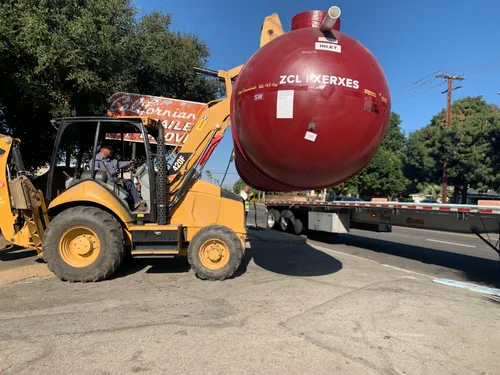
California Pumping & Sanitation, Inc
1057 S Washington Ave, San Bernardino, CA 92408
California Pumping & Sanitation, Inc is a septic and sanitation service provider based in Los Angeles, CA. Serving Southern California, they offer a wide range of services including septic tank pumping, grease trap cleaning, septic system construction, repairs, and maintenance for residential, commercial, and industrial clients. The company employs advanced technologies such as hydrojetting drain cleaning and septic tank camera inspections to ensure effective service delivery. With over 35 years of experience, California Pumping & Sanitation is licensed, bonded, and insured, providing 24/7 emergency support to its customers.
Grease Co of San Bernardino
1798 5th St, San Bernardino, CA 92411
Grease Co of San Bernardino provides grease trap cleaning, interceptor pumping, and used cooking oil collection services for food service establishments in Los Angeles, CA. Serving San Bernardino and Riverside counties, the company offers comprehensive grease waste management solutions including hydro jetting, grease trap repair, and spill cleanup. With nearly two decades of experience, they are licensed by the California Department of Food & Agriculture and provide 24/7 support to address urgent plumbing needs. Their used cooking oil collection service recycles waste oil into biodiesel, promoting sustainability and regulatory compliance.
Understanding Local Grease Trap Regulations
In Perris, grease trap maintenance isn't just a good practice-it's the law. Regulations are designed to protect the public sewer infrastructure from FOG-related blockages, which can lead to sanitary sewer overflows (SSOs). The specific rules often reference state health codes and are enforced locally 1. A core principle in California, including Perris, is the "25% rule": grease traps and interceptors must be pumped out and cleaned before the combined FOG and settled solids accumulate to 25% of the trap's liquid depth 2 3. Allowing accumulation beyond this point drastically reduces the unit's efficiency and is a common violation during inspections.
Restaurants are required to keep detailed service records, often called manifests or pump-out logs, provided by their licensed grease trap cleaning company. These documents must be available for review by inspectors from the local enforcement agency, which could be the city's public works department or a regional entity like the Union Sanitary District, which promotes Best Management Practices (BMPs) for pollution prevention. Failure to maintain these records or to have the trap serviced according to the mandated schedule can result in warnings, substantial fines, and even orders to cease operations until the issue is resolved.
Determining Your Service Frequency
How often you need grease interceptor pumping depends entirely on your establishment's volume and type of food service. While the maximum interval is typically every six months, many busy Perris restaurants find they require service every one to three months to stay compliant with the 25% rule 4 5. High-volume kitchens, those serving particularly greasy cuisine, or establishments with garbage disposals will generate FOG more quickly and need more frequent attention.
The only reliable way to determine your optimal pumping schedule is through regular measurement. During each service, a professional should measure and record the depth of FOG and solids. Tracking this data over time allows you to predict when the 25% threshold will be reached and schedule service proactively. This is far better than a reactive approach, which often leads to emergency calls, compliance issues, and higher costs. Establishing a regular, preventative maintenance plan with a reliable service provider is the most effective strategy for seamless compliance 6.
Sizing and Installation Standards
Proper grease interceptor sizing is critical for both performance and code compliance. Sizing is based on factors like the number and type of plumbing fixtures (sinks, dishwashers, floor drains), the nature of the food being prepared, and whether a garbage disposal is used. For a typical sit-down restaurant in California, grease interceptors commonly range from 750 to 1,500 gallons in capacity. An undersized trap will require impractically frequent pumping, while an oversized unit may not function as intended.
Local codes also specify installation requirements for accessibility and safety. Grease traps must be easily accessible for cleaning, inspection, and pumping without obstructing business operations. They are generally not permitted in food preparation areas unless specifically approved, due to health and safety concerns 7. If you are opening a new restaurant or renovating your kitchen in Perris, it is essential to consult with a licensed plumber and your local building department to ensure your grease interceptor system meets all current installation standards.
Find the perfect grease trap cleaning companies for your needs
Get personalized recommendations and expert advice
The Inspection Process and Best Management Practices (BMPs)
Routine inspections are a standard part of operating a food service business in Perris. Inspectors will check for several key items: the physical condition and accessibility of the grease trap, the presence and accuracy of up-to-date cleaning manifests, and evidence that staff are following established Best Management Practices. BMPs are a set of operational procedures that minimize FOG entering the drain system. Key BMPs include:
- Scraping plates and cookware into the trash before washing.
- Using sink strainers to catch food solids.
- Avoiding pouring grease down any drain; instead, collecting it in containers for proper disposal or recycling.
- Training all kitchen staff on these practices and posting reminders in the dishwashing area. Implementing a strong BMP program not only keeps your grease trap cleaner for longer, reducing service frequency, but it also demonstrates a good-faith effort to comply with regulations during an inspection 8.
Cost Factors for Grease Trap Pumping in Perris
The cost for professional grease trap cleaning in Perris varies based on several factors. For a standard indoor grease trap pump-out, restaurants can generally expect a price range between $175 and $475 per service 9 10. The final cost is influenced by:
- Trap Size and Location: Larger interceptors (e.g., 1,000-1,500 gallons) cost more to pump than smaller under-sink units. Easily accessible traps are less expensive to service than those in confined or obstructed spaces.
- Level of Accumulation: A well-maintained trap pumped on schedule is quicker to service than one that is severely clogged or overdue.
- Service Frequency: Many companies offer discounted rates for customers who sign up for regular, scheduled service contracts.
- Emergency vs. Scheduled Service: An emergency call for a clogged or overflowing trap, often needed after-hours or on weekends, will incur a premium service charge, potentially doubling the standard cost 11. Proactive, scheduled maintenance is always the most cost-effective approach.
Finding a Licensed Service Provider
When searching for a grease trap cleaning service in Perris, it's important to choose a licensed, insured, and reputable provider. Look for companies that specifically service Riverside County and are familiar with the City of Perris's local amendments to the state plumbing code. A qualified provider will do more than just pump out the waste; they will provide you with the necessary documentation (detailed manifests), advise on optimal service frequency, and can often assist with used cooking oil collection as a complementary service 12 13. They should be able to clearly explain local requirements and help you develop a maintenance plan that keeps your kitchen running smoothly and in full compliance.
Frequently asked questions
Sources
Footnotes
-
California Health and Safety Code § 114201 (2024) - Justia Law - https://law.justia.com/codes/california/code-hsc/division-104/part-7/chapter-7/article-2/section-114201/ ↩
-
12.20.220. Grease trap requirements. - https://codelibrary.amlegal.com/codes/fullerton/latest/fullerton_ca/0-0-0-18563 ↩
-
Grease Trap Cleaning For California Restaurants - Caccia Plumbing - https://cacciaplumbing.com/blog/grease-trap-cleaning-california-restaurants/ ↩
-
Trap pumping - https://phoenixpumping.com/grease-trap-maintenance/ ↩
-
How to Clean a Grease Trap (and How Often You Should) - https://greaseconnections.com/how-to-clean-a-grease-trap-and-how-often-you-should/ ↩
-
The Ultimate Guide to Restaurant Grease Trap Cleaning - https://mokherplumbing.com/ultimate-guide-restaurant-grease-trap-cleaning/ ↩
-
Chapter 18.08 GREASE TRAPS - General Code - https://www.codepublishing.com/CA/PacificGrove/html/PacificGrove18/PacificGrove1808.html ↩
-
Restaurant Pollution Prevention - Union Sanitary District - CA.gov - https://unionsanitary.ca.gov/businesses/restaurant-program/restaurant-pollution-prevention/ ↩
-
Ultimate Grease Trap Pumping Cost Guide: Essential Money ... - https://www.texwaywastewater.com/grease-trap-pumping-cost/ ↩
-
Restaurant Grease Trap & Interceptor Cleaning Cost - https://greasemanagement.org/pricing.html ↩
-
Grease Trap Cleaning Prices | Guide on the Industry Average - https://grease-cycle.com/grease-trap-pumping-cost/ ↩
-
Grease Trap Cleaning | Cooking Oil Collection | Plumbing Services - https://thegreasecompany.com/services.html ↩
-
Grease Trap Cleaning in Perris CA | Grease Interceptor Pumping - https://greasetrapcleaninghemet.com/perris-ca.html ↩