Find the Best Grease Trap Cleaning Companies for Your Business
No obligation • Fast responses • Nationwide coverage

Why you can trust Restaurant Waste Disposal
Restaurant Waste Disposal is a leading U.S. resource for comparing restaurant composting, food-waste recycling, grease trap cleaning, and used cooking oil collection services. Our editorial team researches providers, checks credentials, and organizes unbiased information so operators can make informed decisions. Companies cannot pay to change ratings or placement.
Search providers near you
Top Grease Trap Cleaning Companies in Fontana, California Ranked
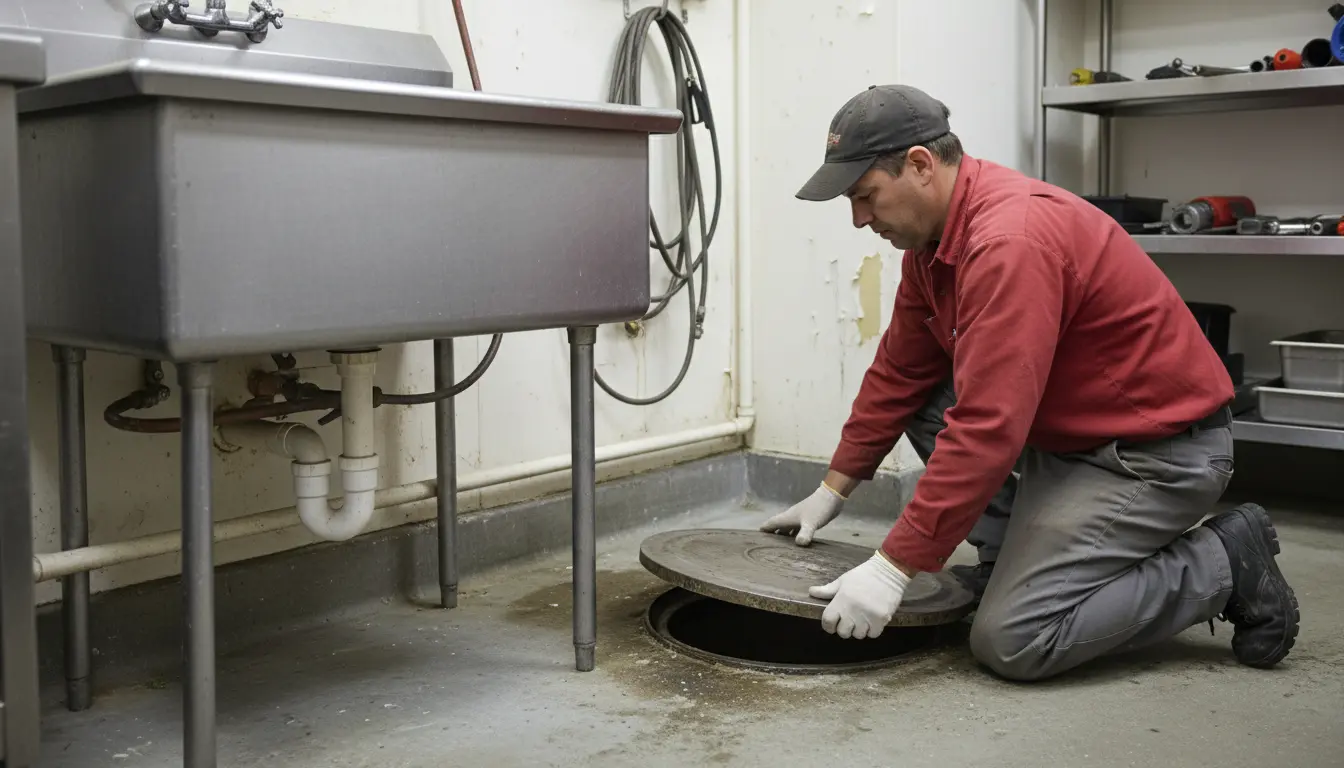
For any restaurant or food service business in Fontana, maintaining a clean and compliant grease trap or interceptor is a non-negotiable part of daily operations. These essential systems capture fats, oils, and grease (FOG) before they enter the public sewer, protecting the city's infrastructure from costly blockages and environmental damage. Strict local ordinances and state health codes mandate regular cleaning and detailed record-keeping, with significant penalties for non-compliance. Proactive, scheduled maintenance isn't just about following the law-it's a smart business practice that prevents disruptive emergencies, avoids hefty fines, and ensures your establishment runs smoothly.
Roto-Rooter Plumbing & Water Cleanup
1131 W 6th St Ste 209, Ontario, CA 91762
Roto-Rooter Plumbing & Water Cleanup provides a wide range of plumbing services in Anaheim, CA, including residential and commercial plumbing, floodwater cleanup, mold remediation, sewer and drain cleaning, and grease trap maintenance. The company is equipped to handle everything from routine repairs to complex installations and uses advanced technologies such as hydro jetting and no-dig pipe replacement to address sewer line issues efficiently. Roto-Rooter offers 24/7 emergency plumbing services to quickly respond to urgent problems like burst pipes, sewer backups, and water heater repairs. Serving Anaheim and surrounding communities, Roto-Rooter combines national expertise with local knowledge to meet diverse plumbing needs.
Roto-Rooter Plumbing & Water Cleanup
3579 Arlington Ave #800, Riverside, CA 92506
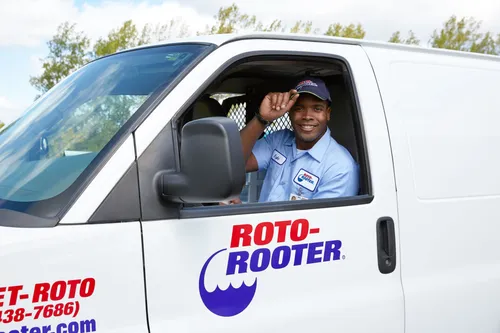
Roto-Rooter Plumbing & Water Cleanup provides a wide range of plumbing and water cleanup services in Riverside, CA. They handle everything from routine maintenance and repairs to complex commercial plumbing needs, including grease trap cleaning, sewer line repair, and water damage cleanup. Their team is experienced with local plumbing challenges and building codes, serving both residential and commercial clients. Roto-Rooter offers 24/7 emergency plumbing services to address urgent issues such as burst pipes, sewer backups, and clogged drains. They also specialize in hydro-jetting and use advanced technology for sewer inspections and pipe replacement. With a history dating back to the invention of the electric drain snake in 1935, Roto-Rooter continues to apply innovative solutions to plumbing problems.
Roto-Rooter Plumbing & Water Cleanup
3188 E La Palma Ave Ste 1, Anaheim, CA 92806
Roto-Rooter Plumbing & Water Cleanup provides comprehensive plumbing and water cleanup services in Los Angeles, CA. They offer a wide range of solutions including grease trap cleaning, sewer and drain cleaning, water extraction, mold remediation, and water heater repairs. The company uses advanced tools such as HD inspection cameras and hydro-jetting equipment to address plumbing challenges efficiently. Established in 1935, Roto-Rooter has a long history of innovation in drain cleaning. They also provide 24/7 emergency plumbing services to handle urgent issues like burst pipes and sewer backups.
Roto-Rooter Plumbing & Water Cleanup
9631 Business Center Dr Ste L-14, Rancho Cucamonga, CA 91730
Roto-Rooter Plumbing & Water Cleanup provides comprehensive plumbing services in San Bernardino, CA, specializing in both residential and commercial plumbing solutions. Their offerings include drain cleaning, sewer line repair, water heater services, grease trap maintenance, and emergency water damage cleanup. The company uses advanced technology such as high-definition inspection cameras and hydro-jetting to address plumbing issues efficiently. Founded in 1935, Roto-Rooter continues to build on its long history of innovation in plumbing services. They offer 24/7 emergency availability to handle urgent plumbing problems at any time.
Alpha Omega Plumbing & Septic Services
11755 Santa Fe Ave E, Hesperia, CA 92345
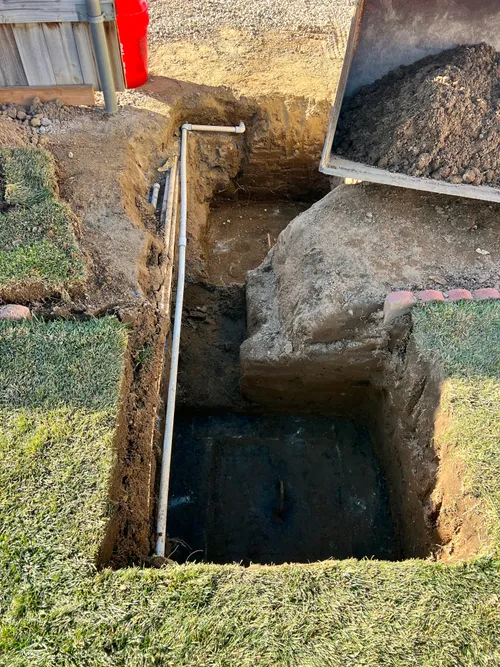
Alpha Omega Plumbing & Septic Services has been providing plumbing and septic solutions in Victorville, CA, and the entire High Desert area since 1984. They offer a range of services including grease trap cleaning, septic tank maintenance, installation, and repair of septic systems such as leach lines and seepage pits. The company emphasizes environmentally safe work practices and maintains a professional appearance with uniformed staff and well-kept vehicles.
Understanding Fontana's Grease Trap Regulations
Fontana's wastewater management rules are designed to prevent sewer system overflows and protect public health. Compliance starts with understanding the specific requirements outlined in the Fontana Municipal Code and referenced state laws.
Key Local and State Codes: The primary regulatory framework comes from the Fontana Municipal Code Chapter 23, which governs industrial wastewater. This is supplemented by the California Health and Safety Code Section 114201, which sets statewide standards for grease interceptors in food facilities. 1 These regulations work together to ensure all food service establishments have properly sized, accessible, and well-maintained grease control devices.
Enforcement and Inspections: The City of Fontana, or its designee, typically conducts inspections of grease traps and interceptors on a bi-annual (twice-yearly) schedule. During these inspections, officials will check the physical condition of the unit and, crucially, review your maintenance records. Failure to provide proof of regular servicing can result in a violation notice, even if the trap appears functional at that moment.
Sizing and Installation Requirements
Getting the size and design of your grease interceptor right from the start is critical. An undersized unit will require impractically frequent cleaning, while improper installation can lead to service difficulties and code violations.
- Capacity Rules: Regulations are particularly stringent for high-volume operations. Food processing facilities within the city are required to have interceptors with a minimum capacity of 750 gallons. For standard restaurants, the required size is determined by factors like fixture count and flow rate, and must be approved by the city. A common design requirement is that units have two or more compartments to improve separation efficiency. 2
- Accessibility and Design: California law mandates that grease traps be "easily accessible for servicing." 3 They must be located away from food handling areas, be structurally sound and watertight to prevent leaks into the soil or groundwater, and have adequate clearance for service vehicles and hoses. 4 3 Proper installation ensures that routine grease interceptor cleaning is a straightforward process, not a major logistical challenge.
The Critical 25% Rule and Pumping Frequency
One of the most important operational rules for Fontana businesses is the "25% rule." This is not a suggestion, but a standard enforcement benchmark.
- What is the 25% Rule? Fontana's regulations require that grease traps and interceptors be pumped out when the combined depth of accumulated FOG and settled solids reaches 25% of the total liquid depth of the unit. 5 Allowing waste to exceed this level drastically reduces the trap's effectiveness, allowing grease to pass through into the sewer lines.
- Determining Your Schedule: While the absolute minimum service interval may not be less than every six months, most busy Fontana restaurants find that their interceptors reach the 25% threshold much faster. A typical pumping schedule for an active kitchen ranges from every 1 to 3 months. 6 The only reliable way to know your ideal schedule is to have your service provider measure and report the FOG/solids level during each cleaning. Basing service on actual usage and accumulation, rather than a calendar guess, is the best way to ensure consistent compliance.
Costs of Grease Trap Maintenance in Fontana
The cost of grease trap pumping in Fontana varies significantly based on the size of the unit, its condition, and whether the service is scheduled or an emergency.
- Routine Pumping: For a standard, well-maintained indoor grease trap that is serviced on a regular schedule, business owners can expect costs to range from approximately $175 to $475 per service. Preventative maintenance contracts often fall within the $250 to $400 range per service call.
- Emergency and Remediation Costs: Neglecting regular service leads to much higher expenses. A severely clogged or neglected interceptor that requires emergency service, possible jetting, or extra labor can cost between $800 and $1,200 or more to restore to proper function. 7 8 This stark price difference highlights the financial wisdom of proactive maintenance.
Find the perfect grease trap cleaning companies for your needs
Get personalized recommendations and expert advice
Consequences of Non-Compliance
Failing to adhere to Fontana's grease trap regulations carries serious consequences that can threaten your business's viability. Enforcement actions are progressive and can escalate quickly.
- Financial Penalties: Initial violations typically result in substantial fines. These fines are designed to compel immediate action and cover the city's costs for enforcement and potential sewer remediation.
- Operational Disruption: In cases of severe or repeated violations, the city has the authority to issue a cease-and-desist order, effectively shutting down your business until the grease trap is brought into full compliance and any required cleaning or repairs are verified. 9
- Legal Repercussions: In extreme cases of negligence that lead to sewer blockages or environmental damage, business owners can face criminal charges. 10 Beyond legal trouble, the reputational damage from being cited for a public health or environmental violation can be long-lasting.
Best Practices for Fontana Restaurant Owners
Staying compliant and avoiding headaches involves more than just calling for service when you remember. Implementing a systematic approach is key.
- Establish a Proactive Schedule: Partner with a licensed service provider to determine your optimal pumping frequency based on your kitchen's volume. Stick to this schedule religiously.
- Maintain Impeccable Records: Keep a detailed log of every service. Records should include the date, the company name, the volume of waste removed, and the observed depth of FOG and solids before and after pumping. This log is your first line of defense during an inspection.
- Train Your Staff: Educate kitchen staff on best practices for minimizing grease discharge. This includes scraping plates into trash bins before washing, using sink strainers, and avoiding pouring any fats or oils down the drain.
- Inspect Between Services: Perform quick visual checks of your grease trap's accessible parts between professional cleanings. Look for signs of slow drainage, which can indicate a nearing capacity issue.
By viewing grease trap maintenance as a critical, scheduled component of your restaurant's operations-similar to hood cleaning or equipment servicing-you protect your investment, your reputation, and Fontana's community infrastructure.
Frequently asked questions
Sources
Footnotes
-
CITY OF FONTANA, CALIFORNIA - https://www.fontanaca.gov/DocumentCenter/View/45393 ↩
-
Grease Trap Cleaning For California Restaurants - https://cacciaplumbing.com/blog/grease-trap-cleaning-california-restaurants/ ↩
-
California Health and Safety Code § 114201 (2024) - Justia Law - https://law.justia.com/codes/california/code-hsc/division-104/part-7/chapter-7/article-2/section-114201/ ↩ ↩2
-
INDUSTRIAL WASTEWATER PERMIT APPLICATION - Fontana, CA - https://www.fontanaca.gov/DocumentCenter/View/2086 ↩
-
12.20.220. Grease trap requirements. - https://codelibrary.amlegal.com/codes/fullerton/latest/fullerton_ca/0-0-0-18563 ↩
-
Septic Pumping and Grease Traps in Restaurants - https://bhcameron.com/2024/07/septic-pumping-and-grease-traps-in-restaurants/ ↩
-
Ultimate Grease Trap Pumping Cost Guide: Essential Money-Saving ... - https://www.texwaywastewater.com/grease-trap-pumping-cost/ ↩
-
Restaurant Grease Trap & Interceptor Cleaning Cost - https://greasemanagement.org/pricing.html ↩
-
Grease Trap Regulations and Compliance: What You Need to ... - https://www.texwaywastewater.com/grease-trap-regulations-and-compliance/ ↩
-
Chapter 18.08 GREASE TRAPS - https://www.codepublishing.com/CA/PacificGrove/html/PacificGrove18/PacificGrove1808.html ↩