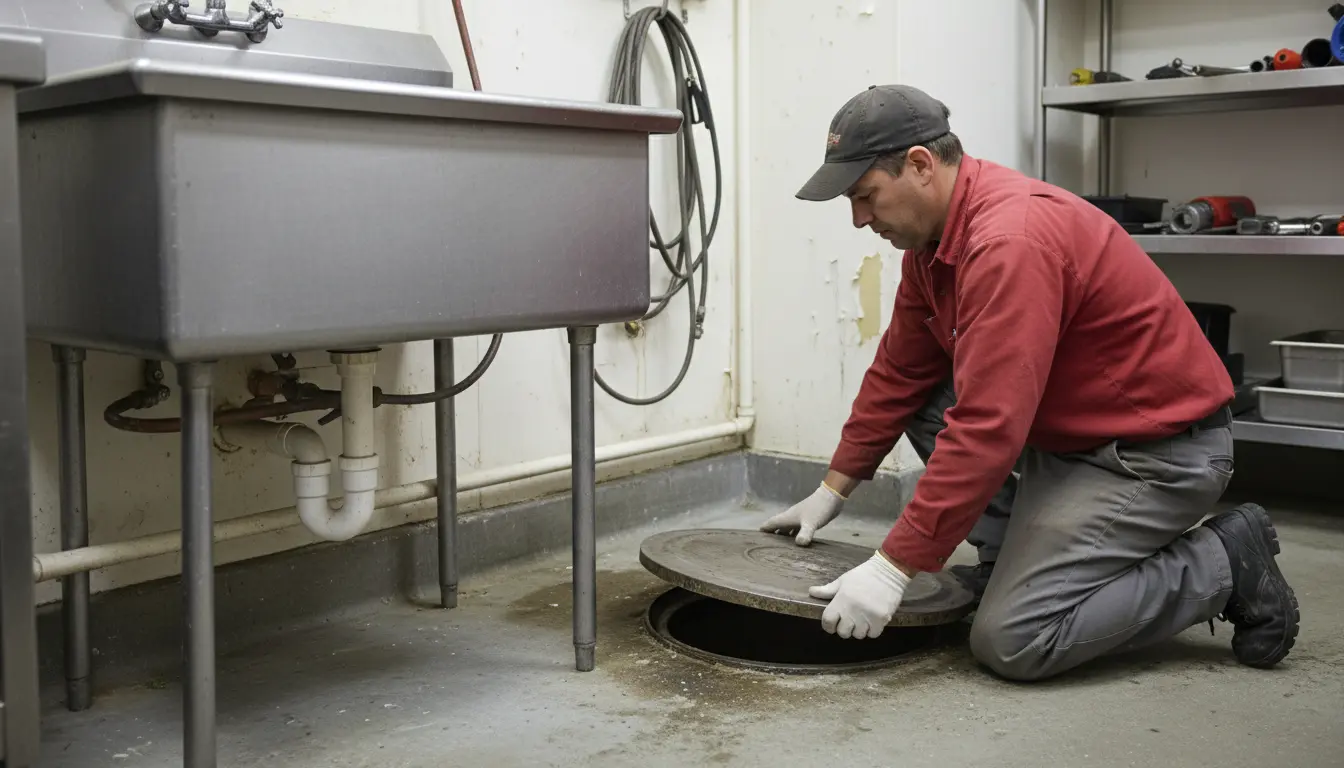
Find the Best Grease Trap Cleaning Companies for Your Business
No obligation • Fast responses • Nationwide coverage

Why you can trust Restaurant Waste Disposal
Restaurant Waste Disposal is a leading U.S. resource for comparing restaurant composting, food-waste recycling, grease trap cleaning, and used cooking oil collection services. Our editorial team researches providers, checks credentials, and organizes unbiased information so operators can make informed decisions. Companies cannot pay to change ratings or placement.
Search providers near you
Top Grease Trap Cleaning Companies in Bakersfield, California Ranked
For restaurant operators in Bakersfield, maintaining a clean and compliant grease trap or interceptor is a critical, non-negotiable aspect of daily business. These systems are your first line of defense against fats, oils, and grease (FOG) entering the municipal sewer system, where they can cause significant blockages and environmental damage. California state law and local enforcement mandate strict maintenance schedules, and failing to adhere can result in severe penalties, including hefty fines and potential operational shutdowns. Proactive, scheduled grease interceptor service is not just a regulatory chore; it's an essential practice for protecting your plumbing, avoiding costly emergencies, and ensuring your kitchen runs smoothly without interruption.
Understanding and complying with the specific rules for grease trap maintenance is the foundation of responsible restaurant management in Kern County.
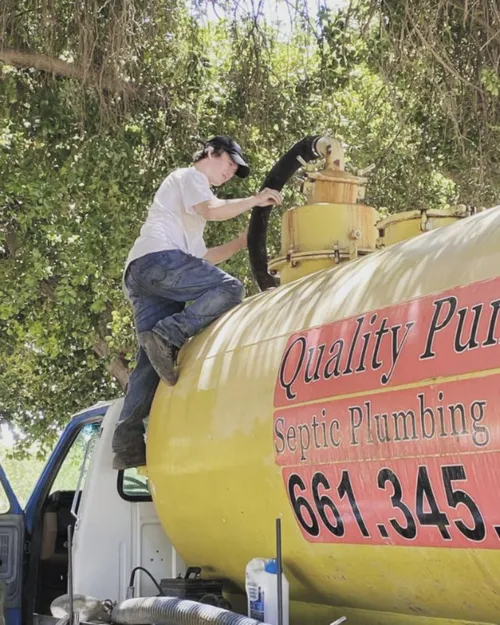
Quality Pumping
Bakersfield, CA
Quality Pumping is a grease trap cleaning company based in Bakersfield, CA, serving residential and commercial clients in Bakersfield and nearby areas including Lamont, Taft, Arvin, Wasco, and Shafter. They specialize in septic tank pumping and cleaning, using specialized vehicles, pumps, pressure washers, and other industry-specific tools to maintain septic systems effectively. Their trained and experienced crew also performs thorough septic tank inspections and provides advice on maintenance frequency to ensure proper system care.
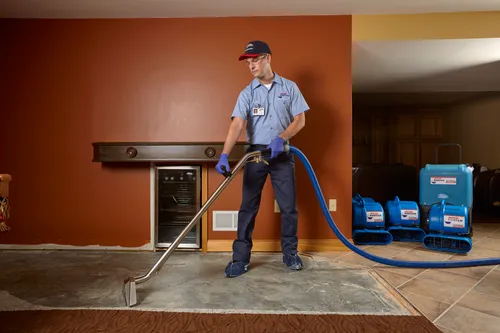
Roto-Rooter Plumbing & Water Cleanup
5801 State Rd, Bakersfield, CA 93308
Roto-Rooter Plumbing & Water Cleanup has been serving Bakersfield, CA, since 1935. They provide a range of plumbing services including grease trap cleaning, drain cleaning, septic tank maintenance, and water cleanup for both residential and commercial clients. The company offers same-day and emergency services 24/7, including holidays, with no weekend fees and after-hour charges only after 7 PM. Their technicians are experienced in handling local plumbing challenges such as hard water effects and seasonal temperature changes.
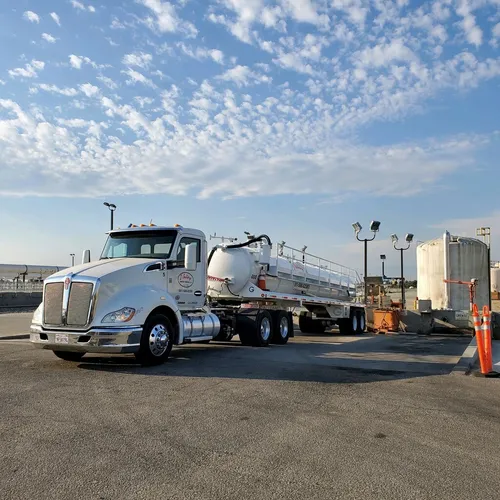
Valley Pumping Service
209 Somerford Ct, Bakersfield, CA 93312
Valley Pumping Service is a grease trap cleaning company located in Bakersfield, CA. They specialize in grease trap maintenance and cleaning to support local businesses in managing waste effectively.
Understanding Bakersfield's Grease Trap Regulations
Bakersfield restaurants must adhere to California state codes, which are enforced by local public works or environmental health departments. The cornerstone of these regulations is the "25% rule." Pumping is legally required when the combined volume of floating FOG and settled solids reaches 25% of the total liquid depth inside the interceptor 1 2 3. This isn't a suggestion-it's a enforceable standard that inspectors will check.
Key regulatory requirements include:
- Accessibility: Grease interceptors must be easily accessible for inspection, cleaning, and maintenance. They cannot be located in food preparation areas unless specifically approved under code.
- Licensed Service: All cleaning and pumping must be performed by a licensed, professional service provider. DIY cleaning is not sufficient for compliance.
- Record Keeping: You are required to maintain detailed records, typically service tickets or manifests provided by your vendor, for a set period. These documents are your proof of compliance during a city or county inspection.
Determining Your Pumping Schedule
There is no universal schedule that fits every kitchen. The frequency of required grease trap pumping in Bakersfield depends entirely on your operation's volume. A high-volume establishment like a busy diner or a large-scale catering facility will generate FOG much faster than a small café.
- High-Volume Kitchens: Typically require service every 1 to 3 months. Some may even need weekly or bi-weekly cleaning for small under-sink traps.
- Average-Volume Restaurants: A quarterly (every 3 months) schedule is common.
- Minimum Requirement: Even for very low-volume operations, state codes generally mandate a minimum cleaning frequency of every 6 months to prevent solids from hardening and causing system failure 4.
Waiting until you have a backup or an odor issue is a costly mistake. Proactive, scheduled service based on your specific output is the most effective way to stay compliant and avoid emergencies.
The Cost of Compliance vs. Non-Compliance
Investing in regular maintenance is far less expensive than dealing with the consequences of neglect. Service costs vary based on the size of your interceptor and the terms of your service contract.
Typical Service Costs:
- Small Indoor Grease Traps: Service for under-sink or small in-line units can range from $100 to $250+ per service for frequent, scheduled cleanings 5 6.
- Large Outdoor Interceptors (500-1500+ gallons): The cost for pumping a standard outdoor grease interceptor in Bakersfield typically falls between $225 and $400+ per service when on a scheduled contract.
- Emergency Call-Outs: If you neglect maintenance and require an emergency pump-out, you can expect costs to skyrocket to $800 - $1,200 or more, plus any costs for plumbing repairs related to a blockage 7 8.
Find the perfect grease trap cleaning companies for your needs
Get personalized recommendations and expert advice
The real financial risk, however, lies in non-compliance. Local inspectors can levy fines amounting to thousands of dollars for violations. In severe cases of repeat offenses or major sewer line impacts, the city can mandate an immediate shutdown of your kitchen until the issue is resolved and proven compliant. This loss of revenue, combined with emergency service fees and fines, can be devastating.
The Inspection Process in Bakersfield
Enforcement is active. The responsible local agency conducts periodic inspections to ensure restaurants are following the rules. During an inspection, an officer will typically:
- Request to see your grease interceptor.
- Check its accessibility and physical condition.
- Review your maintenance records and service tickets from a licensed provider 9.
Having an organized file of all service documentation is crucial. If you cannot provide proof of regular pumping, you will be cited. The inspector may also measure the FOG and solids level in your trap to verify it is below the 25% threshold.
Choosing a Service Provider
Selecting a reliable, licensed grease trap cleaning company is a key business decision. Look for providers with:
- Proper Licensing & Insurance: Verify they are licensed to handle and transport grease waste in California.
- Local Knowledge: A company familiar with Bakersfield and Kern County inspectors and codes can be an invaluable partner.
- Detailed Documentation: They should provide clear, detailed service tickets after every visit for your records.
- Service Offerings: Many providers offer scheduled maintenance contracts, which can help automate compliance and often provide more predictable pricing.
Regular maintenance of your grease interceptor system is a straightforward but vital responsibility. By understanding the 25% rule, establishing a proactive pumping schedule based on your kitchen's output, maintaining impeccable records, and partnering with a qualified service provider, you can focus on running your restaurant with confidence, free from the worry of costly fines and operational disruptions.
Frequently asked questions
Sources
Footnotes
-
12.20.220. Grease trap requirements. - https://codelibrary.amlegal.com/codes/fullerton/latest/fullerton_ca/0-0-0-18563 ↩
-
Trap pumping - https://phoenixpumping.com/grease-trap-maintenance/ ↩
-
California Health and Safety Code § 114201 (2024) - Justia Law - https://law.justia.com/codes/california/code-hsc/division-104/part-7/chapter-7/article-2/section-114201/ ↩
-
Grease Trap Cleaning For California Restaurants - Caccia Plumbing - https://cacciaplumbing.com/blog/grease-trap-cleaning-california-restaurants/ ↩
-
How Often to Clean Restaurant Grease Traps in Los Angeles, CA - https://bakercommodities.com/blog/2025/01/23/la-laws-for-grease-recycling/ ↩
-
Commercial Grease Trap Cleaning Services in Bay Area - https://powerplumbingusa.com/commercial/grease-trap-cleaning/ ↩
-
Ultimate Grease Trap Pumping Cost Guide: Essential Money-Saving ... - https://www.texwaywastewater.com/grease-trap-pumping-cost/ ↩
-
Grease Trap Cleaning Prices | Guide on the Industry Average - https://grease-cycle.com/grease-trap-pumping-cost/ ↩
-
Grease Traps for Restaurants: The Essential Guide - https://therestaurantwarehouse.com/blogs/restaurant-equipment/grease-trap-for-restaurant-guide ↩