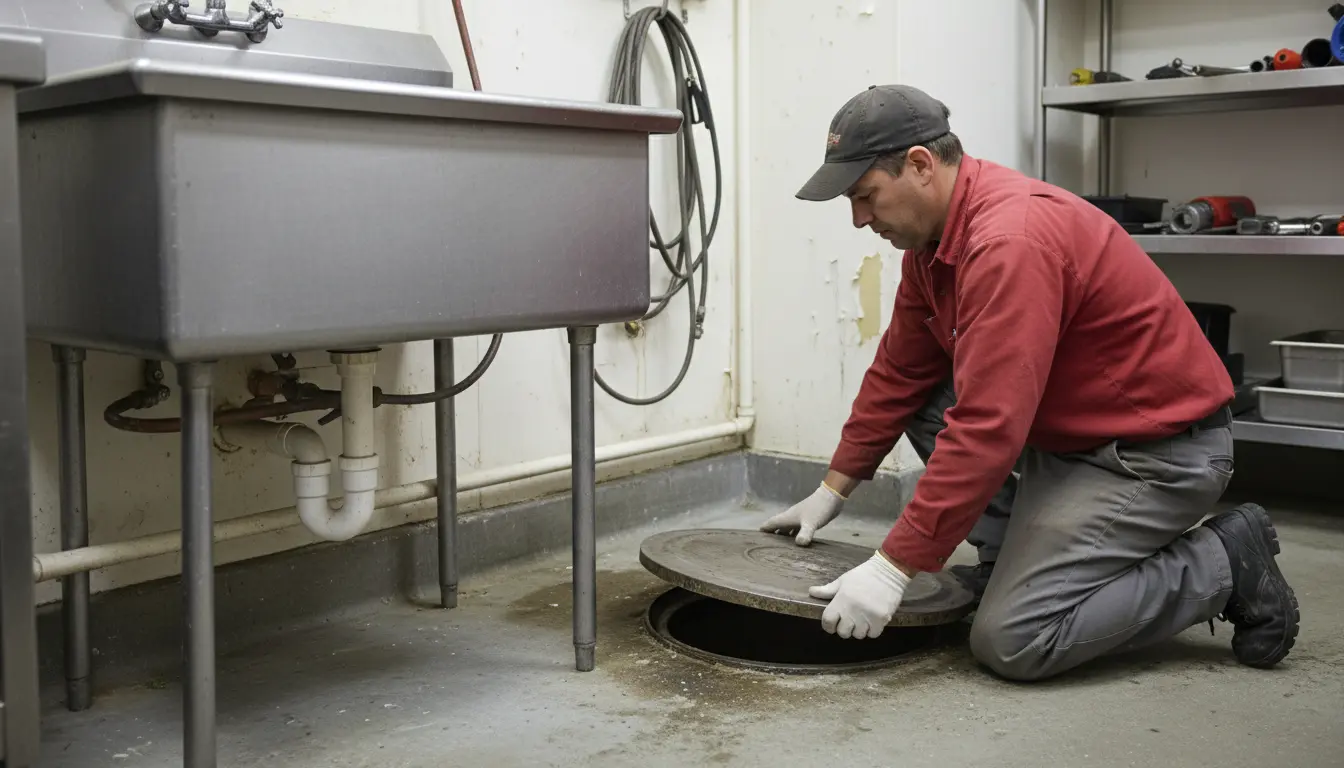
Find the Best Grease Trap Cleaning Companies for Your Business
No obligation • Fast responses • Nationwide coverage

Why you can trust Restaurant Waste Disposal
Restaurant Waste Disposal is a leading U.S. resource for comparing restaurant composting, food-waste recycling, grease trap cleaning, and used cooking oil collection services. Our editorial team researches providers, checks credentials, and organizes unbiased information so operators can make informed decisions. Companies cannot pay to change ratings or placement.
Search providers near you
Top Grease Trap Cleaning Companies in Menifee, California Ranked
For restaurant owners and food service operators in Menifee, maintaining a clean and compliant grease trap isn't just a chore-it's a critical business operation. Fats, oils, and grease (FOG) management is strictly regulated by California state and local plumbing codes to protect the city's sewer infrastructure from costly blockages and environmental damage. Proactive grease interceptor service is the most effective way to avoid severe fines, emergency shutdowns, and reputational harm, ensuring your kitchen runs smoothly and within the law. This guide outlines the essential regulations, best practices, and cost considerations for effective grease management in Menifee.
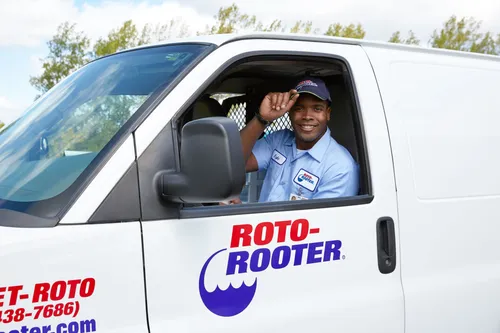
Roto-Rooter Plumbing & Water Cleanup
3579 Arlington Ave #800, Riverside, CA 92506
Roto-Rooter Plumbing & Water Cleanup provides a wide range of plumbing and water cleanup services in Riverside, CA. They handle everything from routine maintenance and repairs to complex commercial plumbing needs, including grease trap cleaning, sewer line repair, and water damage cleanup. Their team is experienced with local plumbing challenges and building codes, serving both residential and commercial clients. Roto-Rooter offers 24/7 emergency plumbing services to address urgent issues such as burst pipes, sewer backups, and clogged drains. They also specialize in hydro-jetting and use advanced technology for sewer inspections and pipe replacement. With a history dating back to the invention of the electric drain snake in 1935, Roto-Rooter continues to apply innovative solutions to plumbing problems.
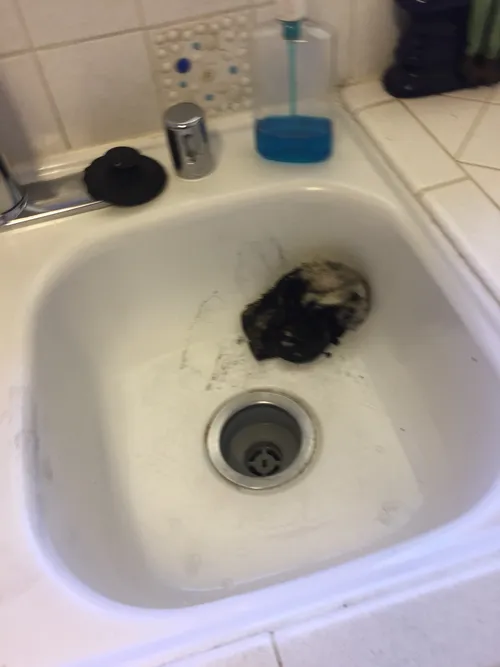
Drainman Cleaning
Perris, CA
Drainman Cleaning is a grease trap cleaning company based in Perris, CA. They specialize in maintaining and cleaning grease traps to help businesses manage waste effectively and comply with local regulations.

Roto-Rooter Plumbing & Water Cleanup
25014 Las Brisas Rd, Murrieta, CA 92562
Roto-Rooter Plumbing & Water Cleanup has been serving Murrieta, CA, and surrounding areas since 1935. They provide a full range of plumbing services including residential and commercial plumbing, drain cleaning, grease trap pumping, septic tank maintenance, and water cleanup. The company offers same-day and emergency services 24/7, including holidays, with no weekend fees and clear pricing policies. Their team is experienced in handling local plumbing systems and regulations, ensuring compliant and effective solutions.
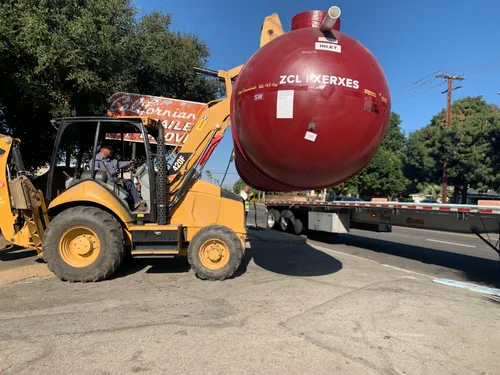
California Pumping & Sanitation, Inc
1057 S Washington Ave, San Bernardino, CA 92408
California Pumping & Sanitation, Inc is a septic and sanitation service provider based in Los Angeles, CA. Serving Southern California, they offer a wide range of services including septic tank pumping, grease trap cleaning, septic system construction, repairs, and maintenance for residential, commercial, and industrial clients. The company employs advanced technologies such as hydrojetting drain cleaning and septic tank camera inspections to ensure effective service delivery. With over 35 years of experience, California Pumping & Sanitation is licensed, bonded, and insured, providing 24/7 emergency support to its customers.
Greenway Recycling Services
5975 Jasmine St, Riverside, CA 92504
Greenway Recycling Services in Eastvale, CA specializes in used cooking oil collection and grease trap cleaning for restaurants and commercial kitchens. They provide eco-friendly cooking oil disposal, routine grease trap pumping, and advanced hot jetting services to maintain clean and efficient kitchen operations. The company focuses on recycling used cooking oil into renewable resources, supporting environmental sustainability. Greenway Recycling Services serves Southern California and offers hassle-free scheduling and prompt collection. Their hot jetting capability uses high-pressure water jets to clear drain lines and grease traps effectively.
Understanding Local Grease Trap Regulations
Compliance in Menifee begins with understanding the specific rules that govern grease interceptors. These regulations are designed to prevent FOG from entering the municipal wastewater system, where it can solidify and cause major sewer backups and overflows.
Sizing and Installation Requirements Under the California Plumbing Code, grease traps and interceptors must be properly sized based on the facility's flow rate and type. For many standard restaurants, the minimum capacity often starts at 750 gallons, with some requirements capping at 1,500 gallons unless an alternative design is approved. The interceptor must also be easily accessible for both routine service and inspection by city officials, meaning it cannot be buried under equipment or obstructed 1.
Mandatory Cleaning Frequency The key operational rule is the "25% rule." Traps must be pumped out when the combined FOG and settled solids accumulate to 25% of the tank's liquid depth 2. Regardless of accumulation, a minimum cleaning frequency of every six months is typically enforced to ensure consistent maintenance. Neglecting this schedule is a primary cause of compliance violations.
Record-Keeping and Documentation Maintaining detailed logs is not optional. You must keep records of every service, including the date, the volume of waste removed, and the name of the servicing company. These logs, along with service receipts, must be available for review by inspectors upon request 3. This paperwork is your first line of defense in proving compliance during an audit.
The Inspection and Enforcement Process
Local authorities conduct periodic inspections to ensure adherence to FOG control programs. Being prepared for these inspections is crucial to avoid penalties.
- Inspection Schedule: Inspections are typically carried out on a bi-annual basis (every six months), often coinciding with the mandatory cleaning schedule.
- Enforcement Actions: Non-compliance can trigger a cascade of negative consequences. Initial violations usually result in substantial fines. Continued neglect can lead to orders for costly emergency clean-up, and in severe cases, the city can mandate a temporary shutdown of your kitchen operations until the issue is resolved 4 5.
- The High Cost of Neglect: Emergency service calls are significantly more expensive than scheduled maintenance. Furthermore, the operational disruption and potential damage to your restaurant's reputation from a public compliance issue can be far more costly than any fine.
Best Practices for Proactive Grease Management
Beyond mere compliance, adopting best practices for FOG control can extend the life of your equipment, reduce service frequency, and save money.
Staff Training and Kitchen Practices Educate your kitchen staff on proper waste disposal. This includes scraping food scraps into trash bins before washing, avoiding pouring any grease down the drain, and using drain screens to catch solids. Simple behavioral changes can dramatically reduce the FOG load entering your interceptor.
Use of Approved Products Be cautious with additives. While some enzyme or bacterial "grease digester" products are marketed to break down FOG, many are not approved by local sewer authorities. Some products simply emulsify grease, allowing it to pass through the trap only to solidify further down the sewer line, which can still result in violations. Always check with your service provider or the city before using any chemical treatments.
Partnering with a Reputable Service Provider Establish a relationship with a licensed, insured, and reputable grease trap cleaning company. A good provider will not only perform the pump-out but also help you understand your compliance status, maintain proper records, and recommend an optimal service schedule based on your specific volume and menu.
Find the perfect grease trap cleaning companies for your needs
Get personalized recommendations and expert advice
Cost Breakdown for Grease Trap Services
Understanding the cost factors for grease interceptor maintenance helps in budgeting and highlights the value of preventative care. Prices vary widely based on several key factors.
Primary Cost Factors:
- Trap Size and Type: A small indoor grease trap (often under 50 gallons) costs less to service than a large, buried outdoor interceptor. Pumping a standard outdoor interceptor is generally more expensive due to the equipment and labor required.
- Location and Accessibility: An easily accessible trap in a parking lot will cost less than one located in a cramped basement or behind locked gates.
- Amount of Waste: The volume of FOG and solids removed directly impacts disposal fees.
- Service Frequency: Regularly scheduled maintenance is almost always priced lower than one-off or emergency calls.
Estimated Price Ranges: Based on industry averages for the region, restaurant owners can expect the following cost ranges 6 7 8:
- Preventative/Routine Service:
- Small to medium indoor traps: $125 - $225 per pump-out.
- Standard outdoor interceptors: $325 - $1,000+ per pump-out.
- One-Off or Emergency Service: Costs can be 25-50% higher than routine service. For example, an emergency pump for a smaller trap could start at $190 - $240 or more 9.
Cost Comparison: Prevention vs. Emergency The financial argument for regular maintenance is clear. A scheduled pump-out for an outdoor interceptor might cost $400 every four months. In contrast, missing that service, causing a backup, and then requiring an emergency clean-up could easily exceed $600 for the same job, not including any fines from the city, which can be hundreds of dollars per violation 10 11 12. The most cost-effective strategy is always proactive, scheduled maintenance.
Choosing a Service Provider in Menifee
Selecting the right company for your grease trap cleaning is a critical business decision. Look for providers that offer more than just a pump-out truck.
Essential Qualifications:
- Proper Licensing and Insurance: Ensure the company is fully licensed to handle and transport hazardous waste in California and carries adequate liability insurance.
- Local Knowledge: A provider familiar with Menifee and Riverside County regulations will be an invaluable partner in maintaining your compliance.
- Comprehensive Service: The best companies offer pumping, cleaning, inspection, and detailed documentation/reporting as a standard part of their service.
- Transparent Pricing: Seek clear, upfront pricing without hidden fees. A reputable company will provide a detailed invoice that can serve as part of your compliance log.
Frequently asked questions
Sources
Footnotes
-
California Health and Safety Code § 114201 (2024) - Justia Law - https://law.justia.com/codes/california/code-hsc/division-104/part-7/chapter-7/article-2/section-114201/ ↩
-
Purpose of Fats, Oils and Grease (FOG) Program: DEFINITIONS - http://pw.lacounty.gov/epd/industrial_waste/pdf/misc/restaurantpretreatmentguidelines.pdf ↩
-
12.20.220. Grease trap requirements. - https://codelibrary.amlegal.com/codes/fullerton/latest/fullerton_ca/0-0-0-18563 ↩
-
Chapter 18.08 GREASE TRAPS - https://www.codepublishing.com/CA/PacificGrove/html/PacificGrove18/PacificGrove1808.html ↩
-
Grease Trap Regulations and Compliance: What You Need to Know - https://www.texwaywastewater.com/grease-trap-regulations-and-compliance/ ↩
-
Grease Trap Pumping Cost vs. Grease Trap Maintenance Cost - https://www.stateindustrial.com/video/cost-comparison-pumping-v-chemicals-to-maintain-a-grease-trap/ ↩
-
Grease Trap Cleaning Prices | Guide on the Industry Average - https://grease-cycle.com/grease-trap-pumping-cost/ ↩
-
1 Grease Trap & Interceptor Pumping COMPANY In Menifee - https://www.greasemanagement.org/greasetrapservicemenifee.html ↩
-
Restaurant Grease Trap Cleaning FAQs - Mahoney Environmental - https://www.mahoneyes.com/restaurant-grease-trap-cleaning-faqs/ ↩
-
Grease Trap Cleaning For California Restaurants - https://cacciaplumbing.com/blog/grease-trap-cleaning-california-restaurants/ ↩
-
The Cost To Clean A Grease Trap For Restaurants - https://thegreasecompany.com/blog/greasetrapcleaningcost/ ↩
-
Grease Traps for Restaurants: The Essential Guide - https://therestaurantwarehouse.com/blogs/restaurant-equipment/grease-trap-for-restaurant-guide ↩