Find the Best Grease Trap Cleaning Companies for Your Business
No obligation • Fast responses • Nationwide coverage

Why you can trust Restaurant Waste Disposal
Restaurant Waste Disposal is a leading U.S. resource for comparing restaurant composting, food-waste recycling, grease trap cleaning, and used cooking oil collection services. Our editorial team researches providers, checks credentials, and organizes unbiased information so operators can make informed decisions. Companies cannot pay to change ratings or placement.
Search providers near you
Top Grease Trap Cleaning Companies in San Diego, California Ranked
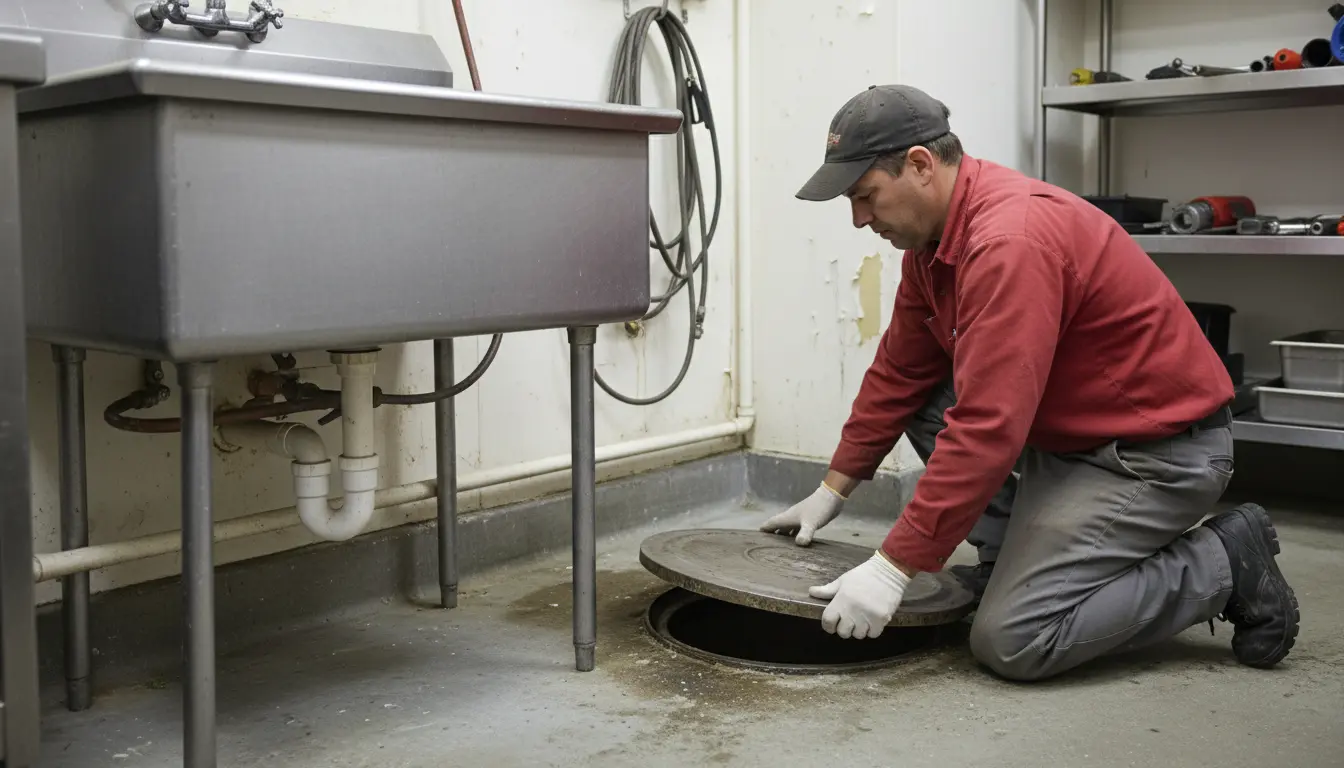
For restaurant owners and facility managers in San Diego, maintaining a grease interceptor is far more than a routine chore-it's a critical regulatory requirement with significant financial and operational implications. The city's Food Establishment Wastewater Discharge (FEWD) Program enforces strict rules to prevent fats, oils, and grease (FOG) from entering the municipal sewer system, where they can cause costly blockages and environmental spills. Compliance hinges on understanding the local 25% rule, maintaining meticulous records, and partnering with a reliable service provider. Failure to adhere can result in substantial fines, administrative hearings, and even the revocation of sewer service permits, making proactive grease trap management a cornerstone of responsible business operation in San Diego's vibrant food service industry.
Zoom Drain SD North County
1317 Simpson Way Suite B, Escondido, CA 92029
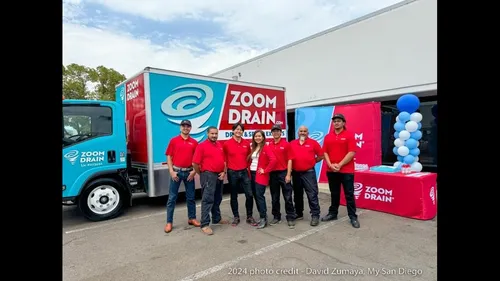
Zoom Drain SD North County is a drain and sewer service provider based in Oceanside, CA, serving the North County San Diego area including Escondido and surrounding communities. They offer residential and commercial services, specializing in drain cleaning, sewer inspections using high-resolution cameras, and grease trap maintenance. Their capabilities include hydro-jetting to clear blockages such as tree root intrusions and applying eco-friendly treatments like RootX and CitraJet to maintain plumbing systems. The company is known for addressing complex plumbing issues with advanced technology and tailored solutions. Zoom Drain SD North County also supports property managers, contractors, and the food and hospitality sector with specialized maintenance plans and referral programs.
San Diego Zoom Drain
1465 Morena Blvd Floor One, San Diego, CA 92110
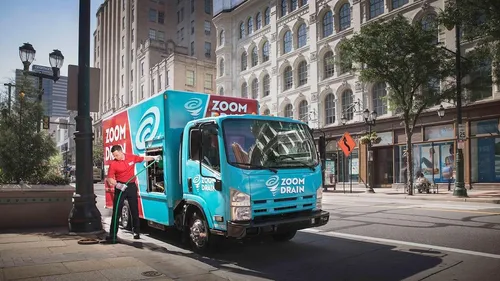
San Diego Zoom Drain is a drain and sewer service provider based in San Diego, CA. They offer residential and commercial drain cleaning, inspections, repairs, and replacements, including specialized grease trap maintenance for the food and hospitality sector. Their service area includes San Diego and surrounding communities such as Coronado, Del Mar, El Cajon, Encinitas, La Jolla, Santee, and Solana Beach. The company is experienced in hydro jetting, a capability used to clear stubborn clogs and maintain plumbing health. San Diego Zoom Drain emphasizes tailored maintenance plans and advanced technology to support property managers, contractors, and homeowners alike.

Chula Vista Rooter - Sewer & Drain Cleaning Services
National City, CA
Chula Vista Rooter - Sewer & Drain Cleaning Services provides drain and sewer cleaning, camera inspection, line location, and grease trap cleaning in National City, CA. The company uses modern technology and skilled techniques such as hydro-jetting and video inspection to address issues like clogged drains, sewer backups, root intrusions, and grease buildup. Their services include precise pipe location and preventive maintenance to support both residential and commercial properties. The team is experienced in handling complex problems like tree root removal and sediment buildup within sewer lines. Chula Vista Rooter aims to maintain efficient drainage systems through thorough cleaning and inspection methods.
Roto-Rooter Plumbing & Water Cleanup of El Cajon
1400 Hill St, El Cajon, CA 92020
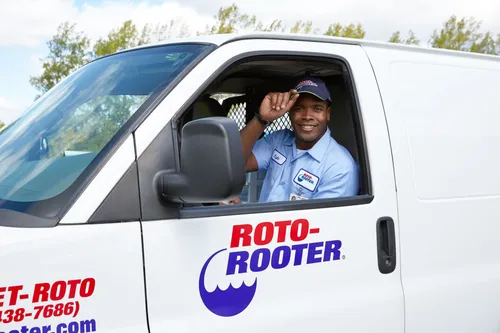
Roto-Rooter Plumbing & Water Cleanup of El Cajon provides comprehensive plumbing services to homes and businesses in San Diego, CA. They handle a wide range of needs including drain cleaning, sewer line repair and replacement, water heater installation and repair, grease trap maintenance, and floodwater cleanup. Their commercial plumbing expertise covers complex systems such as backflow inspection, high-pressure water jetting, and gas line installation. With a focus on local challenges like hard water mineral deposits and aging infrastructure, they offer tailored solutions for both residential and commercial clients. Roto-Rooter is available 24/7 for emergency plumbing services, ensuring prompt response to issues like burst pipes and sewer backups.
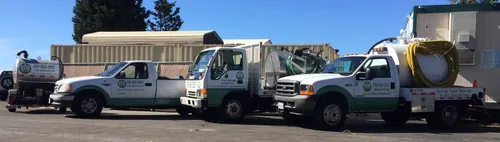
Eco Grease Pumping Services
4079 Governor Dr #262, San Diego, CA 92122
Eco Grease Pumping Services provides grease trap cleaning for commercial kitchens in San Diego, CA. The company specializes in grease trap and interceptor maintenance, including clog clearing and regular service to ensure proper function. Customers have noted their professionalism and effective resolution of long-standing grease interceptor issues.
Understanding San Diego's FEWD Program and the 25% Rule
At the heart of San Diego's grease management regulations is the Food Establishment Wastewater Discharge (FEWD) Program, administered by the city's Public Utilities Department. This program is responsible for reviewing installation plans for new grease interceptors, conducting inspections, and enforcing compliance to protect the sewer infrastructure 1. The cornerstone of their enforcement is the "25% rule," a clear, measurable standard that dictates when cleaning is mandatory. According to this rule, a grease trap or interceptor must be pumped and cleaned when the combined accumulation of FOG and settled solids reaches 25% of the liquid depth of the unit 1 2. This is not merely a suggestion but a codified requirement that forms the basis for inspection criteria.
While the 25% rule sets the maximum allowable accumulation, the actual cleaning frequency is determined by your kitchen's volume of wastewater. For many high-volume restaurants, this means service is required more frequently than the 90-day minimum often cited 3. A busy establishment might need monthly cleanings to stay compliant, whereas a lower-volume cafe might align with the quarterly schedule. The key is regular monitoring; you cannot simply set a calendar reminder for every three months and assume compliance. Visual inspections of the trap's contents are essential to gauge the FOG layer before it hits the non-compliant threshold.
Plan Review and Installation Standards
For new construction or renovations involving food service facilities, the FEWD Program requires a plan review and approval before any grease interceptor is installed. This ensures the proposed unit is correctly sized and located according to code. San Diego standards typically require that new grease traps be installed outside of food preparation areas, and all existing interceptors must be readily accessible for service and inspection 4. Proper installation is the first step in a compliant grease management program, preventing future accessibility issues that could lead to missed cleanings and violations.
The Critical Importance of Record-Keeping
In the eyes of a San Diego FEWD inspector, if you didn't document it, it didn't happen. Meticulous record-keeping is not optional; it is your primary defense during a compliance inspection. The city mandates that facilities maintain detailed service records for a minimum of three years. These records should include waste manifests from your service provider, internal maintenance logs noting inspection dates and observed FOG levels, and any correspondence related to grease management.
A complete service manifest is your proof of proper disposal. Reputable grease trap cleaning companies will provide documentation detailing the volume of waste removed, the date of service, and the licensed disposal facility that received the material. Keeping these records organized and on-site allows you to quickly demonstrate a history of compliance, which can be invaluable if you receive a notice of violation or during a routine audit. Inadequate documentation is a common and easily avoidable violation that can trigger enforcement actions.
Enforcement Actions and Consequences of Non-Compliance
The San Diego FEWD Program takes violations seriously, with an enforcement ladder designed to compel compliance. The process often begins with a Notice of Violation (NOV) following an inspection that reveals a clogged trap, lack of records, or other infractions. This notice typically includes administrative fees and a deadline to correct the issue. Failure to resolve the violation can lead to administrative hearings, significantly higher fines, and in persistent cases, the revocation of your sewer service permit. Without this permit, your business cannot legally operate.
Beyond formal penalties, non-compliance carries hidden costs. A severely clogged grease interceptor can lead to slow drains, backups in your kitchen, and unpleasant odors-all of which disrupt operations and degrade the customer experience. In a worst-case scenario, FOG discharged into the sewer can contribute to a line blockage that causes a spill, for which your business may be held financially liable. Proactive, scheduled maintenance is the most cost-effective strategy to avoid these risks entirely.
Find the perfect grease trap cleaning companies for your needs
Get personalized recommendations and expert advice
Cost Factors for Grease Interceptor Service in San Diego
Understanding the cost structure for grease trap pumping can help you budget effectively and avoid surprise charges. Pricing is not one-size-fits-all; it depends primarily on the size of your interceptor and the amount of FOG and solids that need to be removed.
- Standard Scheduled Cleaning: For a small, interior grease trap (often under 500 gallons) that is cleaned on a regular schedule before the FOG layer becomes excessive, prices can start around $175. For a standard scheduled cleaning of a larger unit (like a 1000-gallon interceptor), you can expect to pay in the range of $250 to $400 for the service 5.
- Larger Interceptors & Higher Volume: Cleaning a 1000-gallon grease interceptor that is at or near the 25% capacity limit will generally cost $550 or more, reflecting the increased volume of waste that must be hauled and processed 6.
- Emergency Service & Severe Buildup: The most significant cost driver is the need for emergency service or cleaning a trap that is severely overdue. When FOG and solids have hardened or filled the unit beyond normal levels, the job requires more labor, specialized equipment, and sometimes even manual removal. Emergency service fees and excessive waste charges can multiply the standard cost, making scheduled maintenance a clear financial advantage.
Choosing a Service Provider: What to Look For
Selecting the right partner for your grease trap cleaning is a crucial business decision. Look for a provider with proven experience serving San Diego restaurants and a deep understanding of the FEWD Program requirements. They should offer flexible scheduling to match your kitchen's pace and provide comprehensive documentation with every service, including detailed manifests for your records. Inquire about their disposal practices-reputable companies will transport waste to licensed facilities that convert FOG into biodiesel or other products, ensuring environmentally responsible handling.
A good provider acts as a consultant, helping you optimize your schedule to prevent compliance issues. They can advise on best practices for kitchen staff to minimize FOG discharge and may offer additional services like used cooking oil collection, which can be bundled for efficiency. Establishing a reliable partnership turns grease trap maintenance from a recurring worry into a streamlined, compliant process.
Best Practices for In-House Grease Management
While professional pumping is essential, daily practices in your kitchen significantly impact your interceptor's health and your service frequency. Implement employee training on proper waste disposal: scraping plates and cookware into trash bins before washing, and using sink baskets to catch food solids. Avoid using garbage disposals, as they send particulate matter into the trap where it mixes with grease to form a dense, difficult-to-remove sludge. Consider installing additional point-of-use interceptors under high-FOG output sinks, like pot-washing stations, as a first line of defense. These small units capture grease at the source and are easier and less expensive to maintain, reducing the load on your primary interceptor.
Regularly visually inspect your main grease trap between professional services. Knowing what a 10%, 15%, or 20% FOG layer looks like allows you to anticipate service needs and avoid hitting the 25% violation threshold. This proactive approach, combined with detailed logging, demonstrates due diligence to inspectors and can extend the time between necessary pump-outs, saving you money in the long run.
Frequently asked questions
Sources
Footnotes
-
Food Establishment Wastewater Discharge (FEWD) Program - https://www.sandiego.gov/public-utilities/sewer-spill-reduction/fewd ↩ ↩2
-
Essential Grease Trap Maintenance For San Diego Facilities - https://www.myshyft.com/blog/grease-trap-cleaning-san-diego-california/ ↩
-
San Diego County GREASE TRAP Cleaning & PUMPING - GreaseCo - https://thegreasecompany.com/blog/sandiegogreasecompany/ ↩
-
Grease Traps/Interceptors in Food Facilities - County of San Diego - https://www.sandiegocounty.gov/content/dam/sdc/deh/fhd/food/pdf/publications_greasetrappolicy.pdf ↩
-
Ultimate Grease Trap Pumping Cost Guide: Essential Money-Saving ... - https://www.texwaywastewater.com/grease-trap-pumping-cost/ ↩
-
SoCal Grease Pumping Service - Grease Trap Cleaning & Pumping - https://thegreasecompany.com/blog/socal-grease-pumping-service/ ↩