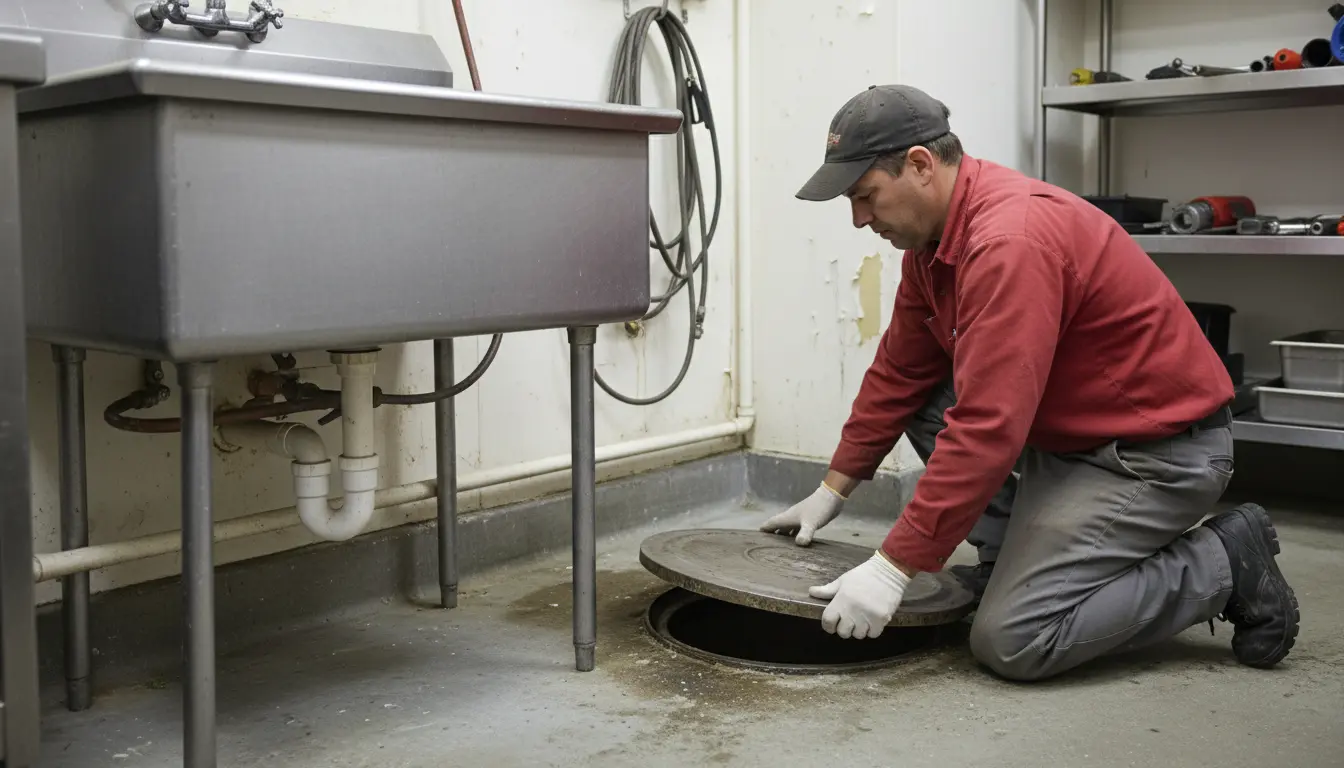
Find the Best Grease Trap Cleaning Companies for Your Business
No obligation • Fast responses • Nationwide coverage

Why you can trust Restaurant Waste Disposal
Restaurant Waste Disposal is a leading U.S. resource for comparing restaurant composting, food-waste recycling, grease trap cleaning, and used cooking oil collection services. Our editorial team researches providers, checks credentials, and organizes unbiased information so operators can make informed decisions. Companies cannot pay to change ratings or placement.
Search providers near you
Top Grease Trap Cleaning Companies in Napa, California Ranked
For restaurant owners and managers in Napa, maintaining a grease interceptor is far more than a routine chore-it's a critical component of operational compliance and environmental stewardship. The Napa Sanitation District (NapaSan) enforces strict regulations to prevent fats, oils, and grease (FOG) from entering the municipal sewer system, where they can cause costly blockages and overflows. Adhering to a consistent cleaning and pumping schedule is essential to avoid significant fines, protect your plumbing, and ensure your business runs smoothly. Understanding the local requirements and partnering with a reliable service provider is key to navigating this necessary aspect of food service management in Wine Country.
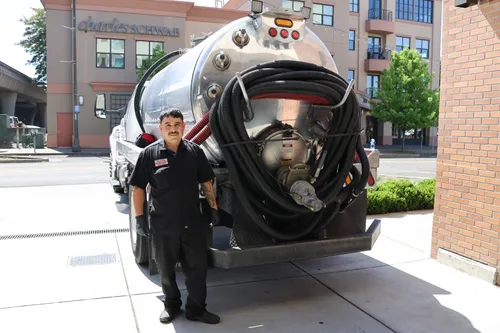
North Bay Restaurant Services
437 W 9th St, Santa Rosa, CA 95401
North Bay Restaurant Services in Santa Rosa, CA, has provided kitchen maintenance solutions for nearly 30 years. They serve Bay Area restaurants with services including NFPA-96 hood cleaning, grease trap pumping, interceptor maintenance, hydrojetting, and used cooking oil recycling. Their custom equipment and trained technicians help keep kitchens clean, compliant, and inspection-ready. The company supports a range of clients from neighborhood cafés to Michelin-starred restaurants, ensuring grease traps meet local FOG compliance standards.
AllStarz Pumping & Engineering
437 W 9th St #C, Santa Rosa, CA 95401
AllStarz Pumping & Engineering is a family-owned business based in Santa Rosa, CA, serving Sonoma County with septic and wastewater solutions since 1996. They provide a range of services including grease trap cleaning, septic pumping, installations, repairs, inspections, and hydrojetting leach fields. Known for offering same-day and emergency septic services, AllStarz supports homeowners, wineries, and businesses with expert care and transparent communication. Their team is fully licensed, bonded, insured, and background-checked, ensuring professional and safe service.
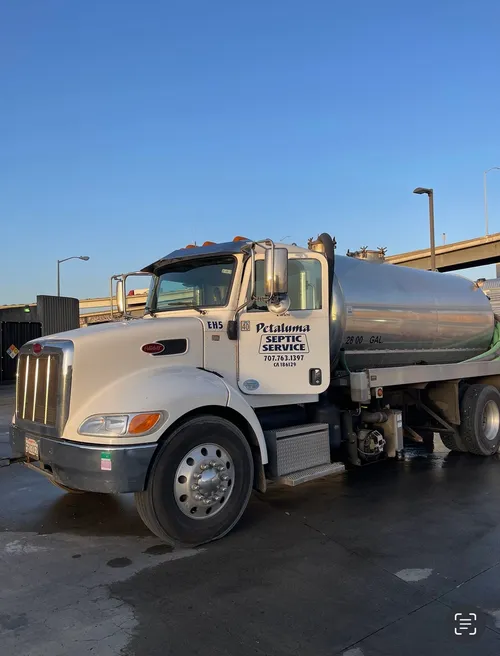
Environmental Pump Services
Petaluma, CA 94952
Environmental Pump Services is a family-owned company based in Petaluma, CA, specializing in grease trap cleaning, used cooking oil collection, septic tank pumping, and winery waste removal. Serving Sonoma, Marin, and Napa Counties, they focus on environmentally responsible disposal by recycling waste into alternative energy sources such as biodiesel and methane gas. Established in 2007, the company brings over 30 years of combined industry experience to its services.
Understanding Napa's Grease Interceptor Regulations
Local enforcement is managed by the Napa Sanitation District, which has established clear Best Management Practices (BMPs) for all food service facilities1. The core rule dictates that you must have your grease trap or interceptor pumped when the combined FOG and settled solids reach 25% of the unit's liquid depth 2. For many standard interceptors in Napa County, this translates to a maximum accumulation of just 3 inches2. Allowing waste to exceed this limit puts you out of compliance and at risk for enforcement action.
Accessibility and record-keeping are also mandated. Your interceptor must be readily accessible for both routine service and unannounced inspections by NapaSan officials. Furthermore, you are required to maintain detailed maintenance records for a minimum of three years. These logs should include the date of service, the volume of waste removed, and the name of the service company. Having this documentation readily available is crucial during inspections to demonstrate ongoing compliance.
The Inspection and Enforcement Landscape
NapaSan conducts routine inspections of food service establishments, which can often be unannounced. During these inspections, officials will check the physical condition of your interceptor, review your maintenance records, and ensure you are following all BMPs. The consequences of non-compliance are serious and can escalate quickly.
Initial violations typically result in substantial fines, but continued failure to adhere to regulations can lead to more severe penalties, including potential operational shutdowns 3. Perhaps more costly than a fine is the risk of a sewer line blockage or backup on your property, which would require emergency repairs, significant cleanup, and could force you to close your doors temporarily. Proactive, documented maintenance is your best defense against these disruptive and expensive scenarios.
Determining Your Pumping Schedule
The frequency of required grease trap service is not one-size-fits-all; it depends entirely on your establishment's volume and type of food preparation. NapaSan's 25% rule is the legal trigger, but your operational output determines how quickly you reach that limit.
- High-Volume Kitchens: Restaurants with heavy frying operations, such as diners, Asian cuisine eateries, or busy pubs, generate FOG rapidly. These establishments often require monthly pumping services, and sometimes even more frequently during peak seasons.
- Medium-Volume Restaurants: Full-service restaurants with a mix of cooking methods typically find that pumping every 3 to 6 months is sufficient to stay within compliance.
- Low-Volume Operations: Cafes, bakeries, and pizza shops that use minimal frying oil may only need service on a quarterly or semi-annual basis, but must still monitor levels to ensure they do not exceed the 25% threshold4 5.
Find the perfect grease trap cleaning companies for your needs
Get personalized recommendations and expert advice
Cost Factors for Grease Trap Pumping in Napa
Investing in regular grease interceptor maintenance is a predictable operating cost that pales in comparison to the expense of fines or emergencies. For a standard, scheduled pumping service in the Napa area, restaurants can generally expect costs to range from $200 to over $400 per service6 7. Several key factors influence where your business falls within this range:
- Interceptor Size and Volume: Larger traps that hold more waste naturally cost more to pump and clean.
- Service Frequency: Many service providers offer discounted rates for businesses that commit to a regular, contracted service schedule (e.g., monthly or quarterly). This not only saves money but ensures you never miss a service date.
- Access and Condition: Easily accessible, well-maintained traps are quicker and cheaper to service. Traps that are difficult to reach or have been neglected may incur additional labor charges.
- Emergency vs. Scheduled Service: This is the most significant cost differentiator. An emergency call for a clogged or overflowing interceptor will cost significantly more-often two to three times the price of a scheduled visit-due to the immediate response and higher complexity of the work required 8.
Best Practices for Napa Restaurant Owners
Beyond just scheduling pump-outs, adopting a comprehensive FOG management plan will extend time between services and keep your facility in good standing.
- Train Your Staff: Ensure every kitchen employee understands what can and cannot go down the drain. Scrape all food scraps into compost or trash before washing. Never pour grease or oil down sinks or floor drains.
- Use Proper Equipment: Install and maintain grease recovery devices (like under-sink grease traps) where appropriate. Use drain screens and collect fryer oil in dedicated containers for recycling.
- Keep Detailed Logs: Maintain a dedicated binder or digital file with every service receipt, a log of internal inspections, and any correspondence with NapaSan. This is your first line of defense during an inspection.
- Schedule Regular Inspections: Don't wait for a problem. Visually check your interceptor regularly and have your service provider perform routine inspections as part of your maintenance contract.
- Partner with a Reputable Service: Choose a licensed, insured, and experienced provider familiar with NapaSan's specific codes and inspection procedures. They can be a valuable resource for compliance advice.
Frequently asked questions
Sources
Footnotes
-
Best Management Practices - NapaSan - https://www.napasan.com/DocumentCenter/View/500/Food-Service-Facilities- ↩
-
FOG Limits by Jurisdiction - North Bay Restaurant Services - https://northbayrestaurantservices.com/fog-limits-by-jurisdiction/ ↩ ↩2
-
Grease Traps for Restaurants: The Essential Guide - https://therestaurantwarehouse.com/blogs/restaurant-equipment/grease-trap-for-restaurant-guide ↩
-
Grease Trap Cleaning For California Restaurants - https://cacciaplumbing.com/blog/grease-trap-cleaning-california-restaurants/ ↩
-
12.20.220. Grease trap requirements. - https://codelibrary.amlegal.com/codes/fullerton/latest/fullerton_ca/0-0-0-18563 ↩
-
Grease Trap Pumping San Francisco - North Bay Restaurant Services - https://northbayrestaurantservices.com/grease-trap-pumping-san-francisco/ ↩
-
Ultimate Grease Trap Pumping Cost Guide: Essential Money-Saving ... - https://www.texwaywastewater.com/grease-trap-pumping-cost/ ↩
-
Grease Trap Cleaning Prices | Guide on the Industry Average - https://grease-cycle.com/grease-trap-pumping-cost/ ↩