Find the Best Grease Trap Cleaning Companies for Your Business
No obligation • Fast responses • Nationwide coverage

Why you can trust Restaurant Waste Disposal
Restaurant Waste Disposal is a leading U.S. resource for comparing restaurant composting, food-waste recycling, grease trap cleaning, and used cooking oil collection services. Our editorial team researches providers, checks credentials, and organizes unbiased information so operators can make informed decisions. Companies cannot pay to change ratings or placement.
Search providers near you
Top Grease Trap Cleaning Companies in Ceres, California Ranked
For restaurant owners and food service operators in Ceres, maintaining a clean and compliant grease trap or interceptor is a critical operational and legal responsibility. These systems are your first line of defense against fats, oils, and grease (FOG) entering the public sewer system, where they can cause costly blockages and environmental damage. Local regulations, stemming from California state law and enforced by Stanislaus County and the City of Ceres, mandate specific installation, maintenance, and cleaning protocols. Understanding these requirements is essential to avoid fines, prevent disruptive shutdowns, and ensure your business operates smoothly while protecting community infrastructure.
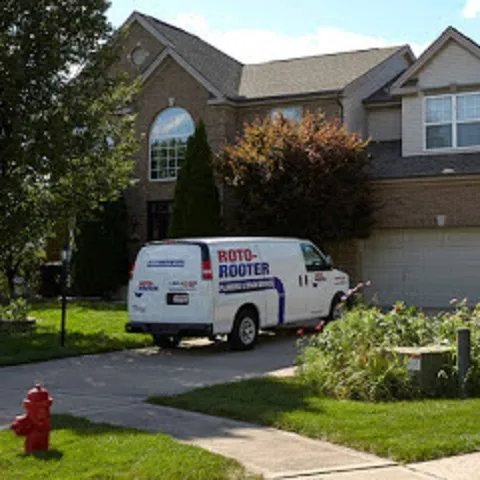
Roto-Rooter Plumbing & Water Cleanup
95 W 11th St #204A, Tracy, CA 95376
Roto-Rooter Plumbing & Water Cleanup provides a wide range of plumbing services in Tracy, CA, including residential and commercial plumbing, sewer and drain cleaning, water heater repair, and grease trap maintenance. The company is experienced in handling local plumbing challenges and codes, offering specialized services such as hydro-jetting and no-dig sewer line replacement. Established in 1935, Roto-Rooter has a long history of plumbing expertise and offers 24/7 emergency plumbing services to address urgent issues like burst pipes and sewer backups.
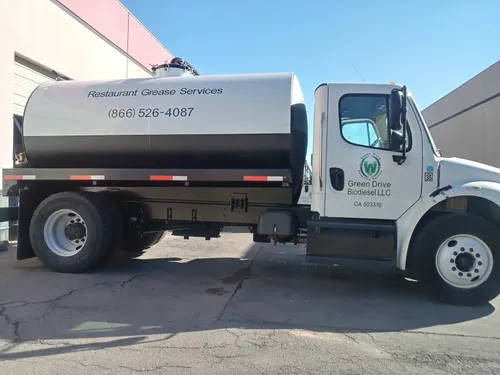
Green Drive Biodiesel LLC
252 W Larch Rd Suit G, Tracy, CA 95304
Green Drive Biodiesel LLC is a company based in Stockton, CA, specializing in used cooking oil collection and grease trap cleaning. They serve food vendors by providing containers for waste cooking oil and managing grease trap maintenance. Their services focus on environmentally responsible disposal and recycling of cooking waste.
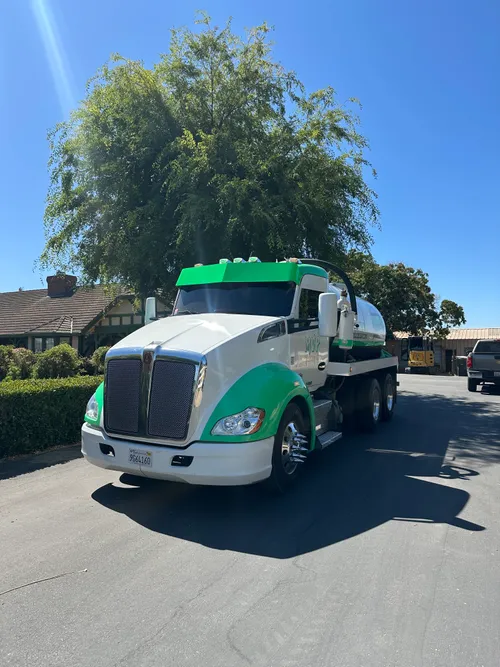
Mountain Valley Pumping
581 Hi Tech Pkwy, Oakdale, CA 95361
Mountain Valley Pumping provides septic tank pumping, grease trap cleaning, system inspections, and repairs in San Jose, CA. They serve commercial and industrial clients, including restaurants and food processing plants, with services like lift station pumping and line locating. The company uses up-to-date pumping technology and offers 24-hour emergency availability to handle urgent needs.
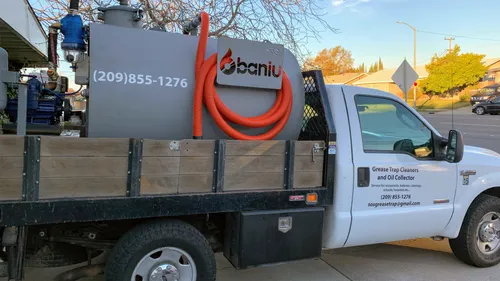
Grease Trap Cleaners and Oil Collector
722 Katlin Ct, Tracy, CA 95376
Grease Trap Cleaners and Oil Collector provides grease trap cleaning and used cooking oil collection services in San Jose, CA. The company specializes in maintaining grease traps and safely collecting used cooking oil to support proper waste management and recycling efforts.
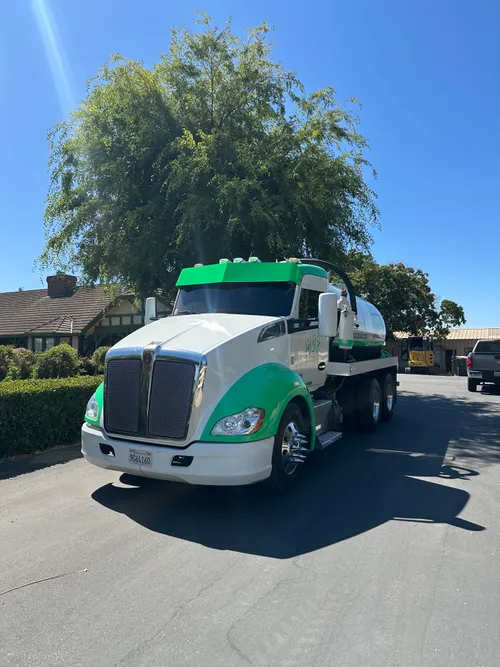
Mountain Valley Septic
Oakdale, CA 95361
Mountain Valley Septic provides septic tank pumping, system repairs, inspections, and grease trap cleaning in San Jose, CA. They serve commercial and industrial clients with services including lift station pumping, line locating, and camera inspections. The company uses up-to-date pumping technology and offers 24-hour emergency service to address urgent needs.
Understanding Local Grease Interceptor Regulations
Compliance in Ceres begins with knowing the rules. The foundation is the California Health and Safety Code (HSC) §114201, which sets statewide standards for grease interceptors in food service establishments. This code mandates that interceptors be of an approved type, readily accessible for service and inspection, and generally not located in food preparation areas unless specifically approved.
The City of Ceres adopts and enforces the California Plumbing Code (CPC), which provides the detailed technical specifications for grease interceptor installation and function 1. Key requirements often include:
- Proper Sizing: Interceptors must be sized based on the kitchen's flow rate (e.g., 20-50 gallons per minute) and fixture units to effectively capture FOG before it cools and solidifies.
- Correct Installation: This includes proper venting, accessible lids, and ensuring waste from garbage disposals does not bypass the interceptor, which can render it ineffective 2.
- Approved Design: Units must have adequate baffling to slow water flow and allow FOG to separate and solids to settle.
Regular inspections by the City of Ceres Public Works, Building Department, or the Stanislaus County Environmental Health Department verify compliance with these capacity, accessibility, and maintenance record requirements.
Determining Your Cleaning and Maintenance Schedule
A proactive maintenance schedule is the best way to ensure compliance and system efficiency. Waiting for a problem is a recipe for violations and expensive emergency repairs.
The universal rule is to have your grease interceptor pumped and cleaned when the combined FOG and solids reach 25% of the unit's capacity 3. For most establishments in Ceres, this translates to a cleaning frequency of every 1 to 3 months, though high-volume kitchens may require monthly service.
Your specific schedule should be guided by:
- Kitchen Volume: The amount of greasy wastewater you generate is the primary factor.
- Interceptor Manufacturer Specifications: Always consult and follow the maintenance guidelines provided by the interceptor manufacturer.
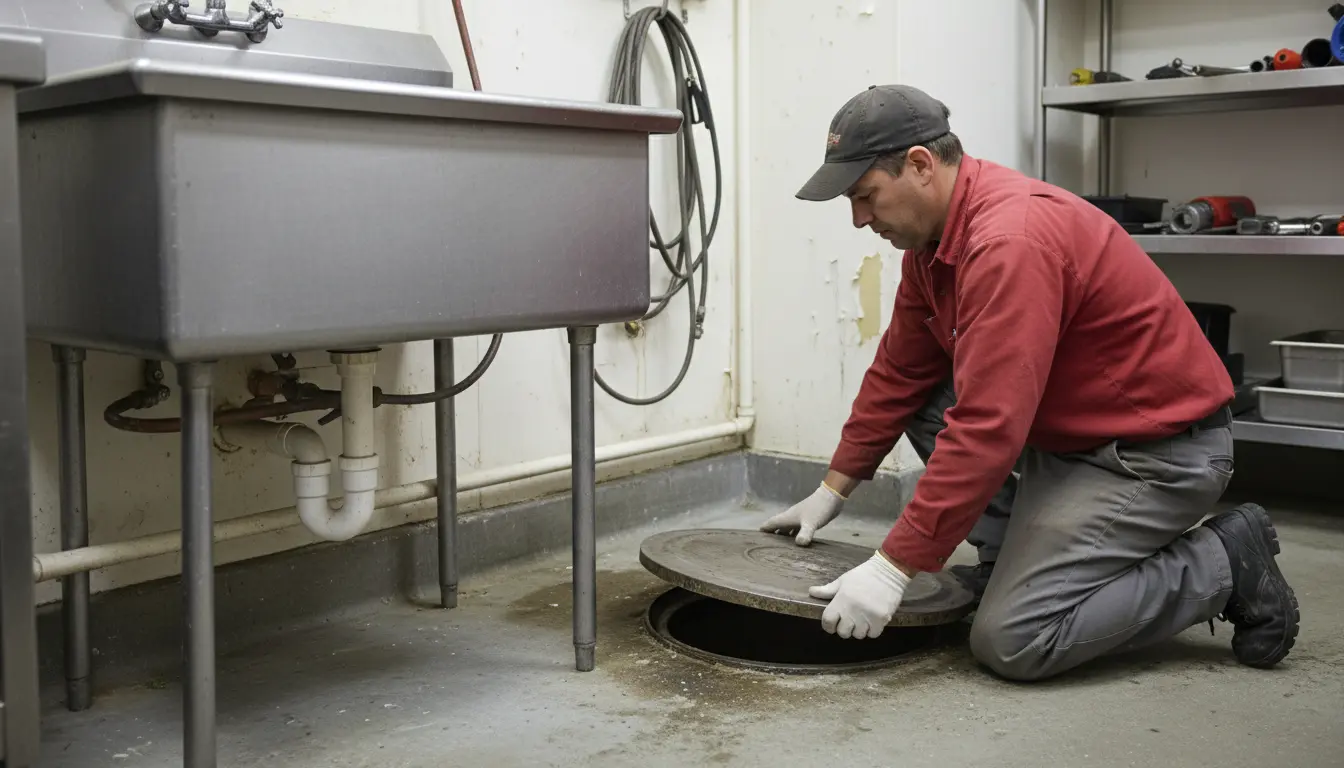
- Visual Inspections: Regularly check the accumulation level by lifting the lid (with proper safety precautions). A layer of grease and solids more than one-quarter of the depth means it's time for service.
Keeping detailed maintenance logs is not just good practice; it's often required during official inspections to demonstrate due diligence and compliance with local ordinances.
The Consequences of Non-Compliance
Failing to maintain your grease interceptor has serious repercussions for both your business and the City of Ceres's sewer system. When FOG escapes into the sewers, it cools, hardens, and combines with other debris to form massive blockages known as "fatbergs." These can cause:
- Sewer Backups: Into city streets, businesses, and even homes, creating public health hazards.
- Expensive Public Works Repairs: The cost of which can be passed on to utility customers.
To prevent this, local enforcement is strict. The inspection process for non-compliance typically escalates from an initial warning to substantial fines and mandatory re-inspections. In severe or repeated cases, authorities have the power to suspend your business license or order a shutdown until the interceptor is brought back to code and professionally cleaned 4 5. The cost of compliance is always less than the cost of violation.
Find the perfect grease trap cleaning companies for your needs
Get personalized recommendations and expert advice
What to Expect from Professional Grease Trap Cleaning Services
Hiring a reputable professional service is the most reliable way to meet regulatory demands. A thorough service involves more than just vacuuming out the contents.
A complete grease interceptor cleaning should include:
- Pumping: Removing all liquid, FOG, and settled solids from the interceptor tank.
- Scraping and High-Pressure Washing: Manually scraping grease from the walls, baffles, and inlet/outlet tees, followed by pressure washing to remove residual waste.
- Inspection: Checking the internal baffles, lids, gaskets, and overall structure for damage or wear.
- Proper Disposal: Hauling the collected grease waste to an approved rendering or recycling facility, with documentation provided for your records.
- Detailed Service Report: Providing you with a receipt or report noting the date, volume removed, and the condition of the interceptor-crucial for your inspection file.
Cost Factors for Grease Interceptor Maintenance
The cost for a standard grease trap or interceptor cleaning service in the Ceres area can vary. For most small to medium-sized restaurant interceptors, you can expect a typical range of $100 to $300+ per cleaning 6 7 8. Several factors influence the final price:
- Interceptor Size and Type: Larger in-ground grease interceptors cost significantly more to service than smaller under-sink grease traps.
- Accumulation Level: A heavily neglected interceptor that is overly full requires more labor and disposal capacity.
- Accessibility: Easy, clear access to the interceptor lid keeps costs down. Digging out or moving equipment adds time and expense.
- Service Frequency: Contracting for regular, scheduled service often comes at a better rate than one-time emergency calls.
Investing in routine maintenance is ultimately cost-effective, preventing the much higher expenses associated with sewer line backups, emergency plumbing, and regulatory fines.
Best Practices for Kitchen Staff
Professional cleaning is essential, but daily kitchen practices greatly extend the time between services and improve interceptor performance. Educate your staff on these key habits:
- Scrape, Don't Rinse: Scrape all food scraps from plates, pots, and pans into the trash or compost bin before washing.
- Use Drain Screens: Place screens in all sink drains to catch solid food particles.
- Collect Grease: Let frying oil and pan grease cool, then pour it into a sealed container for recycling or proper trash disposal-never down the drain.
- Minize Garbage Disposal Use: Avoid using the garbage disposal for greasy or starchy foods, as this sends emulsified fats directly to the interceptor, reducing its efficiency.
By integrating these practices, you reduce the FOG load on your interceptor, leading to fewer cleanings, lower service costs, and a lower risk of compliance issues.
Frequently asked questions
Sources
Footnotes
-
1003.3 Grease Traps and Grease Interceptors - UpCodes - https://up.codes/s/grease-traps-and-grease-interceptors ↩
-
Grease Trap Cleaning For California Restaurants: Why & When To Do It - https://cacciaplumbing.com/blog/grease-trap-cleaning-california-restaurants/ ↩
-
HYDROMECHANICAL GREASE INTERCEPTOR (HGI ... - https://www.spokanecounty.gov/DocumentCenter/View/51138/Hydromechanical-Grease-Interceptor-HGI-Maintenance---English?bidId= ↩
-
California Health and Safety Code § 114201 (2024) - Justia Law - https://law.justia.com/codes/california/code-hsc/division-104/part-7/chapter-7/article-2/section-114201/ ↩
-
Grease Trap Inspection - InterNACHI® - https://www.nachi.org/grease-trap-inspection.htm ↩
-
Restaurant Grease Trap Cleaning FAQs - Mahoney Environmental - https://www.mahoneyes.com/restaurant-grease-trap-cleaning-faqs/ ↩
-
Grease Trap Cleaning - How Often Should Grease Traps Be Cleaned? - https://www.fcs-inc.org/how-often-should-grease-traps-be-cleaned/ ↩
-
Grease Trap Maintenance: How Often Should This Be Scheduled? - https://ace1965.com/2024/07/grease-trap-maintenance-how-often-should-this-be-scheduled/ ↩