Find the Best Grease Trap Cleaning Companies for Your Business
No obligation • Fast responses • Nationwide coverage

Why you can trust Restaurant Waste Disposal
Restaurant Waste Disposal is a leading U.S. resource for comparing restaurant composting, food-waste recycling, grease trap cleaning, and used cooking oil collection services. Our editorial team researches providers, checks credentials, and organizes unbiased information so operators can make informed decisions. Companies cannot pay to change ratings or placement.
Search providers near you
Top Grease Trap Cleaning Companies in Watsonville, California Ranked
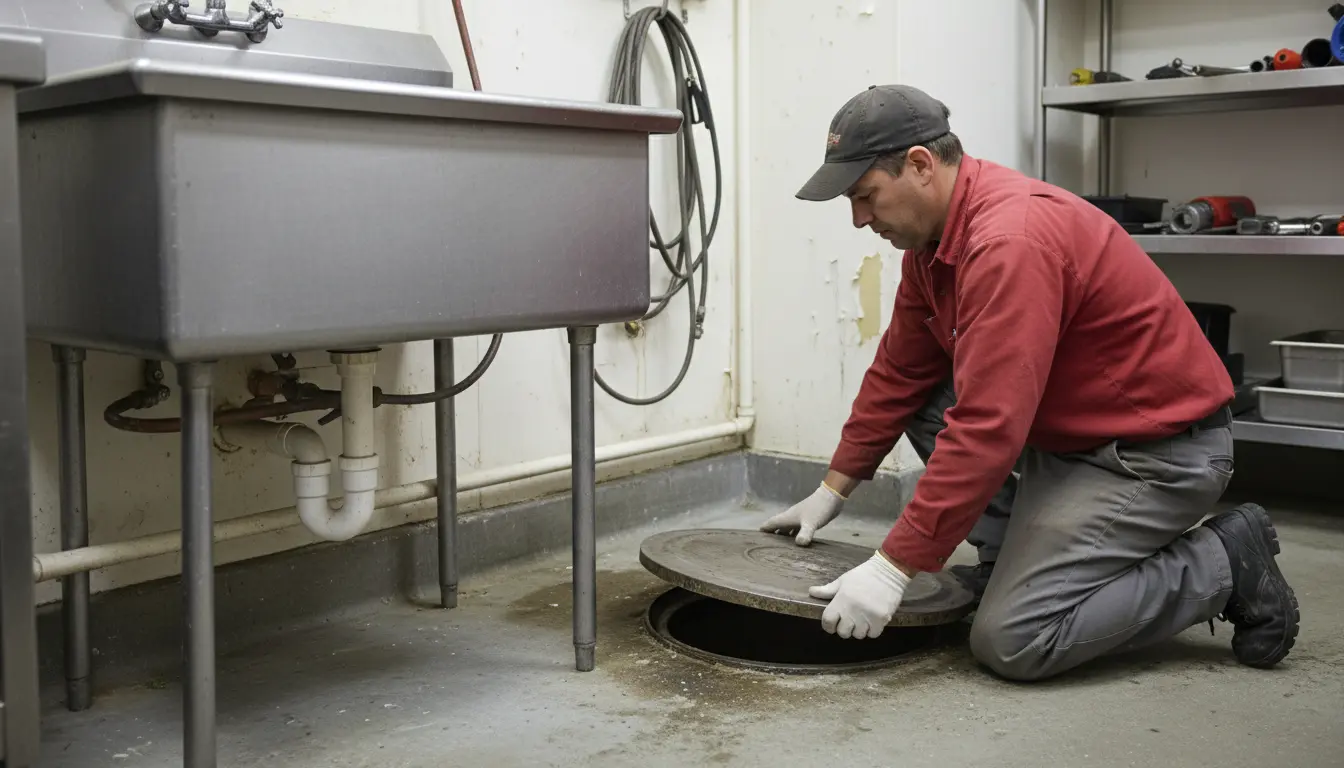
For restaurant owners and facility managers in Watsonville, maintaining a clean and compliant grease trap is not just a routine chore-it's a critical component of your business's operational and environmental responsibility. These systems, also known as grease interceptors, are your first line of defense against fats, oils, and grease (FOG) entering the municipal sewer system. Adherence to both California state codes and specific local Watsonville wastewater regulations is mandatory to prevent costly blockages, severe fines, and service interruptions. Proper grease interceptor maintenance protects your plumbing, supports the city's sewer infrastructure, and is an essential part of sustainable food service operations in the Pajaro Valley.
Roto-Rooter Plumbing & Water Cleanup
1500 41st Ave Ste 260, Capitola, CA 95010
Roto-Rooter Plumbing & Water Cleanup provides comprehensive plumbing services in San Jose, CA, specializing in both residential and commercial systems. Their offerings include drain cleaning, sewer line repair and replacement, water heater installation and repair, grease trap maintenance, and floodwater cleanup. The company uses advanced equipment such as hydro-jetting for effective drain cleaning and offers 24/7 emergency plumbing services to address urgent issues promptly. Serving Capitola and surrounding communities, Roto-Rooter has extensive experience managing plumbing challenges unique to the area, including compliance with local regulations and environmental concerns.
Eco-Flow Plumbing Inc.
122 Hubbard St, Santa Cruz, CA 95060
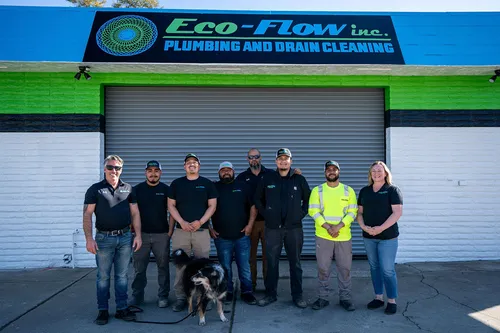
Eco-Flow Plumbing Inc. is a licensed and insured plumbing company serving San Jose, CA, and the surrounding Santa Cruz area. Since 2008, they have provided plumbing services for both residential and commercial clients, including sewer repairs, water heater services, and restaurant grease trap cleaning. Their team is equipped to perform high-pressure water jetting for pipe cleaning and emergency situations.
Roto-Rooter Plumbing & Water Cleanup
310 Locust St Suite F, Santa Cruz, CA 95060
Roto-Rooter Plumbing & Water Cleanup provides comprehensive plumbing services in Santa Cruz, CA, catering to both residential and commercial clients. Their offerings include drain cleaning, sewer line repairs, water heater installation and repair, mold remediation, grease trap cleaning, and floodwater cleanup. The company uses advanced equipment such as hydro-jetting for drain maintenance and offers 24/7 emergency plumbing services to address urgent issues like burst pipes and sewer backups. Serving Santa Cruz and surrounding counties, Roto-Rooter has extensive experience managing plumbing needs for a variety of sectors including education, healthcare, and retail.
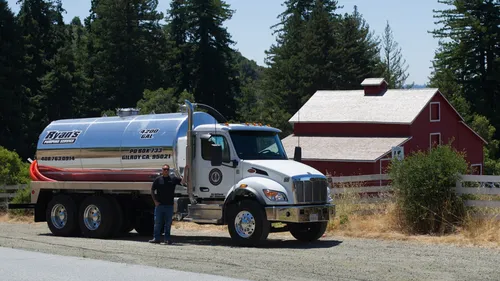
Ryans pumping service Inc
7495 Santa Theresa Dr, Gilroy, CA 95020
Ryans Pumping Service Inc is a grease trap cleaning company based in Gilroy, CA. They provide grease trap maintenance and cleaning services to local businesses to help manage waste and maintain proper sanitation.
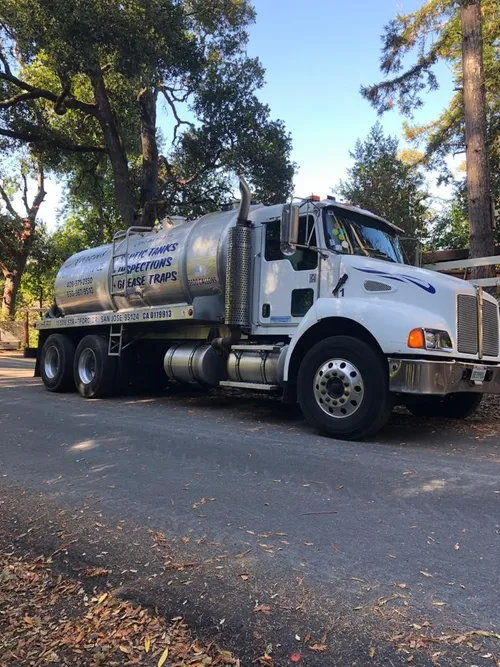
Aaron's Septic Tank Service
San Jose, CA
Aaron's Septic Tank Service has been providing septic system pumping and inspections in San Jose, CA, and the surrounding Bay Area since 1974. The company serves Santa Clara, San Mateo, and Santa Cruz counties with services including septic tank pumping, septic inspections, sewage ejector pump stations, and cleaning of grease traps and grease interceptors. They also handle real estate septic inspections and environmental health permit requirements, offering over 45 years of experience in these specialized services.
Understanding Watsonville's Grease Trap Regulations
Operating a food service establishment in Watsonville means complying with a layered set of rules designed to protect the local wastewater system. At the state level, the California Health and Safety Code sets the foundation, mandating that grease traps be easily accessible for service and inspection and prohibiting their installation in food preparation areas. Locally, the City of Watsonville's Wastewater Department enforces additional, often more stringent, requirements to manage FOG discharge effectively.
The core local rule typically involves a performance-based cleaning schedule. You are generally required to have your grease interceptor serviced when the combined FOG and solids accumulate to 25% of the trap's volume. For many busy kitchens, this threshold is reached quickly, making a monthly (30-day) cleaning cycle a common and prudent standard to avoid violations. Keeping detailed maintenance logs that document each service date, the volume of waste removed, and the servicing company is not just good practice-it's a key item inspectors will review.
The Inspection and Enforcement Process
The City of Watsonville's Wastewater Department conducts inspections to ensure compliance. These can be scheduled routine checks or unannounced visits, particularly if there is a history of issues or a suspected problem upstream. Inspectors will examine the physical condition of your trap, review your maintenance records, and may check the FOG levels directly.
Non-compliance carries real consequences. Initial violations often result in formal warnings and mandated cleaning deadlines. Repeated or severe infractions, such as grease overflows or consistently high FOG discharge, can lead to significant fines, sewer surcharge fees, and in extreme cases, the authority to discontinue sewer service until the issue is resolved 1. Proactive maintenance is always far less expensive than reactive penalties.
Cost Factors for Grease Interceptor Service
Investing in regular professional cleaning is a fundamental cost of doing business. Prices in Watsonville vary based on several key factors, but understanding the typical ranges can help you budget effectively. The single largest determinant is the size and capacity of your grease trap.
- Small to Medium Traps (Under 50 gallons): Common for smaller kitchens or prep sinks, cleaning for these units typically ranges from $150 to $300 per service.
- Large Grease Interceptors (100+ gallons): Standard for full-service restaurants, these require more labor and disposal capacity, with costs generally falling between $300 and $700 or more per cleaning 2 3.
Other variables that influence the final price include the frequency of service (regularly scheduled cleanings often cost less than emergency calls), the volume of FOG and solids to be removed, the physical accessibility of the trap, and the specific pricing model of the service provider. Always request detailed quotes that outline what is included, such as waste hauling and manifest documentation.
Find the perfect grease trap cleaning companies for your needs
Get personalized recommendations and expert advice
Best Practices for Effective Grease Management
Beyond simply scheduling cleanings, a comprehensive approach to grease control can extend the time between services, reduce costs, and minimize compliance risk. Implementing these operational best practices is highly recommended.
Install and Maintain Properly: Ensure your grease interceptor is correctly sized for your kitchen's volume and is installed in an accessible location, as per code. Only licensed professionals should handle installation and major repairs.
Maintain Meticulous Records: Keep a dedicated logbook on-site. Each entry should include the service date, the name of the company, the volume of grease and solids pumped, and the technician's signature or a copy of the service manifest. This log is your proof of due diligence 4.
Clean on a Preventive Schedule: Don't wait for a problem. Adhere to the "25% full" rule or a strict 30-day cycle, whichever comes first. A consistently maintained trap is more efficient and prevents emergency backups 5 6.
Partner with Reputable Vendors: Hire licensed and insured grease trap cleaning companies that provide proper waste disposal manifests. These documents prove that the collected FOG was disposed of or recycled according to environmental regulations.
Reduce FOG at the Source: The less grease that goes down the drain, the better. Train staff to scrape food scraps into compost or trash, use sink strainers, and never pour liquid grease or cooking oil down drains. Collect used fryer oil separately for recycling programs 7.
Taking the Next Step
The most actionable step you can take is to proactively engage with the local authorities and service providers. Contact the City of Watsonville Wastewater Department (or Public Works Division) to confirm the exact local ordinances and inspection schedules applicable to your business. Simultaneously, consult with established local service companies for site-specific assessments and competitive quotes for routine maintenance. This two-pronged approach ensures you have both the regulatory knowledge and the practical service plan needed for long-term compliance and operational smoothness.
Frequently asked questions
Sources
Footnotes
-
California Health and Safety Code § 114201 (2024) - Justia Law - https://law.justia.com/codes/california/code-hsc/division-104/part-7/chapter-7/article-2/section-114201/ ↩
-
Fresno Grease Trap Maintenance: Essential Facility Management Guide - myshyft.com - https://www.myshyft.com/blog/grease-trap-cleaning-fresno-california/ ↩
-
Charlotte Grease Trap Cleaning: Essential Facilities Maintenance Guide - myshyft.com - https://www.myshyft.com/blog/grease-trap-cleaning-charlotte-north-carolina/ ↩
-
Grease Trap Cleaning How-To Guide for Commercial Kitchens (Free Posters) - https://www.fooddocs.com/food-safety-templates/grease-trap-cleaning ↩
-
Restaurant Grease Trap Cleaning FAQs - Mahoney Environmental - https://www.mahoneyes.com/restaurant-grease-trap-cleaning-faqs/ ↩
-
HYDROMECHANICAL GREASE INTERCEPTOR (HGI ... - https://www.spokanecounty.gov/DocumentCenter/View/51138/Hydromechanical-Grease-Interceptor-HGI-Maintenance---English?bidId= ↩
-
Grease Trap Cleaning - https://northbayrestaurantservices.com/grease-trap-cleaning-bay-area/ ↩