Find the Best Grease Trap Cleaning Companies for Your Business
No obligation • Fast responses • Nationwide coverage

Why you can trust Restaurant Waste Disposal
Restaurant Waste Disposal is a leading U.S. resource for comparing restaurant composting, food-waste recycling, grease trap cleaning, and used cooking oil collection services. Our editorial team researches providers, checks credentials, and organizes unbiased information so operators can make informed decisions. Companies cannot pay to change ratings or placement.
Search providers near you
Top Grease Trap Cleaning Companies in Upland, California Ranked
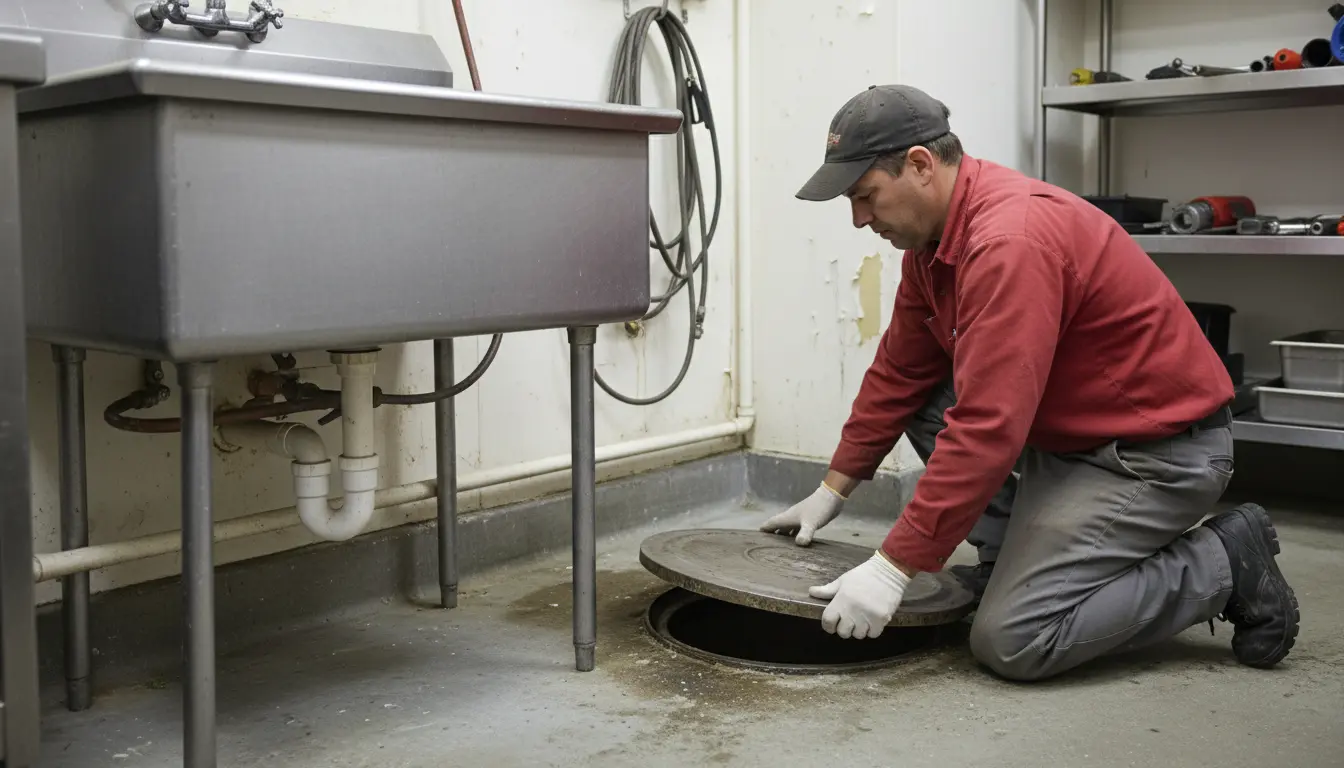
For restaurant owners and kitchen managers in Upland, maintaining a clean and compliant grease interceptor is a critical, non-negotiable part of daily operations. Proper grease trap maintenance isn't just about avoiding unpleasant odors or clogs; it's a legal requirement enforced by local and state codes to protect the city's sewer infrastructure. Failing to adhere to these regulations can result in significant fines, operational shutdowns, and costly emergency repairs. This guide outlines the essential rules, best practices, and local considerations for effective grease management in Upland, helping you ensure your establishment runs smoothly and avoids compliance issues.
The cornerstone of compliance in California is the "25% Rule." This regulation mandates that your grease interceptor must be pumped when the combined volume of floating fats, oils, and grease (FOG) and settled solids reaches 25% of the unit's liquid depth. While many municipalities set a minimum pumping frequency of "not less than once every six months," this is often an absolute minimum1 2. In practice, the required service interval for your specific kitchen is determined by this 25% threshold, meaning high-volume establishments like busy diners or fast-food restaurants may need service every month or even bi-weekly to stay compliant 3. Keeping detailed maintenance logs-including dates, volumes removed, and service provider information-is not just good practice; it's a requirement you must be prepared to show inspectors upon request 1.
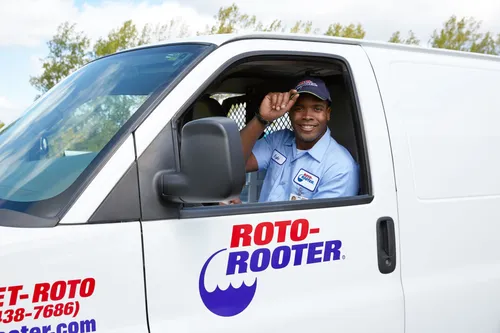
Roto-Rooter Plumbing & Water Cleanup
241 E Colorado Blvd #202, Pasadena, CA 91101
Roto-Rooter Plumbing & Water Cleanup provides comprehensive residential and commercial plumbing services in Los Angeles, CA. They specialize in a wide range of plumbing solutions including grease trap cleaning, sewer line repairs, water heater installation and repair, and emergency floodwater cleanup. The company is equipped with advanced tools such as hydro-jetting equipment to handle complex plumbing issues efficiently. Serving the Pasadena area and surrounding communities, Roto-Rooter offers 24/7 emergency plumbing services throughout the year to address urgent plumbing needs. They are fully licensed and insured, focusing on both routine maintenance and emergency repairs.
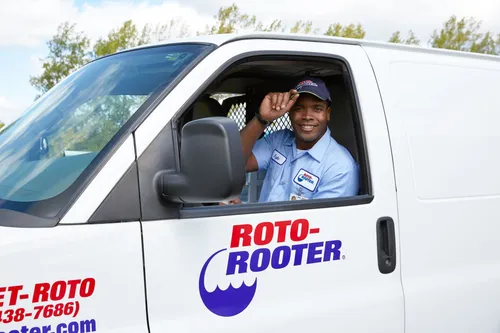
Roto-Rooter Plumbing & Water Cleanup
2050 W Chapman Ave #202, Orange, CA 92868
Roto-Rooter Plumbing & Water Cleanup offers a wide range of plumbing services in Los Angeles, CA, including grease trap cleaning, sewer and drain cleaning, water heater repair, and emergency flood cleanup. The company serves both residential and commercial clients, addressing issues from routine maintenance to urgent repairs. They utilize advanced tools such as HD inspection cameras and hydro-jetting to clear blockages and perform no-dig pipe replacements. Established with a legacy dating back to the invention of the original electric drain snake in 1935, Roto-Rooter provides 24/7 emergency plumbing services to handle urgent situations any time of day or night.
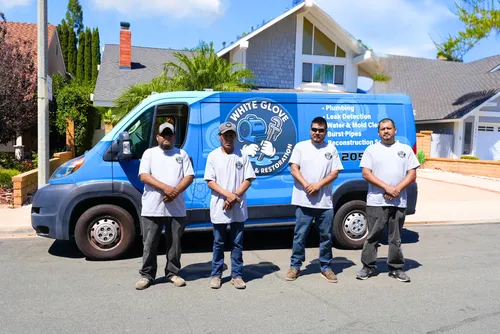
White Glove Plumbing Orange County
1430 E Borchard Ave, Santa Ana, CA 92705
White Glove Plumbing Orange County is a full-service plumbing and restoration company based in Santa Ana, serving residential and commercial clients throughout Los Angeles, CA. They provide a wide range of services including emergency plumbing, leak detection, hydro-jetting, water heater installation, grease trap pumping, sewage cleanup, mold remediation, and water damage restoration. The company offers 24/7 emergency services to quickly address urgent plumbing and restoration needs. Their expertise includes advanced capabilities such as slab leak reroutes, sewer camera inspections, and certified mold remediation. White Glove Plumbing combines plumbing and restoration services to manage repairs and rebuilds efficiently, reducing the need for multiple contractors.
Roto-Rooter Plumbing & Water Cleanup
524 W Commonwealth Ave Ste P, Fullerton, CA 92833
Roto-Rooter Plumbing & Water Cleanup provides comprehensive plumbing services in Los Angeles, CA, specializing in both residential and commercial plumbing needs. Their offerings include drain and sewer line cleaning, grease trap maintenance, water heater repair and installation, floodwater cleanup, mold remediation, and emergency plumbing services. The company is equipped with advanced tools such as high-definition inspection cameras and hydro-jetting equipment to handle complex plumbing challenges. Roto-Rooter has a long history dating back to 1935, known for pioneering innovations like the electric drain snake. They offer 24/7 emergency plumbing support to address urgent issues like burst pipes and sewer backups promptly.
Roto-Rooter Plumbing & Water Cleanup
1131 W 6th St Ste 209, Ontario, CA 91762
Roto-Rooter Plumbing & Water Cleanup provides a wide range of plumbing services in Anaheim, CA, including residential and commercial plumbing, floodwater cleanup, mold remediation, sewer and drain cleaning, and grease trap maintenance. The company is equipped to handle everything from routine repairs to complex installations and uses advanced technologies such as hydro jetting and no-dig pipe replacement to address sewer line issues efficiently. Roto-Rooter offers 24/7 emergency plumbing services to quickly respond to urgent problems like burst pipes, sewer backups, and water heater repairs. Serving Anaheim and surrounding communities, Roto-Rooter combines national expertise with local knowledge to meet diverse plumbing needs.
Understanding Local Enforcement and Inspections
In Upland, grease trap compliance is actively enforced by local agencies, typically the Public Works or Environmental Services department. Routine inspections are a standard part of doing business in the food service industry here. These inspections often occur on a bi-annual basis, though they can be more frequent depending on your establishment's history or the volume of waste you produce. During an inspection, officials will check the physical condition and cleanliness of your interceptor, review your maintenance and pumping records, and verify that the unit is easily accessible for service4. Non-compliance can lead to a cascade of problems, starting with formal notices and escalating to substantial fines, stop-work orders, or even the revocation of your sewer connection permit until violations are corrected. Proactive maintenance is the most effective strategy to pass these inspections seamlessly.
Determining Your Service Schedule and Costs
Establishing the right pumping frequency is the key to balancing cost-effectiveness with strict compliance. Your schedule should be dictated by your kitchen's output, not just a calendar. As mentioned, a low-volume cafe might safely operate on a 90-day cycle, while a high-output pizza restaurant or banquet hall could require monthly service 5. The only way to know for sure is to work with your service provider to monitor FOG accumulation and adjust the schedule accordingly.
When it comes to budgeting, costs for grease trap pumping in Upland typically range from $120 to $400 or more per service6. This wide range depends on several factors:
- Trap Size and Location: A small indoor grease trap will generally cost less to service than a large, buried outdoor interceptor.
- Level of Buildup: Regular service on a well-maintained trap is quicker and cheaper than a major cleaning for a severely neglected one.
- Service Contract: Many providers offer discounted rates for customers who commit to a regular, scheduled maintenance plan.
It's crucial to view this as a necessary operational expense rather than an optional one. A routine service call costing between $250 and $400 is far more economical than an emergency pump-out, which can easily cost between $800 and $1,200+ due to after-hours fees and the intensive labor required to address a severe blockage or backup7 8.
Find the perfect grease trap cleaning companies for your needs
Get personalized recommendations and expert advice
Best Practices for Grease Interceptor Maintenance
Beyond just scheduling regular pump-outs, proper daily and weekly practices can extend the life of your interceptor and improve its efficiency. First, ensure all kitchen staff are trained on what should never go down the drain. This includes coffee grounds, food scraps, and excessive cleaning chemicals, which can disrupt the natural separation process inside the trap. Installing and maintaining baskets or screens at sink drains to catch solid debris is a simple, highly effective first line of defense. Furthermore, using biodegradable degreasers and hot water can help keep lines flowing between professional cleanings. Finally, always verify that your service provider is fully licensed and insured to work in Upland, and that they provide you with a detailed service report and waste manifest after each cleaning for your records9.
Navigating the California Plumbing Code
Your grease management system is governed by the California Plumbing Code (CPC), which incorporates state-wide standards for the design, installation, and maintenance of grease interceptors10. The 25% rule is a direct reflection of these state requirements11. The CPC also specifies requirements for accessibility, meaning your grease trap must have clear, unobstructed access for both service vehicles and technicians to perform their work safely and completely. It is your responsibility as the business owner to be aware of these codes. For the most precise interpretation of how these state rules are applied locally, contacting the Upland Public Works or Environmental Services department is always recommended10 12. They can provide you with the exact municipal code sections, inspection schedules, and any city-specific amendments that apply to your restaurant.
The Consequences of Neglect
Ignoring grease trap maintenance leads to problems that extend far beyond a single fine. The most immediate issue is a sanitary sewer overflow (SSO), where FOG escapes your interceptor, cools, and solidifies inside the city's sewer mains. This can cause blockages that lead to raw sewage backing up into streets, businesses, or even homes-a public health hazard for which your business could be held financially liable. On your own property, a failed interceptor can cause slow drains, persistent foul odors, and kitchen downtime during emergency repairs. Repeated violations can also damage your establishment's reputation with local regulators, leading to more frequent and stringent inspections. Investing in consistent, documented maintenance is the simplest way to protect your business from these severe risks and ensure your kitchen remains a safe, efficient, and compliant operation.
Frequently asked questions
Sources
Footnotes
-
12.20.220. Grease trap requirements. - https://codelibrary.amlegal.com/codes/fullerton/latest/fullerton_ca/0-0-0-18563 ↩ ↩2
-
Grease Trap Cleaning from Santa Clarita to San Diego - https://phoenixpumping.com/grease-trap-maintenance/ ↩
-
Commercial Grease Trap Cleaning Services in Bay Area - https://powerplumbingusa.com/commercial/grease-trap-cleaning/ ↩
-
How to Clean a Grease Trap (and How Often You Should) - https://greaseconnections.com/how-to-clean-a-grease-trap-and-how-often-you-should/ ↩
-
Restaurant Grease Trap Cleaning FAQs - Mahoney Environmental - https://www.mahoneyes.com/restaurant-grease-trap-cleaning-faqs/ ↩
-
Grease Trap Pumping San Francisco - North Bay Restaurant Services - https://northbayrestaurantservices.com/grease-trap-pumping-san-francisco/ ↩
-
Ultimate Grease Trap Pumping Cost Guide: Essential Money-Saving ... - https://www.texwaywastewater.com/grease-trap-pumping-cost/ ↩
-
Restaurant Grease Trap & Interceptor Cleaning Cost - https://greasemanagement.org/pricing.html ↩
-
Grease Trap Cleaning in Upland, CA - https://greasetrapcleaningcolton.com/upland-ca.html ↩
-
Grease Trap Cleaning For California Restaurants - https://cacciaplumbing.com/blog/grease-trap-cleaning-california-restaurants/ ↩ ↩2
-
California Health and Safety Code § 114201 (2024) - Justia Law - https://law.justia.com/codes/california/code-hsc/division-104/part-7/chapter-7/article-2/section-114201/ ↩
-
Chapter 18.08 GREASE TRAPS - https://www.codepublishing.com/CA/PacificGrove/html/PacificGrove18/PacificGrove1808.html ↩