Find the Best Grease Trap Cleaning Companies for Your Business
No obligation • Fast responses • Nationwide coverage

Why you can trust Restaurant Waste Disposal
Restaurant Waste Disposal is a leading U.S. resource for comparing restaurant composting, food-waste recycling, grease trap cleaning, and used cooking oil collection services. Our editorial team researches providers, checks credentials, and organizes unbiased information so operators can make informed decisions. Companies cannot pay to change ratings or placement.
Search providers near you
Top Grease Trap Cleaning Companies in Thousand Oaks, California Ranked
For restaurant owners and kitchen managers in Thousand Oaks, maintaining a clean and compliant grease trap isn't just a maintenance task-it's a critical legal and environmental responsibility. Located in Ventura County, food service establishments here must adhere to strict local and state codes designed to prevent fats, oils, and grease (FOG) from entering the municipal sewer system. Proper grease interceptor maintenance protects your business from severe penalties, ensures smooth kitchen operations, and contributes to the health of the local wastewater infrastructure. This guide outlines the essential regulations, best practices, and cost considerations for effective grease management in Thousand Oaks.
Roto-Rooter Plumbing & Water Cleanup
110 N Maclay Ave Suite 110, San Fernando, CA 91340
Roto-Rooter Plumbing & Water Cleanup provides comprehensive plumbing services in Los Angeles, CA, specializing in both residential and commercial plumbing needs. Their offerings include floodwater cleanup, sewer and drain cleaning, faucet and toilet repairs, water heater installation and maintenance, grease trap cleaning, and sewer line repair and replacement. They use advanced techniques such as hydro-jetting and trenchless excavation to address plumbing challenges efficiently. Serving the San Fernando Valley and surrounding communities, Roto-Rooter has extensive knowledge of local plumbing infrastructure and environmental factors. The company operates a 24/7 emergency service line to handle urgent plumbing issues at any time.
Roto-Rooter Plumbing & Water Cleanup
10233 Topanga Canyon Blvd, Chatsworth, CA 91311
Roto-Rooter Plumbing & Water Cleanup provides a wide range of residential and commercial plumbing services in Los Angeles, CA. Their offerings include grease trap cleaning, sewer and drain cleaning, water heater repair and installation, mold remediation, and emergency flood services. The company is equipped with advanced tools like high-pressure water jetting and HD inspection cameras to handle complex plumbing issues, including no-dig sewer line repairs. With a history dating back to the invention of the original Roto-Rooter electric drain snake in 1935, they bring decades of expertise to the local community. They also offer 24/7 emergency plumbing services to address urgent problems at any time.
Roto-Rooter Plumbing & Water Cleanup
554 S San Vicente Blvd Ste 208, Los Angeles, CA 90048
Roto-Rooter Plumbing & Water Cleanup offers a wide range of plumbing services in Los Angeles, CA, including floodwater cleanup, sewer and drain cleaning, faucet and toilet repairs, water heater services, and grease trap maintenance. They serve both residential and commercial clients, addressing unique plumbing challenges in the area with specialized tools and expertise. Established in 1935, Roto-Rooter is known for its advanced drain cleaning technology, including high-pressure water jetting (hydro-jetting). The company provides 24/7 emergency plumbing services to handle urgent issues like burst pipes and sewer backups promptly.
Advanced Sanitation - Septic Tank Pumping, Installation & Repair Ventura County
3379 Somis Rd Unit E, Somis, CA 93066
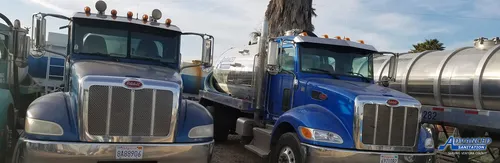
Advanced Sanitation - Septic Tank Pumping, Installation & Repair Ventura County provides septic tank and grease trap pumping, installation, inspection, and repair services in Oxnard, CA. They serve Ventura County and surrounding areas including Moorpark, Simi Valley, and Santa Barbara. The company offers septic system installations with soil and percolation testing, septic tank riser installations, grease trap maintenance, and camera video inspections using advanced technology. With over 30 years of experience, Advanced Sanitation works closely with geological engineers to design and install septic systems tailored to each property. They also provide flexible scheduling to accommodate business needs and maintain clear communication during service calls.
Septic Tank Pumping Guys
6360 Van Nuys Blvd ste 113, Van Nuys, CA 91401
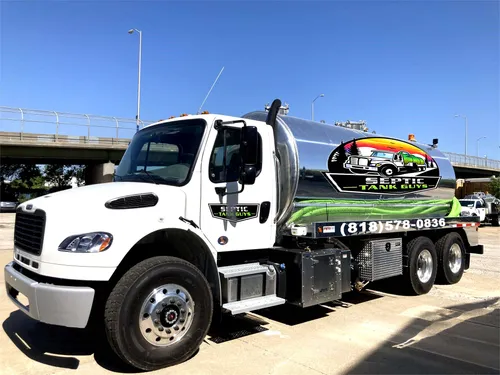
Septic Tank Pumping Guys provides septic system pumping, cleaning, inspections, repairs, and installations in Los Angeles, CA. They serve both residential and commercial clients, including grease trap pumping for restaurants. Their team uses modern equipment to maintain septic systems efficiently and offers 24/7 emergency services for urgent issues. The company also develops maintenance plans and handles waste disposal in compliance with local regulations.
Understanding Local Grease Trap Regulations
Thousand Oaks, like all California cities, operates under the umbrella of the California Health and Safety Code, with specific enforcement typically handled by local authorities such as the City of Thousand Oaks Public Works Department or the Ventura County Public Works Agency. These regulations are not suggestions; they are enforceable laws with significant consequences for non-compliance.
The core rule mandates that grease interceptors must be cleaned and pumped out whenever the combined FOG and solid sludge accumulates to 25% of the liquid depth of the trap 1 2 3. While this is the legal trigger, the actual required frequency can vary dramatically based on your kitchen's volume. A high-output establishment like a busy steakhouse or pizzeria may require monthly service, while a lower-volume cafe might be on a quarterly or bi-annual schedule 1 4. It is the business owner's responsibility to monitor accumulation and schedule service accordingly.
Key Compliance Requirements for Your Business
Staying compliant involves more than just periodic pumping. Local codes encompass several operational requirements:
- Professional Service Mandate: All grease trap cleaning and pumping must be performed by a licensed, certified, and insured waste hauler. These professionals are trained in proper disposal methods and can provide the necessary documentation for your records.
- Accessibility: Your grease interceptor must be easily accessible for both service technicians and city or county inspectors. Obstructions can lead to failed inspections and fines.
- Meticulous Record-Keeping: You are required to maintain detailed logs of every service event. This includes receipts, waste manifests, and reports from your service provider. These records must be available for review during inspections 5.
- Proper Use: Prevent solid waste-such as food scraps, wipes, and paper towels-from entering the trap. These materials can clog the system and reduce its efficiency, leading to more frequent and costly service needs 6.
Inspection and Enforcement: What to Expect
Enforcement is proactive. Inspections by city or county officials are often unannounced 7. An inspector will check for proper maintenance, review your service records, and ensure the trap is not nearing or exceeding the 25% accumulation limit.
The penalties for non-compliance are severe and designed to compel immediate action. They can include:
- Substantial daily fines, which can escalate into thousands of dollars per day until the violation is corrected.
- Mandatory re-inspection fees.
- In extreme cases of repeated or willful neglect, a business can face a suspension of its wastewater discharge permit or even temporary closure.
Find the perfect grease trap cleaning companies for your needs
Get personalized recommendations and expert advice
Cost of Grease Trap Services in Thousand Oaks
The cost for professional grease trap pumping and cleaning services in Thousand Oaks is not a flat fee; it varies based on several factors, including the size and location of your interceptor, the frequency of service, and the amount of waste removed.
- Regular Maintenance (Small to Medium Traps): For establishments on a consistent monthly or quarterly schedule, typical costs range from $125 to $250 per service 8.
- Larger Traps or Less Frequent Service: For larger capacity traps or those serviced semi-annually, prices often fall between $250 and $400+ per service.
- Emergency or One-Time Cleaning: Neglecting regular maintenance often leads to a crisis situation requiring immediate service, which can cost significantly more, typically ranging from $800 to $1,200 or more 9 10. Investing in routine maintenance is far more economical than paying for emergency remediation and potential fines.
Building a Proactive Grease Management Plan
A reactive approach to grease trap maintenance is a recipe for stress, unexpected expenses, and regulatory trouble. A proactive plan is essential.
- Confirm Local Specifications: Your first step should be to contact the City of Thousand Oaks Public Works Department to confirm the specific codes and reporting requirements for your exact location 11.
- Select a Qualified Partner: Hire a reputable, licensed, and insured grease trap service company with experience serving Ventura County restaurants. Verify their certifications and ask for references.
- Establish a Schedule: Based on your kitchen's FOG output and your initial service assessment, work with your provider to set a regular pumping schedule-whether monthly, quarterly, or otherwise-to stay well ahead of the 25% limit.
- Organize Documentation: Create a dedicated file, both physical and digital, for all grease-related documents. File every service receipt, waste manifest, and inspection report immediately after receipt.
Frequently asked questions
Sources
Footnotes
-
How Often to Clean Restaurant Grease Traps in Los Angeles, CA - https://bakercommodities.com/blog/2025/01/23/la-laws-for-grease-recycling/ ↩ ↩2
-
12.20.220. Grease trap requirements. - https://codelibrary.amlegal.com/codes/fullerton/latest/fullerton_ca/0-0-0-18563 ↩
-
California Health and Safety Code § 114201 (2024) - Justia Law - https://law.justia.com/codes/california/code-hsc/division-104/part-7/chapter-7/article-2/section-114201/ ↩
-
Grease Trap Cleaning For California Restaurants - Caccia Plumbing - https://cacciaplumbing.com/blog/grease-trap-cleaning-california-restaurants/ ↩
-
Complying with Grease Trap Codes: 5 Essential Tips - https://www.unitedsewerservice.com/complying-with-local-regulations-and-codes-for-grease-trap-maintenance/ ↩
-
Chapter 18.08 GREASE TRAPS - General Code - https://www.codepublishing.com/CA/PacificGrove/html/PacificGrove18/PacificGrove1808.html ↩
-
Grease Trap Regulations and Compliance: What You Need to ... - https://www.texwaywastewater.com/grease-trap-regulations-and-compliance/ ↩
-
Grease Trap Cleaning Prices | Guide on the Industry Average - https://grease-cycle.com/grease-trap-pumping-cost/ ↩
-
Ultimate Grease Trap Pumping Cost Guide: Essential Money-Saving ... - https://www.texwaywastewater.com/grease-trap-pumping-cost/ ↩
-
Ultimate Grease Trap Pumping Cost Guide: Essential Money-Saving Tips - https://www.texwaywastewater.com/grease-trap-pumping-cost/ ↩
-
Restaurant Grease Trap Cleaning FAQs - Mahoney Environmental - https://www.mahoneyes.com/restaurant-grease-trap-cleaning-faqs/ ↩