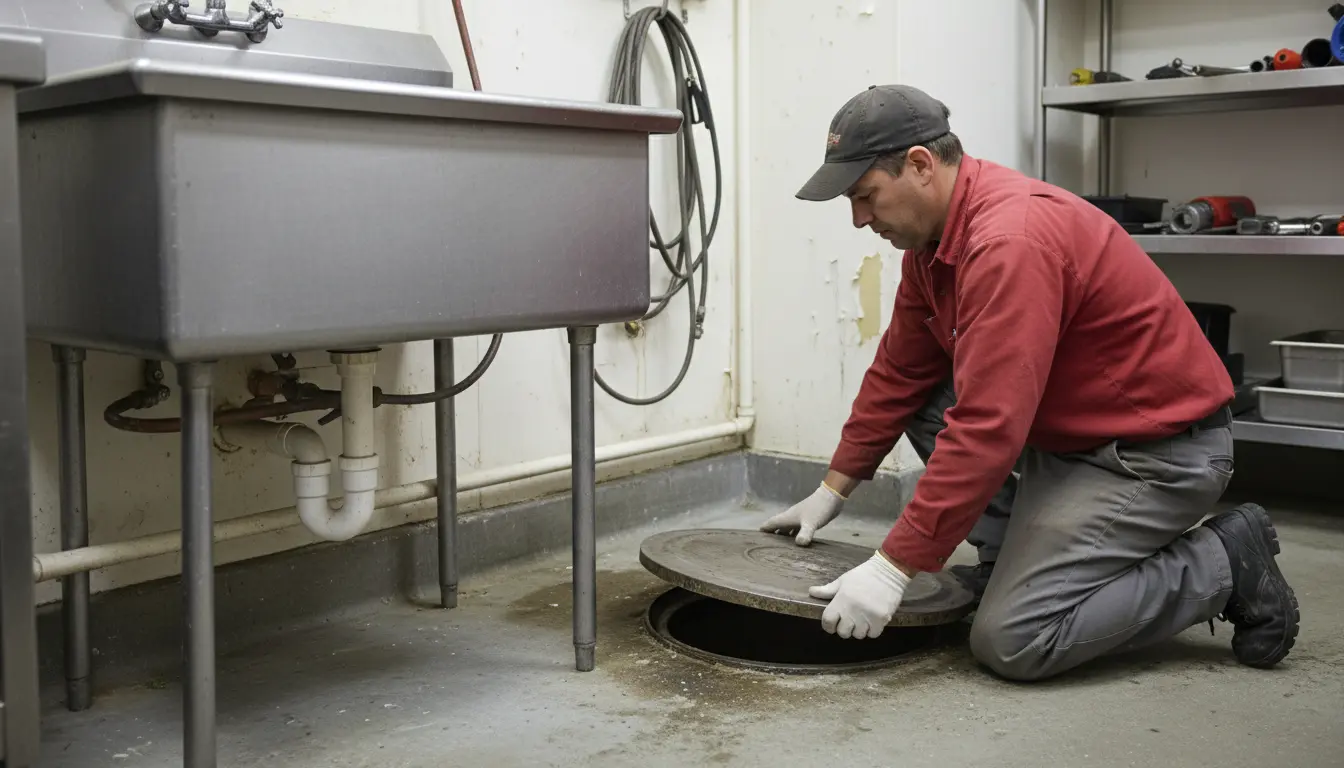
Find the Best Grease Trap Cleaning Companies for Your Business
No obligation • Fast responses • Nationwide coverage

Why you can trust Restaurant Waste Disposal
Restaurant Waste Disposal is a leading U.S. resource for comparing restaurant composting, food-waste recycling, grease trap cleaning, and used cooking oil collection services. Our editorial team researches providers, checks credentials, and organizes unbiased information so operators can make informed decisions. Companies cannot pay to change ratings or placement.
Search providers near you
Top Grease Trap Cleaning Companies in Temecula, California Ranked
For restaurant owners and food service operators in Temecula, managing fats, oils, and grease (FOG) is a critical operational and legal responsibility. Proper grease trap and interceptor maintenance is not just about avoiding unpleasant odors or slow drains; it's a mandatory requirement under California and local Riverside County regulations designed to protect the city's sewer infrastructure and the environment. Failing to adhere to strict cleaning schedules and documentation rules can result in significant fines, operational shutdowns, and costly emergency repairs. This guide outlines the essential compliance standards, practical maintenance steps, and cost considerations for effective FOG management in Temecula's vibrant culinary scene.
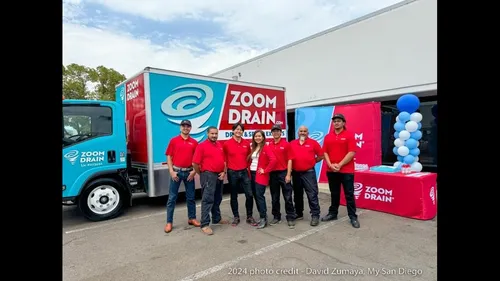
Zoom Drain SD North County
1317 Simpson Way Suite B, Escondido, CA 92029
Zoom Drain SD North County is a drain and sewer service provider based in Oceanside, CA, serving the North County San Diego area including Escondido and surrounding communities. They offer residential and commercial services, specializing in drain cleaning, sewer inspections using high-resolution cameras, and grease trap maintenance. Their capabilities include hydro-jetting to clear blockages such as tree root intrusions and applying eco-friendly treatments like RootX and CitraJet to maintain plumbing systems. The company is known for addressing complex plumbing issues with advanced technology and tailored solutions. Zoom Drain SD North County also supports property managers, contractors, and the food and hospitality sector with specialized maintenance plans and referral programs.
Drainman Cleaning
Perris, CA
Drainman Cleaning is a grease trap cleaning company based in Perris, CA. They specialize in maintaining and cleaning grease traps to help businesses manage waste effectively and comply with local regulations.

Roto-Rooter Plumbing & Water Cleanup
25014 Las Brisas Rd, Murrieta, CA 92562
Roto-Rooter Plumbing & Water Cleanup has been serving Murrieta, CA, and surrounding areas since 1935. They provide a full range of plumbing services including residential and commercial plumbing, drain cleaning, grease trap pumping, septic tank maintenance, and water cleanup. The company offers same-day and emergency services 24/7, including holidays, with no weekend fees and clear pricing policies. Their team is experienced in handling local plumbing systems and regulations, ensuring compliant and effective solutions.
Roto-Rooter Plumbing & Water Cleanup
2141 Industrial Ct, Vista, CA 92081
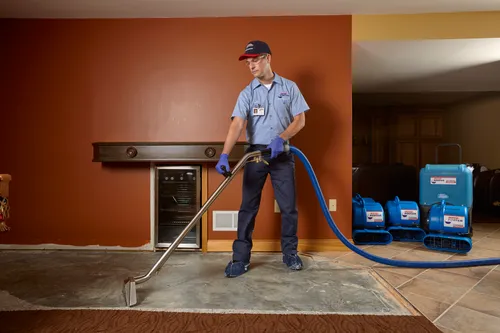
Roto-Rooter Plumbing & Water Cleanup in San Diego, CA, offers comprehensive plumbing services including drain cleaning, grease trap maintenance, and water cleanup. Serving Vista and surrounding areas, they provide solutions tailored to local plumbing challenges such as hard water and mineral buildup. The company has been operating since 1935, delivering a range of services like hydro-jetting and trenchless pipe repair to minimize property disruption. They offer same-day and emergency service 24/7, including holidays, with no weekend fees and limited after-hours charges.
J N Grease Services
25685 Sherman Rd, Romoland, CA 92585
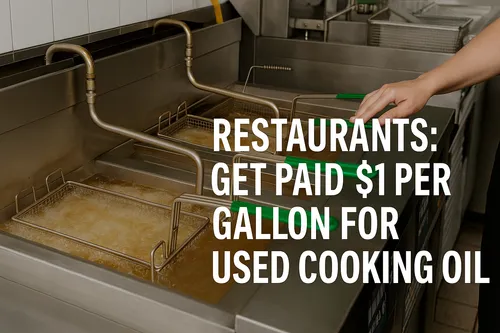
J N Grease Services is based in Menifee, CA, and has been providing waste handling solutions and maintenance services for over 20 years. They serve a wide range of clients including small restaurants, large restaurant chains, food manufacturers, and supermarkets throughout Southern California. Their services include used cooking oil collection and grease trap cleaning, supporting businesses in maintaining operational efficiency. J N Grease Services emphasizes competitive pricing and attentive customer care to build long-term relationships.
Understanding Local and State Grease Trap Regulations
Operating a food service business in California requires strict adherence to the California Plumbing Code (CPC), which sets the baseline for all grease control equipment. These state-level rules govern the design, minimum sizing (often starting at 750 gallons for full-service restaurants), and proper placement of grease interceptors 1. However, local enforcement in Temecula and Riverside County often involves even stricter standards and routine inspections to ensure compliance.
The cornerstone of compliance is the "25% Rule". You are required to have your grease interceptor cleaned when the combined accumulation of FOG and solids reaches 25% of the liquid depth of the trap 2. Even if this limit isn't reached, a minimum pumping frequency of every six months is mandated by code, with many high-volume establishments requiring quarterly service to stay within the limit. Proper location is also key; outdoor interceptors are preferred, while indoor grease traps must be installed outside of food preparation and storage areas 2.
The Inspection and Enforcement Landscape in Temecula
Local health and environmental agencies conduct routine inspections of food service facilities to enforce FOG regulations. The frequency of these inspections can depend on the establishment's history and perceived risk level. During an inspection, officials will check for proper interceptor function, look for signs of overflow or blockage, and, most importantly, review your maintenance records.
Documentation is your first line of defense. Keeping a detailed and up-to-date logbook of every grease trap pumping and cleaning service is non-negotiable 3 4. This log should include dates, the volume of waste removed, the servicing company's information, and the disposal manifest. If an inspector finds that the 25% limit has been exceeded or that minimum cleaning schedules haven't been met, they will issue a violation requiring immediate cleaning 5 6. Persistent non-compliance leads to escalating fines and can even result in a permit suspension, forcing a temporary shutdown.
Cost Factors for Grease Interceptor Maintenance
Investing in regular grease trap cleaning is far more economical than dealing with the consequences of neglect. Service costs in the Temecula area vary based on the type and size of your equipment, its accessibility, and the amount of FOG waste.
- Basic Indoor Grease Trap Cleaning: For smaller, indoor traps, a routine service typically ranges from $175 to $475 or more per cleaning 7.
- Large Outdoor Interceptor Pumping: Larger interceptors (1000+ gallons) common for restaurants start at around $550 and can increase significantly based on the total volume and FOG content that needs to be hauled away.
- Emergency Service Premiums: This is where costs skyrocket. Emergency calls for severe blockages or overflows can range from $800 to $1,200 or higher, due to after-hours rates, the need for more intensive labor, and potential hazardous conditions 8 9. Proactive, scheduled maintenance is the most effective strategy to avoid these punitive expenses and the risk of inoperable kitchen drains during business hours.
Find the perfect grease trap cleaning companies for your needs
Get personalized recommendations and expert advice
Proactive Maintenance and Best Practices
Beyond scheduling regular pump-outs, a comprehensive FOG management program involves daily operational habits.
Staff Training is Essential: Educate your kitchen team on what should never go down the drain. This includes cooking oils, gravy, dairy products, and food scraps. Encourage them to report early warning signs like gurgling sounds, slow-draining sinks, or foul odors emanating from drains. Some facilities use approved bacterial or enzyme treatments to help break down grease between pump-outs, but these are not a substitute for physical cleaning.
Establish a Reliable Service Schedule: Don't wait for the six-month mandate. Based on your cooking volume and menu, you may need service monthly or quarterly. A reputable service provider can help you determine the optimal frequency after an initial assessment 10.
Maintain Impeccable Records: As emphasized, your service log is a critical compliance document. Keep it in a known, accessible location for all managers. Also, retain copies of invoices and waste hauler manifests.
Communicate with Local Agencies: For the most specific, up-to-date requirements, it's always wise to contact the relevant Temecula or Riverside County department directly. They can provide guidance tailored to your specific business type and location 11.
The Risks of Non-Compliance
Ignoring grease trap maintenance carries substantial risks that extend beyond a simple fine. The most immediate danger is a sanitary sewer overflow (SSO) on your property or into the public sewer main. This can lead to severe environmental contamination, for which your business can be held financially liable. Furthermore, FOG buildup in public lines is a major cause of blockages for the entire community, potentially resulting in city-wide enforcement actions and significantly higher costs for remediation.
From an operational standpoint, a severely clogged interceptor can cause wastewater to back up into your kitchen, creating a massive health hazard and forcing you to close until the issue is resolved. The combined cost of emergency service, lost revenue, fines, and reputational damage makes preventive grease trap care one of the most important line items in your restaurant's operational budget.
Frequently asked questions
Sources
Footnotes
-
California Health and Safety Code § 114201 (2024) - Justia Law - https://law.justia.com/codes/california/code-hsc/division-104/part-7/chapter-7/article-2/section-114201/ ↩
-
Grease Traps/Interceptors in Food Facilities - County of San Diego - https://www.sandiegocounty.gov/content/dam/sdc/deh/fhd/food/pdf/publications_greasetrappolicy.pdf ↩ ↩2
-
12.20.220. Grease trap requirements. - https://codelibrary.amlegal.com/codes/fullerton/latest/fullerton_ca/0-0-0-18563 ↩
-
Grease Trap Regulations and Compliance: What You Need to Know - https://www.texwaywastewater.com/grease-trap-regulations-and-compliance/ ↩
-
Grease Trap Cleaning from Santa Clarita to San Diego - https://phoenixpumping.com/grease-trap-maintenance/ ↩
-
Grease Trap Cleaning For California Restaurants - https://cacciaplumbing.com/blog/grease-trap-cleaning-california-restaurants/ ↩
-
How Much Does a Proper Grease Trap Cleaning Cost? - https://hulseyenvironmental.com/how-much-does-a-proper-grease-trap-cleaning-partner-cost/ ↩
-
Ultimate Grease Trap Pumping Cost Guide: Essential Money-Saving ... - https://www.texwaywastewater.com/grease-trap-pumping-cost/ ↩
-
SoCal Grease Pumping Service - Grease Trap Cleaning & Pumping - https://thegreasecompany.com/blog/socal-grease-pumping-service/ ↩
-
The Ultimate Guide to Restaurant Grease Trap Cleaning - https://mokherplumbing.com/ultimate-guide-restaurant-grease-trap-cleaning/ ↩
-
Grease & Oil Pumping Company - Temecula, California - https://greasemanagement.org/greasetrapservicetemecula.html ↩