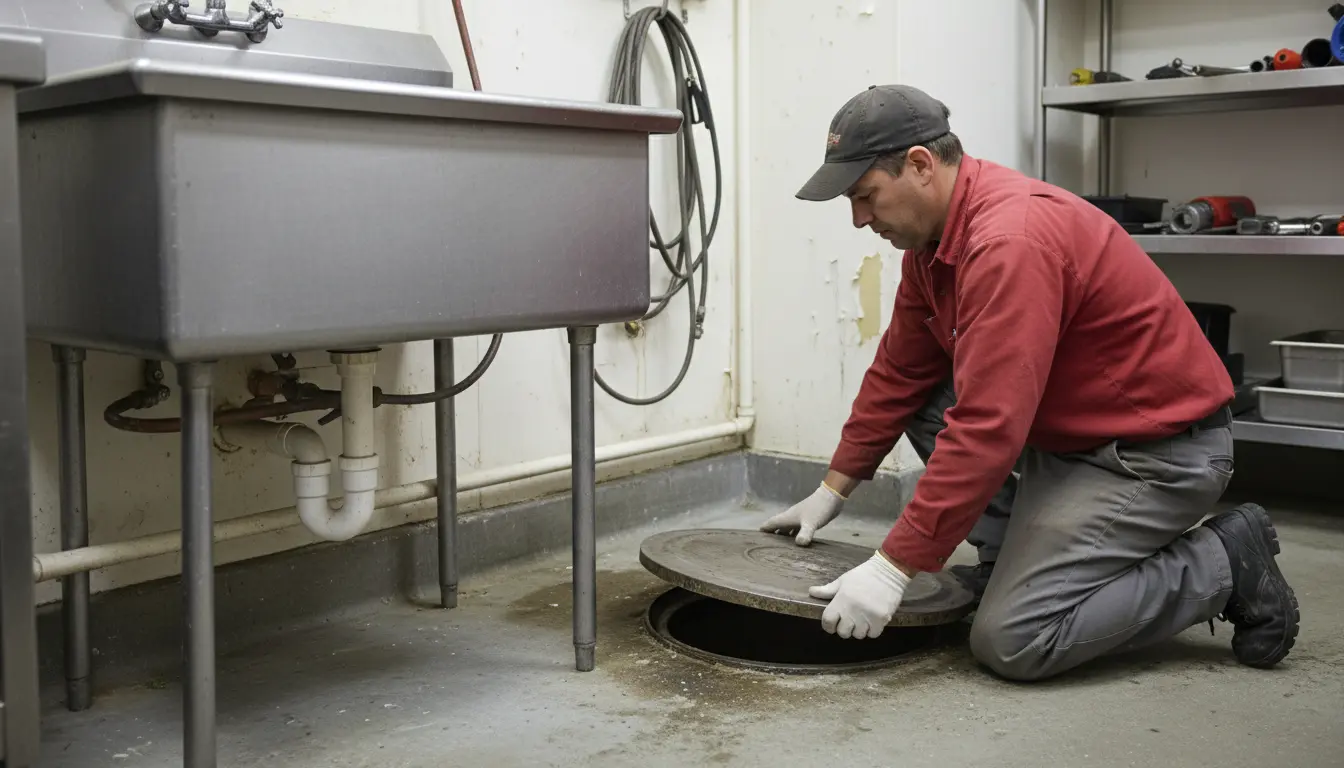
Find the Best Grease Trap Cleaning Companies for Your Business
No obligation • Fast responses • Nationwide coverage

Why you can trust Restaurant Waste Disposal
Restaurant Waste Disposal is a leading U.S. resource for comparing restaurant composting, food-waste recycling, grease trap cleaning, and used cooking oil collection services. Our editorial team researches providers, checks credentials, and organizes unbiased information so operators can make informed decisions. Companies cannot pay to change ratings or placement.
Search providers near you
Top Grease Trap Cleaning Companies in South San Francisco, California Ranked
For restaurant owners and facility managers in South San Francisco, maintaining a clean and compliant grease interceptor is a critical operational and legal responsibility. The city enforces strict Fats, Oils, and Grease (FOG) control regulations to protect the public sewer system from blockages and environmental damage. Proactive grease trap maintenance is not just about avoiding costly fines or shutdowns; it's essential for preventing disruptive kitchen backups, controlling odors, and ensuring your business runs smoothly. Understanding the local requirements, including mandatory service frequencies and the crucial "25% rule," is the first step in developing a reliable maintenance plan.
Roto-Rooter Plumbing & Water Cleanup
1780 Whipple Rd Ste 203G, Union City, CA 94587
Roto-Rooter Plumbing & Water Cleanup provides comprehensive plumbing and water cleanup services in San Jose, CA. They serve both residential and commercial clients, offering a wide range of solutions including grease trap cleaning, sewer and drain cleaning, water heater repair and installation, and emergency flood services. The company uses advanced plumbing technology and equipment to handle complex plumbing systems and offers 24/7 emergency plumbing support to address urgent issues such as burst pipes and sewer backups. Roto-Rooter is licensed and insured, serving the local community with expertise and a commitment to compliance with local codes.
Caccia Home Services
1660 Gilbreth Rd, Burlingame, CA 94010
Caccia Home Services is a plumbing and home services provider based in San Mateo, CA. They offer a wide range of services including grease trap cleaning, hydro jetting, sewer line repair, water treatment, and emergency plumbing. Their capabilities include trenchless sewer services and installation and maintenance of water heaters, including tankless and heat pump models. The company also provides electrical services such as EV charger installation and lighting upgrades. Caccia Home Services is known to respond to emergency plumbing needs.
Roto-Rooter Plumbing & Water Cleanup
1130 N Broadway Ste 200C, Walnut Creek, CA 94596
Roto-Rooter Plumbing & Water Cleanup provides comprehensive plumbing services in Oakland, CA, covering residential and commercial needs. Their offerings include drain cleaning, sewer line repair and replacement, grease trap cleaning, water heater installation and repair, floodwater cleanup, and mold remediation. The company is equipped to handle complex commercial plumbing systems and offers specialized services such as hydro-jetting and trenchless sewer line repairs. Roto-Rooter serves the Oakland area and surrounding counties with 24/7 emergency plumbing availability to address urgent issues any time of day or night.
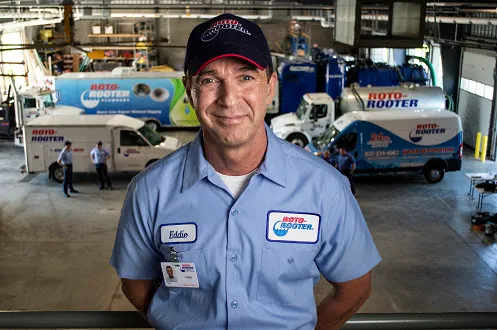
Roto-Rooter Plumbing & Water Cleanup
41111 Mission Blvd Ste 202, Fremont, CA 94539
Roto-Rooter Plumbing & Water Cleanup is a plumbing company serving San Jose, CA, and nearby communities including Fremont, Sunol, Pleasanton, Milpitas, and Warm Springs. They provide a wide range of plumbing services for residential and commercial clients, including drain cleaning, water heater repair, emergency plumbing, and grease trap cleaning. The company offers 24/7 emergency plumbing services and uses advanced equipment such as high-pressure water jetting (hydro-jetting) for effective drain maintenance. Established in 1935, Roto-Rooter has a long history of serving customers with professional plumbing solutions.
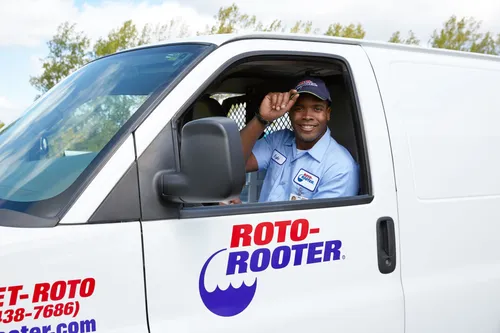
Roto-Rooter Plumbing & Water Cleanup
1070 Marina Village Pkwy UNIT 202, Alameda, CA 94501
Roto-Rooter Plumbing & Water Cleanup provides comprehensive plumbing and water cleanup services in Oakland, CA. They serve both residential and commercial clients with a wide range of solutions including sewer and drain cleaning, water heater repair and installation, grease trap maintenance, and floodwater cleanup. The company uses specialized equipment such as hydro-jetting for effective drain cleaning and sewer line maintenance. Roto-Rooter offers 24/7 emergency plumbing services to address urgent issues like burst pipes and sewer backups. They serve Alameda and surrounding counties, bringing extensive experience to local plumbing challenges.
Understanding South San Francisco's FOG Control Program
South San Francisco, like many municipalities in the Bay Area, operates under a FOG Control Program designed to prevent sewer overflows. This program mandates that all Food Service Establishments (FSEs) properly install, maintain, and clean their grease interceptors. The regulations are enforced through inspections and require meticulous record-keeping. Non-compliance can result in significant penalties, including citations, substantial fines, and in severe cases, an order to cease operations until violations are corrected. The goal is to stop FOG from entering the wastewater system, where it can solidify, cause blockages, and lead to expensive public works emergencies.
The 25% Rule: Your Key Compliance Standard
A cornerstone of local and regional grease trap regulations is the "25% rule." This standard dictates that the combined depth of FOG and settled solids in your interceptor must not exceed 25% of the total liquid depth at the time of service 1. If a pump-out service finds your trap exceeding this limit, immediate and complete cleaning is required. This rule isn't just a suggestion-it's a measurable compliance checkpoint used by certified haulers and city inspectors. Regular service scheduled before this threshold is reached is the most effective way to stay in compliance and avoid emergency situations.
Why This Rule Matters
- Prevents System Failure: Traps over 25% full lose efficiency, allowing grease to escape into the sewer lines.
- Avoids Enforcement Action: Inspectors can check trap levels; exceeding the rule is a clear violation.
- Reduces Odor & Pest Issues: Excess waste buildup is a primary source of foul smells and can attract pests.
Mandatory Cleaning Frequency and Scheduling
While the 25% rule is the ultimate determinant, South San Francisco regulations typically establish a minimum service frequency to help businesses stay ahead of it. For most restaurants, cleaning is required no less than every 3 to 6 months (quarterly to semi-annually) 2 3. However, this is a baseline. High-volume establishments, such as busy diners or large-scale catering kitchens, often require monthly or even more frequent service to prevent over-accumulation 4 5. Some Bay Area standards explicitly mention a 90-day minimum as a common requirement 6.
Developing your schedule should consider:
- Kitchen Volume: The amount of fried foods, meats, and dairy products prepared.
- Interceptor Size: Smaller traps fill up faster than large, underground tanks.
- Historical Data: Your past service records are the best indicator of your actual need.
Find the perfect grease trap cleaning companies for your needs
Get personalized recommendations and expert advice
Service Costs and What to Expect
Understanding the cost structure for grease interceptor maintenance helps in budgeting and selecting a service provider. Prices vary based on trap size, location, accessibility, and whether the service is routine or an emergency.
- Standard Service (Routine Pump-Out): For smaller to mid-size grease traps, a routine cleaning service in the San Francisco area typically ranges from approximately $120 to $400 per service. This cost can be lower if the service is bundled with other maintenance, like used cooking oil collection 7.
- Large Interceptor Service: For larger in-ground interceptors (e.g., 1000-1500 gallon capacity), prices often range from $225 to $315, particularly when set up under a recurring service contract 8.
- Emergency Service: Responding to a clog, backup, or overflow is significantly more expensive. Emergency call-out fees and immediate service can range from $800 to $1,200 or more, highlighting the financial importance of preventive maintenance 9.
Record-Keeping and Inspection Preparedness
Compliance in South San Francisco involves diligent documentation. FSEs are required to keep detailed maintenance records on-site for a minimum of three years. These records must be readily available for review by the city's FOG Control Program inspectors.
Your records should include:
- Service receipts from your certified hauler.
- The date of each pump-out and cleaning.
- The volume of waste removed.
- The hauler's certification number and disposal facility information.
- Notes on the condition of the trap at the time of service.
Proper documentation demonstrates due diligence and can be invaluable if any questions about compliance arise during an inspection.
Choosing a Certified Hauler and Proper Disposal
You cannot use just any service provider. Waste from grease interceptors must be hauled by a CDFA-certified (California Department of Food and Agriculture) hauler to approved disposal or recycling facilities 10. It is illegal for this waste to be reintroduced into the interceptor or the sewer system. When selecting a service provider, always verify their current certifications and ask where the waste is taken. Working with a certified professional ensures that this critical part of the process is handled legally and environmentally responsibly, protecting your business from liability.
Consequences of Non-Compliance
Ignoring grease trap maintenance carries serious risks beyond a simple kitchen slowdown. The city's enforcement mechanisms are designed to compel action.
- Citations and Fines: Initial violations often result in fines that increase with repeat offenses.
- Operational Shutdowns: For severe violations, such as overflows or repeated non-compliance, the city can issue a cease-and-desist order, legally halting your business operations until the issue is resolved and all fines are paid 11.
- Costly Repairs: Sewer line blockages caused by FOG can lead to backups that damage your property and potentially neighboring properties, resulting in expensive cleanup and repair bills for which you may be held responsible.
Best Practices for Ongoing Maintenance
Beyond scheduling regular pump-outs, you can extend the time between services and improve trap performance with good kitchen practices.
- Scrape Plates: Remove food solids into the trash before washing.
- Use Strainers: Install baskets in sink drains to catch solids.
- Avoid Grease Down the Drain: Never pour cooking oils, fats, or greasy sauces down any sink.
- Train Staff: Ensure all kitchen employees understand and follow FOG best practices.
- Pre-Rinse Dishes: Use a scraper and cool water to remove grease before the dishwasher.
Frequently asked questions
Sources
Footnotes
-
Grease Traps - https://carmel.novusagenda.com/agendapublic/AttachmentViewer.ashx?AttachmentID=7429&ItemID=3841 ↩
-
12.20.220. Grease trap requirements. - https://codelibrary.amlegal.com/codes/fullerton/latest/fullerton_ca/0-0-0-18563 ↩
-
Grease Trap Cleaning For California Restaurants - https://cacciaplumbing.com/blog/grease-trap-cleaning-california-restaurants/ ↩
-
San Francisco Grease Trap Cleaning: Facilities Maintenance Blueprint - https://www.myshyft.com/blog/grease-trap-cleaning-san-francisco-california/ ↩
-
Grease Trap Regulations and Compliance: What You Need to Know - https://www.texwaywastewater.com/grease-trap-regulations-and-compliance/ ↩
-
Grease Trap Cleaning Guide: 25% Rule, Schedule & Compliance - https://greaseconnections.com/how-to-clean-a-grease-trap-and-how-often-you-should/ ↩
-
Grease Trap Cleaning Prices | Guide on the Industry Average - https://grease-cycle.com/grease-trap-pumping-cost/ ↩
-
Grease Trap Pumping San Francisco - North Bay Restaurant Services - https://northbayrestaurantservices.com/grease-trap-pumping-san-francisco/ ↩
-
Ultimate Grease Trap Pumping Cost Guide: Essential Money-Saving ... - https://www.texwaywastewater.com/grease-trap-pumping-cost/ ↩
-
Grease Trap Cleaning in San Francisco - http://northbayrestaurantservices.com/grease-trap-cleaning-in-san-francisco-what-restaurants-need-to-know/ ↩
-
Fats, Oils & Grease (FOG) Control - https://www.sfpuc.gov/programs/pretreatment-program/fats-oils-grease-fog-control ↩