Find the Best Grease Trap Cleaning Companies for Your Business
No obligation • Fast responses • Nationwide coverage

Why you can trust Restaurant Waste Disposal
Restaurant Waste Disposal is a leading U.S. resource for comparing restaurant composting, food-waste recycling, grease trap cleaning, and used cooking oil collection services. Our editorial team researches providers, checks credentials, and organizes unbiased information so operators can make informed decisions. Companies cannot pay to change ratings or placement.
Search providers near you
Top Grease Trap Cleaning Companies in South Gate, California Ranked
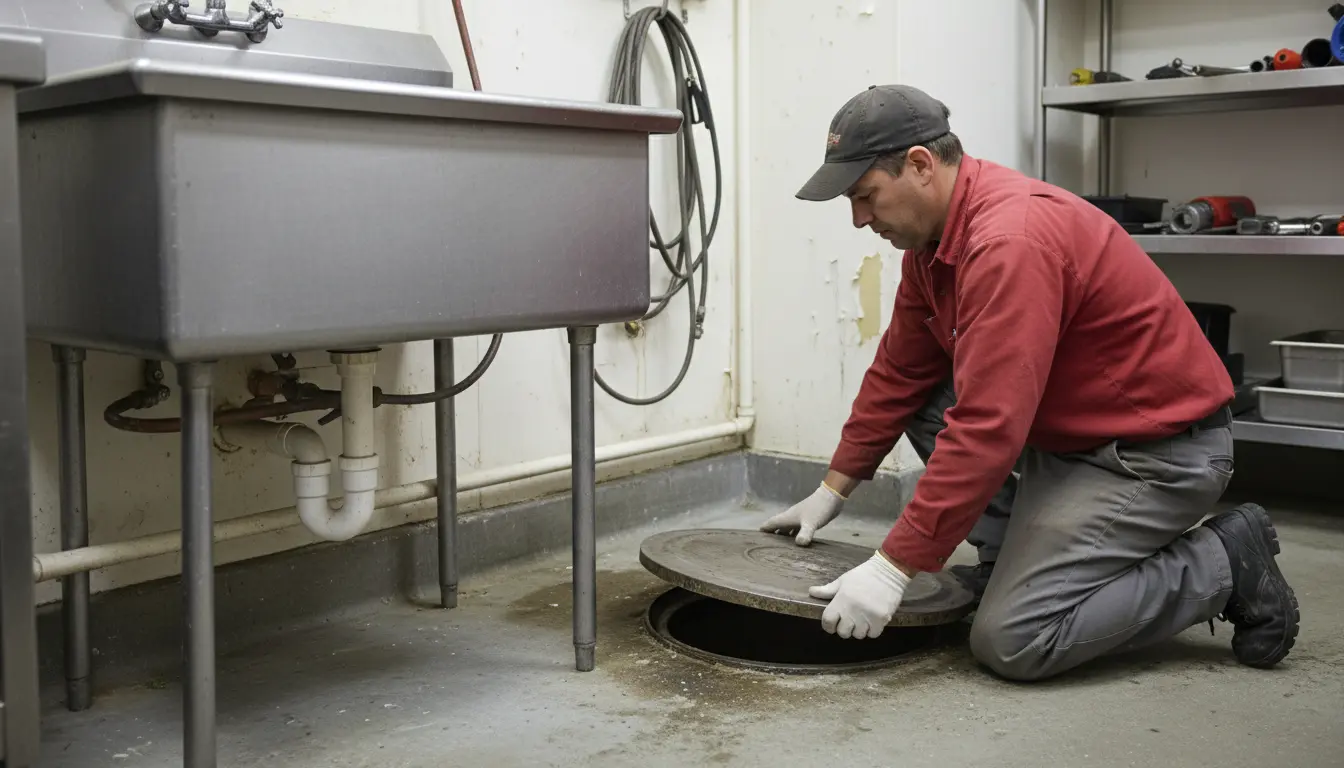
For restaurant owners and kitchen managers in South Gate, maintaining your grease trap or interceptor is a critical operational and legal responsibility. Adherence to local and state codes isn't just about avoiding fines-it's essential for preventing costly sewage backups, protecting public infrastructure, and ensuring your business runs smoothly. In South Gate and across Los Angeles County, regulations mandate that grease interceptors be cleaned when fats, oils, and grease (FOG) and solids accumulate to 25% of the trap's capacity, a point typically reached every one to three months for most establishments. Proactive, scheduled maintenance with a licensed vendor is the most effective strategy for compliance and cost control.
Roto-Rooter Plumbing & Water Cleanup
241 E Colorado Blvd #202, Pasadena, CA 91101
Roto-Rooter Plumbing & Water Cleanup provides comprehensive residential and commercial plumbing services in Los Angeles, CA. They specialize in a wide range of plumbing solutions including grease trap cleaning, sewer line repairs, water heater installation and repair, and emergency floodwater cleanup. The company is equipped with advanced tools such as hydro-jetting equipment to handle complex plumbing issues efficiently. Serving the Pasadena area and surrounding communities, Roto-Rooter offers 24/7 emergency plumbing services throughout the year to address urgent plumbing needs. They are fully licensed and insured, focusing on both routine maintenance and emergency repairs.
Roto-Rooter Plumbing & Water Cleanup
110 N Maclay Ave Suite 110, San Fernando, CA 91340
Roto-Rooter Plumbing & Water Cleanup provides comprehensive plumbing services in Los Angeles, CA, specializing in both residential and commercial plumbing needs. Their offerings include floodwater cleanup, sewer and drain cleaning, faucet and toilet repairs, water heater installation and maintenance, grease trap cleaning, and sewer line repair and replacement. They use advanced techniques such as hydro-jetting and trenchless excavation to address plumbing challenges efficiently. Serving the San Fernando Valley and surrounding communities, Roto-Rooter has extensive knowledge of local plumbing infrastructure and environmental factors. The company operates a 24/7 emergency service line to handle urgent plumbing issues at any time.
Roto-Rooter Plumbing & Water Cleanup
3848 Campus Dr STE 220, Newport Beach, CA 92660
Roto-Rooter Plumbing & Water Cleanup provides comprehensive plumbing and water cleanup services in Long Beach, CA. They handle a wide range of issues including floodwater cleanup, sewer and drain cleaning, faucet and toilet repairs, water heater services, and grease trap maintenance. The company serves both residential and commercial clients, offering advanced capabilities such as high-pressure water jetting (hydro-jetting) and trenchless sewer line replacement. With decades of experience dating back to 1935, Roto-Rooter offers 24/7 emergency plumbing services to address urgent problems at any time.
Roto-Rooter Plumbing & Water Cleanup
2050 W Chapman Ave #202, Orange, CA 92868
Roto-Rooter Plumbing & Water Cleanup offers a wide range of plumbing services in Los Angeles, CA, including grease trap cleaning, sewer and drain cleaning, water heater repair, and emergency flood cleanup. The company serves both residential and commercial clients, addressing issues from routine maintenance to urgent repairs. They utilize advanced tools such as HD inspection cameras and hydro-jetting to clear blockages and perform no-dig pipe replacements. Established with a legacy dating back to the invention of the original electric drain snake in 1935, Roto-Rooter provides 24/7 emergency plumbing services to handle urgent situations any time of day or night.
White Glove Plumbing Orange County
1430 E Borchard Ave, Santa Ana, CA 92705
White Glove Plumbing Orange County is a full-service plumbing and restoration company based in Santa Ana, serving residential and commercial clients throughout Los Angeles, CA. They provide a wide range of services including emergency plumbing, leak detection, hydro-jetting, water heater installation, grease trap pumping, sewage cleanup, mold remediation, and water damage restoration. The company offers 24/7 emergency services to quickly address urgent plumbing and restoration needs. Their expertise includes advanced capabilities such as slab leak reroutes, sewer camera inspections, and certified mold remediation. White Glove Plumbing combines plumbing and restoration services to manage repairs and rebuilds efficiently, reducing the need for multiple contractors.
Understanding Local Grease Trap Regulations
South Gate restaurants must comply with regulations set forth by the state of California and enforced by local authorities, often in alignment with Los Angeles County's FOG (Fats, Oils, and Grease) program guidelines 1. The core rule is clear: grease traps and interceptors must be cleaned before the accumulated FOG and solids reach 25% of the liquid depth of the unit 2. This is not a suggestion but a enforceable standard designed to keep grease from entering and clogging the municipal sewer system.
Failure to comply can result in significant penalties. Authorized personnel conduct regular inspections to review maintenance records and the physical condition of your interceptor. Non-compliance can lead to substantial fines and even business interruption orders until the issue is resolved. Furthermore, a severely clogged trap can cause backups within your own facility, leading to expensive emergency plumbing repairs, health code violations, and lost revenue 3.
Determining Your Cleaning Frequency and Interceptor Sizing
How often you need grease interceptor service depends directly on the volume of your kitchen's output and the size of your trap. The California Plumbing Code (CPC) determines the required size of a grease interceptor based on the flow rates of your plumbing fixtures and the type of food service establishment 4.
- High-Volume Kitchens: Restaurants with high grease production, such as Asian cuisine establishments, fast-food chains, or 24-hour diners, will likely require monthly cleaning services for their indoor grease traps.
- Standard Restaurants: A typical sit-down restaurant may find that a quarterly (every three months) pumping schedule is sufficient for a properly sized outdoor interceptor.
- Large Outdoor Interceptors: Larger concrete or plastic interceptors (often 750 gallons or more) located outside may have a longer service interval, such as every six months, but still require vigilant monitoring 5.
The key is to start with the manufacturer and code recommendations, then adjust the frequency based on your specific usage. A licensed service provider can help you analyze your waste stream and establish an optimal schedule to ensure you never hit that 25% threshold 6.
The Service Process: What to Expect from a Professional Cleaning
Engaging a professional for grease trap pumping involves more than just removing waste. A reputable, licensed vendor will follow a comprehensive process to ensure compliance and system health.
- Accessibility & Inspection: Your grease interceptor must be easily accessible for service. The technician will first inspect the unit, noting its condition and any potential issues like cracks, leaks, or damaged baffles 7.
- Pumping and Waste Removal: Using a vacuum truck, all contents-including FOG, solids, and wastewater-are pumped out completely. This is the core of the service.
- Cleaning and Scraping: After pumping, the interior walls, baffles, and lid of the trap should be scraped and cleaned to remove any adhered grease, which can accelerate future buildup if left behind.
- Documentation: You will receive a detailed service ticket or manifest. This document is your proof of compliance and must be kept on file for inspector review 8. It should include the date, volume removed, company information, and the disposal location of the waste.
- Disposal: The collected grease is transported to an approved facility, often for recycling into products like biodiesel or animal feed, in accordance with environmental regulations.
Find the perfect grease trap cleaning companies for your needs
Get personalized recommendations and expert advice
Cost Considerations for Grease Trap Maintenance
Understanding the cost structure for interceptor maintenance helps in budgeting and highlights the value of scheduled service. Prices vary based on the size of your trap, its location, and the service frequency.
- Routine Pumping: For a standard routine service, South Gate restaurants can expect costs in the range of $250 to $400 per cleaning. This typically covers the standard pumping and cleaning of an average-sized trap.
- Large Interceptor Service: For larger outdoor interceptors (e.g., 1000-1500 gallons), costs may range from $225 to $315 per service, especially if part of a regular service program 9.
- Emergency Service: This is where costs escalate dramatically. An emergency call-out for a clogged or overflowing trap, often requiring after-hours service, can range from $800 to $1,200 or more 10. This does not include the cost of any plumbing repairs, lost inventory, or business downtime.
The financial takeaway is clear: investing in a proactive, scheduled maintenance plan is far more economical than reacting to an emergency. The cost of regular pumping pales in comparison to potential fines, emergency service fees, and lost business 11.
Best Practices for Ongoing Grease Management
Professional cleaning is the cornerstone of compliance, but daily best practices in your kitchen can extend the time between services and improve overall efficiency.
- Train Your Staff: Ensure all kitchen staff understand what should and should not go down the drain. Grease, oils, food scraps, and even starchy substances like pasta water should be diverted to a separate container for disposal or composting.
- Use Pre-Sink Strainers: Install and regularly clean strainers in all sink drains to catch solid food particles.
- Dry Wipe Pots and Pans: Before washing, scrape and wipe cookware with a paper towel to remove excess grease.
- Maintain a Log: Keep a simple log near the trap to note visual checks of the grease level. This can help you predict when the next service is due.
- Schedule Regular Service: Based on your vendor's recommendation, set up a recurring service schedule. A reliable provider will often remind you when your next service is due.
By combining daily vigilance with professional, scheduled grease interceptor cleaning, South Gate restaurant operators can ensure compliance, control costs, and focus on what they do best-serving their customers.
Frequently asked questions
Sources
Footnotes
-
Purpose of Fats, Oils and Grease (FOG) Program: DEFINITIONS - http://pw.lacounty.gov/epd/industrial_waste/pdf/misc/restaurantpretreatmentguidelines.pdf ↩
-
12.20.220. Grease trap requirements. - https://codelibrary.amlegal.com/codes/fullerton/latest/fullerton_ca/0-0-0-18563 ↩
-
Trap pumping - https://phoenixpumping.com/grease-trap-maintenance/ ↩
-
California Health and Safety Code § 114201 (2024) - Justia Law - https://law.justia.com/codes/california/code-hsc/division-104/part-7/chapter-7/article-2/section-114201/ ↩
-
FAQs • What is the pumping schedule for grease interceptor o - https://www.westminsterco.gov/FAQ.aspx?QID=302 ↩
-
How Often to Clean Restaurant Grease Traps in Los Angeles, CA - https://bakercommodities.com/blog/2025/01/23/la-laws-for-grease-recycling/ ↩
-
South Gate Grease Trap & Interceptor Cleaning Service - https://greasemanagement.org/greasetrapservicesouthgate.html ↩
-
Grease Trap Cleaning For California Restaurants - Caccia Plumbing - https://cacciaplumbing.com/blog/grease-trap-cleaning-california-restaurants/ ↩
-
Grease Trap Cleaning Prices | Guide on the Industry Average - https://grease-cycle.com/grease-trap-pumping-cost/ ↩
-
Ultimate Grease Trap Pumping Cost Guide: Essential Money-Saving ... - https://www.texwaywastewater.com/grease-trap-pumping-cost/ ↩
-
Grease Traps for Restaurants: The Essential Guide - https://therestaurantwarehouse.com/blogs/restaurant-equipment/grease-trap-for-restaurant-guide ↩