Find the Best Grease Trap Cleaning Companies for Your Business
No obligation • Fast responses • Nationwide coverage

Why you can trust Restaurant Waste Disposal
Restaurant Waste Disposal is a leading U.S. resource for comparing restaurant composting, food-waste recycling, grease trap cleaning, and used cooking oil collection services. Our editorial team researches providers, checks credentials, and organizes unbiased information so operators can make informed decisions. Companies cannot pay to change ratings or placement.
Search providers near you
Top Grease Trap Cleaning Companies in Simi Valley, California Ranked
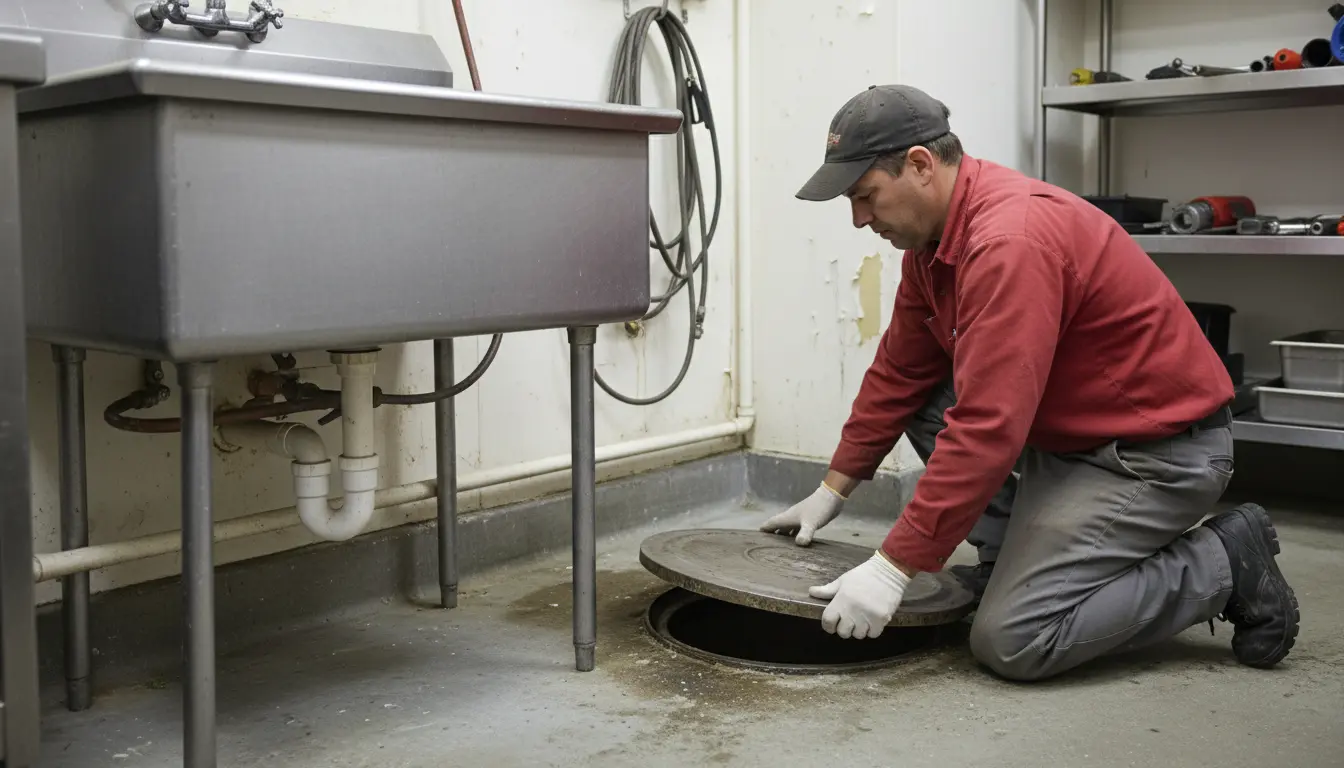
For any restaurant, food truck, or commercial kitchen in Simi Valley, managing fats, oils, and grease (FOG) is a critical operational and legal responsibility. Proper grease trap and interceptor maintenance is not just about avoiding clogs; it's a mandatory requirement under California and local Simi Valley codes designed to protect the public sewer system from blockages and environmental harm. Regular, professional grease trap cleaning ensures your business remains in compliance, avoids costly fines and service interruptions, and contributes to the smooth operation of our community's wastewater infrastructure. This guide outlines the essential regulations, best practices, and local considerations for effective grease management in Simi Valley.
Roto-Rooter Plumbing & Water Cleanup
110 N Maclay Ave Suite 110, San Fernando, CA 91340
Roto-Rooter Plumbing & Water Cleanup provides comprehensive plumbing services in Los Angeles, CA, specializing in both residential and commercial plumbing needs. Their offerings include floodwater cleanup, sewer and drain cleaning, faucet and toilet repairs, water heater installation and maintenance, grease trap cleaning, and sewer line repair and replacement. They use advanced techniques such as hydro-jetting and trenchless excavation to address plumbing challenges efficiently. Serving the San Fernando Valley and surrounding communities, Roto-Rooter has extensive knowledge of local plumbing infrastructure and environmental factors. The company operates a 24/7 emergency service line to handle urgent plumbing issues at any time.
Roto-Rooter Plumbing & Water Cleanup
10233 Topanga Canyon Blvd, Chatsworth, CA 91311
Roto-Rooter Plumbing & Water Cleanup provides a wide range of residential and commercial plumbing services in Los Angeles, CA. Their offerings include grease trap cleaning, sewer and drain cleaning, water heater repair and installation, mold remediation, and emergency flood services. The company is equipped with advanced tools like high-pressure water jetting and HD inspection cameras to handle complex plumbing issues, including no-dig sewer line repairs. With a history dating back to the invention of the original Roto-Rooter electric drain snake in 1935, they bring decades of expertise to the local community. They also offer 24/7 emergency plumbing services to address urgent problems at any time.
Roto-Rooter Plumbing & Water Cleanup
554 S San Vicente Blvd Ste 208, Los Angeles, CA 90048
Roto-Rooter Plumbing & Water Cleanup offers a wide range of plumbing services in Los Angeles, CA, including floodwater cleanup, sewer and drain cleaning, faucet and toilet repairs, water heater services, and grease trap maintenance. They serve both residential and commercial clients, addressing unique plumbing challenges in the area with specialized tools and expertise. Established in 1935, Roto-Rooter is known for its advanced drain cleaning technology, including high-pressure water jetting (hydro-jetting). The company provides 24/7 emergency plumbing services to handle urgent issues like burst pipes and sewer backups promptly.
Advanced Sanitation - Septic Tank Pumping, Installation & Repair Ventura County
3379 Somis Rd Unit E, Somis, CA 93066
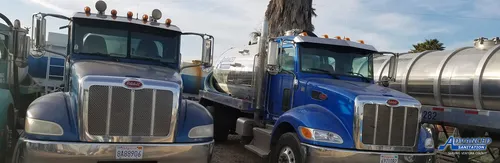
Advanced Sanitation - Septic Tank Pumping, Installation & Repair Ventura County provides septic tank and grease trap pumping, installation, inspection, and repair services in Oxnard, CA. They serve Ventura County and surrounding areas including Moorpark, Simi Valley, and Santa Barbara. The company offers septic system installations with soil and percolation testing, septic tank riser installations, grease trap maintenance, and camera video inspections using advanced technology. With over 30 years of experience, Advanced Sanitation works closely with geological engineers to design and install septic systems tailored to each property. They also provide flexible scheduling to accommodate business needs and maintain clear communication during service calls.
Septic Tank Pumping Guys
6360 Van Nuys Blvd ste 113, Van Nuys, CA 91401
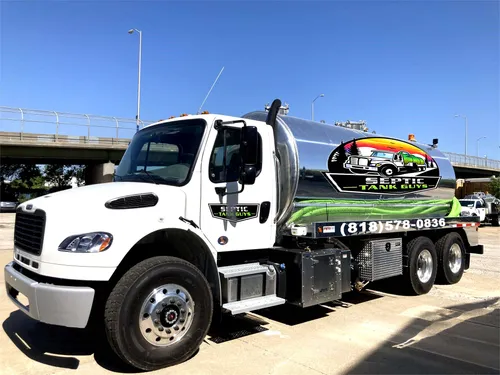
Septic Tank Pumping Guys provides septic system pumping, cleaning, inspections, repairs, and installations in Los Angeles, CA. They serve both residential and commercial clients, including grease trap pumping for restaurants. Their team uses modern equipment to maintain septic systems efficiently and offers 24/7 emergency services for urgent issues. The company also develops maintenance plans and handles waste disposal in compliance with local regulations.
Understanding Local Grease Trap Regulations
Simi Valley restaurants must adhere to a combination of state and local ordinances. The California Health and Safety Code sets the foundation, requiring food facilities to properly use and maintain grease traps or interceptors to prevent sewer blockages. Locally, these state mandates are enforced and often supplemented by the City of Simi Valley's Public Works Department or related environmental health authorities.
The core rule is capacity-based: a grease interceptor must be cleaned when the combined FOG and solids accumulate to 25% of the liquid depth 1 2. While this is the legal trigger, in practice, high-volume establishments often require monthly or quarterly service to stay under this limit, while others may stretch to every six months depending on usage 3. It is strictly prohibited to reintroduce collected grease back into the plumbing system or to use garbage disposals that empty into a grease trap, as this defeats its purpose 2 4.
Sizing and Installation Standards
Proper function starts with correct sizing. In California, grease interceptor sizing is governed by the California Plumbing Code (CPC) and is based on the flow rates of the plumbing fixtures they serve 5. For most sit-down restaurants, the minimum capacity often starts at 750 gallons, but this must be verified locally for your specific facility. An undersized trap will fail prematurely, leading to constant compliance issues and more frequent-and costly-service calls.
The Cost of Professional Grease Trap Service
Investing in regular professional cleaning is far less expensive than dealing with the consequences of neglect. Service costs in Simi Valley vary based on several key factors:
- Trap Size and Type: Small, indoor grease traps under sinks are less expensive to service than large, underground concrete interceptors.
- Accumulation Level: A heavily impacted trap requires more labor and disposal costs.
- Service Plan: Many local providers offer discounted rates for restaurants that commit to a regular scheduled maintenance plan.
For typical Simi Valley restaurants, you can expect costs for a complete pumping and cleaning service to range from approximately $175 to $475 or more per service for standard indoor units 6 7. Larger, exterior interceptors may see prices starting around $225 to $315 per service under a maintenance contract 8. It's important to ensure the service includes the complete evacuation of all contents-FOG, solids, and wastewater-not just skimming the top layer.
Find the perfect grease trap cleaning companies for your needs
Get personalized recommendations and expert advice
Compliance and Enforcement in Simi Valley
Staying ahead of inspections is crucial. The City of Simi Valley's enforcing department may conduct inspections to verify that grease interceptors are functioning correctly, are in good condition, and that maintenance records are being kept 9. During an inspection, officials will check the trap's capacity, look for signs of bypass or malfunction, and review your service documentation.
Failure to maintain your grease control device can result in significant penalties. Enforcement actions can include administrative citations, substantial fines, and in severe cases, a suspension of sewer service until the issue is corrected and brought into compliance 10. This level of disruption can be devastating for a food service business.
Best Practices for Simi Valley Restaurant Owners
- Confirm Local Codes: Your first step should be to contact the Simi Valley Public Works Department to confirm the specific local ordinances, approved sizing for your establishment, and any required inspection frequencies 11 12.
- Partner with Local Experts: Hire a licensed, local grease trap cleaning company familiar with Simi Valley's enforcement practices. They can provide reliable, regular pumping and supply you with detailed service reports, which are your proof of compliance 13.
- Maintain Meticulous Records: Keep a dedicated log or file for every service receipt and report. Document the date, company, volume removed, and the condition of the trap. This paperwork is your best defense during an inspection.
- Train Your Staff: Educate kitchen staff on proper disposal practices. Scrape food scraps into compost or trash before washing, and never pour grease down any drain.
The Environmental and Operational Impact
Beyond compliance, effective grease trap management has tangible benefits for your business and community. A well-maintained system prevents foul odors and pest attraction in and around your facility. It also ensures your own drains flow freely, preventing backups in your kitchen that can halt operations. On a community level, preventing FOG from entering the sewer system reduces the risk of sanitary sewer overflows (SSOs), which can contaminate local waterways and incur massive cleanup costs for the municipality-costs that can eventually trickle down to ratepayers.
Frequently asked questions
Sources
Footnotes
-
12.20.220. Grease trap requirements. - https://codelibrary.amlegal.com/codes/fullerton/latest/fullerton_ca/0-0-0-18563 ↩
-
Grease Trap Cleaning For California Restaurants - https://cacciaplumbing.com/blog/grease-trap-cleaning-california-restaurants/ ↩ ↩2
-
How Often to Clean Restaurant Grease Traps in Los Angeles, CA - https://bakercommodities.com/blog/2025/01/23/la-laws-for-grease-recycling/ ↩
-
Chapter 18.08 GREASE TRAPS - General Code - https://www.codepublishing.com/CA/PacificGrove/html/PacificGrove18/PacificGrove1808.html ↩
-
Grease Trap Inspection - InterNACHI® - https://www.nachi.org/grease-trap-inspection.htm ↩
-
Grease Trap Cleaning in Simi Valley CA - https://greasetrapcleaningtarzana.com/simi-valley-ca.html ↩
-
How Much Does a Proper Grease Trap Cleaning Cost? - https://hulseyenvironmental.com/how-much-does-a-proper-grease-trap-cleaning-partner-cost/ ↩
-
Grease Trap Cleaning Prices | Guide on the Industry Average - https://grease-cycle.com/grease-trap-pumping-cost/ ↩
-
Grease Interceptor Ordinance (PDF) - Lake County - https://www.lakecountyca.gov/DocumentCenter/View/1096/Grease-Interceptor-Ordinance-PDF ↩
-
California Health and Safety Code § 114201 (2024) - Justia Law - https://law.justia.com/codes/california/code-hsc/division-104/part-7/chapter-7/article-2/section-114201/ ↩
-
Grease Trap Cleaning from Santa Clarita to San Diego - https://phoenixpumping.com/grease-trap-maintenance/ ↩
-
Grease Trap Cleaning in Simi Valley CA - https://greasetrapcleaningnorthridge.com/simi-valley-ca.html ↩
-
Grease Trap Cleaning in Simi Valley, CA - https://greasetrapcleaningnewhall.com/simi-valley-ca.html ↩