
Find the Best Grease Trap Cleaning Companies for Your Business
No obligation • Fast responses • Nationwide coverage

Why you can trust Restaurant Waste Disposal
Restaurant Waste Disposal is a leading U.S. resource for comparing restaurant composting, food-waste recycling, grease trap cleaning, and used cooking oil collection services. Our editorial team researches providers, checks credentials, and organizes unbiased information so operators can make informed decisions. Companies cannot pay to change ratings or placement.
Search providers near you
Top Grease Trap Cleaning Companies in Santee, California Ranked
For restaurant owners and food service operators in Santee, maintaining a compliant and functional grease trap system is a critical, non-negotiable part of daily operations. These systems, also known as grease interceptors, are your first line of defense against costly sewer blockages, environmental fines, and disruptive plumbing emergencies. In Santee, adherence to strict state and local regulations is not just about avoiding penalties-it's about protecting your business and the community's wastewater infrastructure. This guide outlines the essential requirements, best practices, and local considerations for effective grease management in Santee.
Proper grease interceptor maintenance in Santee is governed by a combination of the California Plumbing Code (CPC), state health and safety codes, and local San Diego County ordinances 1. The cornerstone of compliance is the widely enforced "25% Rule," which mandates that traps must be serviced when the accumulated layer of fats, oils, and grease (FOG) reaches 25% of the unit's liquid capacity 2. This rule is designed to prevent FOG from escaping into the public sewer lines, where it can solidify and cause major blockages.
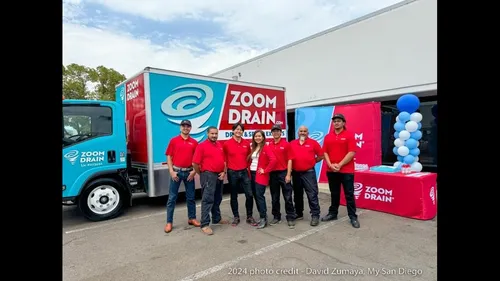
Zoom Drain SD North County
1317 Simpson Way Suite B, Escondido, CA 92029
Zoom Drain SD North County is a drain and sewer service provider based in Oceanside, CA, serving the North County San Diego area including Escondido and surrounding communities. They offer residential and commercial services, specializing in drain cleaning, sewer inspections using high-resolution cameras, and grease trap maintenance. Their capabilities include hydro-jetting to clear blockages such as tree root intrusions and applying eco-friendly treatments like RootX and CitraJet to maintain plumbing systems. The company is known for addressing complex plumbing issues with advanced technology and tailored solutions. Zoom Drain SD North County also supports property managers, contractors, and the food and hospitality sector with specialized maintenance plans and referral programs.
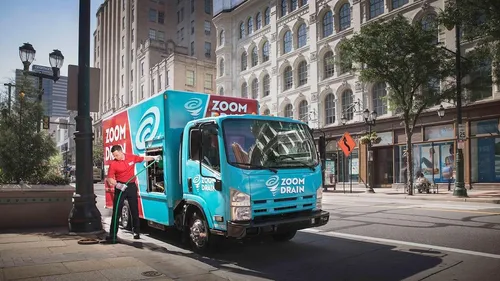
San Diego Zoom Drain
1465 Morena Blvd Floor One, San Diego, CA 92110
San Diego Zoom Drain is a drain and sewer service provider based in San Diego, CA. They offer residential and commercial drain cleaning, inspections, repairs, and replacements, including specialized grease trap maintenance for the food and hospitality sector. Their service area includes San Diego and surrounding communities such as Coronado, Del Mar, El Cajon, Encinitas, La Jolla, Santee, and Solana Beach. The company is experienced in hydro jetting, a capability used to clear stubborn clogs and maintain plumbing health. San Diego Zoom Drain emphasizes tailored maintenance plans and advanced technology to support property managers, contractors, and homeowners alike.

Chula Vista Rooter - Sewer & Drain Cleaning Services
National City, CA
Chula Vista Rooter - Sewer & Drain Cleaning Services provides drain and sewer cleaning, camera inspection, line location, and grease trap cleaning in National City, CA. The company uses modern technology and skilled techniques such as hydro-jetting and video inspection to address issues like clogged drains, sewer backups, root intrusions, and grease buildup. Their services include precise pipe location and preventive maintenance to support both residential and commercial properties. The team is experienced in handling complex problems like tree root removal and sediment buildup within sewer lines. Chula Vista Rooter aims to maintain efficient drainage systems through thorough cleaning and inspection methods.
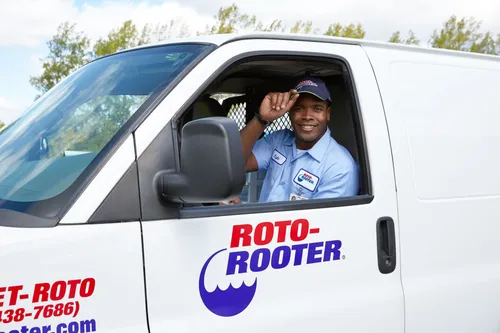
Roto-Rooter Plumbing & Water Cleanup of El Cajon
1400 Hill St, El Cajon, CA 92020
Roto-Rooter Plumbing & Water Cleanup of El Cajon provides comprehensive plumbing services to homes and businesses in San Diego, CA. They handle a wide range of needs including drain cleaning, sewer line repair and replacement, water heater installation and repair, grease trap maintenance, and floodwater cleanup. Their commercial plumbing expertise covers complex systems such as backflow inspection, high-pressure water jetting, and gas line installation. With a focus on local challenges like hard water mineral deposits and aging infrastructure, they offer tailored solutions for both residential and commercial clients. Roto-Rooter is available 24/7 for emergency plumbing services, ensuring prompt response to issues like burst pipes and sewer backups.
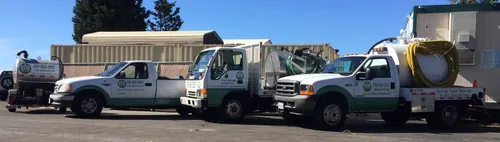
Eco Grease Pumping Services
4079 Governor Dr #262, San Diego, CA 92122
Eco Grease Pumping Services provides grease trap cleaning for commercial kitchens in San Diego, CA. The company specializes in grease trap and interceptor maintenance, including clog clearing and regular service to ensure proper function. Customers have noted their professionalism and effective resolution of long-standing grease interceptor issues.
Understanding Santee's Regulatory Landscape
The responsibility for enforcing grease trap regulations in Santee falls under the jurisdiction of San Diego County Environmental Health inspectors. These inspectors conduct periodic visits to food service establishments to verify compliance. They will check for proper accessibility to the trap, signs of overflows or leaks, and most importantly, your maintenance records.
Documentation is your proof of compliance. You are required to maintain detailed service records, often in the form of manifests or invoices from your pumping provider, that document each cleaning date, the volume of waste removed, and the company that performed the service. Failure to produce these records during an inspection can result in violations just as severe as having an overfull trap.
Penalties for non-compliance can escalate quickly. Initial fines may serve as a warning, but repeat offenses or severe violations-such as a grease release into the sanitary sewer-can lead to substantially higher fines and, in extreme cases, orders to cease operations until the issue is resolved 3.
The 25% Rule and Service Frequency
The 25% rule is a performance-based standard, meaning your required service schedule is not a fixed date but depends on how quickly your trap fills. However, general guidelines exist based on trap type and volume:
- Indoor Grease Traps: Smaller units located under sinks or in kitchens typically fill much faster due to their limited capacity and high use. It is common for these to require pumping as often as every 14 to 30 days.
- Outdoor Grease Interceptors: Larger in-ground or concrete interceptors have greater capacity. While the 90-day inspection is a common benchmark, the actual pumping frequency for these units can range from every 30 to 90 days, strictly depending on when they hit the 25% FOG threshold 4 5.
Never confuse simple skimming or "de-greasing" with a proper cleaning. Compliance requires complete removal of all contents-including FOG, solids, and wastewater-followed by scraping of the walls, baffles, and inlet/outlet tees, and refilling the trap with clean water 6 7. Partial service leaves you vulnerable to immediate overflows and will not satisfy an inspector.
Signs Your Grease Trap Needs Immediate Attention
Waiting for a scheduled pump-out can be risky if your trap is filling faster than anticipated. Be alert for these warning signs that indicate your trap or interceptor requires service:
- Slow Draining or Gurgling Sounds from sinks and floor drains.
- Unpleasant Sewage Odors emanating from drains or near the trap location.
- Visible Grease or Food Solids in drain lines or backing up into sinks.
- An Overflowing or Leaking trap lid or manhole.
If you notice any of these issues, contact a service provider immediately to prevent a sanitation emergency or a sewer line backup that could close your kitchen.
Cost Considerations for Grease Trap Pumping in Santee
The cost for professional grease trap cleaning in Santee varies significantly based on several factors. There is no flat rate, as pricing depends on the size of the unit, its location, how full it is, and how frequently it is serviced.
- Small Indoor Traps (Frequent Service): For a standard under-sink or small in-floor trap requiring monthly or bi-weekly service, costs typically range from $100 to $300 per service 8.
- Large Outdoor Interceptors (Less Frequent): Pumping a large concrete or fiberglass interceptor is a more involved process. Prices for this service generally fall between $300 and $1,000 or more per cleaning 9 10.
- Emergency Service: If you require service outside of normal business hours or for a severe backup, expect to pay a premium, with costs often ranging from $800 to $1,200 or higher 11 12.
Find the perfect grease trap cleaning companies for your needs
Get personalized recommendations and expert advice
Choosing a Service Provider: What to Look For
Selecting a reliable grease trap cleaning company is a crucial business decision. Look for providers who:
- Understand Local Codes: They should be familiar with Santee and San Diego County's specific requirements and inspection protocols.
- Provide Detailed Documentation: They must supply you with a completed manifest or service report for your records after every cleaning.
- Perform Complete Service: Ensure they commit to full pumping, scraping, and cleaning, not just waste removal.
- Offer Consistent Scheduling: Many providers can set up automatic service schedules based on your trap's needs to help you maintain compliance effortlessly.
- Properly Dispose of Waste: Verify that they haul all FOG waste to licensed rendering plants or wastewater treatment facilities for proper disposal or recycling.
The Importance of Proactive Maintenance
Beyond compliance, a proactive grease interceptor maintenance program protects your bottom line. Regular, complete cleanings:
- Prevent Costly Emergencies: Avoids the extreme expense and business disruption of a sewer line blockage or backup.
- Extend Equipment Life: Reduces corrosion and wear on your trap and plumbing lines.
- Maintain Hygiene: Controls foul odors and pest attraction in and around your facility.
- Support Sustainability: Many providers recycle used cooking oil and grease into biofuels, contributing to a circular economy.
Investing in consistent, documented grease trap maintenance is one of the most effective ways to ensure the smooth, uninterrupted operation of your Santee food service business.
Frequently asked questions
Sources
Footnotes
-
California Health and Safety Code § 114201 (2024) - Justia Law - https://law.justia.com/codes/california/code-hsc/division-104/part-7/chapter-7/article-2/section-114201/ ↩
-
Essential Grease Trap Maintenance For San Diego Facilities - https://www.myshyft.com/blog/grease-trap-cleaning-san-diego-california/ ↩
-
GREASE TRAP CLEANING in SAN DIEGO COUNTY - https://thegreasecompany.com/blog/sandiegogreasecompany/ ↩
-
Chapter 13.22 FATS, OILS, GREASE AND SAND - General Code - https://www.codepublishing.com/CA/HalfMoonBay/html/HalfMoonBay13/HalfMoonBay1322.html ↩
-
Grease Trap Cleaning Guide: 25% Rule, Schedule & Compliance - https://greaseconnections.com/how-to-clean-a-grease-trap-and-how-often-you-should/ ↩
-
12.20.220. Grease trap requirements. - https://codelibrary.amlegal.com/codes/fullerton/latest/fullerton_ca/0-0-0-18563 ↩
-
Grease Trap Cleaning For California Restaurants - https://cacciaplumbing.com/blog/grease-trap-cleaning-california-restaurants/ ↩
-
Ultimate Grease Trap Pumping Cost Guide: Essential Money-Saving ... - https://www.texwaywastewater.com/grease-trap-pumping-cost/ ↩
-
Grease Trap Cleaning Prices | Guide on the Industry Average - https://grease-cycle.com/grease-trap-pumping-cost/ ↩
-
Grease Trap Pumping Cost vs. Grease Trap Maintenance Cost - https://www.stateindustrial.com/video/cost-comparison-pumping-v-chemicals-to-maintain-a-grease-trap/ ↩
-
How Much Does It Cost To Clean A Grease Trap? - https://www.greasecollection.com/blog/how-much-does-it-cost-to-clean-a-grease-trap/ ↩
-
Grease Trap Installation: Exploring the Purpose and Requirements » EB3 Construction - Blog - https://blog.eb3construction.com/construction/food-beverage/grease-trap-installation/ ↩