Find the Best Grease Trap Cleaning Companies for Your Business
No obligation • Fast responses • Nationwide coverage

Why you can trust Restaurant Waste Disposal
Restaurant Waste Disposal is a leading U.S. resource for comparing restaurant composting, food-waste recycling, grease trap cleaning, and used cooking oil collection services. Our editorial team researches providers, checks credentials, and organizes unbiased information so operators can make informed decisions. Companies cannot pay to change ratings or placement.
Search providers near you
Top Grease Trap Cleaning Companies in Santa Monica, California Ranked
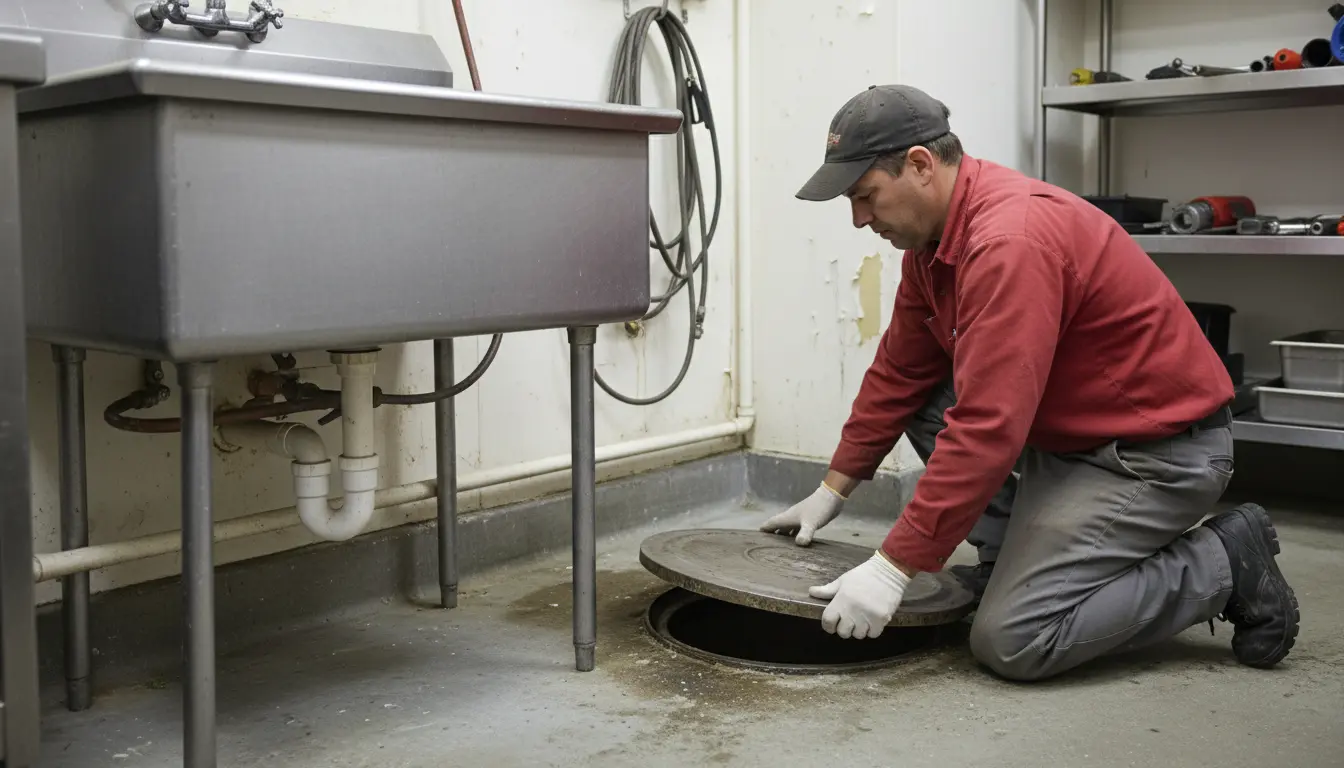
For restaurant owners and food service operators in Santa Monica, maintaining your grease management system is far more than a routine chore-it's a critical regulatory and operational necessity. The city enforces strict local ordinances aligned with the California Uniform Plumbing Code (CUPC) to protect the municipal sewer system from harmful fats, oils, and grease (FOG). Non-compliance can lead to severe blockages, environmental damage, and significant fines. Effective grease trap and interceptor maintenance ensures your kitchen runs smoothly, prevents costly emergency repairs, and keeps your business in good standing with local inspectors. This guide outlines the specific requirements, best practices, and service considerations for managing grease waste in Santa Monica's vibrant culinary scene.
Roto-Rooter Plumbing & Water Cleanup
241 E Colorado Blvd #202, Pasadena, CA 91101
Roto-Rooter Plumbing & Water Cleanup provides comprehensive residential and commercial plumbing services in Los Angeles, CA. They specialize in a wide range of plumbing solutions including grease trap cleaning, sewer line repairs, water heater installation and repair, and emergency floodwater cleanup. The company is equipped with advanced tools such as hydro-jetting equipment to handle complex plumbing issues efficiently. Serving the Pasadena area and surrounding communities, Roto-Rooter offers 24/7 emergency plumbing services throughout the year to address urgent plumbing needs. They are fully licensed and insured, focusing on both routine maintenance and emergency repairs.
Roto-Rooter Plumbing & Water Cleanup
110 N Maclay Ave Suite 110, San Fernando, CA 91340
Roto-Rooter Plumbing & Water Cleanup provides comprehensive plumbing services in Los Angeles, CA, specializing in both residential and commercial plumbing needs. Their offerings include floodwater cleanup, sewer and drain cleaning, faucet and toilet repairs, water heater installation and maintenance, grease trap cleaning, and sewer line repair and replacement. They use advanced techniques such as hydro-jetting and trenchless excavation to address plumbing challenges efficiently. Serving the San Fernando Valley and surrounding communities, Roto-Rooter has extensive knowledge of local plumbing infrastructure and environmental factors. The company operates a 24/7 emergency service line to handle urgent plumbing issues at any time.
Roto-Rooter Plumbing & Water Cleanup
5900 S Eastern Ave #137, Commerce, CA 90040
Roto-Rooter Plumbing & Water Cleanup provides comprehensive plumbing services in Los Angeles, CA, specializing in both residential and commercial plumbing needs. Their offerings include drain cleaning, sewer line repair and replacement, grease trap maintenance, water heater installation and repair, and floodwater cleanup. They utilize advanced equipment such as video camera inspections and hydro-jetting to address plumbing issues efficiently. Serving a wide range of communities in Los Angeles County, Roto-Rooter also offers 24/7 emergency plumbing services to promptly handle urgent situations.
Roto-Rooter Plumbing & Water Cleanup
10233 Topanga Canyon Blvd, Chatsworth, CA 91311
Roto-Rooter Plumbing & Water Cleanup provides a wide range of residential and commercial plumbing services in Los Angeles, CA. Their offerings include grease trap cleaning, sewer and drain cleaning, water heater repair and installation, mold remediation, and emergency flood services. The company is equipped with advanced tools like high-pressure water jetting and HD inspection cameras to handle complex plumbing issues, including no-dig sewer line repairs. With a history dating back to the invention of the original Roto-Rooter electric drain snake in 1935, they bring decades of expertise to the local community. They also offer 24/7 emergency plumbing services to address urgent problems at any time.
Roto-Rooter Plumbing & Water Cleanup
554 S San Vicente Blvd Ste 208, Los Angeles, CA 90048
Roto-Rooter Plumbing & Water Cleanup offers a wide range of plumbing services in Los Angeles, CA, including floodwater cleanup, sewer and drain cleaning, faucet and toilet repairs, water heater services, and grease trap maintenance. They serve both residential and commercial clients, addressing unique plumbing challenges in the area with specialized tools and expertise. Established in 1935, Roto-Rooter is known for its advanced drain cleaning technology, including high-pressure water jetting (hydro-jetting). The company provides 24/7 emergency plumbing services to handle urgent issues like burst pipes and sewer backups promptly.
Understanding Santa Monica's Grease Control Regulations
Santa Monica's regulations are designed to prevent FOG from entering and clogging the public sewer system, which can cause sanitary sewer overflows (SSOs). These rules are primarily enforced through the city's Industrial Discharge Permit program. At the core of these requirements is the mandate that all Food Service Establishments (FSEs) install and maintain approved grease control devices, which include both smaller indoor grease traps and larger outdoor grease interceptors.
The most critical rule to understand is the "25% Rule". The California Plumbing Code requires that grease interceptors and traps be cleaned when the combined volume of FOG and settled solids reaches 25% of the device's liquid depth 1 2. This is not a suggestion but a legal requirement. Furthermore, the code establishes a minimum cleaning frequency of every six months, even if the 25% threshold hasn't been met 3. However, due to high-volume operations, most Santa Monica restaurants find that quarterly (every three months) or even monthly service is necessary to stay compliant and avoid issues 1.
Your grease control device must also be easily accessible for service and inspection. Failure to provide clear access can itself be a violation. The city and agencies like LA Sanitation (LASAN) actively monitor compliance, and you must be prepared to show detailed maintenance records-typically pump-out manifests from your service provider-upon request.
Consequences of Non-Compliance and Violations
Ignoring grease trap maintenance carries substantial risk. If an inspection reveals that FOG and solids exceed the 25% limit or that required cleanings have been missed, the city will issue a violation. This triggers an immediate order for service, but the repercussions extend further 4 5.
Repeated or severe violations can lead to a change in your Industrial Discharge Permit classification, potentially requiring you to install a larger, more expensive interceptor or implement a more rigorous maintenance plan 6. Financial penalties are also a direct consequence. Beyond city fines, neglected grease traps are the leading cause of kitchen drain backups, leading to expensive emergency plumbing calls, operational downtime, and potential health code issues. In the worst cases, FOG discharged into the sewer can cause blockages in the public line adjacent to your property, for which you can be held financially responsible for cleanup and repairs.
Service Types and Cost Considerations
Understanding the service you need and associated costs helps in budgeting and planning. Services fall into two main categories: routine maintenance pumping and emergency cleaning.
Routine Pumping Costs:
- Small Indoor Grease Traps (10-50 gallons): For a scheduled, routine cleaning, prices typically range from $125 to $200. If it's a one-time service outside a regular contract, the cost may be closer to $200-$300.
- Larger Outdoor Grease Interceptors (500+ gallons): Pumping these units is more involved, with costs generally ranging from $250 to $400 or more per service 7 8. The final price depends on the interceptor's size, the amount of accumulated waste, and ease of access.
Emergency Service Costs: This is where costs escalate dramatically. If a grease trap overflows or causes a backup, emergency service calls can range from $800 to $1,200 or more, not including any necessary plumbing repairs to clear blocked lines 9 10. This stark difference highlights the financial wisdom of proactive, scheduled maintenance.
Find the perfect grease trap cleaning companies for your needs
Get personalized recommendations and expert advice
Best Practices for Proactive Grease Management
Staying ahead of problems is the most effective strategy for any Santa Monica restaurant. Implementing these best practices can reduce service frequency, lower costs, and ensure consistent compliance.
- Adopt a Regular Pumping Schedule: Don't wait for a problem. Based on your kitchen's volume, establish a scheduled service plan-whether monthly, quarterly, or bi-monthly-with a reputable provider. This is cheaper and more predictable than reactive emergency calls.
- Implement Kitchen Best Practices: Train your staff to minimize FOG entering the drains. This includes scraping all food scraps into compost or trash bins before washing, using sink strainers to catch solids, and never using hot water to "flush" grease down the drain (it cools and solidifies further down the pipe).
- Maintain Impeccable Records: Keep a dedicated file for all grease trap service manifests and invoices. These documents are your proof of compliance during city inspections 11. A good service provider will supply detailed manifests after each cleaning.
- Understand Your Equipment: Know whether you have a grease trap (typically smaller, indoors, under a sink) or a grease interceptor (larger, outdoors, in-ground). Interceptors generally require less frequent but more intensive service 12. Ensure your service provider uses a vacuum truck capable of fully evacuating and cleaning the entire unit, not just skimming the surface.
Choosing a Service Provider in Santa Monica
Selecting the right partner for grease trap cleaning is crucial. Look for a licensed, insured, and experienced provider familiar with Santa Monica's specific permit requirements and local codes. They should offer clear, written service agreements, provide detailed waste manifests (including where the collected grease is recycled or disposed), and be responsive to scheduling needs. A provider that offers additional services, like used cooking oil collection, can sometimes streamline your waste management logistics. Always verify that they haul the collected FOG to a licensed recycling facility or disposal site, as proper end-disposal is part of your regulatory chain of custody.
The Role of Grease Recycling
In California, grease waste is often viewed as a recyclable resource. Used cooking oil (UCO) and trap grease can be converted into biodiesel, a renewable fuel. Many service providers in the Santa Monica area offer integrated services, collecting both your used fryer oil and pumping your grease trap. Partnering with a provider that recycles can align with sustainability goals and sometimes offer cost benefits. Ensuring your FOG is recycled properly also completes the environmental compliance loop, diverting waste from landfills and contributing to a circular economy.
Frequently asked questions
Sources
Footnotes
-
Santa Monica Grease Trap & Interceptor Cleaning Service - https://greasemanagement.org/greasetrapservicesantamonica.html ↩ ↩2
-
How to Clean a Grease Trap (and How Often You Should) - https://greaseconnections.com/how-to-clean-a-grease-trap-and-how-often-you-should/ ↩
-
California Health and Safety Code § 114201 (2024) - Justia Law - https://law.justia.com/codes/california/code-hsc/division-104/part-7/chapter-7/article-2/section-114201/ ↩
-
12.20.220. Grease trap requirements. - https://codelibrary.amlegal.com/codes/fullerton/latest/fullerton_ca/0-0-0-18563 ↩
-
industrial wastewater permit provisions - santamonica.gov - https://www.santamonica.gov/media/Document%20Library/Detail/WRPP%20Updates/Permit%20Provisions_2025.pdf ↩
-
Industrial Discharge Permit Classifications - Finance Department - City of Santa Monica - https://finance.smgov.net/doing-business/business-license/industrial-discharge-permit-classifications ↩
-
Grease Trap Cleaning Los Angeles - Grease Interceptor Pumping - https://thegreasecompany.com/blog/losangelesgreasetrapservice/ ↩
-
Grease Trap Cleaning Prices | Guide on the Industry Average - https://grease-cycle.com/grease-trap-pumping-cost/ ↩
-
Ultimate Grease Trap Pumping Cost Guide: Essential Money-Saving ... - https://www.texwaywastewater.com/grease-trap-pumping-cost/ ↩
-
Grease Trap Cleaning For California Restaurants - https://cacciaplumbing.com/blog/grease-trap-cleaning-california-restaurants/ ↩
-
Trap pumping - https://phoenixpumping.com/grease-trap-maintenance/ ↩
-
Difference Between Grease Trap and Grease Interceptor - https://bakercommodities.com/blog/2023/12/19/ grease-traps-vs-grease-interceptors/ ↩