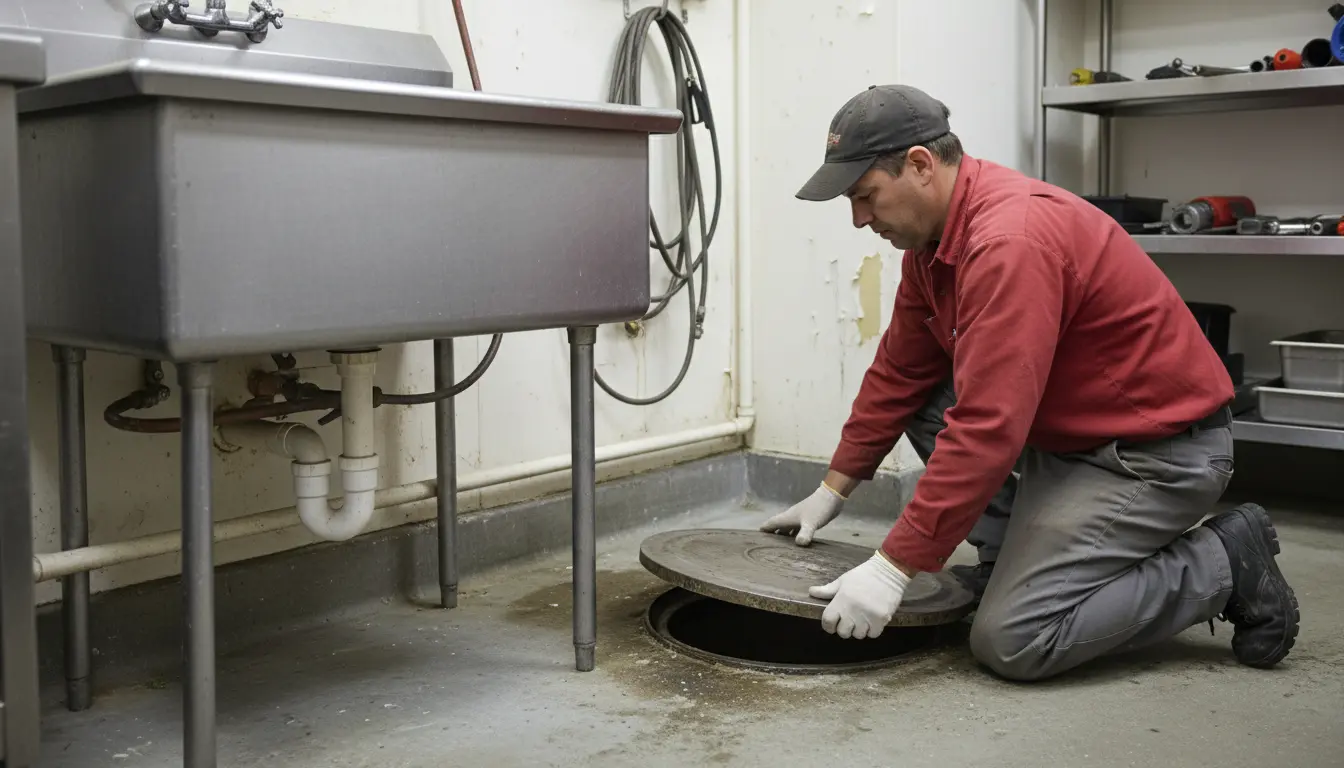
Find the Best Grease Trap Cleaning Companies for Your Business
No obligation • Fast responses • Nationwide coverage

Why you can trust Restaurant Waste Disposal
Restaurant Waste Disposal is a leading U.S. resource for comparing restaurant composting, food-waste recycling, grease trap cleaning, and used cooking oil collection services. Our editorial team researches providers, checks credentials, and organizes unbiased information so operators can make informed decisions. Companies cannot pay to change ratings or placement.
Search providers near you
Top Grease Trap Cleaning Companies in San Ramon, California Ranked
For any restaurant, commercial kitchen, or food service establishment in San Ramon, effective grease interceptor maintenance is a critical operational and legal requirement. Proper grease trap cleaning and pumping are essential to prevent costly sewer blockages, avoid regulatory fines, and protect the local wastewater infrastructure managed by the Dublin San Ramon Services District (DSRSD). This guide outlines the key regulations, best practices, and local considerations for maintaining compliance and ensuring your kitchen runs smoothly.
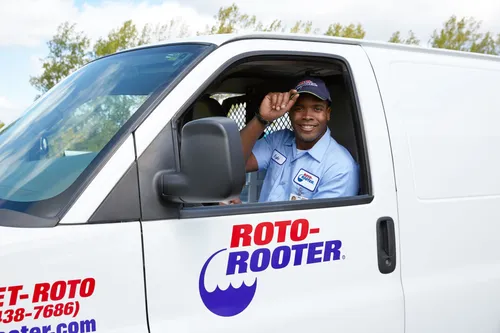
Roto-Rooter Plumbing & Water Cleanup
1780 Whipple Rd Ste 203G, Union City, CA 94587
Roto-Rooter Plumbing & Water Cleanup provides comprehensive plumbing and water cleanup services in San Jose, CA. They serve both residential and commercial clients, offering a wide range of solutions including grease trap cleaning, sewer and drain cleaning, water heater repair and installation, and emergency flood services. The company uses advanced plumbing technology and equipment to handle complex plumbing systems and offers 24/7 emergency plumbing support to address urgent issues such as burst pipes and sewer backups. Roto-Rooter is licensed and insured, serving the local community with expertise and a commitment to compliance with local codes.
Caccia Home Services
1660 Gilbreth Rd, Burlingame, CA 94010
Caccia Home Services is a plumbing and home services provider based in San Mateo, CA. They offer a wide range of services including grease trap cleaning, hydro jetting, sewer line repair, water treatment, and emergency plumbing. Their capabilities include trenchless sewer services and installation and maintenance of water heaters, including tankless and heat pump models. The company also provides electrical services such as EV charger installation and lighting upgrades. Caccia Home Services is known to respond to emergency plumbing needs.
Roto-Rooter Plumbing & Water Cleanup
95 W 11th St #204A, Tracy, CA 95376
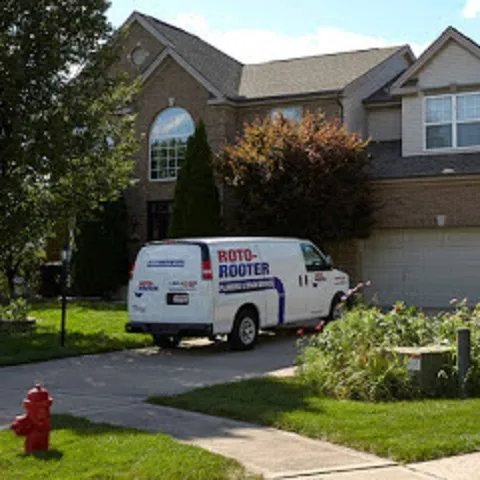
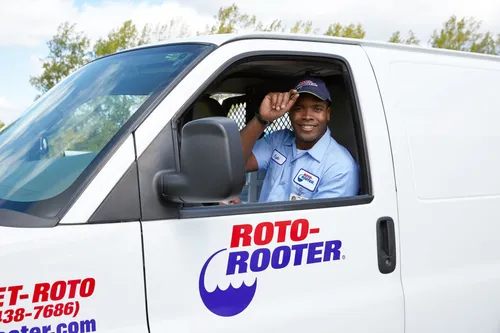
Roto-Rooter Plumbing & Water Cleanup provides a wide range of plumbing services in Tracy, CA, including residential and commercial plumbing, sewer and drain cleaning, water heater repair, and grease trap maintenance. The company is experienced in handling local plumbing challenges and codes, offering specialized services such as hydro-jetting and no-dig sewer line replacement. Established in 1935, Roto-Rooter has a long history of plumbing expertise and offers 24/7 emergency plumbing services to address urgent issues like burst pipes and sewer backups.
Roto-Rooter Plumbing & Water Cleanup
1210 Central Blvd Ste 123, Brentwood, CA 94513
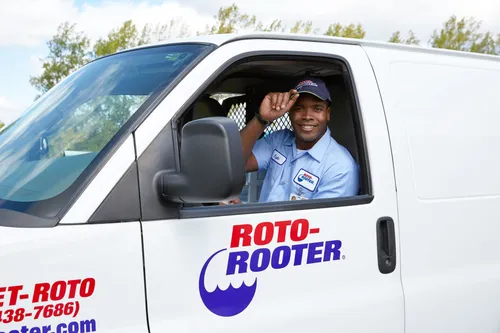
Roto-Rooter Plumbing & Water Cleanup provides comprehensive plumbing and water cleanup services in Antioch, CA. Their offerings cover residential and commercial plumbing needs, including grease trap cleaning, sewer line repairs, water heater installation and repair, floodwater cleanup, and mold remediation. The company is equipped with advanced tools like hydro-jetting for drain cleaning and offers 24/7 emergency plumbing services to address urgent issues such as burst pipes and sewer backups. Serving Antioch and surrounding areas, Roto-Rooter is experienced in handling complex plumbing systems and environmental factors affecting local infrastructure.
Roto-Rooter Plumbing & Water Cleanup
1130 N Broadway Ste 200C, Walnut Creek, CA 94596
Roto-Rooter Plumbing & Water Cleanup provides comprehensive plumbing services in Oakland, CA, covering residential and commercial needs. Their offerings include drain cleaning, sewer line repair and replacement, grease trap cleaning, water heater installation and repair, floodwater cleanup, and mold remediation. The company is equipped to handle complex commercial plumbing systems and offers specialized services such as hydro-jetting and trenchless sewer line repairs. Roto-Rooter serves the Oakland area and surrounding counties with 24/7 emergency plumbing availability to address urgent issues any time of day or night.
Understanding Local Regulations and the DSRSD FOG Program
The Dublin San Ramon Services District (DSRSD) actively manages a Fats, Oils, and Grease (FOG) reduction program to protect the public sewer system from blockages and overflows. This program is not just a suggestion-it's a mandated set of rules with real enforcement teeth. All food service facilities are required to have properly sized and functioning grease interceptors and to adhere to strict cleaning schedules. The goal is to stop FOG from entering the sewers, where it can cool, solidify, and create massive blockages leading to backups, environmental hazards, and significant public health concerns.
DSRSD conducts inspections, typically on an annual basis or more frequently, to verify compliance 1. During these inspections, they will check that your equipment is functioning correctly, review your maintenance records for proper cleaning intervals, and ensure you have documentation of all service dates. Non-compliance can result in substantial fines and enforcement actions, making a proactive approach to grease trap maintenance a smart business decision.
Determining Your Grease Interceptor Pumping Frequency
How often should you have your grease trap or interceptor serviced? The universal rule in San Ramon, aligned with state and local codes, is that pumping must occur when the combined FOG and settled solids reach 25% of the interceptor's liquid depth 2 3. As a baseline, the DSRSD requires a minimum cleaning frequency of at least every six months, but many establishments need service much more often 2.
Your specific schedule is dictated by your kitchen's volume. A high-volume operation like a busy fast-food restaurant, large hotel kitchen, or banquet hall may require pumping as frequently as weekly or bi-monthly. In contrast, a smaller café or lower-volume eatery might manage with quarterly service. The only way to know for sure is to monitor your interceptor regularly and track how quickly it fills. Developing a robust, documented maintenance schedule based on your actual usage is the cornerstone of compliance and system health 4.
The Cost of Grease Trap Pumping Services in San Ramon
The price for professional grease trap pumping in the San Ramon area is not a flat fee; it varies based on the size of your interceptor and the frequency of service. For small to medium-sized traps, commonly in the 1,000 to 1,500-gallon range, you can expect costs to start in the range of $225 to $315 or more per pumping service 5 6. Larger, high-capacity interceptors will naturally cost more.
It's important to view this as an operational necessity rather than just an expense. The cost of regular pumping pales in comparison to the fines for non-compliance or the emergency plumbing bills associated with a severe sewer line blockage caused by neglected FOG. Many service providers offer contracted service plans for regular intervals, which can help with budgeting and ensure you never miss a required cleaning.
Find the perfect grease trap cleaning companies for your needs
Get personalized recommendations and expert advice
Essential Maintenance and Accessibility Requirements
Simply pumping out the grease is not the end of the story. California Health and Safety Code, along with local ordinances, sets specific standards for the maintenance and accessibility of grease interceptors 7. First and foremost, your grease trap must be easily accessible for both servicing and inspection. This means clear, unobstructed access for service trucks and technicians. If an inspector or service provider cannot reach your interceptor, you will be cited.
After each professional cleaning, the interceptor must be refilled with clean water to restore proper function and to help control odors 8. Furthermore, you are responsible for keeping detailed, on-site records of every cleaning and maintenance event. These logs should include the date, the company that performed the service, the volume of waste removed, and the disposal method. These records are the first thing an inspector will ask to see.
Choosing a Qualified Service Provider
When selecting a company for grease interceptor pumping and cleaning in San Ramon, due diligence is key. Always hire licensed, insured, and reputable local providers who are familiar with DSRSD's specific regulations and reporting requirements 9 10. A qualified provider will not only perform the physical pumping but will also help you maintain proper documentation and advise you on the optimal service schedule for your business.
Be wary of companies that offer prices that seem too good to be true, as proper disposal of FOG waste at approved facilities is a significant part of the service cost. A reliable provider will handle all waste in accordance with environmental regulations, giving you peace of mind that every aspect of the job is compliant.
Proactive Best Practices for Kitchen Staff
While professional pumping handles the heavy lifting, daily kitchen practices dramatically impact how quickly your grease interceptor fills. Educate your staff on simple source control measures to extend time between service calls:
- Scrape, Don't Rinse: Thoroughly scrape food scraps from plates, pots, and pans into the trash before washing.
- Use Strainers: Install and maintain basket strainers in all sink drains to catch solid food particles.
- No Grease Down the Drain: Never pour used cooking oil, melted grease, or oily sauces down any drain. Collect these in sealed containers for proper disposal or recycling.
- Dry Wipe First: Wipe down greasy cookware with a paper towel before washing.
Implementing these practices reduces the FOG load entering your interceptor, improving its efficiency and potentially reducing your required pumping frequency.
Consequences of Non-Compliance
Ignoring grease trap maintenance is a high-risk strategy. Beyond the DSRSD fines for regulatory violations, the operational consequences can be severe. A fully clogged interceptor can cause grease to back up into your own kitchen sinks and floor drains, creating a massive sanitation issue and forcing a temporary shutdown. If FOG escapes your premises and contributes to a public sewer blockage, you could be held liable for the municipal cleanup costs and environmental damages. Consistent, documented maintenance is your best defense against these costly and disruptive scenarios.
Frequently asked questions
Sources
Footnotes
-
How to Clean a Grease Trap (and How Often You Should) - https://greaseconnections.com/how-to-clean-a-grease-trap-and-how-often-you-should/ ↩
-
Food Services | Dublin San Ramon Services District - https://www.dsrsd.com/do-business-with-us/pretreatment-and-pollution-prevention-programs/food-services ↩ ↩2
-
12.20.220. Grease trap requirements. - https://codelibrary.amlegal.com/codes/fullerton/latest/fullerton_ca/0-0-0-18563 ↩
-
Developing a Robust Grease Trap Maintenance Schedule - https://evergreengrease.com/posts/grease-trap-maintenance-schedule ↩
-
Grease Trap Pumping San Francisco - North Bay Restaurant Services - https://northbayrestaurantservices.com/grease-trap-pumping-san-francisco/ ↩
-
Grease Trap Cleaning Prices | Guide on the Industry Average - https://grease-cycle.com/grease-trap-pumping-cost/ ↩
-
California Health and Safety Code § 114201 (2024) - Justia Law - https://law.justia.com/codes/california/code-hsc/division-104/part-7/chapter-7/article-2/section-114201/ ↩
-
Grease Trap Cleaning For California Restaurants - https://cacciaplumbing.com/blog/grease-trap-cleaning-california-restaurants/ ↩
-
Grease Trap Cleaning San Ramon CA - A-1 Septic Tank Service Inc - https://www.a1tank.net/service-map/grease-trap-cleaning-san-ramon-ca/ ↩
-
Grease Trap Cleaning in San Ramon, CA - https://greasetrapcleaningnewarkca.com/san-ramon-ca.html ↩