Find the Best Grease Trap Cleaning Companies for Your Business
No obligation • Fast responses • Nationwide coverage

Why you can trust Restaurant Waste Disposal
Restaurant Waste Disposal is a leading U.S. resource for comparing restaurant composting, food-waste recycling, grease trap cleaning, and used cooking oil collection services. Our editorial team researches providers, checks credentials, and organizes unbiased information so operators can make informed decisions. Companies cannot pay to change ratings or placement.
Search providers near you
Top Grease Trap Cleaning Companies in San Marcos, California Ranked
For restaurant operators in San Marcos, maintaining a clean and compliant grease interceptor is far more than a routine chore-it's a critical component of business continuity and environmental responsibility. Local regulations, primarily governed by the San Diego County Food Code and the California Health & Safety Code, mandate strict adherence to cleaning schedules and maintenance standards to prevent fats, oils, and grease (FOG) from entering the municipal sewer system. Failure to comply can lead to severe consequences, including hefty fines and operational shutdowns. This guide outlines the essential requirements, best practices, and cost considerations for effective grease trap and interceptor management in San Marcos, helping you navigate compliance with confidence and avoid costly pitfalls.
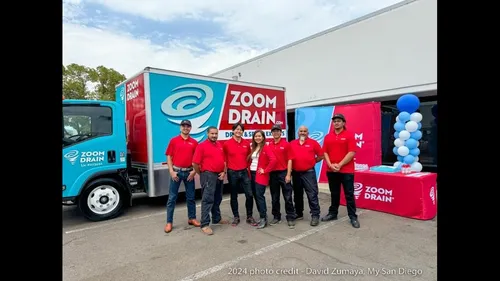
Zoom Drain SD North County
1317 Simpson Way Suite B, Escondido, CA 92029
Zoom Drain SD North County is a drain and sewer service provider based in Oceanside, CA, serving the North County San Diego area including Escondido and surrounding communities. They offer residential and commercial services, specializing in drain cleaning, sewer inspections using high-resolution cameras, and grease trap maintenance. Their capabilities include hydro-jetting to clear blockages such as tree root intrusions and applying eco-friendly treatments like RootX and CitraJet to maintain plumbing systems. The company is known for addressing complex plumbing issues with advanced technology and tailored solutions. Zoom Drain SD North County also supports property managers, contractors, and the food and hospitality sector with specialized maintenance plans and referral programs.
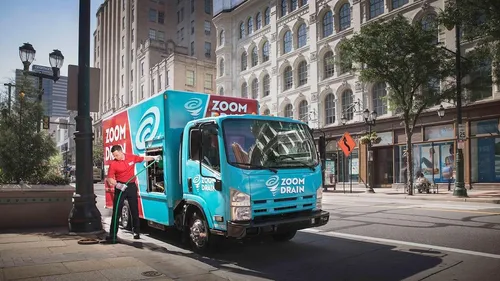
San Diego Zoom Drain
1465 Morena Blvd Floor One, San Diego, CA 92110
San Diego Zoom Drain is a drain and sewer service provider based in San Diego, CA. They offer residential and commercial drain cleaning, inspections, repairs, and replacements, including specialized grease trap maintenance for the food and hospitality sector. Their service area includes San Diego and surrounding communities such as Coronado, Del Mar, El Cajon, Encinitas, La Jolla, Santee, and Solana Beach. The company is experienced in hydro jetting, a capability used to clear stubborn clogs and maintain plumbing health. San Diego Zoom Drain emphasizes tailored maintenance plans and advanced technology to support property managers, contractors, and homeowners alike.

Chula Vista Rooter - Sewer & Drain Cleaning Services
National City, CA
Chula Vista Rooter - Sewer & Drain Cleaning Services provides drain and sewer cleaning, camera inspection, line location, and grease trap cleaning in National City, CA. The company uses modern technology and skilled techniques such as hydro-jetting and video inspection to address issues like clogged drains, sewer backups, root intrusions, and grease buildup. Their services include precise pipe location and preventive maintenance to support both residential and commercial properties. The team is experienced in handling complex problems like tree root removal and sediment buildup within sewer lines. Chula Vista Rooter aims to maintain efficient drainage systems through thorough cleaning and inspection methods.
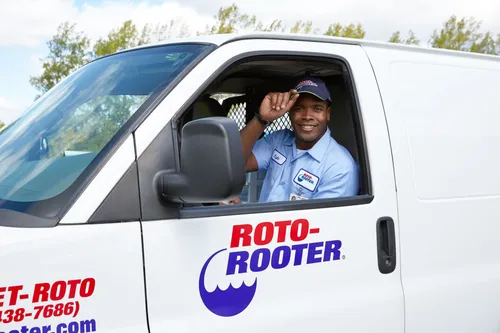
Roto-Rooter Plumbing & Water Cleanup of El Cajon
1400 Hill St, El Cajon, CA 92020
Roto-Rooter Plumbing & Water Cleanup of El Cajon provides comprehensive plumbing services to homes and businesses in San Diego, CA. They handle a wide range of needs including drain cleaning, sewer line repair and replacement, water heater installation and repair, grease trap maintenance, and floodwater cleanup. Their commercial plumbing expertise covers complex systems such as backflow inspection, high-pressure water jetting, and gas line installation. With a focus on local challenges like hard water mineral deposits and aging infrastructure, they offer tailored solutions for both residential and commercial clients. Roto-Rooter is available 24/7 for emergency plumbing services, ensuring prompt response to issues like burst pipes and sewer backups.
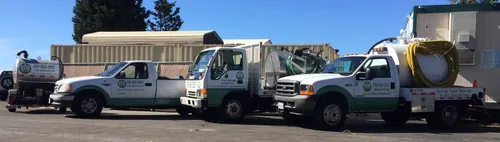
Eco Grease Pumping Services
4079 Governor Dr #262, San Diego, CA 92122
Eco Grease Pumping Services provides grease trap cleaning for commercial kitchens in San Diego, CA. The company specializes in grease trap and interceptor maintenance, including clog clearing and regular service to ensure proper function. Customers have noted their professionalism and effective resolution of long-standing grease interceptor issues.
Understanding Local Grease Trap Regulations
San Marcos restaurants fall under the jurisdiction of San Diego County's environmental health codes, which are designed to protect the city's wastewater infrastructure. The cornerstone of these regulations is the 25% rule: grease interceptors must be cleaned when the combined volume of FOG and settled solids reaches 25% of the unit's liquid capacity 1. This is not merely a suggestion but a legal requirement under California Health and Safety Code § 114201 2. While the county sets a minimum cleaning frequency of every 90 days, many high-volume establishments find that their traps require service on a bi-weekly or monthly basis to stay within the 25% threshold 3.
Health inspectors conduct regular checks to ensure compliance. Their inspection focus extends beyond just the FOG level. They will examine the physical condition of the interceptor, including:
- Accessibility: The trap must be fully accessible for servicing and inspection without obstruction.
- Proper Components: Baffles must be intact, flow control devices functional, and lids secure and watertight to prevent leaks and odors.
- Venting: Proper venting is required to prevent dangerous gas buildup.
- Documentation: Perhaps most importantly, inspectors will request to see detailed service records.
The Critical Importance of Documentation and Record-Keeping
In the eyes of a health inspector, if a service wasn't documented, it didn't happen. Maintaining meticulous records is your primary defense against violations. You are required to keep service documentation for a minimum of three years 4. These records should include:
- Date of service
- Company name and technician details
- Volume of waste removed
- Disposal method and destination (e.g., wastewater treatment facility or licensed renderer)
- Observations on the condition of the trap
A well-organized logbook demonstrates proactive maintenance and can be the deciding factor between a pass and a violation during an inspection. Lack of proper documentation is a common and easily avoidable reason for citations 5.
Prohibited Practices and Common Violations
To maintain system integrity, certain practices are explicitly prohibited. Installing or using a garbage disposal that drains into a grease interceptor is a major violation, as it introduces solids that rapidly fill the trap and defeat its purpose 6. Similarly, pre-rinse sinks should not be plumbed into the grease trap system. Repurposing old tanks or containers as makeshift interceptors is also against code-only units specifically designed and approved for grease separation are permitted 6.
Common violations that inspectors frequently cite include:
- Allowing FOG levels to exceed 25% capacity.
- Missing, damaged, or improperly installed baffles.
- Inaccessible or buried trap lids.
- Failing to produce service records upon request.
- Evidence of odors or leaks, indicating a failing seal or full trap.
Find the perfect grease trap cleaning companies for your needs
Get personalized recommendations and expert advice
Cost of Grease Trap Services in San Marcos
Understanding the cost structure for grease interceptor maintenance can help you budget effectively and avoid unexpected expenses. Prices vary significantly based on the size of your trap, the frequency of service, and whether the cleaning is scheduled or an emergency.
- Small Indoor Traps (30-200 gallons): For a standard, scheduled cleaning of a smaller trap commonly found under sinks, restaurants can expect to pay between $125 and $180. A one-time or non-contract service for the same unit may cost $190 to $240.
- Larger Interceptors & Scheduled Contract Service: For larger in-ground or outdoor grease interceptors, scheduled maintenance under a service contract typically ranges from $250 to $400 per service 7. Contracts often provide cost predictability and priority scheduling.
- Emergency Cleanings: This is where costs escalate dramatically. If an inspector issues a violation requiring immediate cleaning, or if a completely clogged trap causes a backup, emergency service calls can range from $800 to well over $1,200 8 9. The premium price reflects after-hours service, expedited scheduling, and the increased labor required to address a severe blockage.
The financial argument for proactive, scheduled maintenance is clear: the cost of regular service is far less than the combined expense of an emergency call plus potential regulatory fines.
Developing a Proactive Maintenance Plan
A reactive approach to grease trap cleaning is a recipe for compliance trouble and unnecessary expense. A proactive plan is essential. Start by having a professional assess your specific operation to determine a realistic cleaning frequency based on your kitchen's volume and menu (e.g., a pizza shop will generate more grease than a salad bar). Sign a service contract with a reputable provider to ensure regular, documented cleanings. Train your kitchen staff on best practices for grease handling, such as scraping plates and pans into a trash bin before washing and using sink strainers. Finally, designate a manager to maintain the service log and perform a visual check of the trap regularly between professional services.
The Consequences of Non-Compliance
Ignoring grease trap maintenance carries significant risk. Regulatory consequences begin with formal notices of violation and can escalate to substantial fines. Repeated or egregious violations can lead to a health inspector suspending your permit to operate, effectively forcing a temporary closure until the issue is rectified 10. Beyond regulatory action, a neglected trap can cause sewage backups in your own kitchen-a costly, unsanitary, and disruptive disaster. Furthermore, FOG that escapes into the public sewer system contributes to pipe blockages (often called "fatbergs"), which can lead to sanitary sewer overflows (SSOs). Municipalities increasingly levy severe fines against businesses found to be the source of such blockages.
Frequently asked questions
Sources
Footnotes
-
How to Clean a Grease Trap (and How Often You Should) - https://greaseconnections.com/how-to-clean-a-grease-trap-and-how-often-you-should/ ↩
-
California Health and Safety Code § 114201 (2024) - Justia Law - https://law.justia.com/codes/california/code-hsc/division-104/part-7/chapter-7/article-2/section-114201/ ↩
-
San Diego County GREASE TRAP Cleaning & PUMPING - GreaseCo - https://thegreasecompany.com/blog/sandiegogreasecompany/ ↩
-
Restaurant Grease Trap Cleaning FAQs - Mahoney Environmental - https://www.mahoneyes.com/restaurant-grease-trap-cleaning-faqs/ ↩
-
Complying with Grease Trap Codes: 5 Essential Tips | Business Name - https://www.unitedsewerservice.com/complying-with-local-regulations-and-codes-for-grease-trap-maintenance/ ↩
-
12.20.220. Grease trap requirements. - https://codelibrary.amlegal.com/codes/fullerton/latest/fullerton_ca/0-0-0-18563 ↩ ↩2
-
Essential Grease Trap Maintenance For San Diego Facilities - Shyft - https://www.myshyft.com/blog/grease-trap-cleaning-san-diego-california/ ↩
-
Ultimate Grease Trap Pumping Cost Guide: Essential Money-Saving ... - https://www.texwaywastewater.com/grease-trap-pumping-cost/ ↩
-
Grease Trap Cleaning Prices | Guide on the Industry Average - https://grease-cycle.com/grease-trap-pumping-cost/ ↩
-
Grease Trap Cleaning from Santa Clarita to San Diego - https://phoenixpumping.com/grease-trap-maintenance/ ↩