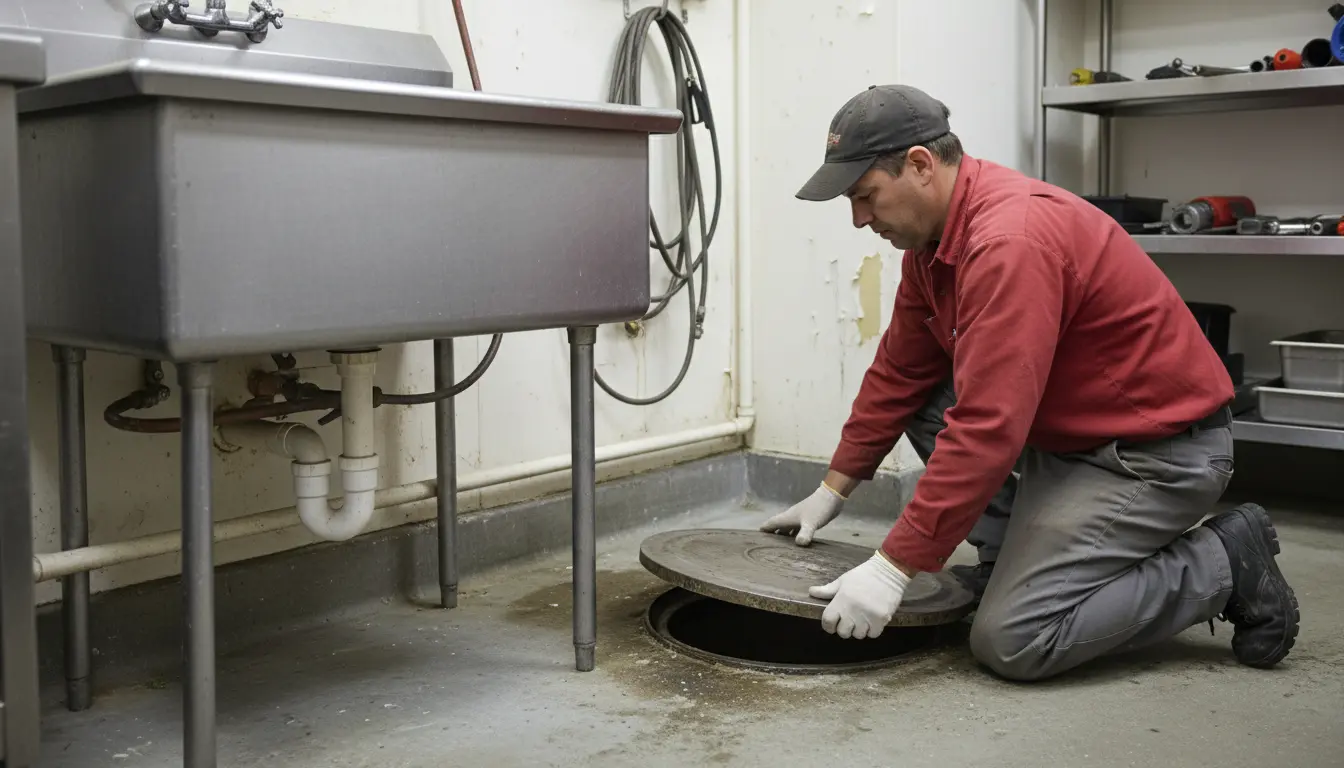
Find the Best Grease Trap Cleaning Companies for Your Business
No obligation • Fast responses • Nationwide coverage

Why you can trust Restaurant Waste Disposal
Restaurant Waste Disposal is a leading U.S. resource for comparing restaurant composting, food-waste recycling, grease trap cleaning, and used cooking oil collection services. Our editorial team researches providers, checks credentials, and organizes unbiased information so operators can make informed decisions. Companies cannot pay to change ratings or placement.
Search providers near you
Top Grease Trap Cleaning Companies in San Jacinto, California Ranked
For restaurant owners and kitchen managers in San Jacinto, maintaining your grease trap or interceptor is a critical operational and legal responsibility. Proper grease management prevents sewer blockages, protects the local wastewater infrastructure, and ensures your business remains in compliance with Riverside County and regional sanitation codes. Neglecting this essential maintenance can lead to severe backups, unpleasant odors, significant fines, and far more expensive emergency service calls. This guide outlines the specific requirements, best practices, and cost considerations for effective grease interceptor service in the San Jacinto area.
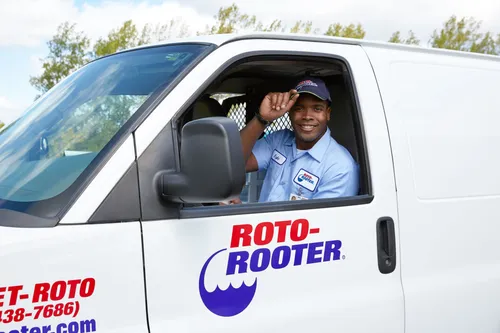
Roto-Rooter Plumbing & Water Cleanup
3579 Arlington Ave #800, Riverside, CA 92506
Roto-Rooter Plumbing & Water Cleanup provides a wide range of plumbing and water cleanup services in Riverside, CA. They handle everything from routine maintenance and repairs to complex commercial plumbing needs, including grease trap cleaning, sewer line repair, and water damage cleanup. Their team is experienced with local plumbing challenges and building codes, serving both residential and commercial clients. Roto-Rooter offers 24/7 emergency plumbing services to address urgent issues such as burst pipes, sewer backups, and clogged drains. They also specialize in hydro-jetting and use advanced technology for sewer inspections and pipe replacement. With a history dating back to the invention of the electric drain snake in 1935, Roto-Rooter continues to apply innovative solutions to plumbing problems.
Drainman Cleaning
Perris, CA
Drainman Cleaning is a grease trap cleaning company based in Perris, CA. They specialize in maintaining and cleaning grease traps to help businesses manage waste effectively and comply with local regulations.

Roto-Rooter Plumbing & Water Cleanup
25014 Las Brisas Rd, Murrieta, CA 92562
Roto-Rooter Plumbing & Water Cleanup has been serving Murrieta, CA, and surrounding areas since 1935. They provide a full range of plumbing services including residential and commercial plumbing, drain cleaning, grease trap pumping, septic tank maintenance, and water cleanup. The company offers same-day and emergency services 24/7, including holidays, with no weekend fees and clear pricing policies. Their team is experienced in handling local plumbing systems and regulations, ensuring compliant and effective solutions.
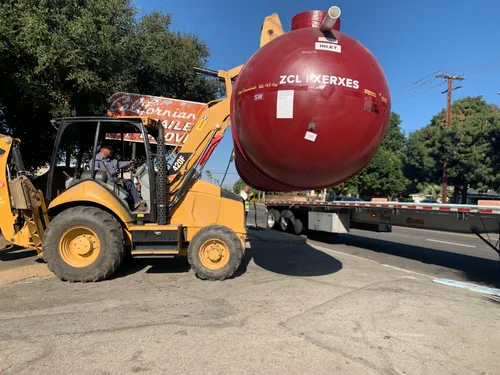
California Pumping & Sanitation, Inc
1057 S Washington Ave, San Bernardino, CA 92408
California Pumping & Sanitation, Inc is a septic and sanitation service provider based in Los Angeles, CA. Serving Southern California, they offer a wide range of services including septic tank pumping, grease trap cleaning, septic system construction, repairs, and maintenance for residential, commercial, and industrial clients. The company employs advanced technologies such as hydrojetting drain cleaning and septic tank camera inspections to ensure effective service delivery. With over 35 years of experience, California Pumping & Sanitation is licensed, bonded, and insured, providing 24/7 emergency support to its customers.
J N Grease Services
25685 Sherman Rd, Romoland, CA 92585
J N Grease Services is based in Menifee, CA, and has been providing waste handling solutions and maintenance services for over 20 years. They serve a wide range of clients including small restaurants, large restaurant chains, food manufacturers, and supermarkets throughout Southern California. Their services include used cooking oil collection and grease trap cleaning, supporting businesses in maintaining operational efficiency. J N Grease Services emphasizes competitive pricing and attentive customer care to build long-term relationships.
Understanding Local Grease Trap Regulations
Compliance begins with knowing the rules set by local authorities. In the San Jacinto region, grease control programs are typically managed by agencies like the City of Riverside Public Works, which enforces regulations to protect the sewer system from fats, oils, and grease (FOG).
Key Code Requirements for San Jacinto Restaurants:
- Cleaning Frequency: Traps must be cleaned when FOG and solids accumulate to 25% of the trap's liquid depth. While a minimum of every six months is often cited, high-volume kitchens may require service every 1 to 3 months 1 2.
- Wastewater Temperature: To ensure proper FOG separation, wastewater entering the trap must be cooled to below 120°F 3.
- Comprehensive Routing: All grease-bearing waste streams, including those from sinks, dishwashers, and floor drains in kitchen areas, must be routed through the grease interceptor. Only "clear waste" from sources like restrooms is exempt 4.
- Accessibility: Grease traps and interceptors must be easily accessible for both routine cleaning and unannounced inspections. Locked or obstructed traps are a common violation.
Adhering to these guidelines isn't just about avoiding penalties; it's about ensuring the long-term functionality of your plumbing and the broader community sewer system.
Inspection Schedules and Enforcement: What to Expect
Local agencies conduct regular inspections to ensure compliance with FOG control programs. Being prepared is the best way to pass an inspection smoothly.
What Inspectors Look For: During an inspection, officials will verify several critical points. They will check your maintenance records to confirm cleaning frequency adheres to the 25% rule. They will assess the physical accessibility of the trap and may measure the current FOG and solid levels. Inspectors also ensure all kitchen wastewater is properly routed through the interceptor and will look for signs of improper disposal, such as grease in floor drains or outdoor areas 5.
Consequences of Non-Compliance: Failing an inspection can have serious financial repercussions. Initial violations typically result in fines, but continued non-compliance can lead to escalating penalties. In severe cases, the city can mandate an emergency cleaning at the restaurant's expense, which costs significantly more than scheduled maintenance. In extreme situations, a business could face a suspension of its wastewater discharge permit, effectively halting operations until the issue is resolved. Proactive, documented maintenance is always the most economical path.
Find the perfect grease trap cleaning companies for your needs
Get personalized recommendations and expert advice
The Real Cost of Grease Trap Maintenance
Understanding the cost factors for grease interceptor pumping can help you budget effectively and avoid unexpected expenses. Prices vary based on the size of your trap, its condition, and your location in Southern California.
Standard Service Pricing: For a standard indoor grease trap that is regularly maintained, a routine cleaning in the San Jacinto area typically ranges from $175 to $475+ per service. The final cost depends on the trap's gallon capacity and the volume of material removed.
Factors That Increase Cost:
- Larger Interceptors: Outdoor grease interceptors holding 1,000 gallons or more start at around $550+ for pumping, with prices rising based on content 6 7.
- Neglect and Emergencies: The single biggest cost driver is neglect. A severely clogged trap requires more labor, specialized equipment, and poses a higher disposal cost for the service provider. Emergency or after-hours service calls also carry a substantial premium 8.
- Waste Disposal Fees: The cost to legally dispose of FOG waste in Southern California continues to rise, a factor that is often reflected in service pricing.
The Cost-Benefit of Regular Service: Investing in regular grease trap cleaning to meet the 25% FOG rule is far cheaper than dealing with the consequences of neglect, which include not only higher pumping bills but also potential fines, plumbing repairs, and operational downtime 9 10.
Best Practices for Restaurant Grease Management
Beyond scheduling regular pump-outs, adopting smart kitchen practices can extend time between services and improve overall compliance.
Train Your Staff: Educate kitchen employees on what should and should not go down the drain. Scrape food scraps into trash or compost bins before washing. Avoid using sinks to dispose of cooking oils or melted grease. Use Pre-Sink Strainers: Install and maintain strainers in all prep and dish sinks to catch solid food particles before they enter the drain and accelerate FOG buildup in your trap. Maintain Detailed Records: Keep a dedicated logbook for all grease trap maintenance. Record the date of service, the company that performed it, the volume of waste removed, and the observed FOG level. This documented history is your best evidence of compliance during an inspection. Schedule Seasonal Check-ups: Kitchen volume can fluctuate. Consider scheduling a check-up before peak seasons (like holidays) to ensure your interceptor can handle increased demand without issue.
By integrating these practices with a reliable, professional cleaning schedule, you can ensure your San Jacinto restaurant operates smoothly, remains compliant, and avoids the headaches and high costs of grease-related problems.
Frequently asked questions
Sources
Footnotes
-
12.20.220. Grease trap requirements. - https://codelibrary.amlegal.com/codes/fullerton/latest/fullerton_ca/0-0-0-18563 ↩
-
Grease Trap Cleaning For California Restaurants - https://cacciaplumbing.com/blog/grease-trap-cleaning-california-restaurants/ ↩
-
California Health and Safety Code § 114201 (2024) - Justia Law - https://law.justia.com/codes/california/code-hsc/division-104/part-7/chapter-7/article-2/section-114201/ ↩
-
guidance document for sizing and installation of grease traps ... - https://www.sjra.net/wp-content/uploads/2015/03/Guidance-Document-for-Grease-Trap-Interceptor-and-Separator.pdf ↩
-
Trap pumping - https://phoenixpumping.com/grease-trap-maintenance/ ↩
-
The Cost To Clean A Grease Trap For Restaurants - https://thegreasecompany.com/blog/greasetrapcleaningcost/ ↩
-
Restaurant Grease Trap & Interceptor Cleaning Cost - https://greasemanagement.org/pricing.html ↩
-
Grease Trap Cleaning in San Jacinto CA - https://greasetrapcleaningcoachella.com/san-jacinto-ca.html ↩
-
SoCal Grease Pumping Service - Grease Trap Cleaning & Pumping - https://thegreasecompany.com/blog/socal-grease-pumping-service/ ↩
-
How to Clean a Grease Trap (and How Often You Should) - https://greaseconnections.com/how-to-clean-a-grease-trap-and-how-often-you-should/ ↩