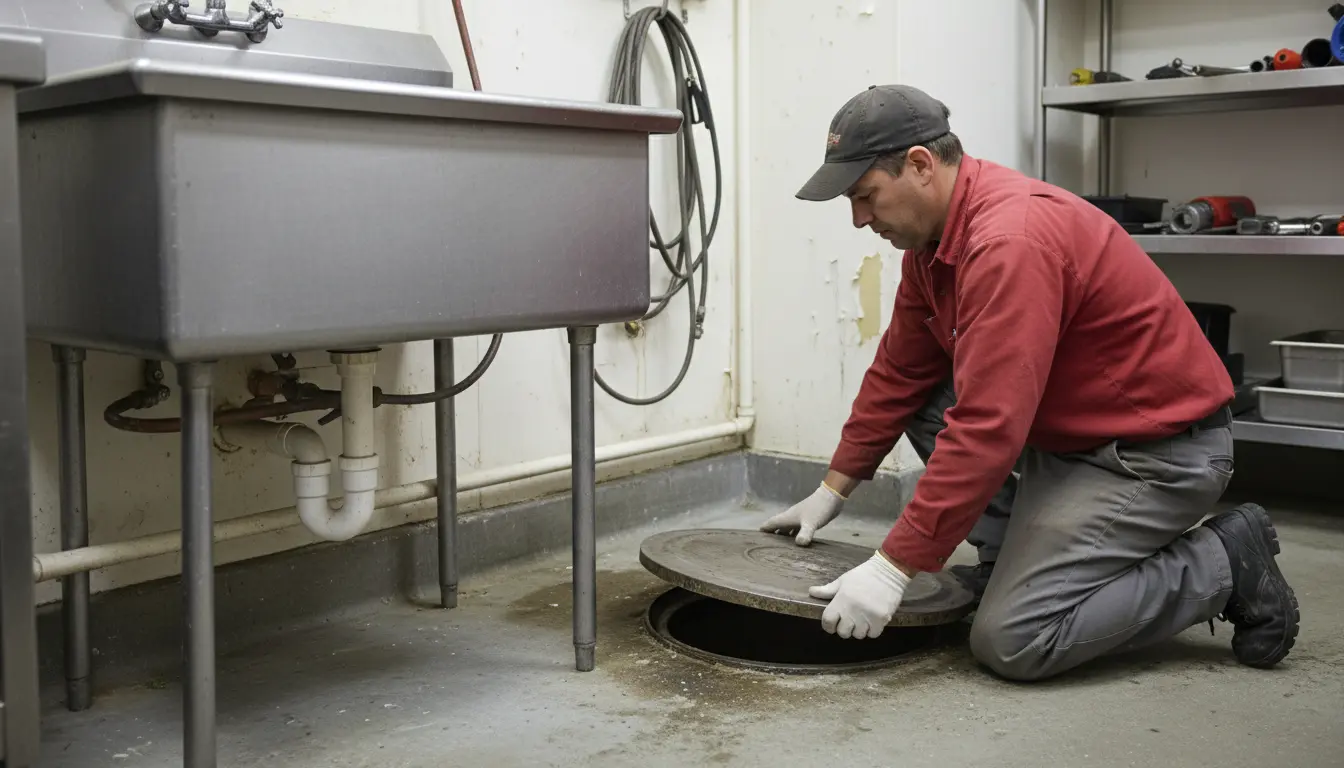
Find the Best Grease Trap Cleaning Companies for Your Business
No obligation • Fast responses • Nationwide coverage

Why you can trust Restaurant Waste Disposal
Restaurant Waste Disposal is a leading U.S. resource for comparing restaurant composting, food-waste recycling, grease trap cleaning, and used cooking oil collection services. Our editorial team researches providers, checks credentials, and organizes unbiased information so operators can make informed decisions. Companies cannot pay to change ratings or placement.
Search providers near you
Top Grease Trap Cleaning Companies in Salinas, California Ranked
For restaurant owners and food service operators in Salinas, managing fats, oils, and grease (FOG) is a critical operational and regulatory responsibility. Proper grease trap and interceptor maintenance is not just about preventing unpleasant odors or clogs; it's a legal requirement enforced by the City of Salinas to protect the local sewer system from costly blockages and environmental damage. Staying compliant involves understanding specific local codes, maintaining detailed records, and implementing proactive best practices in your kitchen. This guide outlines the essential regulations, costs, and procedures for effective grease management to help your business avoid fines and ensure smooth operations.
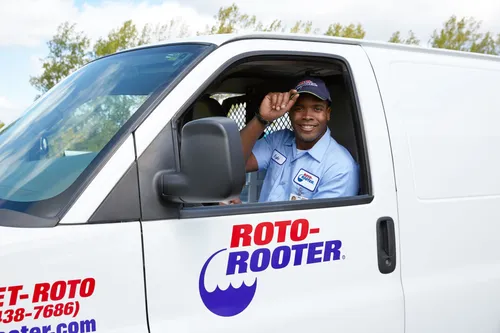
Roto-Rooter Plumbing & Water Cleanup
1500 41st Ave Ste 260, Capitola, CA 95010
Roto-Rooter Plumbing & Water Cleanup provides comprehensive plumbing services in San Jose, CA, specializing in both residential and commercial systems. Their offerings include drain cleaning, sewer line repair and replacement, water heater installation and repair, grease trap maintenance, and floodwater cleanup. The company uses advanced equipment such as hydro-jetting for effective drain cleaning and offers 24/7 emergency plumbing services to address urgent issues promptly. Serving Capitola and surrounding communities, Roto-Rooter has extensive experience managing plumbing challenges unique to the area, including compliance with local regulations and environmental concerns.
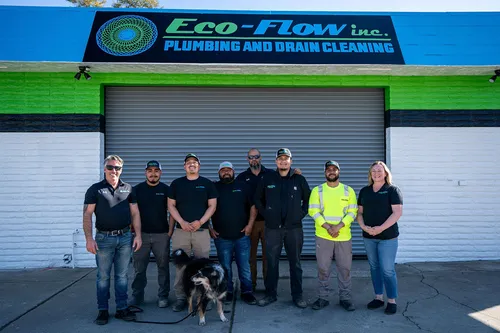
Eco-Flow Plumbing Inc.
122 Hubbard St, Santa Cruz, CA 95060
Eco-Flow Plumbing Inc. is a licensed and insured plumbing company serving San Jose, CA, and the surrounding Santa Cruz area. Since 2008, they have provided plumbing services for both residential and commercial clients, including sewer repairs, water heater services, and restaurant grease trap cleaning. Their team is equipped to perform high-pressure water jetting for pipe cleaning and emergency situations.
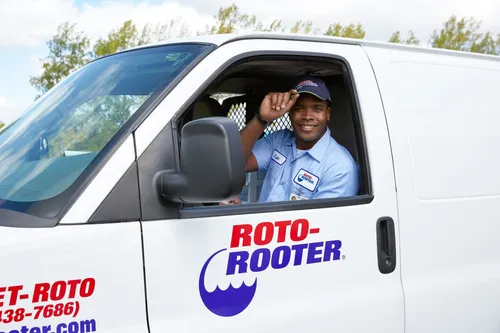
Roto-Rooter Plumbing & Water Cleanup
310 Locust St Suite F, Santa Cruz, CA 95060
Roto-Rooter Plumbing & Water Cleanup provides comprehensive plumbing services in Santa Cruz, CA, catering to both residential and commercial clients. Their offerings include drain cleaning, sewer line repairs, water heater installation and repair, mold remediation, grease trap cleaning, and floodwater cleanup. The company uses advanced equipment such as hydro-jetting for drain maintenance and offers 24/7 emergency plumbing services to address urgent issues like burst pipes and sewer backups. Serving Santa Cruz and surrounding counties, Roto-Rooter has extensive experience managing plumbing needs for a variety of sectors including education, healthcare, and retail.
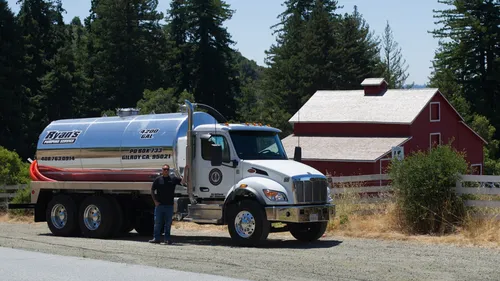
Ryans pumping service Inc
7495 Santa Theresa Dr, Gilroy, CA 95020
Ryans Pumping Service Inc is a grease trap cleaning company based in Gilroy, CA. They provide grease trap maintenance and cleaning services to local businesses to help manage waste and maintain proper sanitation.
Understanding Salinas FOG Regulations
The City of Salinas administers a Fats, Oils & Grease (FOG) Program to prevent sewer overflows and maintain infrastructure. The core rules are detailed in the Salinas Municipal Code Chapter 36. Compliance is not optional; it's a mandatory condition of doing business for any establishment that generates grease. The local Public Works Department is responsible for enforcement, and they conduct inspections, often prioritizing facilities with historically high FOG output or those linked to recurring sewer issues. The goal of the program is preventive, aiming to educate and encourage proper maintenance before problems-and penalties-arise.
Key Maintenance Requirements
Salinas has clear, measurable standards for when and how grease control devices must be serviced. Adhering to these is the first line of defense against compliance issues.
- Pumping Frequency: Grease traps and interceptors must be pumped out when the combined FOG and settled solids accumulate to 25% of the device's liquid depth. Regardless of accumulation, a minimum cleaning frequency of every six months is required1 2. Some high-volume kitchens may find they need service more often.
- Record Keeping: You are required to maintain a detailed maintenance log on-site. The City of Salinas provides a specific Grease Trap and Interceptor Maintenance Log template for this purpose. Each service must be logged with the date, the name of the company or person who performed the cleaning, and the disposal site for the collected waste.
- Accessibility: Your grease interceptor must be readily accessible for inspection, cleaning, and maintenance at all times. Blocked or buried traps can lead to immediate violation notices.
The Real Cost of Grease Trap Service in Salinas
Understanding the cost structure for grease interceptor cleaning can help you budget effectively and recognize the value of preventive care. Prices vary based on the size and location of your trap, its condition, and whether the service is scheduled or an emergency.
- Routine Scheduled Pumping: For a standard, accessible grease trap, a routine pumping service in Salinas typically ranges from $175 to $475 for a one-time service. Many providers offer lower rates, often between $125 and $180, for businesses that commit to a regular scheduled maintenance plan 3.
- Emergency Service Costs: Neglecting regular maintenance often leads to complete blockages or overflows, requiring an emergency call. These services are significantly more expensive, frequently costing between $800 and $1,200 or more per visit 4. This stark price difference highlights the financial wisdom of proactive scheduling.
- Additional Cleaning Methods: Some service providers offer "dry cleaning" or vacuum methods that remove nearly 100% of the contents, including hardened grease and solids from the bottom and walls. While sometimes priced higher per service, this thorough approach can extend the time between necessary pump-outs, potentially saving money in the long run by reducing the overall frequency of major service5.
Find the perfect grease trap cleaning companies for your needs
Get personalized recommendations and expert advice
Best Practices for Kitchen FOG Management
Compliance starts in the kitchen. By training your staff on proper FOG handling, you can significantly reduce the load on your grease trap, extend service intervals, and minimize risks.
- Scrape and Dry-Wipe: All dishes, pots, and pans should be scraped of food solids into a trash bin and given a preliminary dry wipe with a paper towel before being rinsed or sent to the dishwasher6 7. This simple step keeps vast amounts of grease out of the drain.
- Proper Oil Disposal: Never pour used cooking oil, fryer oil, or melted grease down any drain. It should be collected in a dedicated, sealed "tallow bin" or container for professional collection by a licensed used cooking oil hauler8 9.
- Use Sink Strainers: Install and regularly empty strainer baskets in all prep and dishwashing sinks to catch food particles.
- Avoid Garbage Disposals: If possible, avoid using garbage disposals, as they emulsify fats and send fine solids into your plumbing, where they can re-coagulate and cause blockages.
What to Expect During a City Inspection
The Salinas Public Works Department conducts inspections to verify compliance with the FOG program. Being prepared can make the process smooth and stress-free.
An inspector will typically request to see your maintenance log to verify pumping frequency and proper disposal. They will visually inspect your grease interceptor for accessibility, overall condition, and signs of overflow or bypass. They may also check kitchen areas for best practices, such as the presence of sink strainers and proper signage. The focus is on education and correction. However, failure to comply with code requirements, such as missing logs or an overfull trap, can result in formal notices and monetary fines 10. Proactive communication with your service provider and the city can often resolve issues before they escalate.
Choosing a Service Provider
Selecting a reliable grease trap cleaning partner is crucial. Look for a licensed, insured, and locally experienced company familiar with Salinas codes. They should provide detailed service reports that you can easily enter into your official maintenance log. A good provider will not just pump and leave; they should offer insights into your trap's condition and advise on optimal service frequency based on your actual usage. Establishing a scheduled service agreement is the most effective way to ensure uninterrupted compliance and operational efficiency.
Frequently asked questions
Sources
Footnotes
-
Fats, Oils & Grease (FOG) Program - City of Salinas - https://www.salinas.gov/files/sharedassets/city/v/1/public-works/documents/fog_program.pdf ↩
-
Grease Trap and Interceptor Maintenance Log - https://www.salinas.gov/files/sharedassets/city/v/1/public-works/documents/fog-maint-log_city_of_salinas.pdf ↩
-
Grease Trap Cleaning Prices | Guide on the Industry Average - https://grease-cycle.com/grease-trap-pumping-cost/ ↩
-
How Much Does a Proper Grease Trap Cleaning Cost? - https://hulseyenvironmental.com/how-much-does-a-proper-grease-trap-cleaning-partner-cost/ ↩
-
Ultimate Grease Trap Pumping Cost Guide: Essential Money-Saving ... - https://www.texwaywastewater.com/grease-trap-pumping-cost/ ↩
-
SSMP ELEMENT 7 - FOG Control Program APPENDIX ... - San Mateo - https://www.cityofsanmateo.org/DocumentCenter/View/75987/Appendix-71-FOG---FOG-Supporting-Materials-091219 ↩
-
12.20.220. Grease trap requirements. - https://codelibrary.amlegal.com/codes/fullerton/latest/fullerton_ca/0-0-0-18563 ↩
-
30-11 Grease regulations and procedures | Monterey City Code - https://monterey.municipal.codes/Code/30-11 ↩
-
California Health and Safety Code § 114201 (2024) - Justia Law - https://law.justia.com/codes/california/code-hsc/division-104/part-7/chapter-7/article-2/section-114201/ ↩
-
Chapter 18.08 GREASE TRAPS - General Code - https://www.codepublishing.com/CA/PacificGrove/html/PacificGrove18/PacificGrove1808.html ↩