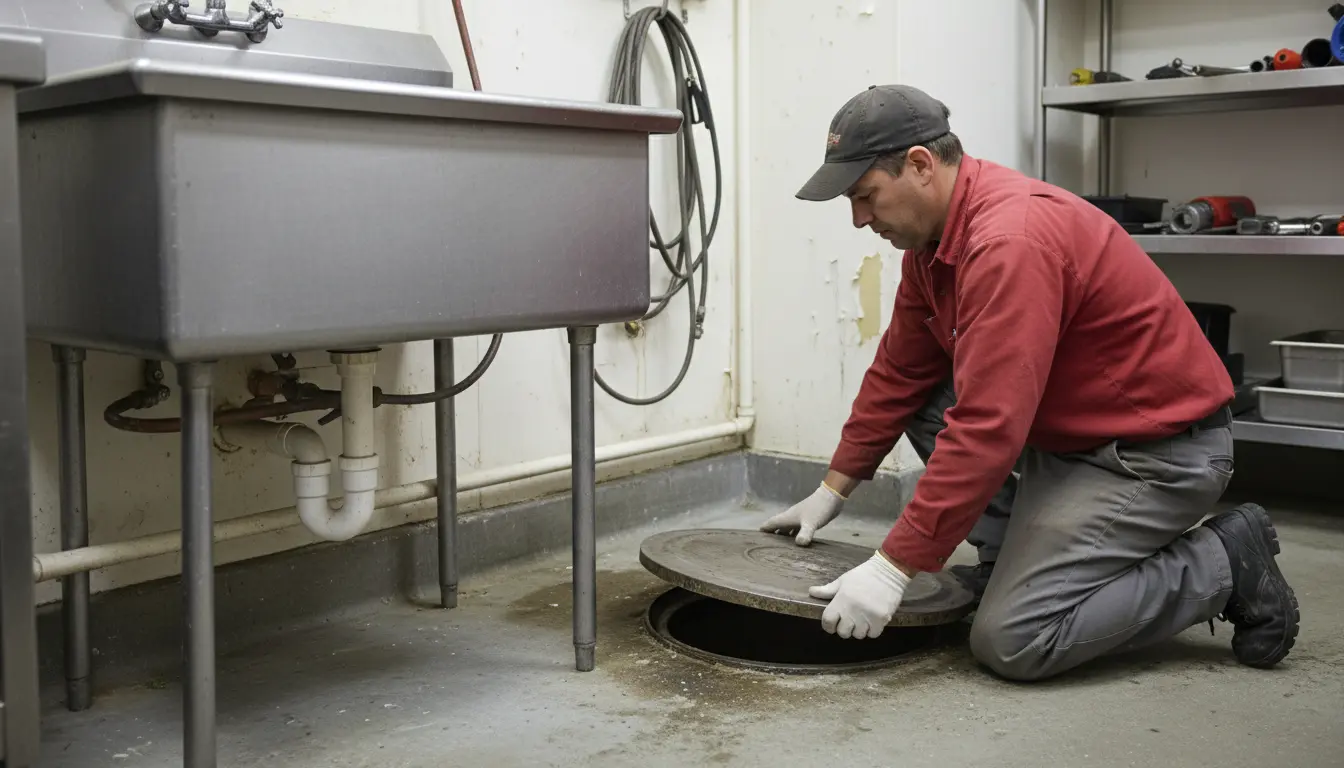
Find the Best Grease Trap Cleaning Companies for Your Business
No obligation • Fast responses • Nationwide coverage

Why you can trust Restaurant Waste Disposal
Restaurant Waste Disposal is a leading U.S. resource for comparing restaurant composting, food-waste recycling, grease trap cleaning, and used cooking oil collection services. Our editorial team researches providers, checks credentials, and organizes unbiased information so operators can make informed decisions. Companies cannot pay to change ratings or placement.
Search providers near you
Top Grease Trap Cleaning Companies in Roseville, California Ranked
For restaurant owners and food service operators in Roseville, maintaining a clean and compliant grease trap isn't just a good practice-it's a legal requirement essential for protecting the city's sewer system. The City of Roseville enforces strict regulations under local ordinances and the California Plumbing Code to prevent fats, oils, and grease (FOG) from causing costly blockages and environmental damage. Effective grease interceptor maintenance involves regular pumping, diligent record-keeping, and implementing proven kitchen Best Management Practices (BMPs) to ensure your establishment avoids fines and operates smoothly. Understanding the specific rules for pumping frequency, the critical "25% rule," and what to expect during an inspection is key to successful compliance.
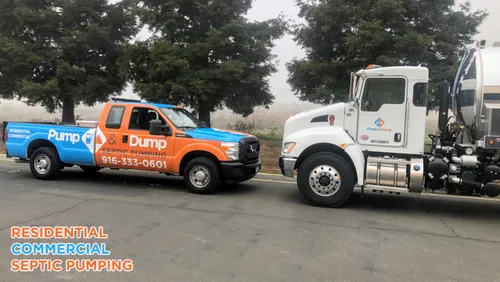
Pump & Dump Septic
1030 N D St #300, Sacramento, CA 95811
Pump & Dump Septic is a grease trap cleaning company based in Sacramento, CA. They serve Sacramento and broader areas including the Bay Area, Northern California, and Central California. The company offers services such as grease trap cleaning and hydro jetting for unclogging drains. They provide emergency service availability, including weekends and after hours, with a team ready to respond quickly to urgent needs.
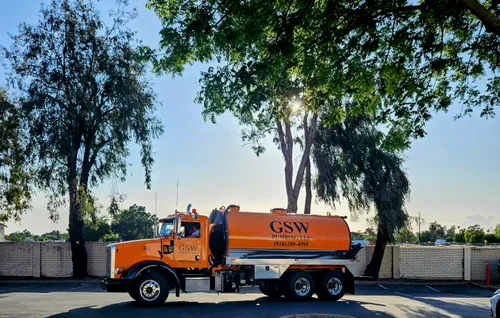
GSW Pumping LLC
Sacramento, CA
GSW Pumping LLC is a septic and wastewater service provider based in Sacramento, CA. They offer septic pumping, grease trap cleaning, wastewater hauling, and line jetting services. Serving Antelope and the greater Sacramento area, they provide 24/7 availability for emergency and scheduled services. Their high-pressure line jetting helps clear stubborn clogs, maintaining proper flow and system efficiency. GSW Pumping LLC emphasizes reliable service with a local commitment and is available around the clock to address urgent plumbing needs.
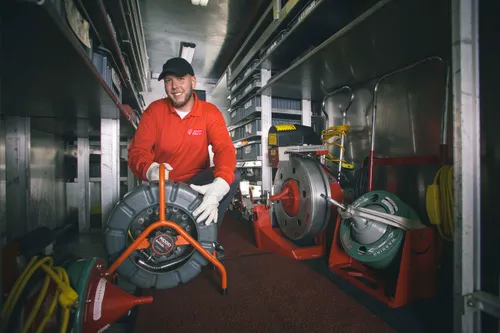
Zoom Drain
7500 14th Ave #22, Sacramento, CA 95820
Zoom Drain is a drain and sewer service provider based in Sacramento, CA, offering residential and commercial solutions. They specialize in grease trap cleaning, drain cleaning, and sewer repairs, using advanced tools and local expertise to address issues like clogs and root intrusions. The company serves Sacramento and surrounding areas with same-day and next-day availability, including after-hours service. Zoom Drain is known for thorough assessments, clear communication, and tailored maintenance plans to keep plumbing systems functioning properly.
Septic Pumping and Drain Solutions
7901 Doe Trail Way, Antelope, CA 95843
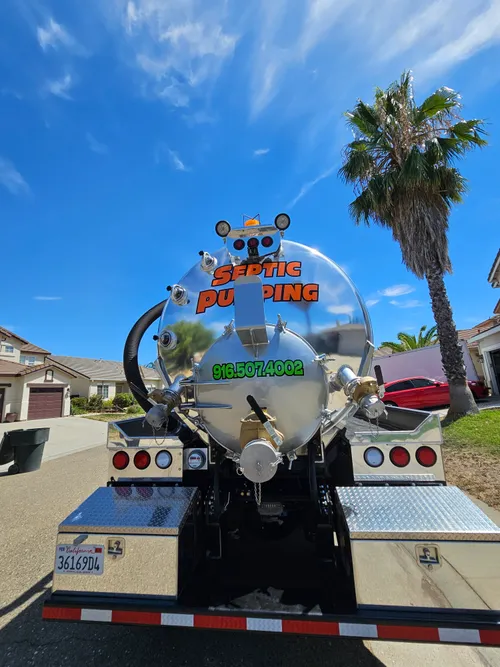
Septic Pumping and Drain Solutions is a licensed and insured company based in Sacramento, CA, offering residential septic pumping, commercial grease trap cleaning, and 24/7 emergency septic services. They serve Sacramento and surrounding areas, providing thorough inspections, proper waste disposal, and detailed reporting to help maintain septic systems and commercial kitchens. Established in 2003, the company has over 20 years of experience and is equipped to handle urgent septic issues with real-time emergency response and advanced diagnostic tools.
Roto-Rooter Plumbing & Water Cleanup
3961 Pell Cir, Sacramento, CA 95838
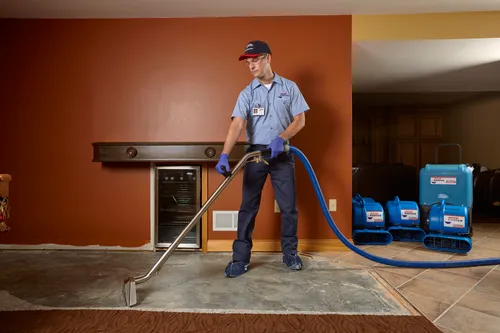
Roto-Rooter Plumbing & Water Cleanup has been serving Sacramento, CA since 1935, providing plumbing and water cleanup services for both residential and commercial clients. They offer a wide range of services including routine maintenance, complex repairs, drain cleaning, septic tank work, and grease trap pumping. The company is familiar with local codes and offers same-day and emergency services 24/7, including holidays, with no weekend fees and limited after-hours charges. Their specialized technicians handle commercial grease trap cleaning and septic system maintenance, ensuring compliance and efficiency tailored to Sacramento's plumbing needs.
Understanding Roseville's FOG Control Program
The City of Roseville manages a comprehensive Fats, Oils, and Grease (FOG) control program designed to safeguard the municipal wastewater collection and treatment infrastructure. All Food Service Establishments (FSEs) are considered significant sources of FOG and are legally responsible for preventing its discharge into the sewer system. This responsibility is codified in local law, which mandates that grease interceptors and traps be properly installed, maintained, and operated in accordance with city standards and state health codes 1.
Non-compliance isn't taken lightly. The city conducts routine inspections of food service facilities to review maintenance logs, measure FOG accumulation, and assess overall compliance with mandated BMPs. Enforcement actions for violations can include formal citations, substantial fines, and in severe cases, orders to cease operations until the issues are rectified. Proactive management of your grease control system is the most effective strategy to avoid these disruptive and expensive penalties.
Key Regulations for Roseville Restaurants
Navigating the regulations is the first step toward compliance. Here are the core requirements every Roseville food service operator must know:
- Pumping Frequency: While the city often cites a minimum cleaning frequency of every six months, this is a baseline. The actual required frequency for your establishment is determined by how quickly FOG accumulates. High-volume kitchens, those with dishwashers, or establishments that use significant amounts of cooking oil often require monthly or quarterly service to stay within legal limits 2 3. Your service provider can recommend a schedule based on your specific operations.
- The 25% Rule: This is a critical operational standard. The combined FOG and solids layer must not exceed 25% of the grease trap's operating depth (the distance from the water level to the bottom of the trap) 4 5. Allowing accumulation beyond this point significantly reduces the trap's efficiency and is a direct violation.
- Accessibility & Installation: Grease interceptors must be easily accessible for servicing, inspection, and maintenance at all times. They cannot be located within food preparation or storage areas. Proper sizing and installation according to city-approved specifications are also mandatory for new constructions or renovations 6.
- Best Management Practices (BMPs): Compliance goes beyond just pumping the trap. Roseville requires FSEs to implement and document BMPs. This includes training staff on proper kitchen practices such as dry-wiping pots and pans before washing, using sink strainers, and ensuring that food waste and grease are never poured down drains.
The Cost of Compliance: Service Pricing in Roseville
Investing in regular grease trap maintenance is far more economical than facing emergency repairs or city fines. Service costs in Roseville vary based on several factors, including the size and type of your interceptor, its accessibility, and how often service is performed.
For a standard grease trap pumping service, restaurants can typically expect costs to range from $150 to $500+ per cleaning 7 8. Larger capacity traps or those serving high-volume establishments may fall on the higher end of that scale, with some local providers indicating regular service can range from $250 to $400 8 9. The most significant cost driver, however, is emergency service. A reactive call for a completely clogged or overflowing trap can cost between $800 and $1,200 or more, not including potential fines for sewer spills or violations 7 9. Establishing a routine, preventive maintenance schedule with a reliable provider is the most effective way to manage this necessary operational expense.
Find the perfect grease trap cleaning companies for your needs
Get personalized recommendations and expert advice
What to Expect During a City Inspection
Being prepared for an inspection can make the process straightforward. City inspectors will typically focus on several key areas:
- Review of Maintenance Records: You must provide detailed, legible service reports from a licensed waste hauler for the past three years (or since opening). These logs should include the date of service, the company name, the volume of waste removed, and the signature of the service technician.
- Visual and Physical Inspection: The inspector will likely open the grease trap to visually assess the FOG and solids accumulation, checking compliance with the 25% rule 10. They will also verify that the unit is properly installed and accessible.
- Evaluation of BMPs: Be prepared to discuss your staff training procedures and kitchen practices. Inspectors may ask to see documentation of your BMP program and observe sink areas for proper use of strainers 11.
- Overall Facility Assessment: The inspection may include checking for any signs of grease buildup in drain lines or evidence of improper discharge.
Having your records organized and your trap recently serviced demonstrates a commitment to compliance and can help ensure a positive inspection outcome.
Creating an Effective Maintenance Plan
A proactive plan is your best defense against problems. Here's how to build one:
- Schedule Regular Service: Work with your provider to determine the optimal pumping schedule for your kitchen's output. Don't wait for the trap to be full; stick to the calendar.
- Keep Impeccable Records: Store all service receipts and reports in a dedicated, easily accessible binder or digital folder. This is your primary proof of compliance.
- Train and Retrain Staff: Make FOG control part of your onboarding and ongoing training. Simple habits like scraping plates and using dedicated grease collection containers make a huge difference.
- Partner with a Reputable Provider: Choose a licensed, insured, and experienced grease trap service company familiar with Roseville's specific codes. They can be a valuable resource for guidance and timely service.
- Conduct Internal Checks: Periodically check your grease trap between professional services to monitor accumulation levels and catch potential issues early.
By integrating these steps into your daily operations, you transform grease trap maintenance from a regulatory chore into a standard part of your restaurant's successful and sustainable business practice.
Frequently asked questions
Sources
Footnotes
-
California Health and Safety Code § 114201 (2024) - Justia Law - https://law.justia.com/codes/california/code-hsc/division-104/part-7/chapter-7/article-2/section-114201/ ↩
-
Grease Trap Cleaning For California Restaurants - https://cacciaplumbing.com/blog/grease-trap-cleaning-california-restaurants/ ↩
-
Grease Trap Regulations and Compliance: What You Need to Know - https://www.texwaywastewater.com/grease-trap-regulations-and-compliance/ ↩
-
City of Roseville, CA Regulations - eCode360 - https://ecode360.com/42762130 ↩
-
802.15: DISCHARGE OF FATS, OILS AND GREASE: - https://www.cityofroseville.com/DocumentCenter/View/36311/Proposed-Ordinance-FOG-Title-8-Section-802- ↩
-
APPENDIX A: GREASE INTERCEPTOR AND GREASE TRAP SIZING - https://codelibrary.amlegal.com/codes/newburgh/latest/newburgh_in/0-0-0-2311 ↩
-
Ultimate Grease Trap Pumping Cost Guide: Essential Money-Saving ... - https://www.texwaywastewater.com/grease-trap-pumping-cost/ ↩ ↩2
-
Grease Trap Service in Roseville, CA - WasteDoor - https://wastedoor.com/california/roseville/grease-trap ↩ ↩2
-
Grease Trap Cleaning Prices | Guide on the Industry Average - https://grease-cycle.com/grease-trap-pumping-cost/ ↩ ↩2
-
Grease Trap Inspection - InterNACHI® - https://www.nachi.org/grease-trap-inspection.htm ↩
-
Sewer business customers - City of Roseville - https://www.roseville.ca.us/government/departments/environmental_utilities/at_your_service/sewer/sewer_business_customers ↩