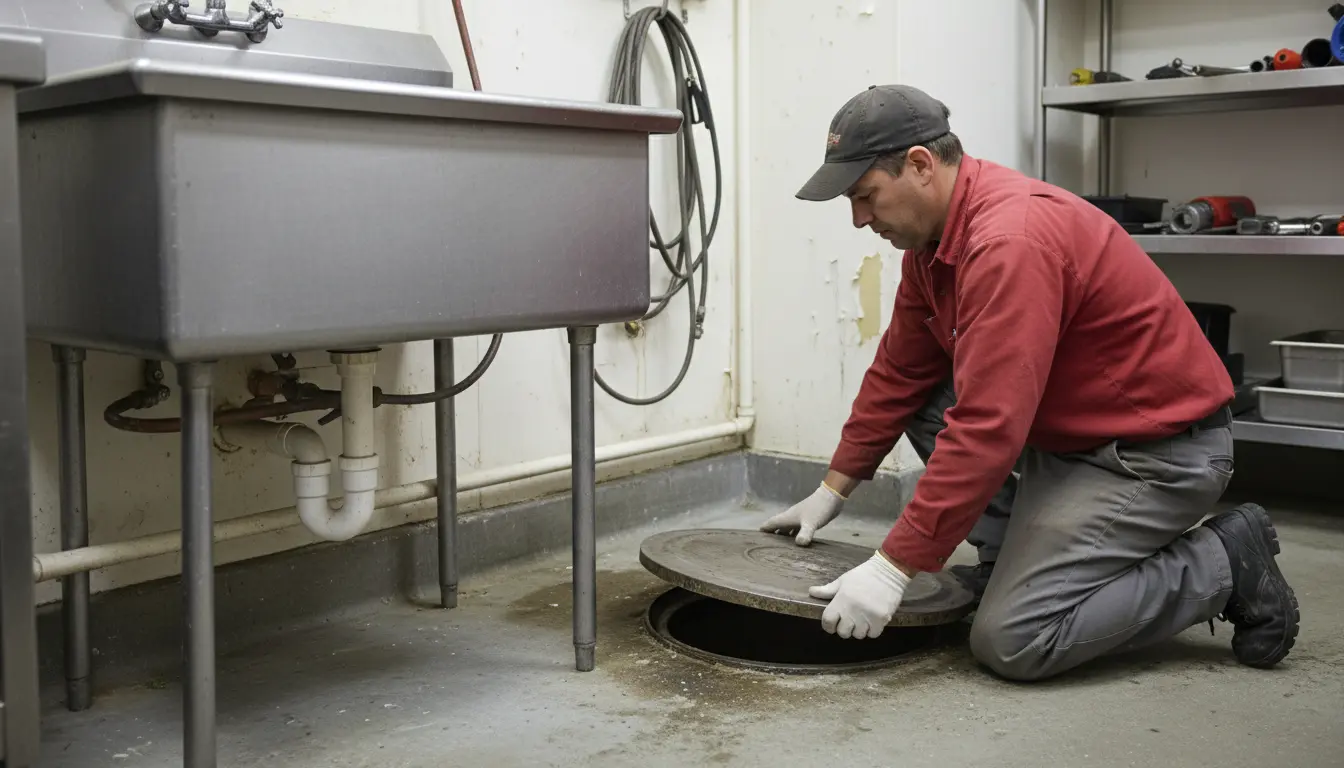
Find the Best Grease Trap Cleaning Companies for Your Business
No obligation • Fast responses • Nationwide coverage

Why you can trust Restaurant Waste Disposal
Restaurant Waste Disposal is a leading U.S. resource for comparing restaurant composting, food-waste recycling, grease trap cleaning, and used cooking oil collection services. Our editorial team researches providers, checks credentials, and organizes unbiased information so operators can make informed decisions. Companies cannot pay to change ratings or placement.
Search providers near you
Top Grease Trap Cleaning Companies in Rialto, California Ranked
For restaurant owners and food service operators in Rialto, maintaining a clean and compliant grease trap or interceptor is a critical, non-negotiable part of daily operations. These systems are your first line of defense against fats, oils, and grease (FOG) entering the municipal sewer lines, protecting your business from costly backups, fines, and service interruptions. Local enforcement agencies, including the Inland Empire Utilities Agency (IEUA), have strict regulations governing the maintenance of these grease management devices. Understanding the specific requirements for pumping frequency, documentation, and proper servicing is essential for smooth and lawful operation in the city.
Roto-Rooter Plumbing & Water Cleanup
1131 W 6th St Ste 209, Ontario, CA 91762
Roto-Rooter Plumbing & Water Cleanup provides a wide range of plumbing services in Anaheim, CA, including residential and commercial plumbing, floodwater cleanup, mold remediation, sewer and drain cleaning, and grease trap maintenance. The company is equipped to handle everything from routine repairs to complex installations and uses advanced technologies such as hydro jetting and no-dig pipe replacement to address sewer line issues efficiently. Roto-Rooter offers 24/7 emergency plumbing services to quickly respond to urgent problems like burst pipes, sewer backups, and water heater repairs. Serving Anaheim and surrounding communities, Roto-Rooter combines national expertise with local knowledge to meet diverse plumbing needs.
Roto-Rooter Plumbing & Water Cleanup
3579 Arlington Ave #800, Riverside, CA 92506
Roto-Rooter Plumbing & Water Cleanup provides a wide range of plumbing and water cleanup services in Riverside, CA. They handle everything from routine maintenance and repairs to complex commercial plumbing needs, including grease trap cleaning, sewer line repair, and water damage cleanup. Their team is experienced with local plumbing challenges and building codes, serving both residential and commercial clients. Roto-Rooter offers 24/7 emergency plumbing services to address urgent issues such as burst pipes, sewer backups, and clogged drains. They also specialize in hydro-jetting and use advanced technology for sewer inspections and pipe replacement. With a history dating back to the invention of the electric drain snake in 1935, Roto-Rooter continues to apply innovative solutions to plumbing problems.
Roto-Rooter Plumbing & Water Cleanup
9631 Business Center Dr Ste L-14, Rancho Cucamonga, CA 91730
Roto-Rooter Plumbing & Water Cleanup provides comprehensive plumbing services in San Bernardino, CA, specializing in both residential and commercial plumbing solutions. Their offerings include drain cleaning, sewer line repair, water heater services, grease trap maintenance, and emergency water damage cleanup. The company uses advanced technology such as high-definition inspection cameras and hydro-jetting to address plumbing issues efficiently. Founded in 1935, Roto-Rooter continues to build on its long history of innovation in plumbing services. They offer 24/7 emergency availability to handle urgent plumbing problems at any time.
Alpha Omega Plumbing & Septic Services
11755 Santa Fe Ave E, Hesperia, CA 92345
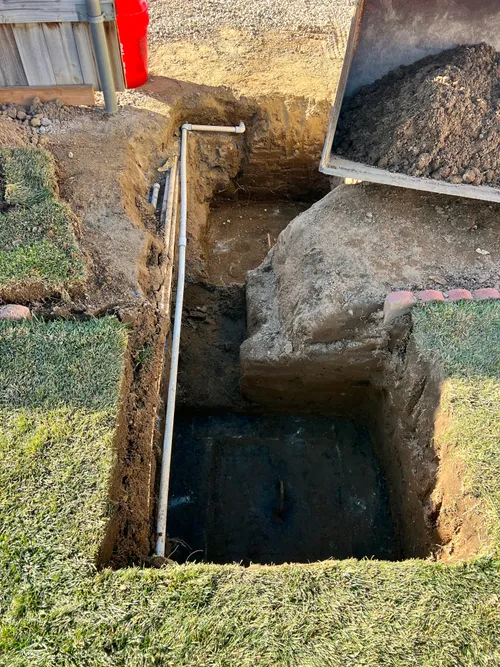
Alpha Omega Plumbing & Septic Services has been providing plumbing and septic solutions in Victorville, CA, and the entire High Desert area since 1984. They offer a range of services including grease trap cleaning, septic tank maintenance, installation, and repair of septic systems such as leach lines and seepage pits. The company emphasizes environmentally safe work practices and maintains a professional appearance with uniformed staff and well-kept vehicles.
California Pumping & Sanitation, Inc
1057 S Washington Ave, San Bernardino, CA 92408
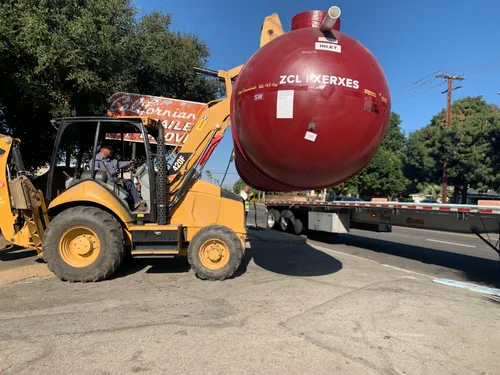
California Pumping & Sanitation, Inc is a septic and sanitation service provider based in Los Angeles, CA. Serving Southern California, they offer a wide range of services including septic tank pumping, grease trap cleaning, septic system construction, repairs, and maintenance for residential, commercial, and industrial clients. The company employs advanced technologies such as hydrojetting drain cleaning and septic tank camera inspections to ensure effective service delivery. With over 35 years of experience, California Pumping & Sanitation is licensed, bonded, and insured, providing 24/7 emergency support to its customers.
Understanding Local Grease Trap Regulations
In Rialto, grease trap and interceptor maintenance is not merely a suggestion-it's a codified requirement enforced to protect the city's wastewater infrastructure. The local Publicly Owned Treatment Works (POTW), which for Rialto is likely the Inland Empire Utilities Agency (IEUA), sets and enforces these rules. These regulations are designed to prevent sewer blockages that can lead to sanitary sewer overflows (SSOs), which are environmental hazards and public health concerns.
The cornerstone of compliance is adhering to the mandated cleaning schedule. Legally, you must have your grease interceptor pumped when the combined FOG and settled solids accumulate to 25% of the device's liquid depth or volume 1. As a baseline, cleaning is required at a minimum of every six months, but many high-volume restaurants will need service much more frequently-often every 1 to 3 months. The exact frequency for your establishment depends on your menu, volume of cooking, and the size of your trap. Regular maintenance isn't just about avoiding fines; a well-maintained trap operates more efficiently, reduces odors, and minimizes the risk of a disruptive kitchen backup.
The Importance of Proper Documentation and Inspections
Simply having your trap pumped is not enough for full compliance. You must also maintain meticulous records. After each service, your provider should supply you with a detailed manifest or waste hauler receipt. This document is your proof of service and is the first thing an inspector will ask to see. You are required to keep these service records on-site, typically for a minimum of three years, and make them available for review at any time.
Local health and sewer agencies conduct regular inspections to ensure compliance 2 3. During an inspection, officials will not only review your manifests but also visually inspect the condition of your grease interceptor. They will check for signs of neglect, such as excessive FOG buildup, and verify that the trap is easily accessible for service-another common code requirement 4. Failure to produce documentation or presenting a poorly maintained trap can result in immediate violations. Practices of non-compliance lead to substantial fines, mandatory corrective actions, and in severe cases, can even result in the interruption of your water or sewer service until the issue is resolved 2.
Determining Service Frequency and Trap Sizing
How often you need grease trap pumping in Rialto is not one-size-fits-all. It's a calculation based on your specific operation. Key factors include:
- Type of Food Served: Establishments serving fried foods, pizza, or dishes with heavy sauces and meats generate significantly more FOG than a sandwich shop or coffee house.
- Volume of Business: A high-turnover restaurant will fill its trap faster than a low-volume cafe.
- Trap Size and Type: The size of your grease interceptor is legally determined based on your kitchen's fixtures and projected wastewater flow 5. Most full-service restaurants in Rialto will have larger, exterior grease interceptors, often 750 gallons or more, while smaller indoor grease traps may service individual sinks.
The "25% rule" is your best guide 6. A professional service provider can help you establish an initial pumping schedule during your first service and then adjust it based on what they find during subsequent cleanings. Proactive, scheduled maintenance based on your actual usage is far more cost-effective and reliable than waiting for a problem or an inspection notice.
Find the perfect grease trap cleaning companies for your needs
Get personalized recommendations and expert advice
Costs Associated with Grease Interceptor Maintenance
The cost of grease trap cleaning in Rialto varies widely based on the condition of your trap and the type of service required. Investing in regular maintenance is the most financially sound approach.
- Regular Pumping for Maintained Traps: For a standard service on a regularly maintained, accessible trap (common for smaller indoor units), you can expect costs to range from approximately $175 to $475 per service 7 8. This is the predictable, budgetable cost of compliance.
- High-Volume or Neglected Trap Cleaning: Costs escalate quickly for larger exterior interceptors, traps that have been neglected, or those requiring emergency service. For a heavily impacted interceptor or one that requires more intensive cleaning, prices can start at $800 and go much higher 9 10. Neglect leads to hardened grease and solids that are far more difficult and time-consuming to remove.
- Cost Factors: The final price is influenced by the trap's physical size (gallons), the actual volume and consistency of the FOG and solids inside, how easy it is for trucks to access the unit, and how frequently you schedule service. Consistent service often qualifies for better pricing from providers.
Remember, the cost of a pumping service pales in comparison to the potential fines for non-compliance or the business interruption costs from a full-scale kitchen backup.
Best Practices for Grease Management Compliance
Beyond scheduling regular pumpings, you can take several operational steps to improve your grease trap's efficiency and stay in the good graces of inspectors.
- Train Your Staff: Ensure every kitchen employee understands that FOG does not go down the drain. Implement scraping practices for plates and pans into a solid waste bin before washing.
- Use Pre-Sink Strainers: Install and maintain strainers in all sink drains to catch food solids.
- Post "No Grease" Signs: Remind staff visually by placing clear signs above sinks and dishwashing areas.
- Schedule Kitchen Exhaust Hood Cleaning: Grease from hoods and ducts that is washed into the sink also enters your trap. Keep this system clean as well.
- Establish a Relationship with a Reputable Provider: Work with a licensed, insured, and locally knowledgeable grease trap service company. They will understand IEUA's specific requirements and provide the proper documentation you need.
Connecting with Local Authorities
For the most authoritative information, you should contact the regulating bodies directly. Reach out to the Inland Empire Utilities Agency (IEUA) or the City of Rialto's Public Works or Environmental Health Department to obtain the exact municipal code details (such as ordinances similar to 12.20.220), inquire about any approved service provider lists, and confirm the specific inspection protocols and frequencies for your business type and location 11. Proactive communication demonstrates good faith and can provide clarity on any unique local requirements.
Frequently asked questions
Sources
Footnotes
-
Trap pumping - https://phoenixpumping.com/grease-trap-maintenance/ ↩
-
Grease Trap Cleaning For California Restaurants - Caccia Plumbing - https://cacciaplumbing.com/blog/grease-trap-cleaning-california-restaurants/ ↩ ↩2
-
Grease Trap Restaurant: The Essential Guide - https://therestaurantwarehouse.com/blogs/restaurant-equipment/grease-trap-restaurant-guide ↩
-
Chapter 18.08 GREASE TRAPS - General Code - https://www.codepublishing.com/CA/PacificGrove/html/PacificGrove18/PacificGrove1808.html ↩
-
California Health and Safety Code § 114201 (2024) - Justia Law - https://law.justia.com/codes/california/code-hsc/division-104/part-7/chapter-7/article-2/section-114201/ ↩
-
12.20.220. Grease trap requirements. - https://codelibrary.amlegal.com/codes/fullerton/latest/fullerton_ca/0-0-0-18563 ↩
-
How Often to Clean Restaurant Grease Traps in Los Angeles, CA - https://bakercommodities.com/blog/2025/01/23/la-laws-for-grease-recycling/ ↩
-
Grease Trap Cleaning Prices | Guide on the Industry Average - https://grease-cycle.com/grease-trap-pumping-cost/ ↩
-
Ultimate Grease Trap Pumping Cost Guide: Essential Money-Saving ... - https://www.texwaywastewater.com/grease-trap-pumping-cost/ ↩
-
Restaurant Grease Trap & Interceptor Cleaning Cost - https://greasemanagement.org/pricing.html ↩
-
Grease Trap Cleaning in Rialto CA | Grease Interceptor Pumping - https://greasetrapcleaningredlands.com/rialto-ca.html ↩