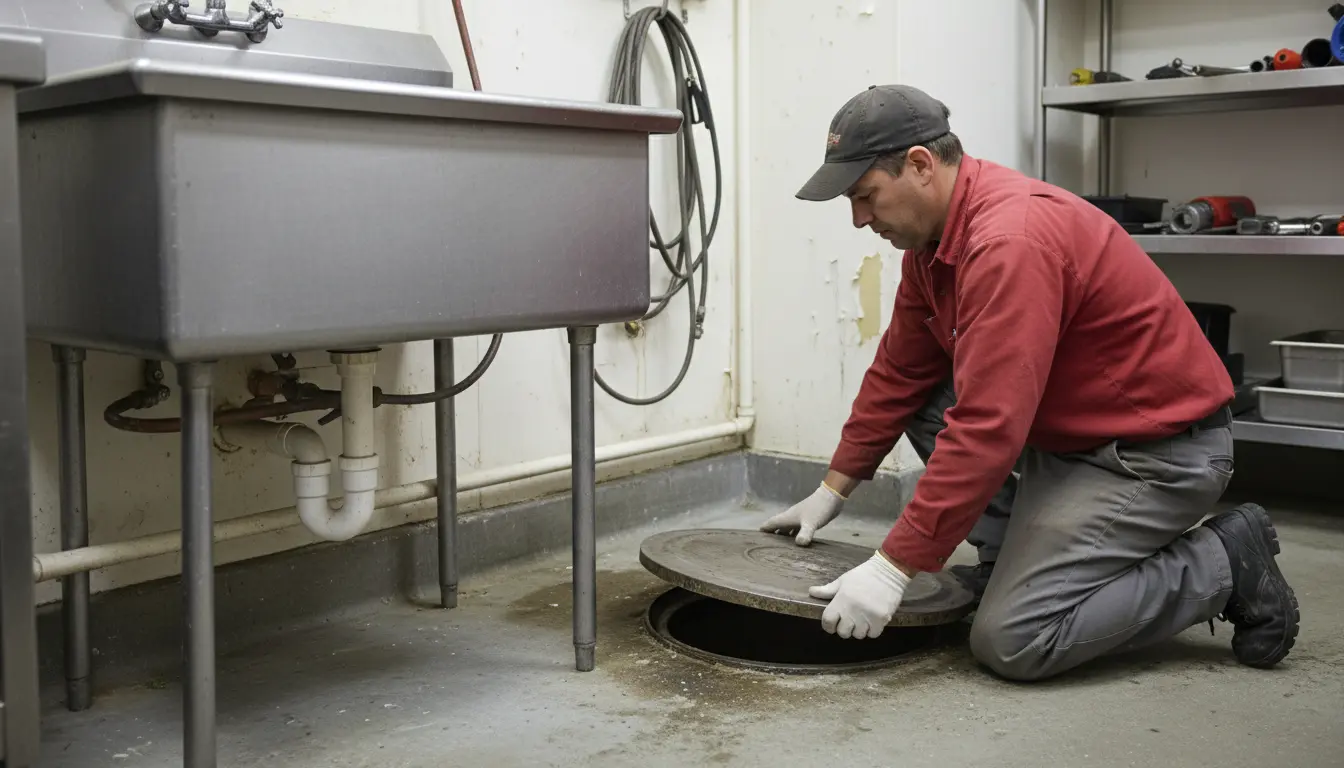
Find the Best Grease Trap Cleaning Companies for Your Business
No obligation • Fast responses • Nationwide coverage

Why you can trust Restaurant Waste Disposal
Restaurant Waste Disposal is a leading U.S. resource for comparing restaurant composting, food-waste recycling, grease trap cleaning, and used cooking oil collection services. Our editorial team researches providers, checks credentials, and organizes unbiased information so operators can make informed decisions. Companies cannot pay to change ratings or placement.
Search providers near you
Top Grease Trap Cleaning Companies in Redwood City, California Ranked
For restaurant owners and kitchen managers in Redwood City, maintaining a clean and compliant grease trap (or grease interceptor) is a critical, non-negotiable part of daily operations. These devices are your first line of defense against costly sewer blockages, unpleasant odors, and significant fines from city inspectors. Local regulations, which align with the California Plumbing Code, mandate strict maintenance schedules and record-keeping to protect the city's sewer infrastructure from fats, oils, and grease (FOG). Understanding the specific "25% rule," required service frequency, and proper documentation is essential for smooth, uninterrupted business in the bustling Bay Area food scene.
Roto-Rooter Plumbing & Water Cleanup
1780 Whipple Rd Ste 203G, Union City, CA 94587
Roto-Rooter Plumbing & Water Cleanup provides comprehensive plumbing and water cleanup services in San Jose, CA. They serve both residential and commercial clients, offering a wide range of solutions including grease trap cleaning, sewer and drain cleaning, water heater repair and installation, and emergency flood services. The company uses advanced plumbing technology and equipment to handle complex plumbing systems and offers 24/7 emergency plumbing support to address urgent issues such as burst pipes and sewer backups. Roto-Rooter is licensed and insured, serving the local community with expertise and a commitment to compliance with local codes.
Caccia Home Services
1660 Gilbreth Rd, Burlingame, CA 94010
Caccia Home Services is a plumbing and home services provider based in San Mateo, CA. They offer a wide range of services including grease trap cleaning, hydro jetting, sewer line repair, water treatment, and emergency plumbing. Their capabilities include trenchless sewer services and installation and maintenance of water heaters, including tankless and heat pump models. The company also provides electrical services such as EV charger installation and lighting upgrades. Caccia Home Services is known to respond to emergency plumbing needs.
Roto-Rooter Plumbing & Water Cleanup
1130 N Broadway Ste 200C, Walnut Creek, CA 94596
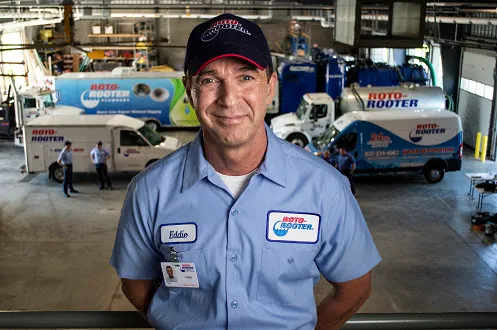
Roto-Rooter Plumbing & Water Cleanup provides comprehensive plumbing services in Oakland, CA, covering residential and commercial needs. Their offerings include drain cleaning, sewer line repair and replacement, grease trap cleaning, water heater installation and repair, floodwater cleanup, and mold remediation. The company is equipped to handle complex commercial plumbing systems and offers specialized services such as hydro-jetting and trenchless sewer line repairs. Roto-Rooter serves the Oakland area and surrounding counties with 24/7 emergency plumbing availability to address urgent issues any time of day or night.
Roto-Rooter Plumbing & Water Cleanup
41111 Mission Blvd Ste 202, Fremont, CA 94539
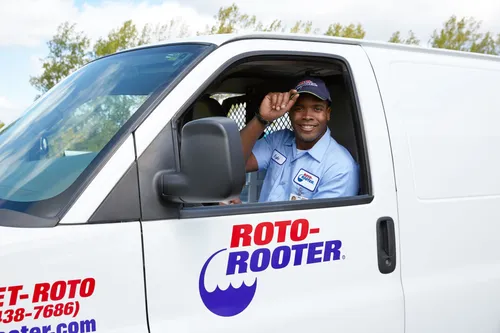
Roto-Rooter Plumbing & Water Cleanup is a plumbing company serving San Jose, CA, and nearby communities including Fremont, Sunol, Pleasanton, Milpitas, and Warm Springs. They provide a wide range of plumbing services for residential and commercial clients, including drain cleaning, water heater repair, emergency plumbing, and grease trap cleaning. The company offers 24/7 emergency plumbing services and uses advanced equipment such as high-pressure water jetting (hydro-jetting) for effective drain maintenance. Established in 1935, Roto-Rooter has a long history of serving customers with professional plumbing solutions.
Roto-Rooter Plumbing & Water Cleanup
1070 Marina Village Pkwy UNIT 202, Alameda, CA 94501
Roto-Rooter Plumbing & Water Cleanup provides comprehensive plumbing and water cleanup services in Oakland, CA. They serve both residential and commercial clients with a wide range of solutions including sewer and drain cleaning, water heater repair and installation, grease trap maintenance, and floodwater cleanup. The company uses specialized equipment such as hydro-jetting for effective drain cleaning and sewer line maintenance. Roto-Rooter offers 24/7 emergency plumbing services to address urgent issues like burst pipes and sewer backups. They serve Alameda and surrounding counties, bringing extensive experience to local plumbing challenges.
Understanding Redwood City's Grease Trap Regulations
Compliance starts with knowing the rules. In Redwood City, your grease interceptor maintenance is governed by local ordinances that adopt the state's Uniform Plumbing Code standards 1 2 3. The core requirement is the "25% rule": you must have your trap pumped when the combined accumulation of FOG and solids reaches 25% of the total liquid depth of the trap 4. This isn't just a suggestion-it's a measurable standard that city inspectors will check. Allowing accumulation to exceed this limit risks immediate enforcement action.
Enforcement is proactive. City inspectors can review your maintenance logs and physically inspect your interceptor during routine checks 5. Violations, such as missing logs or an overfull trap, typically result in fines. In more severe cases, or for repeat offenses, the city can mandate costly upgrades to your grease management system or require you to increase your service frequency. Proactive maintenance is always less expensive than reactive fines and forced upgrades.
The Critical Importance of Detailed Logs
Your cleaning log is your proof of compliance. For every service, you must document:
- The date of pumping.
- The volume of waste removed (in gallons).
- The name and license information of the servicing company.
Maintaining these detailed logs is not optional; they must be available for review by city officials at any time. A well-kept logbook demonstrates due diligence and can be your best defense if questions about your maintenance schedule arise.
Determining Your Service Frequency
How often you need grease trap pumping depends almost entirely on your kitchen's volume. The 25% rule is the ultimate gauge, but general guidelines based on establishment type help you plan.
- High-Volume Kitchens (Fast Food, Diners, Busy Fry Operations): These establishments typically require the most frequent service, often monthly, bi-weekly, or even weekly to prevent FOG from hitting the 25% threshold 6.
- Medium-Volume Restaurants (Sit-Down Full Service): The majority of restaurants fall here, with a standard service interval of quarterly (every 3 months). This is a common baseline, but your actual needs may vary.
- Low-Volume Operations (Cafes, Bakeries, Pizzerias): Kitchens with lower grease output may manage with service every 90 days or less frequently, but they must still monitor accumulation to ensure compliance.
Never assume a set schedule applies without checking your trap. The only way to know for sure is to have it inspected regularly by your service provider.
What to Expect: Service Process and Costs
A professional grease trap cleaning involves more than just removing liquid. A licensed provider will pump out all contents-FOG, water, and solids-from the interceptor. They will then thoroughly clean the interior walls, baffles, and components before refilling the trap with clean water to restore proper operation and bacterial balance. All of this should be clearly detailed in the service report that goes into your logbook.
Costs for this essential service in the Bay Area vary based on several key factors:
- Trap Size: Larger interceptors (e.g., 1000-1500 gallons) cost more to pump than smaller under-sink units.
- FOG Volume: A heavily impacted trap requires more labor and disposal fees.
- Service Agreement: Scheduled contract service often offers better per-visit pricing than emergency or one-time calls.
- Location & Access: Easy access leads to lower costs; difficult access can increase them.
For a standard commercial grease trap in the Redwood City area, you can expect average pumping costs to range from $200 to $400 or more per service 7 8. Specific pricing for common 1000-1500 gallon traps often falls between $225 and $315+ per pump-out 8 9. Always get detailed, written estimates from licensed, insured providers.
Find the perfect grease trap cleaning companies for your needs
Get personalized recommendations and expert advice
Best Practices for Daily Grease Management
Professional pumping is crucial, but what you do daily has the biggest impact on your trap's health and your costs.
- Scrape, Don't Rinse: Thoroughly scrape all food scraps from plates, pots, and pans into the trash or compost before washing.
- Dry-Wipe Greasy Pans: Use a paper towel to wipe down greasy cookware before it touches the sink.
- Use Drain Screens: Install and regularly clean strainers in all sink drains to catch solid particles 10.
- Educate Your Staff: Ensure every team member understands that no FOG goes down the drain. This is a team effort.
- Schedule Regular Inspections: Don't wait for problems. Have your service provider check accumulation levels between pump-outs to forecast your schedule accurately.
Following these steps minimizes the FOG entering your interceptor, extends time between necessary pump-outs, and keeps your system functioning efficiently.
Signs Your Grease Trap Needs Immediate Attention
While adhering to a schedule is best, be alert for warning signs of a problem between services:
- Slow Draining sinks or floor drains in the kitchen.
- Gurgling Sounds coming from drains.
- Unpleasant Odors emanating from drains or near the trap location.
- Sewage Backups are a severe sign of a blockage.
If you notice any of these issues, contact a licensed grease trap service provider immediately. Catching a blockage early can prevent a major sanitation emergency and the more severe enforcement actions that often follow.
Choosing a Service Provider in Redwood City
Selecting the right partner for grease interceptor maintenance is a key business decision. Look for a provider that is:
- Fully Licensed and Insured: This is non-negotiable for your protection.
- Knowledgeable on Local Codes: They should understand Redwood City's specific 25% rule and documentation requirements.
- Transparent with Pricing: They provide clear, detailed estimates and explain what's included in a standard service.
- Reliable with Documentation: They supply thorough service reports perfect for your compliance log.
- Offering Emergency Services: Knowing they can respond quickly to a problem provides peace of mind.
A trustworthy provider acts as a compliance partner, helping you navigate regulations and avoid costly missteps.
Frequently asked questions
Sources
Footnotes
-
Chapter 13.08 SEWER USE* - General Code - https://www.codepublishing.com/CA/SanCarlos/html/SanCarlos13/SanCarlos1308.html ↩
-
12.20.220. Grease trap requirements. - https://codelibrary.amlegal.com/codes/fullerton/latest/fullerton_ca/0-0-0-18563 ↩
-
Grease Trap Cleaning For California Restaurants - Caccia Plumbing - https://cacciaplumbing.com/blog/grease-trap-cleaning-california-restaurants/ ↩
-
Grease Trap Cleaning Guide: 25% Rule, Schedule & Compliance - https://greaseconnections.com/how-to-clean-a-grease-trap-and-how-often-you-should/ ↩
-
Grease Traps for Restaurants: The Essential Guide - https://therestaurantwarehouse.com/blogs/restaurant-equipment/grease-trap-for-restaurant-guide ↩
-
Commercial Grease Trap Cleaning Services in Bay Area - https://powerplumbingusa.com/commercial/grease-trap-cleaning/ ↩
-
Grease Trap Pumping San Francisco - North Bay Restaurant Services - https://northbayrestaurantservices.com/grease-trap-pumping-san-francisco/ ↩
-
Grease Trap Cleaning Prices | Guide on the Industry Average - https://grease-cycle.com/grease-trap-pumping-cost/ ↩ ↩2
-
The Ultimate 2025 Restaurant Kitchen Cleaning Checklist - The Restaurant Warehouse - https://therestaurantwarehouse.com/blogs/restaurant-equipment/restaurant-kitchen-cleaning-checklist ↩
-
Trap pumping - https://phoenixpumping.com/grease-trap-maintenance/ ↩