Find the Best Grease Trap Cleaning Companies for Your Business
No obligation • Fast responses • Nationwide coverage

Why you can trust Restaurant Waste Disposal
Restaurant Waste Disposal is a leading U.S. resource for comparing restaurant composting, food-waste recycling, grease trap cleaning, and used cooking oil collection services. Our editorial team researches providers, checks credentials, and organizes unbiased information so operators can make informed decisions. Companies cannot pay to change ratings or placement.
Search providers near you
Top Grease Trap Cleaning Companies in Redondo Beach, California Ranked
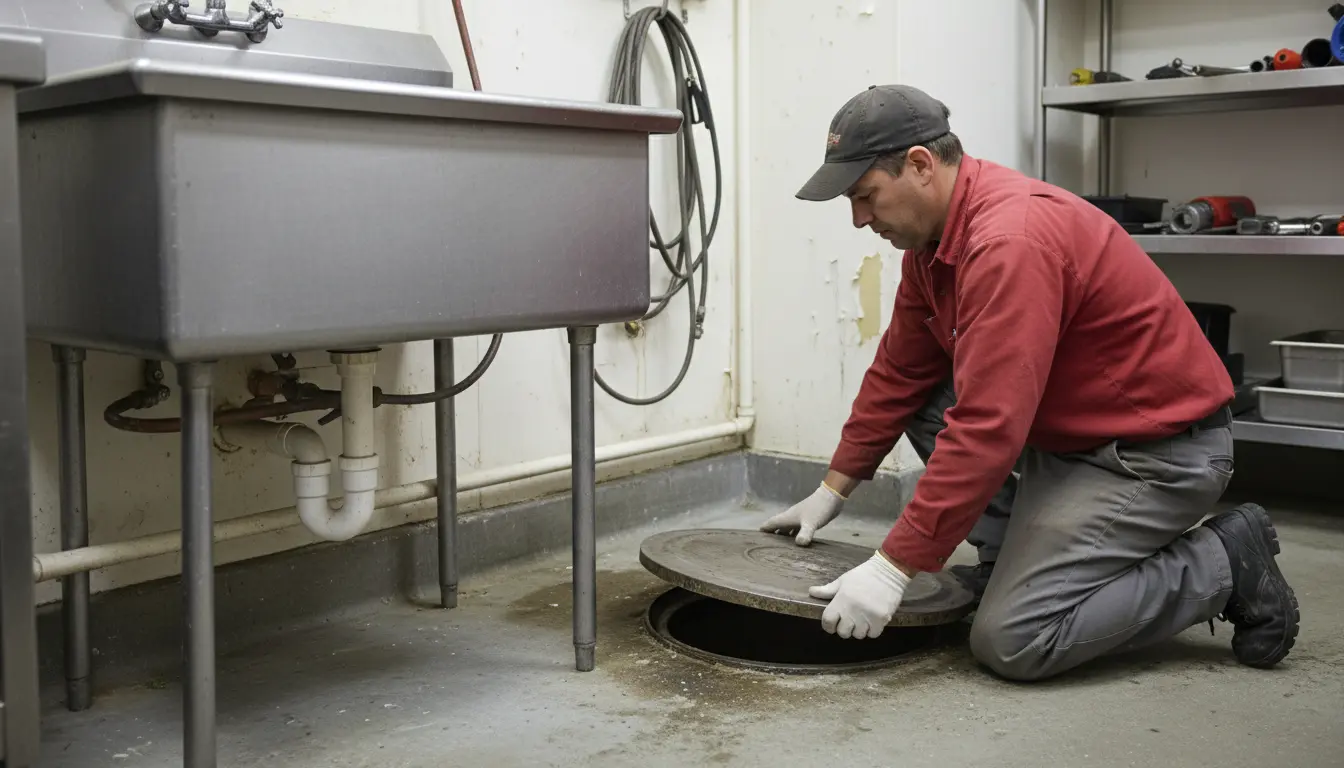
For any restaurant, café, or food service establishment in Redondo Beach, maintaining a clean and compliant grease trap or interceptor is a non-negotiable part of operations. These systems are the first line of defense in preventing fats, oils, and grease (FOG) from entering the city's sewer lines, where they can cause costly blockages, backups, and environmental damage. Local and state regulations mandate strict adherence to grease management protocols, with specific requirements for cleaning frequency, record-keeping, and proper servicing by licensed professionals. Neglecting this critical maintenance can lead to severe penalties, including significant fines and potential operational shutdowns. This guide outlines the essential information for Redondo Beach food service operators to ensure their grease interceptor maintenance is effective, compliant, and cost-efficient.
Roto-Rooter Plumbing & Water Cleanup
241 E Colorado Blvd #202, Pasadena, CA 91101
Roto-Rooter Plumbing & Water Cleanup provides comprehensive residential and commercial plumbing services in Los Angeles, CA. They specialize in a wide range of plumbing solutions including grease trap cleaning, sewer line repairs, water heater installation and repair, and emergency floodwater cleanup. The company is equipped with advanced tools such as hydro-jetting equipment to handle complex plumbing issues efficiently. Serving the Pasadena area and surrounding communities, Roto-Rooter offers 24/7 emergency plumbing services throughout the year to address urgent plumbing needs. They are fully licensed and insured, focusing on both routine maintenance and emergency repairs.
Roto-Rooter Plumbing & Water Cleanup
2050 W Chapman Ave #202, Orange, CA 92868
Roto-Rooter Plumbing & Water Cleanup offers a wide range of plumbing services in Los Angeles, CA, including grease trap cleaning, sewer and drain cleaning, water heater repair, and emergency flood cleanup. The company serves both residential and commercial clients, addressing issues from routine maintenance to urgent repairs. They utilize advanced tools such as HD inspection cameras and hydro-jetting to clear blockages and perform no-dig pipe replacements. Established with a legacy dating back to the invention of the original electric drain snake in 1935, Roto-Rooter provides 24/7 emergency plumbing services to handle urgent situations any time of day or night.
Roto-Rooter Plumbing & Water Cleanup
20422 Beach Blvd #225, Huntington Beach, CA 92648
Roto-Rooter Plumbing & Water Cleanup offers comprehensive plumbing and water cleanup services in Long Beach, CA. They handle a wide range of issues including drain cleaning, sewer line repairs, water heater services, grease trap maintenance, and emergency flood cleanup. The company uses advanced technology such as high-definition inspection cameras and hydro-jetting to address plumbing challenges efficiently. With expertise tailored to local conditions and building codes, Roto-Rooter serves both residential and commercial clients. They provide 24/7 emergency plumbing services to quickly resolve urgent problems and minimize damage.
Roto-Rooter Plumbing & Water Cleanup
524 W Commonwealth Ave Ste P, Fullerton, CA 92833
Roto-Rooter Plumbing & Water Cleanup provides comprehensive plumbing services in Los Angeles, CA, specializing in both residential and commercial plumbing needs. Their offerings include drain and sewer line cleaning, grease trap maintenance, water heater repair and installation, floodwater cleanup, mold remediation, and emergency plumbing services. The company is equipped with advanced tools such as high-definition inspection cameras and hydro-jetting equipment to handle complex plumbing challenges. Roto-Rooter has a long history dating back to 1935, known for pioneering innovations like the electric drain snake. They offer 24/7 emergency plumbing support to address urgent issues like burst pipes and sewer backups promptly.
Roto-Rooter Plumbing & Water Cleanup
5900 S Eastern Ave #137, Commerce, CA 90040
Roto-Rooter Plumbing & Water Cleanup provides comprehensive plumbing services in Los Angeles, CA, specializing in both residential and commercial plumbing needs. Their offerings include drain cleaning, sewer line repair and replacement, grease trap maintenance, water heater installation and repair, and floodwater cleanup. They utilize advanced equipment such as video camera inspections and hydro-jetting to address plumbing issues efficiently. Serving a wide range of communities in Los Angeles County, Roto-Rooter also offers 24/7 emergency plumbing services to promptly handle urgent situations.
Understanding Local Grease Trap Regulations
In Redondo Beach, grease management is governed by a combination of the California Uniform Plumbing Code (CUPC), state health codes, and local municipal enforcement. The primary goal is to protect the public sewer system from FOG-related blockages that can lead to sanitary sewer overflows (SSOs), which are harmful to public health and the local coastal environment.
Key regulatory requirements include:
- Licensed Haulers: All grease trap and interceptor waste must be serviced and hauled by a licensed liquid waste transporter. Using an unlicensed provider is a violation.
- Manifest Forms: After each service, you must receive a detailed manifest or invoice from the hauler. This document serves as your legal proof of service and must be kept on-site for inspection.
- Proper Sizing & Accessibility: Grease interceptors must be correctly sized for the kitchen's flow rate and volume. They must also be readily accessible for service technicians without obstruction 1.
- The 25% Rule: A core operational standard is that the combined layer of FOG and settled solids should never exceed 25% of the trap's liquid depth. Exceeding this limit significantly reduces the unit's effectiveness and is a common compliance violation.
Determining Your Cleaning Frequency
How often you need grease interceptor pumping is not a one-size-fits-all schedule. While some jurisdictions cite a minimum of every six months, the actual frequency for your establishment is determined by your kitchen's output and should be based on the 25% rule 2 3 4.
- High-Volume Restaurants: Busy establishments with significant frying or greasy food preparation often require monthly or quarterly service to prevent FOG buildup from reaching critical levels.
- Moderate-Volume Cafés & Diners: Many typical restaurants find that a quarterly (every 3 months) cleaning schedule is sufficient to stay in compliance and maintain system function.
- Low-Volume Operations: Some smaller kitchens may be able to operate with semi-annual (every 6 months) service, but this should be verified through regular inspections of the trap's contents.
The most reliable method is to have your service provider assess your trap during a cleaning and recommend a frequency based on the observed accumulation rate. Sticking to a scheduled maintenance plan is far more manageable than reacting to an emergency.
The Inspection Process and Enforcement
The City of Redondo Beach, through its Public Works or Environmental Health departments, conducts inspections to ensure compliance 5. Being prepared is key to a smooth inspection.
Inspectors will typically:
- Request to see your maintenance records, specifically the hauler manifests from the last 1-2 services.
- Physically inspect the grease interceptor for proper installation, labeling, and accessibility.
- Check the trap's condition and may measure the FOG/solids layer to verify it is below the 25% threshold 6.
Consequences of non-compliance can be serious. Initial violations often come with corrective orders and fines. Repeated or willful neglect can result in substantially higher penalties and, in extreme cases, a revocation of operating permits until the issue is resolved 7 8. Proactive maintenance is the best strategy to avoid these scenarios.
Find the perfect grease trap cleaning companies for your needs
Get personalized recommendations and expert advice
Cost Factors for Grease Trap Pumping Services
The cost for professional grease trap cleaning in Redondo Beach varies based on several factors. Understanding these can help you budget effectively and interpret service quotes.
- Trap Size and Type: A small indoor grease trap under a sink is less expensive to service than a large, in-ground concrete interceptor. Larger units hold more waste and require more labor and disposal capacity.
- Service Frequency: Regularly scheduled maintenance (e.g., monthly or quarterly) is almost always cheaper per service than a one-time or emergency call. Providers offer better rates for predictable, recurring business.
- Accessibility: A trap that is easily reached in a parking lot will cost less to service than one located in a cramped basement or behind locked gates that require special access.
- Scope of Service: Basic pumping of liquid and solid waste is standard. Costs increase if the tank needs pressure washing, interior scraping, or if repairs are identified.
As a reference, based on regional service data, establishments can expect a range of:
- Small to Medium Indoor Traps (on a scheduled plan): $125 - $250+ per service.
- Large Outdoor Interceptors (scheduled): $250 - $400+ per service 9.
- Emergency or One-Time Cleaning: Can range from $800 to $1,200 or more, due to priority dispatch and potential after-hours fees 10 11.
The most accurate way to determine cost is to contact licensed local providers for a site-specific quote based on your trap's details and desired service frequency 12.
Best Practices for Kitchen Grease Management
Professional pumping is essential, but what happens in your kitchen daily also plays a huge role. Implementing these best practices can extend time between pump-outs, reduce costs, and improve compliance.
- Scrape, Don't Rinse: Train staff to scrape all food solids from plates, pots, and pans into the trash before washing. Food particles accelerate solid buildup in traps.
- Use Drain Screens: Install and regularly clean strainers in all sink drains to catch solids.
- Dry Wipe Greasy Pans: Before washing, wipe down fryer baskets, griddles, and pans with a paper towel to absorb excess grease.
- Post "No Grease" Signs: Clearly label sinks to remind employees that no FOG should be poured down any drain.
- Maintain a Log: Keep a simple log next to the trap to note inspection dates and visual checks of the FOG level between professional services.
Choosing the right service partner is crucial. Look for a provider that is licensed, insured, offers clear documentation (manifests), and is willing to help you establish an optimal schedule rather than just performing a transaction. A good partner acts as an advisor for your compliance and operational efficiency.
Frequently asked questions
Sources
Footnotes
-
How to Clean a Grease Trap (and How Often You Should) - https://greaseconnections.com/how-to-clean-a-grease-trap-and-how-often-you-should/ ↩
-
Grease Services, Redondo Beach - https://www.greaseservices.com/redondobeach.html ↩
-
How Often to Clean Restaurant Grease Traps in Los Angeles, CA - https://bakercommodities.com/blog/2025/01/23/la-laws-for-grease-recycling/ ↩
-
California Health and Safety Code § 114201 (2024) - Justia Law - https://law.justia.com/codes/california/code-hsc/division-104/part-7/chapter-7/article-2/section-114201/ ↩
-
City of Redondo Beach Sewage Spill Reference Guide - https://cms2.revize.com/revize/redondobeachca/Documents/Departments/Public%20Works/Sewer%20And%20Storm%20Drain%20Maintenance/Sewage%20Spill%20Reference%20Guide.pdf ↩
-
12.20.220. Grease trap requirements. - https://codelibrary.amlegal.com/codes/fullerton/latest/fullerton_ca/0-0-0-18563 ↩
-
Grease Trap Cleaning For California Restaurants - https://cacciaplumbing.com/blog/grease-trap-cleaning-california-restaurants/ ↩
-
Los Angeles County Grease Pumping & Plumbing Service - https://thegreasecompany.com/losangeles.html ↩
-
How Much Does It Cost To Clean A Grease Trap? - https://www.greasecollection.com/blog/how-much-does-it-cost-to-clean-a-grease-trap/ ↩
-
Ultimate Grease Trap Pumping Cost Guide: Essential Money-Saving ... - https://www.texwaywastewater.com/grease-trap-pumping-cost/ ↩
-
Grease Trap Cleaning Prices | Guide on the Industry Average - https://grease-cycle.com/grease-trap-pumping-cost/ ↩
-
The Ultimate Guide to Restaurant Grease Trap Cleaning - https://mokherplumbing.com/ultimate-guide-restaurant-grease-trap-cleaning/ ↩