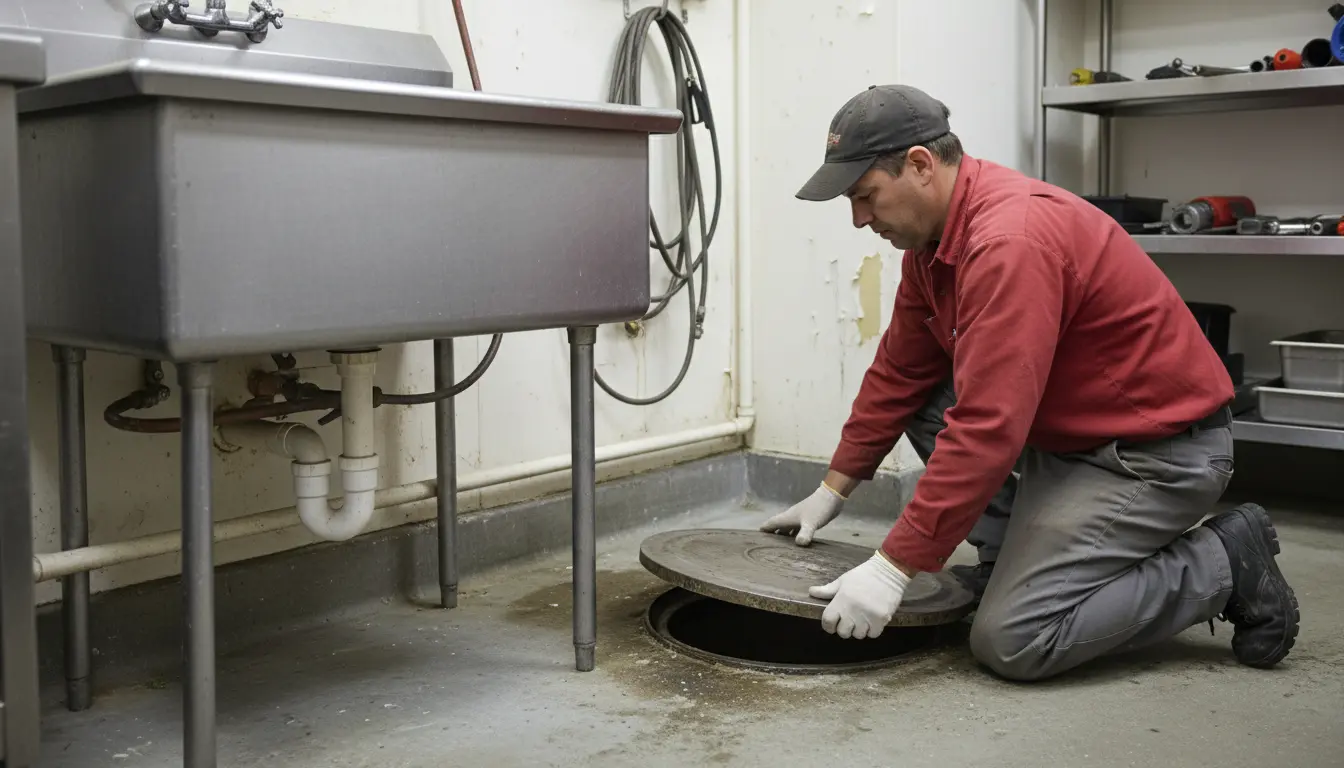
Find the Best Grease Trap Cleaning Companies for Your Business
No obligation • Fast responses • Nationwide coverage

Why you can trust Restaurant Waste Disposal
Restaurant Waste Disposal is a leading U.S. resource for comparing restaurant composting, food-waste recycling, grease trap cleaning, and used cooking oil collection services. Our editorial team researches providers, checks credentials, and organizes unbiased information so operators can make informed decisions. Companies cannot pay to change ratings or placement.
Search providers near you
Top Grease Trap Cleaning Companies in Rancho Santa Margarita, California Ranked
For restaurant owners and facility managers in Rancho Santa Margarita, maintaining a compliant and functional grease interceptor system is a critical operational responsibility. Situated in Orange County, local food service establishments must adhere to stringent state and municipal regulations designed to protect the public sewer infrastructure and the environment. Proper grease trap maintenance is not merely a best practice; it is a legally mandated component of running a kitchen, enforced through routine health inspections and city code compliance checks. Failure to adhere to these standards can result in significant fines, operational disruptions, and even temporary closure. This guide outlines the essential requirements, processes, and considerations for effective Fats, Oils, and Grease (FOG) management specific to the Rancho Santa Margarita area.
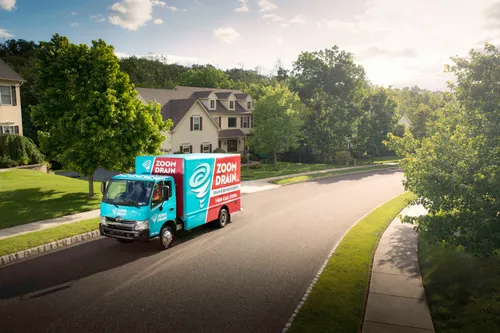
Zoom Drain
15540 Rockfield Blvd C100, Irvine, CA 92618
Zoom Drain is a grease trap cleaning and drain service company based in Los Angeles, CA. They provide residential and commercial drain and sewer cleaning, inspection, repairs, and preventive maintenance. Their services cover clogged drains, sewer pump repair, sump pump replacement, and landscape drain maintenance. Zoom Drain uses advanced technology like hydro jetting to clear blockages, including tree roots, and offers 24/7 emergency services. They serve areas including Anaheim, Irvine, Santa Ana, and throughout Orange County. The company is known for its specialized services in food and hospitality sectors, contractor support, and tailored maintenance plans.
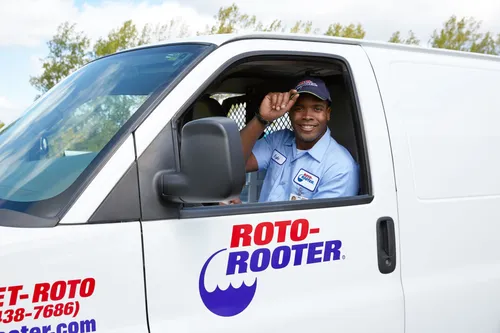
Roto-Rooter Plumbing & Water Cleanup
3848 Campus Dr STE 220, Newport Beach, CA 92660
Roto-Rooter Plumbing & Water Cleanup provides comprehensive plumbing and water cleanup services in Long Beach, CA. They handle a wide range of issues including floodwater cleanup, sewer and drain cleaning, faucet and toilet repairs, water heater services, and grease trap maintenance. The company serves both residential and commercial clients, offering advanced capabilities such as high-pressure water jetting (hydro-jetting) and trenchless sewer line replacement. With decades of experience dating back to 1935, Roto-Rooter offers 24/7 emergency plumbing services to address urgent problems at any time.
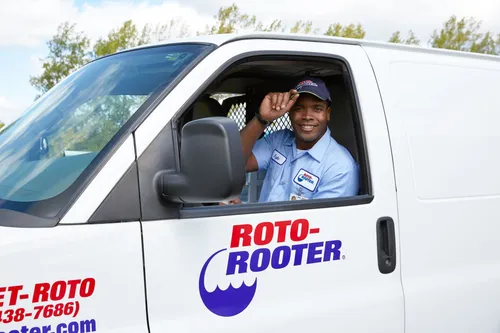
Roto-Rooter Plumbing & Water Cleanup
2050 W Chapman Ave #202, Orange, CA 92868
Roto-Rooter Plumbing & Water Cleanup offers a wide range of plumbing services in Los Angeles, CA, including grease trap cleaning, sewer and drain cleaning, water heater repair, and emergency flood cleanup. The company serves both residential and commercial clients, addressing issues from routine maintenance to urgent repairs. They utilize advanced tools such as HD inspection cameras and hydro-jetting to clear blockages and perform no-dig pipe replacements. Established with a legacy dating back to the invention of the original electric drain snake in 1935, Roto-Rooter provides 24/7 emergency plumbing services to handle urgent situations any time of day or night.
White Glove Plumbing Orange County
1430 E Borchard Ave, Santa Ana, CA 92705
White Glove Plumbing Orange County is a full-service plumbing and restoration company based in Santa Ana, serving residential and commercial clients throughout Los Angeles, CA. They provide a wide range of services including emergency plumbing, leak detection, hydro-jetting, water heater installation, grease trap pumping, sewage cleanup, mold remediation, and water damage restoration. The company offers 24/7 emergency services to quickly address urgent plumbing and restoration needs. Their expertise includes advanced capabilities such as slab leak reroutes, sewer camera inspections, and certified mold remediation. White Glove Plumbing combines plumbing and restoration services to manage repairs and rebuilds efficiently, reducing the need for multiple contractors.
Roto-Rooter Plumbing & Water Cleanup
20422 Beach Blvd #225, Huntington Beach, CA 92648
Roto-Rooter Plumbing & Water Cleanup offers comprehensive plumbing and water cleanup services in Long Beach, CA. They handle a wide range of issues including drain cleaning, sewer line repairs, water heater services, grease trap maintenance, and emergency flood cleanup. The company uses advanced technology such as high-definition inspection cameras and hydro-jetting to address plumbing challenges efficiently. With expertise tailored to local conditions and building codes, Roto-Rooter serves both residential and commercial clients. They provide 24/7 emergency plumbing services to quickly resolve urgent problems and minimize damage.
Understanding Local Grease Interceptor Regulations
Compliance in Rancho Santa Margarita is governed by a combination of the California Plumbing Code (CPC) and local ordinances enforced by city and county agencies. The CPC, which often incorporates standards from the Uniform Plumbing Code, provides the foundational rules for the sizing, installation, and maintenance of grease interceptors. However, the specific application and enforcement of these rules are managed at the local level. The City of Rancho Santa Margarita's Engineering or Public Works Department, in coordination with the Orange County Sanitation District (OCSD), administers the local FOG program that businesses must follow 1.
A core tenet of these regulations is the "25% rule." Grease traps and interceptors must be pumped and cleaned when the combined volume of FOG and settled solids reaches 25% of the unit's capacity 2 3. This is a performance standard, not a time-based suggestion. Merely skimming the surface layer is insufficient; a proper service involves the complete evacuation of all liquid and solid contents from the entire tank 3 4. Furthermore, internal components like baffles must be removed and thoroughly cleaned to prevent caked-on grease from impeding the unit's separation efficiency 5 3.
Key Regulatory Bodies and Inspections
Enforcement is active and multi-faceted. Routine inspections are conducted by officials from the OC Health Care Agency (public health) and the City of Rancho Santa Margarita. During these inspections, officials will check the physical condition of the grease interceptor, review maintenance records, and verify that service receipts are from a licensed waste hauler. Proper documentation is your first line of defense in proving compliance. Penalties for non-compliance escalate from written warnings and fines to more severe actions, including mandatory corrective orders and potential suspension of operations to prevent sewer blockages and environmental harm.
The Professional Cleaning Process: What to Expect
A comprehensive grease trap service involves more than just pumping out waste. Reputable providers follow a detailed process to ensure your system is left fully functional and compliant. The service typically begins with a pre-inspection to assess the trap's condition and accumulation level. The technician will then use a vacuum truck to remove all contents-water, grease, and solids-from the trap. This is followed by a high-pressure wash to scour the interior walls, floor, and, crucially, the baffles, which are essential for separating FOG from wastewater.
After cleaning, the trap is refilled with clean water to the proper level to restore its operational buoyancy and separation function. A final inspection ensures there are no leaks, that all lids and access points are secure, and that the system is ready for use. The service provider should supply you with a detailed manifest or receipt documenting the volume of waste removed, the date of service, and the company's licensing information. This document is your proof of compliance and must be kept on file 6.
Cost Factors for Grease Trap Pumping Services
Investing in regular professional cleaning is far more cost-effective than dealing with emergencies, fines, or sewer backups. Costs in the Rancho Santa Margarita area are not fixed and vary based on several key factors. The size and type of your interceptor are primary determinants. A small, indoor grease trap under a three-compartment sink will cost significantly less to service than a large, in-ground outdoor interceptor holding several hundred gallons.
- Small Indoor Traps: Often serviced monthly, with costs ranging from approximately $75 to $200 per cleaning 7.
- Medium to Large Indoor/Under-Floor Traps: Serviced quarterly or monthly, typically costing between $200 and $400+ per service 8.
- Large Outdoor Grease Interceptors (500+ gallons): These major units require specialized equipment and can range from $400 to $800 or more per scheduled pumping 9.
- Emergency Service: Responding to a severe clog or backup outside of normal business hours can incur premium rates, often between $800 and $1,200 or higher, not including any repairs or additional fines 10.
Other factors influencing price include the trap's accessibility, the frequency of service (contracts often offer better rates), and the current market rates for waste disposal and fuel. Obtaining quotes from several licensed, insured, and locally knowledgeable providers is the best way to secure a fair price for reliable service.
Find the perfect grease trap cleaning companies for your needs
Get personalized recommendations and expert advice
Developing a Proactive Maintenance Schedule
Waiting for a problem to arise is a risky strategy. The most successful restaurants implement a proactive, scheduled maintenance plan tailored to their specific kitchen output. The required frequency is not arbitrary; it is dictated by your kitchen's volume of FOG production. A high-volume fried food establishment will need service much more frequently-potentially every 30 days-than a lower-volume café that might manage with quarterly cleanings 11.
Working with your service provider, you can establish an inspection schedule where they check the accumulation level at regular intervals (e.g., every 30 days) and perform pumping only when the 25% threshold is reached. This data-driven approach ensures compliance without over-servicing. Keep a dedicated logbook or digital file with every service record, including the date, company name, technician notes, and the manifest. This organized history is invaluable during inspections and for tracking your own operational patterns.
Best Practices for Kitchen Staff Training
Technology and professional services are only part of the solution. Your kitchen staff are the first line of defense in FOG management. Implementing simple best practices can dramatically reduce the load on your grease interceptor, extending time between services and improving system longevity.
- Scrape, Don't Rinse: All plates, pans, and utensils should be thoroughly scraped into a food waste bin before being rinsed or placed in a dish pit.
- Use Strainers: Install and consistently use sink strainers to catch food solids.
- No Grease Down the Drain: Establish a strict policy that no liquid fats, oils, or grease are to be poured down any drain. Instead, collect cooled grease in sealed containers for recycling or proper disposal.
- Avoid Garbage Disposals: If possible, minimize or eliminate the use of garbage disposals, as they send emulsified fats and fine solids directly into the plumbing system, where they can re-coalesce and cause blockages downstream.
Choosing a Service Provider in Rancho Santa Margarita
Selecting the right partner for grease interceptor maintenance is crucial. Look for a provider with verifiable experience serving commercial kitchens in Orange County. They should be fully licensed and insured, and able to provide proof upon request. Inquire about their waste disposal practices; reputable companies haul collected grease and solids to licensed treatment or recycling facilities, such as anaerobic digesters or biodiesel plants, in compliance with environmental regulations.
Ask potential providers about their familiarity with the specific codes enforced by the City of Rancho Santa Margarita and OCSD. A local expert will understand the inspection process and can often advise on compliance strategies. Finally, review their service agreements carefully. A clear contract should outline the scope of work, frequency of service, pricing, and response procedures for emergencies.
The Environmental and Community Impact
Proper grease trap maintenance extends beyond your kitchen walls. It is a vital community service. When FOG enters the public sewer system, it cools and solidifies, adhering to pipe walls. Over time, this accumulation, known as "fatbergs," can cause complete blockages, leading to sanitary sewer overflows (SSOs) 12. These overflows can contaminate local waterways, including Oso Creek and the broader Santa Ana River watershed, harm wildlife, and create public health hazards. By responsibly managing your kitchen's grease, you contribute to the reliability of the regional wastewater infrastructure and help protect the local environment for all Rancho Santa Margarita residents.
Frequently asked questions
Sources
Footnotes
-
Grease Trap Cleaning in Rancho Santa Margarita, CA - https://greasetrapcleaningmenifee.com/rancho-santa-margarita-ca.html ↩
-
Grease Trap Cleaning from Santa Clarita to San Diego - https://phoenixpumping.com/grease-trap-maintenance/ ↩
-
SoCal Grease Pumping Service - Grease Trap Cleaning ... - https://thegreasecompany.com/blog/socal-grease-pumping-service/ ↩ ↩2 ↩3
-
Chapter 18.08 GREASE TRAPS - General Code - https://www.codepublishing.com/CA/PacificGrove/html/PacificGrove18/PacificGrove1808.html ↩
-
12.20.220. Grease trap requirements. - https://codelibrary.amlegal.com/codes/fullerton/latest/fullerton_ca/0-0-0-18563 ↩
-
Restaurant Grease Trap Cleaning FAQs - Mahoney Environmental - https://www.mahoneyes.com/restaurant-grease-trap-cleaning-faqs/ ↩
-
The Cost To Clean A Grease Trap For Restaurants - https://thegreasecompany.com/blog/greasetrapcleaningcost/ ↩
-
How Much Does It Cost To Clean A Grease Trap? - https://www.greasecollection.com/blog/how-much-does-it-cost-to-clean-a-grease-trap/ ↩
-
Fresno Grease Trap Maintenance: Essential Facility Management Guide - myshyft.com - https://www.myshyft.com/blog/grease-trap-cleaning-fresno-california/ ↩
-
Ultimate Grease Trap Pumping Cost Guide: Essential Money-Saving ... - https://www.texwaywastewater.com/grease-trap-pumping-cost/ ↩
-
California Health and Safety Code § 114201 (2024) - Justia Law - https://law.justia.com/codes/california/code-hsc/division-104/part-7/chapter-7/article-2/section-114201/ ↩
-
The Ultimate Guide to Restaurant Grease Trap Cleaning - https://mokherplumbing.com/ultimate-guide-restaurant-grease-trap-cleaning/ ↩