Find the Best Grease Trap Cleaning Companies for Your Business
No obligation • Fast responses • Nationwide coverage

Why you can trust Restaurant Waste Disposal
Restaurant Waste Disposal is a leading U.S. resource for comparing restaurant composting, food-waste recycling, grease trap cleaning, and used cooking oil collection services. Our editorial team researches providers, checks credentials, and organizes unbiased information so operators can make informed decisions. Companies cannot pay to change ratings or placement.
Search providers near you
Top Grease Trap Cleaning Companies in Poway, California Ranked
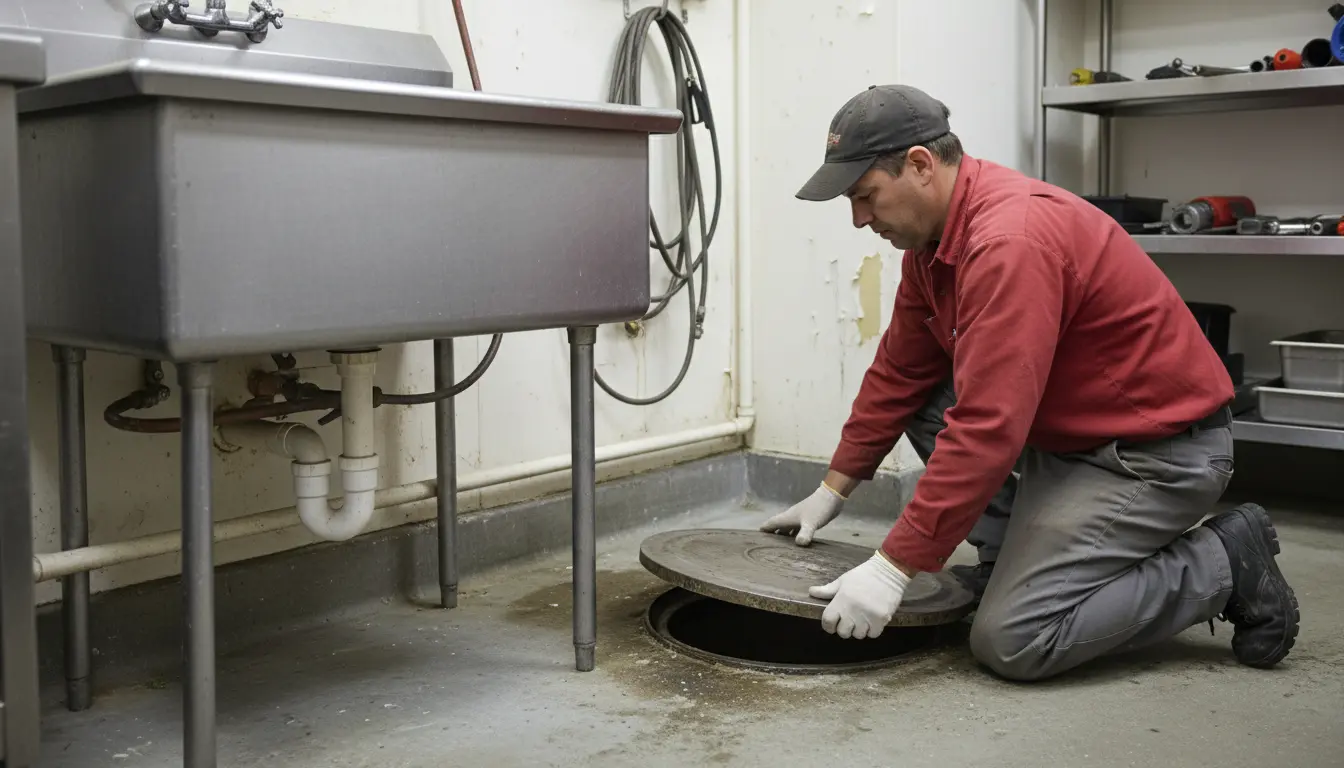
For restaurant owners and food service operators in Poway, managing fats, oils, and grease (FOG) is a critical operational and legal responsibility. Proper grease interceptor maintenance is not just about preventing clogs; it's a mandatory component of the city's environmental protection and sewer system management programs. Compliance with local ordinances, including the Food Establishment Wastewater Discharge (FEWD) permit and the strict "25% rule," helps protect Poway's infrastructure from costly blockages and sanitary sewer overflows. This guide outlines the essential requirements, best practices, and service considerations for effective grease trap and interceptor management in your Poway establishment.
Zoom Drain SD North County
1317 Simpson Way Suite B, Escondido, CA 92029
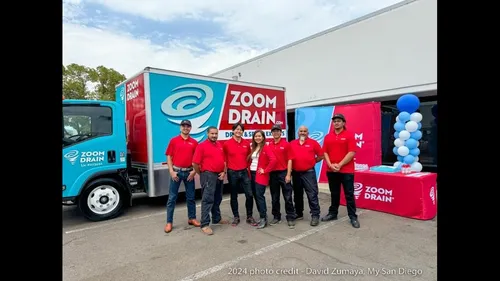
Zoom Drain SD North County is a drain and sewer service provider based in Oceanside, CA, serving the North County San Diego area including Escondido and surrounding communities. They offer residential and commercial services, specializing in drain cleaning, sewer inspections using high-resolution cameras, and grease trap maintenance. Their capabilities include hydro-jetting to clear blockages such as tree root intrusions and applying eco-friendly treatments like RootX and CitraJet to maintain plumbing systems. The company is known for addressing complex plumbing issues with advanced technology and tailored solutions. Zoom Drain SD North County also supports property managers, contractors, and the food and hospitality sector with specialized maintenance plans and referral programs.
San Diego Zoom Drain
1465 Morena Blvd Floor One, San Diego, CA 92110
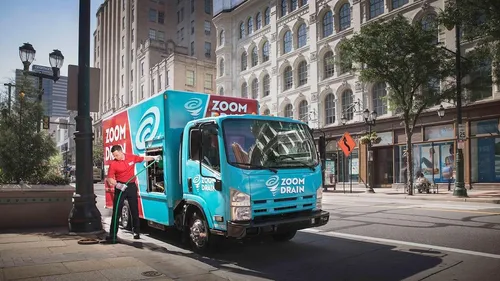
San Diego Zoom Drain is a drain and sewer service provider based in San Diego, CA. They offer residential and commercial drain cleaning, inspections, repairs, and replacements, including specialized grease trap maintenance for the food and hospitality sector. Their service area includes San Diego and surrounding communities such as Coronado, Del Mar, El Cajon, Encinitas, La Jolla, Santee, and Solana Beach. The company is experienced in hydro jetting, a capability used to clear stubborn clogs and maintain plumbing health. San Diego Zoom Drain emphasizes tailored maintenance plans and advanced technology to support property managers, contractors, and homeowners alike.

Chula Vista Rooter - Sewer & Drain Cleaning Services
National City, CA
Chula Vista Rooter - Sewer & Drain Cleaning Services provides drain and sewer cleaning, camera inspection, line location, and grease trap cleaning in National City, CA. The company uses modern technology and skilled techniques such as hydro-jetting and video inspection to address issues like clogged drains, sewer backups, root intrusions, and grease buildup. Their services include precise pipe location and preventive maintenance to support both residential and commercial properties. The team is experienced in handling complex problems like tree root removal and sediment buildup within sewer lines. Chula Vista Rooter aims to maintain efficient drainage systems through thorough cleaning and inspection methods.
Roto-Rooter Plumbing & Water Cleanup of El Cajon
1400 Hill St, El Cajon, CA 92020
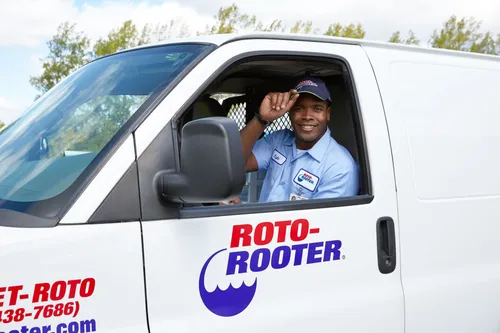
Roto-Rooter Plumbing & Water Cleanup of El Cajon provides comprehensive plumbing services to homes and businesses in San Diego, CA. They handle a wide range of needs including drain cleaning, sewer line repair and replacement, water heater installation and repair, grease trap maintenance, and floodwater cleanup. Their commercial plumbing expertise covers complex systems such as backflow inspection, high-pressure water jetting, and gas line installation. With a focus on local challenges like hard water mineral deposits and aging infrastructure, they offer tailored solutions for both residential and commercial clients. Roto-Rooter is available 24/7 for emergency plumbing services, ensuring prompt response to issues like burst pipes and sewer backups.
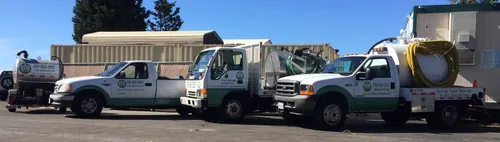
Eco Grease Pumping Services
4079 Governor Dr #262, San Diego, CA 92122
Eco Grease Pumping Services provides grease trap cleaning for commercial kitchens in San Diego, CA. The company specializes in grease trap and interceptor maintenance, including clog clearing and regular service to ensure proper function. Customers have noted their professionalism and effective resolution of long-standing grease interceptor issues.
Understanding Poway's FOG Program and Legal Requirements
The City of Poway administers a dedicated Fat, Oil & Grease (FOG) Program designed to work with businesses to prevent sewer problems. The cornerstone of compliance for any food service establishment (FSE) is obtaining a Food Establishment Wastewater Discharge (FEWD) permit 1. This permit formalizes your commitment to proper FOG management and is a prerequisite for operating legally. The program's regulations are enforced to align with the California Health and Safety Code and the Uniform Plumbing Code, ensuring all establishments contribute to a healthier community and environment 2.
Key components of the local code include:
- The 25% Rule: Grease interceptors must be fully pumped and cleaned when the combined accumulation of FOG and solids reaches 25% of the total liquid depth of the trap 3. This is a critical performance standard, not just a suggestion.
- Minimum Cleaning Frequency: While the 25% rule dictates the maximum allowable accumulation, the city mandates a minimum cleaning frequency of every six months for most traps. However, high-volume kitchens often find that quarterly or even monthly service is necessary to stay compliant.
- Accessibility and Location: Grease traps and interceptors must be easily accessible for servicing and inspection. They are typically required to be located outside of food preparation areas to facilitate maintenance and ensure sanitary conditions 4.
The High Cost of Non-Compliance: Inspections and Fines
The City of Poway conducts routine, periodic inspections to verify compliance with the FOG program rules and FEWD permit conditions. Inspectors will check your interceptor's condition and, crucially, review your maintenance records. Failure to comply can lead to significant penalties.
Enforcement actions typically escalate, starting with notices of violation. Financial penalties for non-compliance can begin around $100 or more for initial infractions and can rise sharply into the thousands of dollars for repeated or willful violations 5 6. Beyond fines, chronic non-compliance can lead to permit revocation or mandatory installation of expensive, high-capacity grease recovery devices. The cost of proactive, regular maintenance pales in comparison to the financial and operational disruption of enforcement actions.
Service and Maintenance: What Poway Restaurants Need to Know
Contracting with a licensed and insured grease hauler is an essential step. These professionals are trained to properly pump, clean, and dispose of FOG waste in accordance with environmental regulations. When scheduling service, it is imperative to aim for cleanings well before the 25% accumulation threshold is met to ensure consistent compliance and optimal interceptor function.
Service costs in the San Diego area, which includes Poway, vary based on several factors:
- Small Indoor Grease Traps: Typically range from $150 to $300 per pump-out.
- Large Outdoor Grease Interceptors: Service for these larger units generally costs between $400 and $1,000 or more, depending on size and accessibility.
- Emergency Service: Responding to a clog or overflow is significantly more expensive, often costing 50-100% more than a scheduled maintenance visit. This highlights the financial wisdom of a preventive maintenance schedule.
Find the perfect grease trap cleaning companies for your needs
Get personalized recommendations and expert advice
Record Keeping: Your Proof of Compliance
Meticulous record-keeping is your best defense during an inspection. The City of Poway requires establishments to maintain detailed logs and receipts for all grease interceptor servicing. Your records should clearly include:
- Date of service
- Name of the servicing company
- Volume of grease and solids removed
- Signature of the service technician (often on the receipt)
- Disposal documentation (manifest or receipt from the rendering facility)
Keep these documents in an organized, readily accessible file. Digital copies are acceptable, but they must be available for review upon request by a city inspector. This simple practice demonstrates due diligence and can swiftly resolve any questions about your compliance history.
Best Practices for Kitchen Staff to Reduce FOG Problems
Professional pumping is only one part of the equation. Implementing daily best practices in your kitchen can dramatically reduce the load on your grease interceptor, extend time between pump-outs, and minimize the risk of clogs 7.
Essential daily habits include:
- Scrape, Don't Rinse: All food scraps and solids should be scraped into compost or trash bins before warewashing. Never use the sink as a garbage disposal.
- Use Drain Screens: Install and regularly clean sturdy metal screens in all sink drains to catch small solids.
- Dry Wipe First: Use paper towels or a rubber scraper to remove grease from pots, pans, and griddles before washing.
- Collect Cooking Oil: Provide dedicated, sealed containers for used fryer oil and coordinate with a licensed collector for recycling-never pour it down the drain.
- Educate Your Team: Regularly train all kitchen staff on these practices. Their cooperation is vital to the success of your FOG management program.
Choosing a Service Provider in Poway
Selecting the right partner for grease trap cleaning is crucial. Look for a provider that is fully licensed, insured, and familiar with the specific requirements of Poway's FOG Program and San Diego County regulations. A reputable company will provide detailed service reports and proper disposal documentation, which are the records you need for inspections. They should also be willing to help you determine an optimal service frequency based on your kitchen's volume and menu, helping you stay safely below the 25% rule. Establishing a reliable, scheduled maintenance plan with a trusted provider is the most effective way to ensure ongoing compliance and peace of mind.
Frequently asked questions
Sources
Footnotes
-
Food Establishment Wastewater Discharge (FEWD) Program - https://www.sandiego.gov/public-utilities/sewer-spill-reduction/fewd ↩
-
California Health and Safety Code § 114201 (2024) - Justia Law - https://law.justia.com/codes/california/code-hsc/division-104/part-7/chapter-7/article-2/section-114201/ ↩
-
Grease Trap Cleaning For California Restaurants - https://cacciaplumbing.com/blog/grease-trap-cleaning-california-restaurants/ ↩
-
Grease Traps/Interceptors in Food Facilities - County of San Diego - https://www.sandiegocounty.gov/content/dam/sdc/deh/fhd/food/pdf/publications_greasetrappolicy.pdf ↩
-
Fat, Oil & Grease (FOG) Program for Business | Poway, CA - Official Website - https://poway.org/229/Fat-Oil-Grease-FOG-Program-for-Business ↩
-
Essential Grease Trap Maintenance For San Diego Facilities - https://www.myshyft.com/blog/grease-trap-cleaning-san-diego-california/ ↩
-
Restaurants | Poway, CA - Official Website - https://poway.org/400/Restaurants ↩