Find the Best Grease Trap Cleaning Companies for Your Business
No obligation • Fast responses • Nationwide coverage

Why you can trust Restaurant Waste Disposal
Restaurant Waste Disposal is a leading U.S. resource for comparing restaurant composting, food-waste recycling, grease trap cleaning, and used cooking oil collection services. Our editorial team researches providers, checks credentials, and organizes unbiased information so operators can make informed decisions. Companies cannot pay to change ratings or placement.
Search providers near you
Top Grease Trap Cleaning Companies in Pittsburg, California Ranked
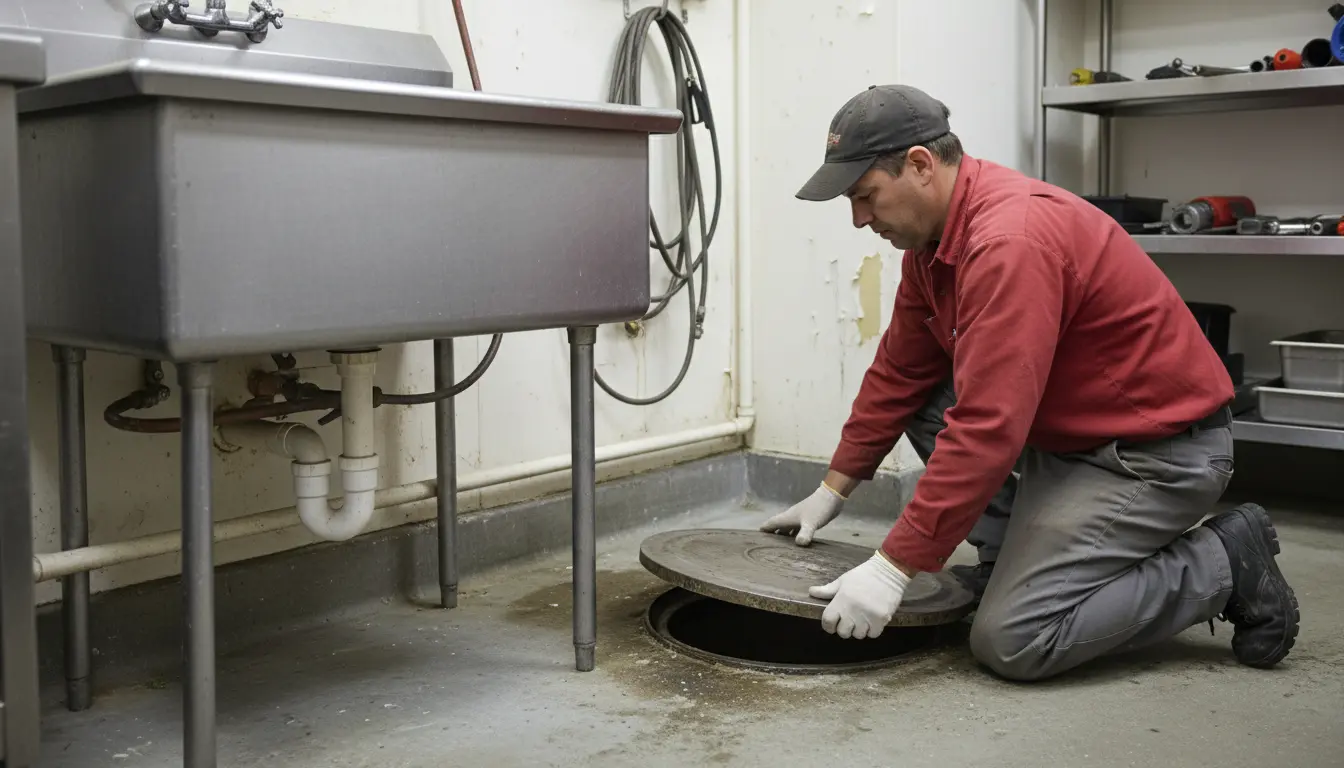
For restaurant owners and food service operators in Pittsburg, maintaining a compliant and functional grease interceptor is a critical, non-negotiable aspect of daily operations. The city falls under the jurisdiction of the Central Contra Costa Sanitary District (CCCSD), which enforces strict Fats, Oils, and Grease (FOG) management programs to protect the local sewer infrastructure. Effective grease trap maintenance is not just about avoiding costly fines; it's about ensuring your business runs smoothly, preventing disruptive and unsanitary backups, and upholding your community's environmental standards. This guide provides a detailed overview of the regulations, best practices, and service considerations specific to Pittsburg, CA.
Roto-Rooter Plumbing & Water Cleanup
1780 Whipple Rd Ste 203G, Union City, CA 94587
Roto-Rooter Plumbing & Water Cleanup provides comprehensive plumbing and water cleanup services in San Jose, CA. They serve both residential and commercial clients, offering a wide range of solutions including grease trap cleaning, sewer and drain cleaning, water heater repair and installation, and emergency flood services. The company uses advanced plumbing technology and equipment to handle complex plumbing systems and offers 24/7 emergency plumbing support to address urgent issues such as burst pipes and sewer backups. Roto-Rooter is licensed and insured, serving the local community with expertise and a commitment to compliance with local codes.
Roto-Rooter Plumbing & Water Cleanup
1210 Central Blvd Ste 123, Brentwood, CA 94513
Roto-Rooter Plumbing & Water Cleanup provides comprehensive plumbing and water cleanup services in Antioch, CA. Their offerings cover residential and commercial plumbing needs, including grease trap cleaning, sewer line repairs, water heater installation and repair, floodwater cleanup, and mold remediation. The company is equipped with advanced tools like hydro-jetting for drain cleaning and offers 24/7 emergency plumbing services to address urgent issues such as burst pipes and sewer backups. Serving Antioch and surrounding areas, Roto-Rooter is experienced in handling complex plumbing systems and environmental factors affecting local infrastructure.
Roto-Rooter Plumbing & Water Cleanup
1130 N Broadway Ste 200C, Walnut Creek, CA 94596
Roto-Rooter Plumbing & Water Cleanup provides comprehensive plumbing services in Oakland, CA, covering residential and commercial needs. Their offerings include drain cleaning, sewer line repair and replacement, grease trap cleaning, water heater installation and repair, floodwater cleanup, and mold remediation. The company is equipped to handle complex commercial plumbing systems and offers specialized services such as hydro-jetting and trenchless sewer line repairs. Roto-Rooter serves the Oakland area and surrounding counties with 24/7 emergency plumbing availability to address urgent issues any time of day or night.
Roto-Rooter Plumbing & Water Cleanup
1070 Marina Village Pkwy UNIT 202, Alameda, CA 94501
Roto-Rooter Plumbing & Water Cleanup provides comprehensive plumbing and water cleanup services in Oakland, CA. They serve both residential and commercial clients with a wide range of solutions including sewer and drain cleaning, water heater repair and installation, grease trap maintenance, and floodwater cleanup. The company uses specialized equipment such as hydro-jetting for effective drain cleaning and sewer line maintenance. Roto-Rooter offers 24/7 emergency plumbing services to address urgent issues like burst pipes and sewer backups. They serve Alameda and surrounding counties, bringing extensive experience to local plumbing challenges.
Roto-Rooter Plumbing & Water Cleanup
300 Frank H. Ogawa Plaza STE 249, Oakland, CA 94612
Roto-Rooter Plumbing & Water Cleanup provides comprehensive plumbing and water damage cleanup services in San Francisco, CA. They serve both residential and commercial clients with a wide range of offerings including sewer and drain cleaning, water heater repair and installation, grease trap maintenance, and mold remediation. The company is equipped with advanced tools such as high-pressure water jetting (hydro-jetting) and offers 24/7 emergency plumbing services to address urgent issues like burst pipes, sewer backups, and clogged drains. Serving the Oakland area and surrounding communities, Roto-Rooter has extensive experience with local plumbing infrastructure and regulations.
Understanding Local Grease Interceptor Regulations
Compliance starts with knowing the rules set by your governing body. In Pittsburg, the Central Contra Costa Sanitary District (CCCSD) is the primary agency regulating FOG discharge 1. Their Source Control regulations are designed to prevent grease from entering the public sewer system, where it can cool, solidify, and cause major blockages and sanitary sewer overflows.
Key regulatory requirements include:
- Proper Sizing & Installation: Grease interceptors must be sized and installed in accordance with the California Plumbing Code (CPC) and CCCSD specifications 2. This often involves calculating a minimum capacity (e.g., 40 pounds of grease retention) based on factors like flow rate (gallons per minute) and the type/volume of food service 3.
- Accessibility: The trap must be readily accessible for inspection, servicing, and cleaning at all times. Obstructions can lead to violations.
- Prohibited Connections: Certain equipment may be prohibited from discharging into a standard grease trap. For instance, waste from garbage disposals in food preparation areas is often banned unless connected to a larger interceptor, and high-temperature commercial dishwashers may require a separate, specialized interceptor 4.
- Record Keeping: Maintaining detailed service records is mandatory. You must keep logs, invoices, and often photos from every cleaning and maintenance service for several years, as these are the first items a sanitary district inspector will request.
Determining Your Cleaning Schedule and Frequency
The CCCSD mandates that grease interceptors be cleaned and serviced regularly to prevent FOG and solids from exceeding 25% of the trap's total volume 5 6. While the "25% rule" is the legal standard, the practical frequency varies significantly by establishment.
A common baseline is every 3 to 6 months for many full-service restaurants 7. However, high-volume kitchens, those serving particularly greasy cuisine (like fried foods or certain ethnic dishes), or establishments with older plumbing may require service as often as monthly. The only way to know your optimal schedule is through consistent service and observation by a professional who can track your trap's fill rate.
Warning signs that your interceptor needs immediate attention include foul odors emanating from drains, consistently slow-draining sinks, and gurgling sounds from floor drains. If you notice these symptoms, you may already be at risk for a backup or a compliance violation.
The Inspection Process and Consequences of Non-Compliance
The CCCSD and other local health inspectors conduct routine and complaint-driven inspections to ensure compliance. During an inspection, they will:
- Review your maintenance and cleaning records.
- Physically inspect the grease interceptor for proper condition, labeling, and accessibility.
- Check for signs of overflow, bypass, or improper discharge.
Failure to comply can result in severe consequences:
- Fines and Penalties: Monetary fines for violations can be substantial and escalate for repeat offenses 8.
- Emergency Cleanup Costs: If a neglected trap causes a sewer line blockage or overflow, you will be responsible for all emergency cleanup and repair costs, which far exceed routine service fees 9.
- Operational Disruption: A forced closure for emergency servicing or remediation means lost revenue and damaged reputation.
Find the perfect grease trap cleaning companies for your needs
Get personalized recommendations and expert advice
Cost Factors for Service in Pittsburg
Understanding the cost structure for grease interceptor maintenance helps in budgeting and highlights the value of preventative care. Prices vary based on trap size, location accessibility, and the amount of waste to be removed.
- Preventative / Scheduled Cleaning: For a routine, scheduled service, most restaurants in the Pittsburg area can expect costs in the range of $250 to $400 per service visit. This is the most cost-effective approach.
- Emergency / Unscheduled Cleaning: Responding to a clog, backup, or last-minute compliance issue is significantly more expensive. Emergency service calls typically start at $800 and can exceed $1,200, not including any additional plumbing repairs that may be necessary 10 11.
Investing in a regular maintenance contract with a licensed hauler is almost always cheaper than reacting to an emergency. It also provides peace of mind and ensures consistent documentation for inspectors.
Best Practices for Kitchen Staff and Daily Operations
Technology and professional services are only part of the solution. Your daily kitchen practices are the first line of defense in FOG management.
- Staff Training: Educate every team member on what should and should not go down the drain. Emphasize that grease traps are not trash cans.
- Scrape, Don't Rinse: Food solids should be scraped into compost or trash bins before warewashing. Use sink strainers to catch smaller particles.
- Collect Cooking Oil: Never pour used fryer oil or pan drippings down any drain. Store cooled oil in dedicated containers for pickup by a used cooking oil recycler.
- Dry Wipe Pots and Pans: Before washing, wipe cookware with a paper towel to absorb excess grease.
- Use Degreasers Wisely: While enzyme or bacterial degreasers can help maintain pipes between cleanings, they are not a substitute for physical grease trap pumping and can sometimes emulsify grease, pushing problems further downstream if misused 12.
The key takeaway for Pittsburg businesses is to partner with a local, licensed, and reputable grease hauler who is familiar with the specific requirements of the CCCSD FOG program 13. A good partner will not only provide reliable service but will also help you understand your compliance obligations and optimize your maintenance schedule to keep your kitchen running smoothly and within the law.
Frequently asked questions
Sources
Footnotes
-
SECTION 9 SOURCE CONTROL 9-01 GREASE, OIL AND/OR ... - https://www.centralsan.org/sites/main/files/file-attachments/section_9_source_control_0.pdf ↩
-
Grease Trap Cleaning from Santa Clarita to San Diego - https://phoenixpumping.com/grease-trap-maintenance/ ↩
-
California Health and Safety Code § 114201 (2024) - Justia Law - https://law.justia.com/codes/california/code-hsc/division-104/part-7/chapter-7/article-2/section-114201/ ↩
-
Chapter 18.08 GREASE TRAPS - General Code - https://www.codepublishing.com/CA/PacificGrove/html/PacificGrove18/PacificGrove1808.html ↩
-
How to Clean a Grease Trap (and How Often You Should) - https://greaseconnections.com/how-to-clean-a-grease-trap-and-how-often-you-should/ ↩
-
12.20.220. Grease trap requirements. - https://codelibrary.amlegal.com/codes/fullerton/latest/fullerton_ca/0-0-0-18563 ↩
-
The Ultimate Guide to Restaurant Grease Trap Cleaning: Smart Solutions for Commercial Kitchens - Mokher Plumbing - https://mokherplumbing.com/ultimate-guide-restaurant-grease-trap-cleaning/ ↩
-
Understanding the Fines and Penalties for Grease Trap Violations - https://www.southerngreen.com/blog/understanding-the-fines-and-penalties-for-grease-trap-violations ↩
-
Grease Trap Regulations and Compliance: What You Need to ... - https://www.texwaywastewater.com/grease-trap-regulations-and-compliance/ ↩
-
Ultimate Grease Trap Pumping Cost Guide: Essential Money-Saving ... - https://www.texwaywastewater.com/grease-trap-pumping-cost/ ↩
-
The Cost To Clean A Grease Trap For Restaurants - https://thegreasecompany.com/blog/greasetrapcleaningcost/ ↩
-
Restaurant Grease Trap Cleaning FAQs - Mahoney Environmental - https://www.mahoneyes.com/restaurant-grease-trap-cleaning-faqs/ ↩
-
Grease Trap Cleaning in Pittsburg CA - https://greasetrapcleaningpleasanton.com/pittsburg-ca.html ↩