Find the Best Grease Trap Cleaning Companies for Your Business
No obligation • Fast responses • Nationwide coverage

Why you can trust Restaurant Waste Disposal
Restaurant Waste Disposal is a leading U.S. resource for comparing restaurant composting, food-waste recycling, grease trap cleaning, and used cooking oil collection services. Our editorial team researches providers, checks credentials, and organizes unbiased information so operators can make informed decisions. Companies cannot pay to change ratings or placement.
Search providers near you
Top Grease Trap Cleaning Companies in Palmdale, California Ranked
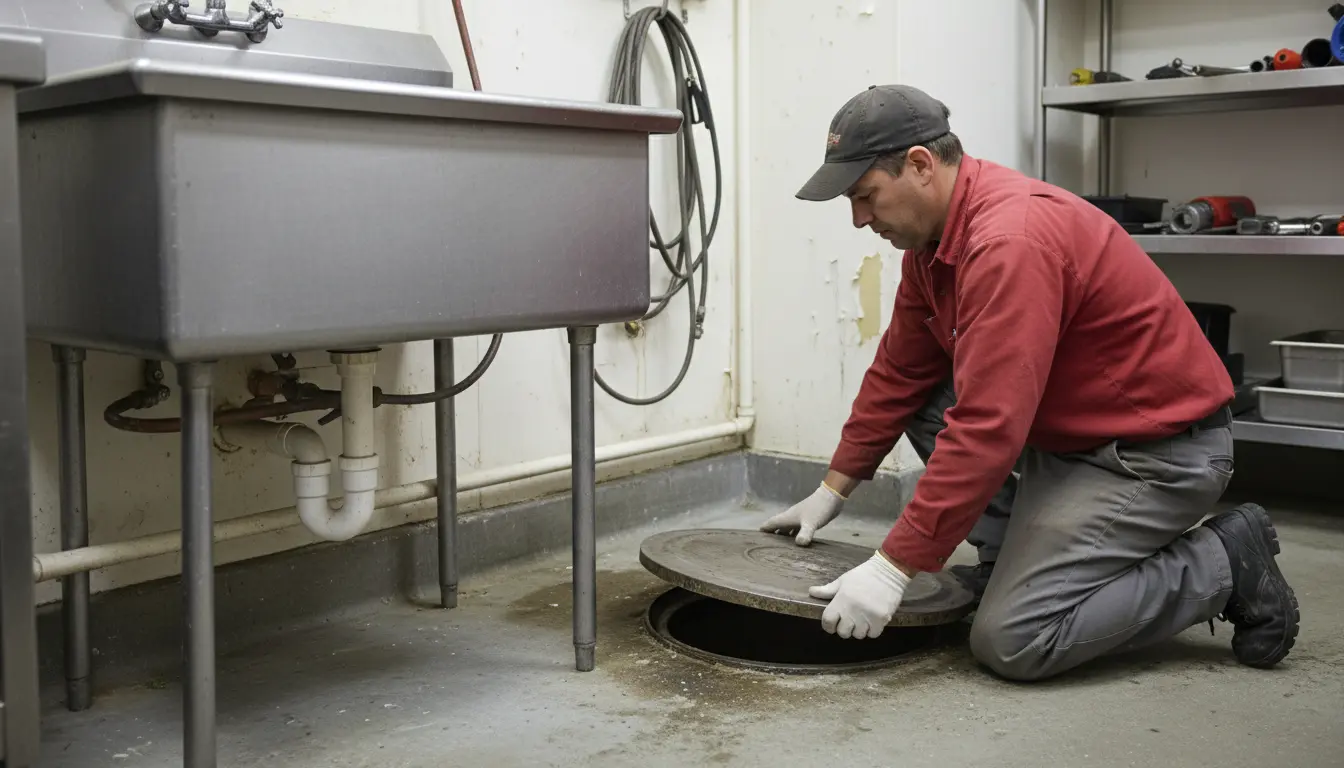
For restaurant owners and kitchen managers in Palmdale, maintaining a clean and compliant grease trap is a critical, non-negotiable part of daily operations. The City of Palmdale enforces a strict Fats, Oils, and Grease (FOG) Control Program to protect the municipal sewer system from blockages and environmental damage. Compliance isn't just about avoiding fines; it's about ensuring your business runs smoothly, preventing disruptive and costly backups, and upholding your responsibility to the community's infrastructure. This guide outlines the essential regulations, best practices, and local considerations for effective grease interceptor maintenance in the Antelope Valley.
Roto-Rooter Plumbing & Water Cleanup
241 E Colorado Blvd #202, Pasadena, CA 91101
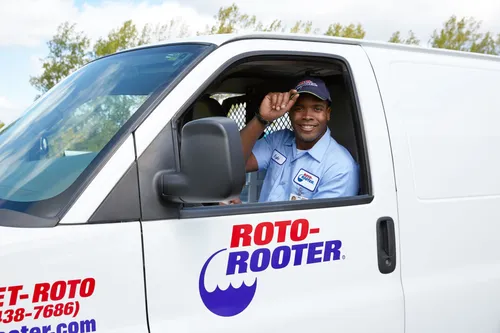
Roto-Rooter Plumbing & Water Cleanup provides comprehensive residential and commercial plumbing services in Los Angeles, CA. They specialize in a wide range of plumbing solutions including grease trap cleaning, sewer line repairs, water heater installation and repair, and emergency floodwater cleanup. The company is equipped with advanced tools such as hydro-jetting equipment to handle complex plumbing issues efficiently. Serving the Pasadena area and surrounding communities, Roto-Rooter offers 24/7 emergency plumbing services throughout the year to address urgent plumbing needs. They are fully licensed and insured, focusing on both routine maintenance and emergency repairs.
Roto-Rooter Plumbing & Water Cleanup
110 N Maclay Ave Suite 110, San Fernando, CA 91340
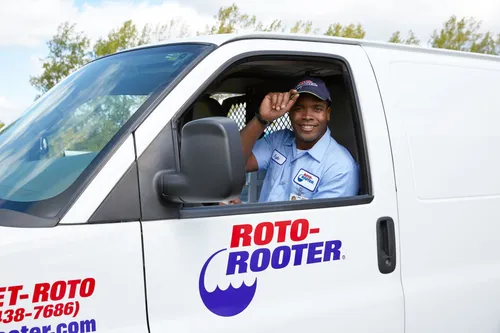
Roto-Rooter Plumbing & Water Cleanup provides comprehensive plumbing services in Los Angeles, CA, specializing in both residential and commercial plumbing needs. Their offerings include floodwater cleanup, sewer and drain cleaning, faucet and toilet repairs, water heater installation and maintenance, grease trap cleaning, and sewer line repair and replacement. They use advanced techniques such as hydro-jetting and trenchless excavation to address plumbing challenges efficiently. Serving the San Fernando Valley and surrounding communities, Roto-Rooter has extensive knowledge of local plumbing infrastructure and environmental factors. The company operates a 24/7 emergency service line to handle urgent plumbing issues at any time.
Roto-Rooter Plumbing & Water Cleanup
Lancaster, CA
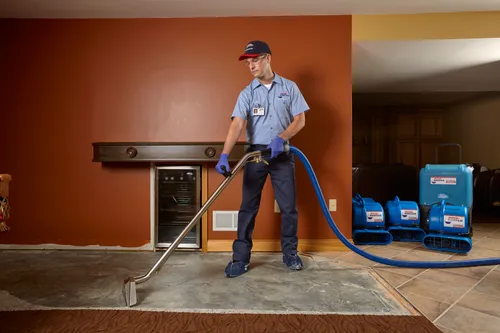
Roto-Rooter Plumbing & Water Cleanup has been serving Lancaster, CA, since 1935, providing comprehensive plumbing and water cleanup services tailored to the challenges of the high desert climate. Their team handles a wide range of issues including plumbing repairs, drain cleaning, grease trap pumping, and septic system maintenance for both residential and commercial clients. They offer same-day and emergency services year-round, with 24/7 availability including holidays. Roto-Rooter is equipped to manage plumbing systems in older homes and commercial buildings, ensuring solutions that meet local codes and withstand Lancaster's environmental conditions.
Roto-Rooter Plumbing & Water Cleanup
323 E Ave L 4, Lancaster, CA 93535
Roto-Rooter Plumbing & Water Cleanup has been serving Lancaster, CA, since 1935, offering a wide range of plumbing services tailored to the challenges of the high desert climate. They provide expert plumbing repairs, drain cleaning, water cleanup, and specialized commercial services such as grease trap pumping and septic system maintenance. Their team is equipped to handle both residential and commercial plumbing needs, including emergency and same-day services available 24/7. With extensive experience in managing plumbing systems affected by Lancaster's unique weather conditions, Roto-Rooter ensures reliable solutions for homes and businesses in the area.
ETP: Enviro-Tech Pumping
24532 Desert Ave, Santa Clarita, CA 91321
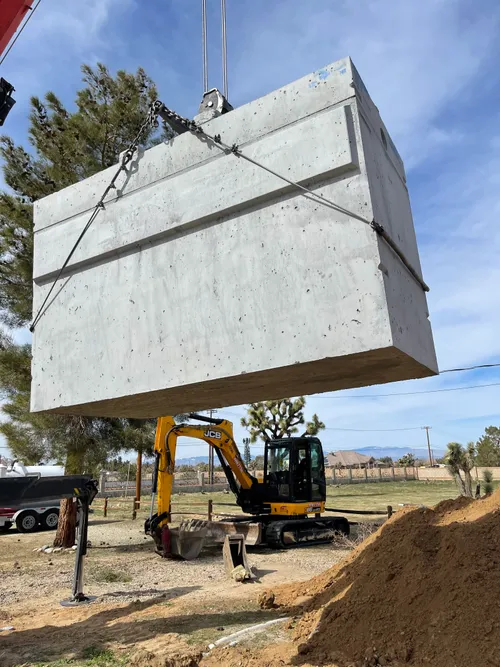
ETP: Enviro-Tech Pumping is a family-owned company based in Santa Clarita, CA, specializing in grease trap and septic tank cleaning services. They serve a wide range of clients including restaurants, malls, factories, homeowners, and government-controlled lands across Greater Los Angeles, Orange County, and Ventura County. The company uses clean equipment for every service and offers 24/7 availability with drivers on the road around the clock. Enviro-Tech Pumping focuses on environmentally sustainable waste removal and efficient service to help maintain the longevity and functionality of grease traps and septic tanks.
Understanding Palmdale's FOG Control Program
Local regulations form the foundation of your maintenance schedule. The City of Palmdale mandates that commercial food service establishments properly install, maintain, and clean their grease traps or interceptors. The cornerstone of this program is the "25% Rule": traps must be pumped when the combined accumulation of FOG and solids reaches 25% of the liquid depth of the trap. Adherence to this rule is not a suggestion-it's a legal requirement enforced through city inspections.
Failure to comply can result in severe penalties, including significant fines and even the potential for a kitchen shutdown until violations are corrected. The city's inspectors monitor compliance, and the best defense is a meticulous paper trail. Maintaining detailed records-including service invoices, pumping logs, and even photos-is essential to prove regular, proactive maintenance.
Key Regulations and Code Compliance
Navigating the regulatory landscape requires understanding both local and state rules.
- The 25% Capacity Rule: This is the primary operational guideline. Waiting until your trap is completely full is a violation and dramatically increases the risk of a sewer line clog or backup into your facility 1.
- California Health & Safety Code § 114201: This state law governs the installation and accessibility of grease traps. It requires that traps be easily accessible for service and inspection, and they must not be located in food preparation areas unless specifically approved 2 3.
- Proper Sizing and Installation: Your grease interceptor must be correctly sized for your kitchen's volume. An undersized trap will require impractically frequent cleaning, while an improperly installed one may be difficult or costly to service. The City of Palmdale's guidelines provide specifications to ensure proper function.
Determining Your Grease Trap Pumping Schedule
How often should you schedule grease interceptor cleaning? The answer varies based on your specific operation, but the 25% rule dictates the maximum time between services.
- High-Volume Kitchens: Restaurants with extensive frying, large-scale catering, or 24-hour operations may find their traps reach the 25% threshold every 4 to 6 weeks, necessitating monthly or bi-monthly service 4.
- Standard Restaurants: For most full-service restaurants, a typical pumping frequency falls between quarterly (every 3 months) to semi-annually (every 6 months).
- Low-Volume Operations: Smaller cafes or kitchens with minimal grease production might manage with service once or twice a year, but they must still monitor levels to ensure they don't exceed the limit.
The only way to know for sure is through regular inspection. Many professional service providers can help you establish a baseline schedule during your first service.
Recognizing Signs You Need Service Immediately
Don't wait for an inspection notice. Be proactive and watch for these warning signs that your trap needs attention:
- Foul Odors: Persistent sewer or rancid grease smells emanating from drains are a classic indicator of an overfull trap.
- Slow Draining: Sinks that drain sluggishly, especially in the dish pit or prep areas, signal a buildup in the trap or downstream lines.
- Gurgling Sounds: Unusual noises from drains can indicate trapped air due to blockage.
- Visible Grease: If you see grease accumulation in the trap's inlet or outlet tees during a visual check, it's past time for pumping.
Find the perfect grease trap cleaning companies for your needs
Get personalized recommendations and expert advice
Cost Factors for Grease Trap Pumping in Palmdale
The cost for professional grease trap cleaning services in Palmdale is not a flat fee; it depends on several variables. Understanding these can help you budget effectively.
- Trap Size and Capacity: This is the most significant factor. A small, under-sink grease trap (25-75 gallons) may cost between $175 and $400+ per service 5 6. In contrast, pumping a large, in-ground interceptor (1,000+ gallons) can range from $400 to $2,500+ per service, depending on the extent of the cleaning required 5.
- Level of Accumulation: A trap serviced regularly at the 25% level is quicker and easier to clean. One that is severely neglected, requiring extensive scraping and high-volume vacuuming, will cost more.
- Accessibility: Traps that are easily accessible with clear space for service trucks and hoses are less expensive to service. Difficult locations can add labor time and cost.
- Service Contract: Many providers offer discounted rates for customers who commit to a regular, scheduled maintenance plan, which can lead to significant savings over time compared to emergency, on-call services.
Best Practices for Palmdale Restaurants
Beyond scheduling and compliance, adopting these practices will protect your business and plumbing.
- Use Licensed, Reputable Haulers: Always hire a licensed grease hauler. They provide the proper documentation (waste manifests) proving your FOG was disposed of legally at a certified facility, which is crucial for your inspection records.
- Implement Kitchen Best Practices: Reduce the load on your trap by scraping all food scraps into compost or trash before washing, using sink strainers, and avoiding pouring grease or oil down any drain 7.
- Keep Impeccable Records: Maintain a dedicated binder with all service invoices, pump-out logs, and any correspondence with the city or your service provider. This is your first line of defense during an inspection.
- Schedule Preventative Maintenance: Proactive, scheduled cleaning at the 25% threshold is always less expensive than emergency service for a clogged line or a city-mandated cleanup 8.
The Risks of Non-Compliance
Ignoring grease trap maintenance is a high-stakes gamble. The consequences extend beyond a single fine:
- Substantial Fines: Violations of the FOG program can lead to fines running into the thousands of dollars, with some severe infractions carrying penalties of $10,000 or more 9 10.
- Business Disruption: A sewer backup can force a kitchen to close temporarily for cleanup and repairs, resulting in lost revenue and reputational damage.
- Increased Service Costs: Emergency pump-outs and repairs for damaged plumbing are far more costly than routine maintenance.
- Environmental Impact: FOG discharged into sewers can congeal and cause blockages in public sewer mains, leading to sanitary sewer overflows (SSOs) that harm the local environment.
By partnering with a qualified service provider and integrating these guidelines into your operational routine, you can ensure your Palmdale restaurant remains compliant, efficient, and free from the headaches of grease-related plumbing disasters.
Frequently asked questions
Sources
Footnotes
-
City of Palmdale F.O.G. Control Program - https://www.cityofpalmdaleca.gov/DocumentCenter/View/907/Fats-Oil-Grease-Fact-Sheet-PDF ↩
-
Grease Trap Regulations and Compliance: What You Need to Know - https://www.texwaywastewater.com/grease-trap-regulations-and-compliance/ ↩
-
California Health and Safety Code § 114201 (2024) - Justia Law - https://law.justia.com/codes/california/code-hsc/division-104/part-7/chapter-7/article-2/section-114201/ ↩
-
Restaurant Grease Trap Cleaning FAQs - Mahoney Environmental - https://www.mahoneyes.com/restaurant-grease-trap-cleaning-faqs/ ↩
-
Grease TRAP Cleaning Service NEAR Me In Palmdale - https://thegreasecompany.com/greasetrapcleaningpalmdale.html ↩ ↩2
-
Grease Trap Cleaning Prices | Guide on the Industry Average - https://grease-cycle.com/grease-trap-pumping-cost/ ↩
-
Grease Trap Cleaning For California Restaurants - https://cacciaplumbing.com/blog/grease-trap-cleaning-california-restaurants/ ↩
-
Ultimate Grease Trap Pumping Cost Guide: Essential Money-Saving ... - https://www.texwaywastewater.com/grease-trap-pumping-cost/ ↩
-
How to Clean a Grease Trap (and How Often You Should) - https://greaseconnections.com/how-to-clean-a-grease-trap-and-how-often-you-should/ ↩
-
The Ultimate Guide to Restaurant Grease Trap Cleaning: Smart Solutions for Commercial Kitchens - Mokher Plumbing - https://mokherplumbing.com/ultimate-guide-restaurant-grease-trap-cleaning/ ↩