Find the Best Grease Trap Cleaning Companies for Your Business
No obligation • Fast responses • Nationwide coverage

Why you can trust Restaurant Waste Disposal
Restaurant Waste Disposal is a leading U.S. resource for comparing restaurant composting, food-waste recycling, grease trap cleaning, and used cooking oil collection services. Our editorial team researches providers, checks credentials, and organizes unbiased information so operators can make informed decisions. Companies cannot pay to change ratings or placement.
Search providers near you
Top Grease Trap Cleaning Companies in Montebello, California Ranked
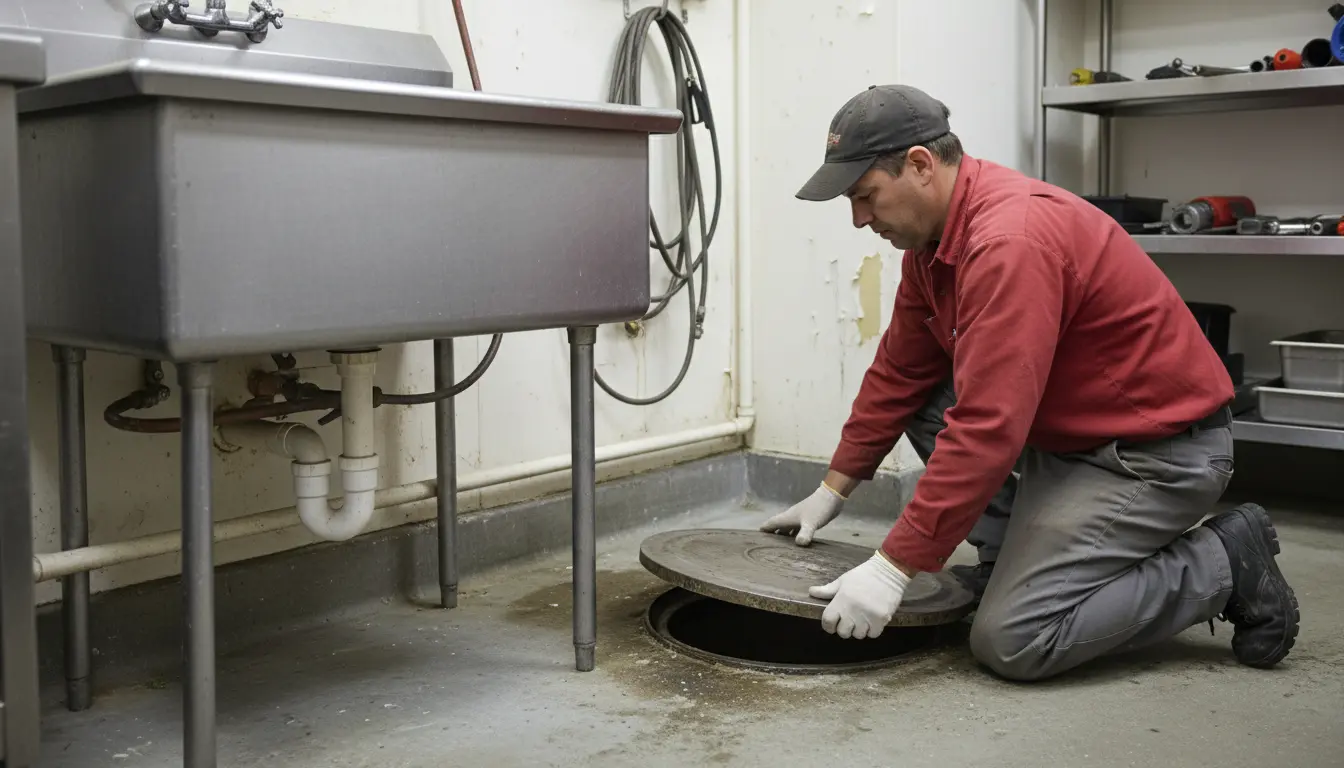
For any restaurant in Montebello, managing fats, oils, and grease (FOG) is a critical operational and legal responsibility. Proper grease interceptor maintenance is not just about preventing clogs and foul odors in your own kitchen; it's a mandated requirement under Los Angeles County and California state codes designed to protect the public sewer system. Neglecting this duty can lead to severe blockages, environmental harm, and significant financial penalties from the city. This guide outlines the essential regulations, best practices, and service considerations for keeping your establishment compliant and running smoothly.
Local enforcement focuses on adherence to the California Plumbing Code (CPC), which sets clear standards for interceptor sizing, accessibility, and maintenance frequency. The core rule requires cleaning before accumulated grease and solids reach 25% of the trap's liquid capacity. While schedules vary, high-volume kitchens often need weekly or bi-weekly service, whereas a typical restaurant might be on a monthly or quarterly pump-out schedule. Crucially, all service must be performed by a licensed waste hauler who provides detailed documentation, as maintaining a verifiable log of cleanings is your first line of defense during a county or city inspection1.
Roto-Rooter Plumbing & Water Cleanup
241 E Colorado Blvd #202, Pasadena, CA 91101
Roto-Rooter Plumbing & Water Cleanup provides comprehensive residential and commercial plumbing services in Los Angeles, CA. They specialize in a wide range of plumbing solutions including grease trap cleaning, sewer line repairs, water heater installation and repair, and emergency floodwater cleanup. The company is equipped with advanced tools such as hydro-jetting equipment to handle complex plumbing issues efficiently. Serving the Pasadena area and surrounding communities, Roto-Rooter offers 24/7 emergency plumbing services throughout the year to address urgent plumbing needs. They are fully licensed and insured, focusing on both routine maintenance and emergency repairs.
Roto-Rooter Plumbing & Water Cleanup
110 N Maclay Ave Suite 110, San Fernando, CA 91340
Roto-Rooter Plumbing & Water Cleanup provides comprehensive plumbing services in Los Angeles, CA, specializing in both residential and commercial plumbing needs. Their offerings include floodwater cleanup, sewer and drain cleaning, faucet and toilet repairs, water heater installation and maintenance, grease trap cleaning, and sewer line repair and replacement. They use advanced techniques such as hydro-jetting and trenchless excavation to address plumbing challenges efficiently. Serving the San Fernando Valley and surrounding communities, Roto-Rooter has extensive knowledge of local plumbing infrastructure and environmental factors. The company operates a 24/7 emergency service line to handle urgent plumbing issues at any time.
Roto-Rooter Plumbing & Water Cleanup
3848 Campus Dr STE 220, Newport Beach, CA 92660
Roto-Rooter Plumbing & Water Cleanup provides comprehensive plumbing and water cleanup services in Long Beach, CA. They handle a wide range of issues including floodwater cleanup, sewer and drain cleaning, faucet and toilet repairs, water heater services, and grease trap maintenance. The company serves both residential and commercial clients, offering advanced capabilities such as high-pressure water jetting (hydro-jetting) and trenchless sewer line replacement. With decades of experience dating back to 1935, Roto-Rooter offers 24/7 emergency plumbing services to address urgent problems at any time.
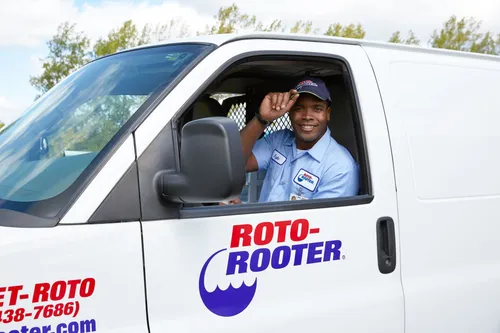
Roto-Rooter Plumbing & Water Cleanup
2050 W Chapman Ave #202, Orange, CA 92868
Roto-Rooter Plumbing & Water Cleanup offers a wide range of plumbing services in Los Angeles, CA, including grease trap cleaning, sewer and drain cleaning, water heater repair, and emergency flood cleanup. The company serves both residential and commercial clients, addressing issues from routine maintenance to urgent repairs. They utilize advanced tools such as HD inspection cameras and hydro-jetting to clear blockages and perform no-dig pipe replacements. Established with a legacy dating back to the invention of the original electric drain snake in 1935, Roto-Rooter provides 24/7 emergency plumbing services to handle urgent situations any time of day or night.
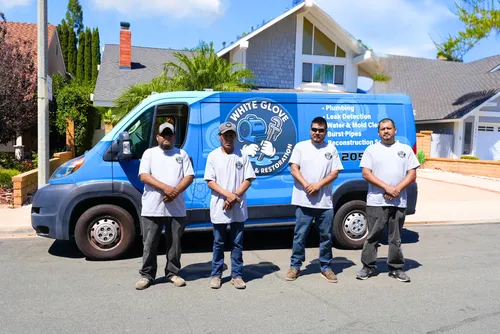
White Glove Plumbing Orange County
1430 E Borchard Ave, Santa Ana, CA 92705
White Glove Plumbing Orange County is a full-service plumbing and restoration company based in Santa Ana, serving residential and commercial clients throughout Los Angeles, CA. They provide a wide range of services including emergency plumbing, leak detection, hydro-jetting, water heater installation, grease trap pumping, sewage cleanup, mold remediation, and water damage restoration. The company offers 24/7 emergency services to quickly address urgent plumbing and restoration needs. Their expertise includes advanced capabilities such as slab leak reroutes, sewer camera inspections, and certified mold remediation. White Glove Plumbing combines plumbing and restoration services to manage repairs and rebuilds efficiently, reducing the need for multiple contractors.
Understanding Local Grease Interceptor Regulations
Montebello restaurants fall under the jurisdiction of Los Angeles County's Industrial Waste Management Division and local city codes. The regulations are designed to prevent FOG from entering the municipal wastewater system, where it can cool, solidify, and cause massive sewer line blockages and costly overflows.
The primary legal requirement is the "25% rule." You are obligated to have your grease interceptor pumped and cleaned before the combined volume of FOG and settled solids reaches one-quarter of the unit's total liquid capacity2 3. This isn't a suggestion-it's an enforceable standard. Inspectors can check maintenance logs and, in some cases, the physical condition of the interceptor. Furthermore, your trap must be sized correctly according to CPC tables (for example, a typical restaurant may require a 750 to 1,500-gallon interceptor) and must be easily accessible for service vehicles and technicians4 5.
Determining Your Service Schedule
How often you need grease trap pumping depends entirely on your operation's volume. There's no one-size-fits-all answer, but general guidelines can help you establish a baseline.
- High-Volume Establishments: Busy restaurants, diners, or facilities with extensive deep-frying operations may generate FOG so quickly that they require cleaning every week or every other week.
- Standard Restaurants: Most full-service restaurants in Montebello find that a monthly or bi-monthly service schedule keeps them well within the 25% limit and in compliance6 7.
- Large Grease Interceptors: Some facilities have very large, underground grease interceptors. These units, while holding more waste, still require regular maintenance, typically on a quarterly basis.
The most reliable method is to work with your service provider. After a few service visits, they can analyze the accumulation rate and recommend a definitive schedule that ensures you never risk a violation.
The Cost of Compliance vs. Non-Compliance
Investing in regular grease trap maintenance is far less expensive than dealing with the consequences of neglect. Standard service costs for a Montebello restaurant are typically based on the size of the interceptor and the volume of waste.
- Routine Service Costs: For a standard restaurant-sized grease trap, you can expect to pay between $175 and $300 per service visit8 9. Larger interceptors will be on the higher end of that scale, sometimes costing $225 to $315 or more per pump-out8.
- Emergency Service Costs: If a trap overflows, causes a backup, or is found in violation during an inspection, you will need emergency service. This can cost two to three times the price of a routine cleaning due to after-hours rates, expedited fees, and the complexity of the cleanup.
- Regulatory Fines: Beyond service costs, the LA County Public Works department or City of Montebello can levy significant fines for non-compliance, clogged sewer lines, or failure to maintain proper records. These fines, coupled with mandatory emergency clean-up orders, make preventative maintenance the only financially sensible choice.
Find the perfect grease trap cleaning companies for your needs
Get personalized recommendations and expert advice
Choosing a Licensed Service Provider in Montebello
You cannot have just any plumbing company handle your grease waste. California law and local ordinances require that FOG be handled by a licensed liquid waste hauler. These professionals are equipped to not only pump the interceptor but also legally transport and dispose of or recycle the waste at approved facilities.
When selecting a provider, ensure they offer:
- Detailed Service Tickets: Each visit should result in a receipt that notes the date, interceptor location, volume of waste removed, and the hauler's license number.
- Service Log Maintenance: Many providers will help you maintain the ongoing log that inspectors will ask to see.
- Reliable Scheduling: Choose a company known for punctuality to avoid last-minute scrambles before an inspection.
Preparing for Inspections and Maintaining Records
Inspections can be scheduled or occur in response to a problem in the sewer line. Your goal is to make the process smooth by being prepared. Inspectors will primarily check two things: the physical and operational condition of your grease interceptor, and your documentation proving regular maintenance.
Your maintenance file should include:
- All service receipts from your licensed hauler.
- A clear log showing each cleaning date.
- Any correspondence with your service provider.
- Records of any internal kitchen staff training on best practices to minimize FOG discharge (like scraping plates before washing).
Having this paperwork organized and readily available demonstrates due diligence and can swiftly resolve an inspector's visit.
Best Practices for Kitchen Staff
While professional pumping is essential, what your staff does daily significantly impacts how quickly your grease trap fills. Implementing simple kitchen protocols can extend time between services and improve overall efficiency.
- Scrape, Don't Rinse: Food solids should be scraped into trash or compost bins before dishware enters the sink.
- Use Strainers: Install and empty sink strainers to catch food particles.
- Never Pour Grease Down the Drain: Collect cooled frying oil and pan grease in sealed containers for your used cooking oil collector.
- Minize Garbage Disposal Use: Disposals send pulverized food solids into the grease trap, accelerating sludge buildup.
By combining responsible daily practices with a proactive, documented professional cleaning schedule, you can ensure your Montebello restaurant remains compliant, avoids costly emergencies, and contributes to the health of the local infrastructure.
Frequently asked questions
Sources
Footnotes
-
How to Clean a Grease Trap (and How Often You Should) - https://greaseconnections.com/how-to-clean-a-grease-trap-and-how-often-you-should/ ↩
-
How Often to Clean Restaurant Grease Traps in Los Angeles, CA - https://bakercommodities.com/blog/2025/01/23/la-laws-for-grease-recycling/ ↩
-
Purpose of Fats, Oils and Grease (FOG) Program: DEFINITIONS - http://pw.lacounty.gov/epd/industrial_waste/pdf/misc/restaurantpretreatmentguidelines.pdf ↩
-
Grease Trap Cleaning from Santa Clarita to San Diego - https://phoenixpumping.com/grease-trap-maintenance/ ↩
-
California Health and Safety Code § 114201 (2024) - Justia Law - https://law.justia.com/codes/california/code-hsc/division-104/part-7/chapter-7/article-2/section-114201/ ↩
-
Commercial Grease Trap Cleaning Services in Bay Area - https://powerplumbingusa.com/commercial/grease-trap-cleaning/ ↩
-
Grease Trap Cleaning in Montebello, CA | Grease Interceptor Pumping - https://greasetrapcleaningbaldwinpark.com/montebello-ca.html ↩
-
The Cost To Clean A Grease Trap For Restaurants - https://thegreasecompany.com/blog/greasetrapcleaningcost/ ↩ ↩2
-
Grease Trap Cleaning Prices | Guide on the Industry Average - https://grease-cycle.com/grease-trap-pumping-cost/ ↩