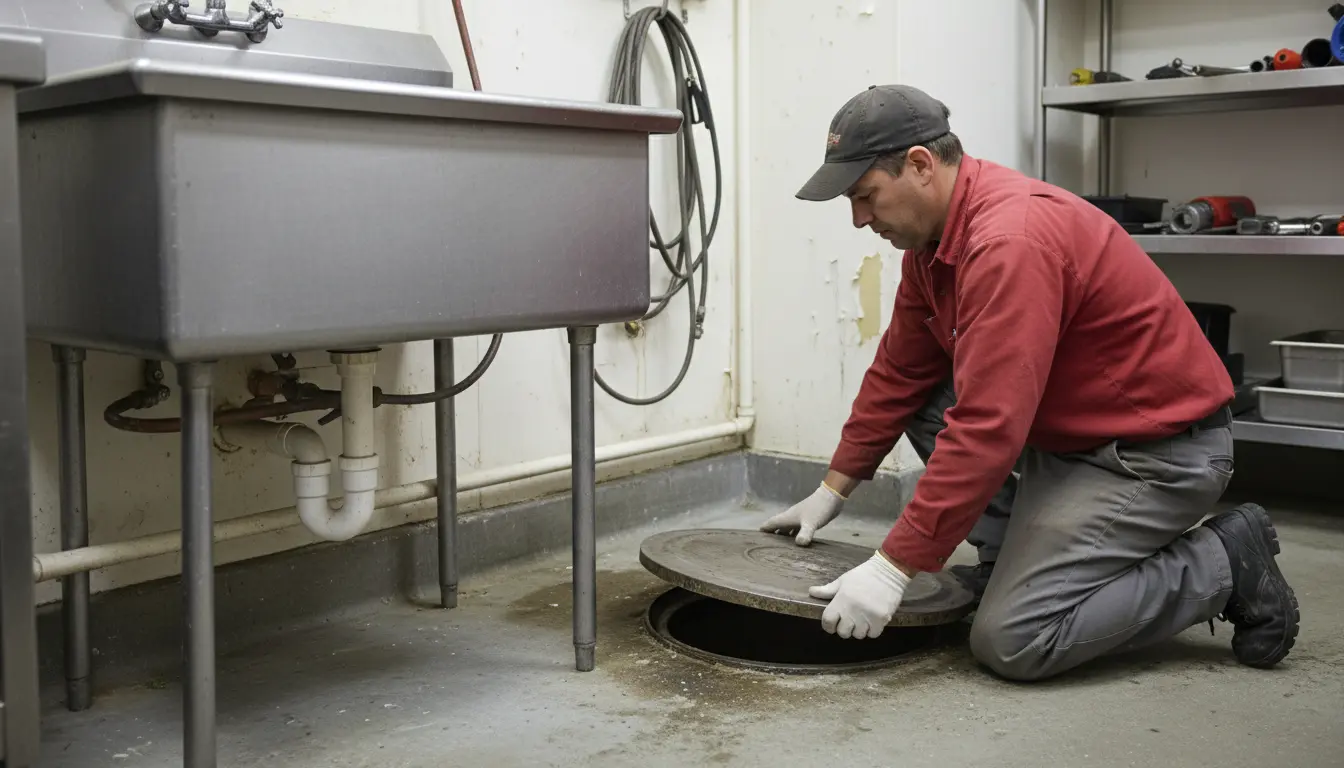
Find the Best Grease Trap Cleaning Companies for Your Business
No obligation • Fast responses • Nationwide coverage

Why you can trust Restaurant Waste Disposal
Restaurant Waste Disposal is a leading U.S. resource for comparing restaurant composting, food-waste recycling, grease trap cleaning, and used cooking oil collection services. Our editorial team researches providers, checks credentials, and organizes unbiased information so operators can make informed decisions. Companies cannot pay to change ratings or placement.
Search providers near you
Top Grease Trap Cleaning Companies in Modesto, California Ranked
For restaurant owners and food service operators in Modesto, managing fats, oils, and grease (FOG) is a critical operational and regulatory responsibility. Proper grease interceptor maintenance is not just about avoiding clogs; it's a legal requirement enforced by the City of Modesto's Environmental Compliance Section (ECS) to protect the local sewer system from costly blockages and environmental damage. A proactive approach to grease trap service, combining regular professional cleaning with diligent in-house practices, is the most effective way to ensure compliance, avoid penalties, and control long-term costs. This guide outlines the specific rules for Modesto businesses and provides actionable strategies for maintaining an efficient and compliant kitchen.
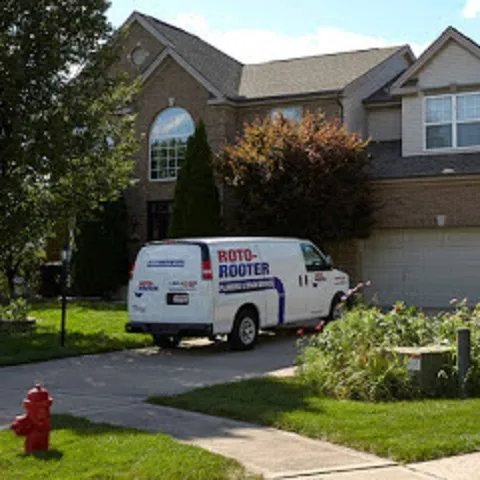
Roto-Rooter Plumbing & Water Cleanup
95 W 11th St #204A, Tracy, CA 95376
Roto-Rooter Plumbing & Water Cleanup provides a wide range of plumbing services in Tracy, CA, including residential and commercial plumbing, sewer and drain cleaning, water heater repair, and grease trap maintenance. The company is experienced in handling local plumbing challenges and codes, offering specialized services such as hydro-jetting and no-dig sewer line replacement. Established in 1935, Roto-Rooter has a long history of plumbing expertise and offers 24/7 emergency plumbing services to address urgent issues like burst pipes and sewer backups.
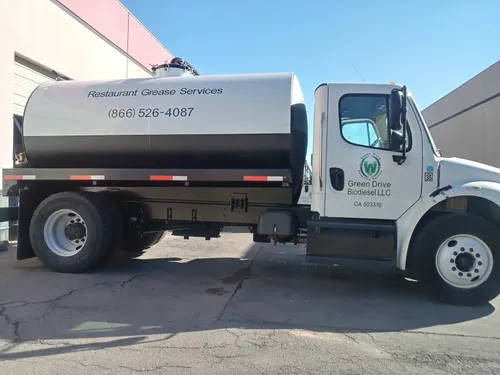
Green Drive Biodiesel LLC
252 W Larch Rd Suit G, Tracy, CA 95304
Green Drive Biodiesel LLC is a company based in Stockton, CA, specializing in used cooking oil collection and grease trap cleaning. They serve food vendors by providing containers for waste cooking oil and managing grease trap maintenance. Their services focus on environmentally responsible disposal and recycling of cooking waste.
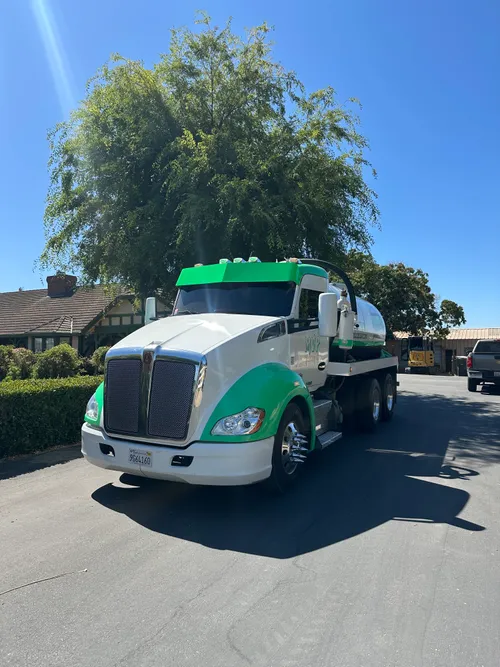
Mountain Valley Pumping
581 Hi Tech Pkwy, Oakdale, CA 95361
Mountain Valley Pumping provides septic tank pumping, grease trap cleaning, system inspections, and repairs in San Jose, CA. They serve commercial and industrial clients, including restaurants and food processing plants, with services like lift station pumping and line locating. The company uses up-to-date pumping technology and offers 24-hour emergency availability to handle urgent needs.
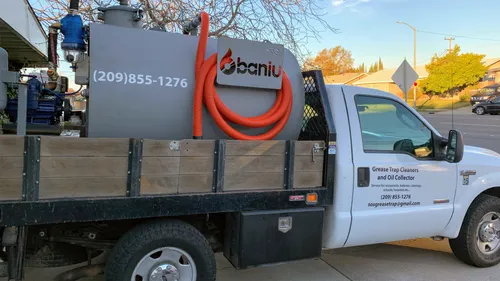
Grease Trap Cleaners and Oil Collector
722 Katlin Ct, Tracy, CA 95376
Grease Trap Cleaners and Oil Collector provides grease trap cleaning and used cooking oil collection services in San Jose, CA. The company specializes in maintaining grease traps and safely collecting used cooking oil to support proper waste management and recycling efforts.
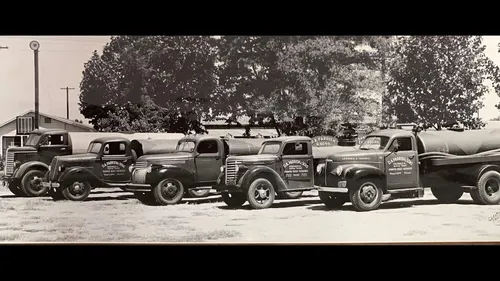
Parrish & Sons Inc
4698 Waterloo Rd, Stockton, CA 95215
Parrish & Sons Inc is a full-service construction and septic system company located in Stockton, CA. Serving San Joaquin and Sacramento Counties, they offer septic system design, installation, pumping, and repair along with foundation drilling, backhoe services, and leach line maintenance. With over 80 years of experience since 1942, Parrish & Sons provides expert solutions for both residential and commercial properties, combining construction and septic expertise to meet diverse property needs.
Understanding Modesto's FOG Control Program
The City of Modesto mandates that all food service establishments with grease retention devices participate in its Fats, Oils, and Grease (FOG) control program. The primary goal is to prevent grease from entering the public sewer lines, where it can solidify, cause blockages, and lead to sanitary sewer overflows (SSOs). Enforcement falls under the jurisdiction of the Environmental Compliance Section, which conducts inspections and reviews maintenance records to ensure adherence to city ordinances.
Key components of the program include:
- Mandatory Maintenance Logs: Every business must keep a detailed, up-to-date log for each grease trap or interceptor. This log must document every service event, including the date, the amount of grease and solids removed, and the name of the service provider.
- Accessibility Requirements: All grease control devices must be easily accessible for cleaning, inspection, and maintenance by both your service provider and city inspectors. Obstructed or buried traps are a violation 1.
- Kitchen Best Practices: Rules explicitly prohibit pouring FOG down any drain. Establishments are required to implement practices such as scraping plates into the trash, using sink strainers, and collecting waste cooking oil in dedicated containers for proper disposal or recycling 2.
Determining Your Grease Interceptor Service Frequency
One of the most common questions is, "How often should my grease trap be pumped?" In Modesto, the official standard is "as often as necessary" to prevent FOG from discharging into the sewer. This frequency is determined by your kitchen's volume, menu, and practices. The ECS provides general guidelines, but your specific needs may vary.
- General Guidelines: For internal grease traps (often under sinks), manual skimming of floating grease should be done weekly, with a full pump-out and cleaning typically required every 1 to 3 months. For larger exterior grease interceptors, service is often needed quarterly (every 3 months) or even more frequently for high-volume establishments 3.
- The Role of Maintenance Logs: Your service history is the best indicator. By tracking how much FOG is removed at each service, a pattern emerges. If your trap is consistently 75-90% full at each scheduled service, your frequency is correct. If it's overflowing or completely packed, you need more frequent service 4.
- The Inspection Test: City inspectors may check your trap's condition. A well-maintained interceptor will have distinct layers: floating grease (FOG) on top, clarified water in the middle, and settled solids at the bottom. Excessive accumulation in any layer signals inadequate maintenance.
The Cost of Compliance vs. The Price of Neglect
Investing in regular grease trap maintenance is a predictable operating expense that pales in comparison to the costs of non-compliance. Typical pumping and cleaning services in the Modesto area can range from $200 to $500 or more per service, depending heavily on the size and location of the interceptor and the volume of waste removed 5.
- Preventative Savings: A scheduled quarterly service contract might cost between $250 and $400 per month, depending on service frequency and trap size. This is a budgetable expense that keeps your system functioning and your business in good standing.
- Emergency Call-Out Costs: Neglecting maintenance leads to backups, overflows, and clogged lines. An emergency service call to address a severe blockage or an urgent pump-out can easily cost $800 to $1,200 or more, not including potential fines or repair costs for damaged plumbing 6.
- Regulatory Penalties: Failure to maintain proper logs or keep your grease interceptor in compliance can result in significant fines from the City of Modesto. Repeated violations can lead to more severe enforcement actions.
Find the perfect grease trap cleaning companies for your needs
Get personalized recommendations and expert advice
Building an Effective FOG Management Plan
A comprehensive plan goes beyond just scheduling pump-outs. It involves your entire staff and integrates with your daily kitchen operations.
1. Establish a Professional Service Agreement: Contract with a licensed, local grease trap cleaning provider, such as Clark's Septic Service Inc. or similar companies familiar with Modesto's ECS requirements. A formal agreement ensures regular, reliable service and provides you with the necessary documentation for your logs.
2. Implement Rigorous In-Kitchen Practices:
- Train All Staff: Educate every dishwasher, cook, and prep person on the importance of keeping FOG out of drains. Post clear "No Grease" signs above sinks.
- Use Pre-Scraping and Dry Wiping: Scrape all food scraps into a compost or trash bin before washing. Use paper towels to wipe greasy pans and dishes before they are rinsed.
- Maintain Grease Collection Containers: Provide dedicated, labeled containers for collecting used fryer oil and pan grease. Partner with a grease recycling company to have it collected responsibly 7.
3. Document Meticulously: Your maintenance log is your first line of defense during an inspection. After every service, immediately file the work ticket or report from your provider. Note the date, gallons of grease/solids removed, and the next scheduled service date. Keep these logs on-site and readily available 8.
4. Schedule Based on Data, Not Guesswork: Review your service logs quarterly. Is the amount of waste removed increasing? Discuss trends with your service provider. Optimizing your cleaning schedule based on actual data can prevent over-servicing (saving money) or under-servicing (preventing problems).
Navigating City Inspections
Inspections by the Environmental Compliance Section are a routine part of operating a food service business in Modesto. Being prepared is straightforward if you are proactive.
- What Inspectors Review: They will ask to see your grease trap maintenance logs, visually inspect the accessibility and condition of your interceptor, and may check for proper kitchen practices regarding FOG disposal 9 10.
- How to Ensure a Smooth Inspection: Always have your current logs organized and on hand. Ensure the area around your grease interceptor is clear and accessible. Demonstrate staff knowledge by having a manager explain your in-house FOG prevention practices.
By viewing grease interceptor maintenance as an essential component of your restaurant's operational excellence, you protect your business from unexpected costs, maintain a positive standing with the city, and contribute to Modesto's community infrastructure.
Frequently asked questions
Sources
Footnotes
-
City of Modesto - Environmental Compliance Section - https://mode-trk.aspgov.com/eTRAKiT/viewAttachment.aspx?Group=PERMIT&ActivityNo=BLD2022-04464&key=EPRS%3A230509023448199 ↩
-
California Health and Safety Code § 114201 (2024) - Justia Law - https://law.justia.com/codes/california/code-hsc/division-104/part-7/chapter-7/article-2/section-114201/ ↩
-
How to Clean a Grease Trap (and How Often You Should) - https://greaseconnections.com/how-to-clean-a-grease-trap-and-how-often-you-should/ ↩
-
Establishing a Grease Trap Cleaning and Servicing Schedule for ... - https://jpgreasetrap.com/establishing-a-grease-trap-cleaning-and-servicing-schedule-for-your-commercial-kitchen/ ↩
-
Modesto Grease Trap Pumping | Clark Septic Service - https://www.clarksepticservice.com/grease-trap-pumping ↩
-
Ultimate Grease Trap Pumping Cost Guide: Essential Money-Saving ... - https://www.texwaywastewater.com/grease-trap-pumping-cost/ ↩
-
Grease Trap Cleaning Guide for Restaurant Owners - https://neworleansgreasetrapcleaning.com/grease-trap-cleaning-guide-for-restaurant-owners/ ↩
-
City of Modesto - https://mode-trk.aspgov.com/eTRAKiT/viewAttachment.aspx?Group=PERMIT&ActivityNo=BLD2025-00794&key=EPR%3A25030612053213 ↩
-
Wastewater Pretreatment for Fats, Oils and Grease - https://www.modestogov.com/2635/For-Fats-Oils-and-Grease ↩
-
Restaurant Standard Operating Procedures example - City of ... - https://www.yumpu.com/en/document/view/32829860/restaurant-standard-operating-procedures-example-city-of-modesto ↩