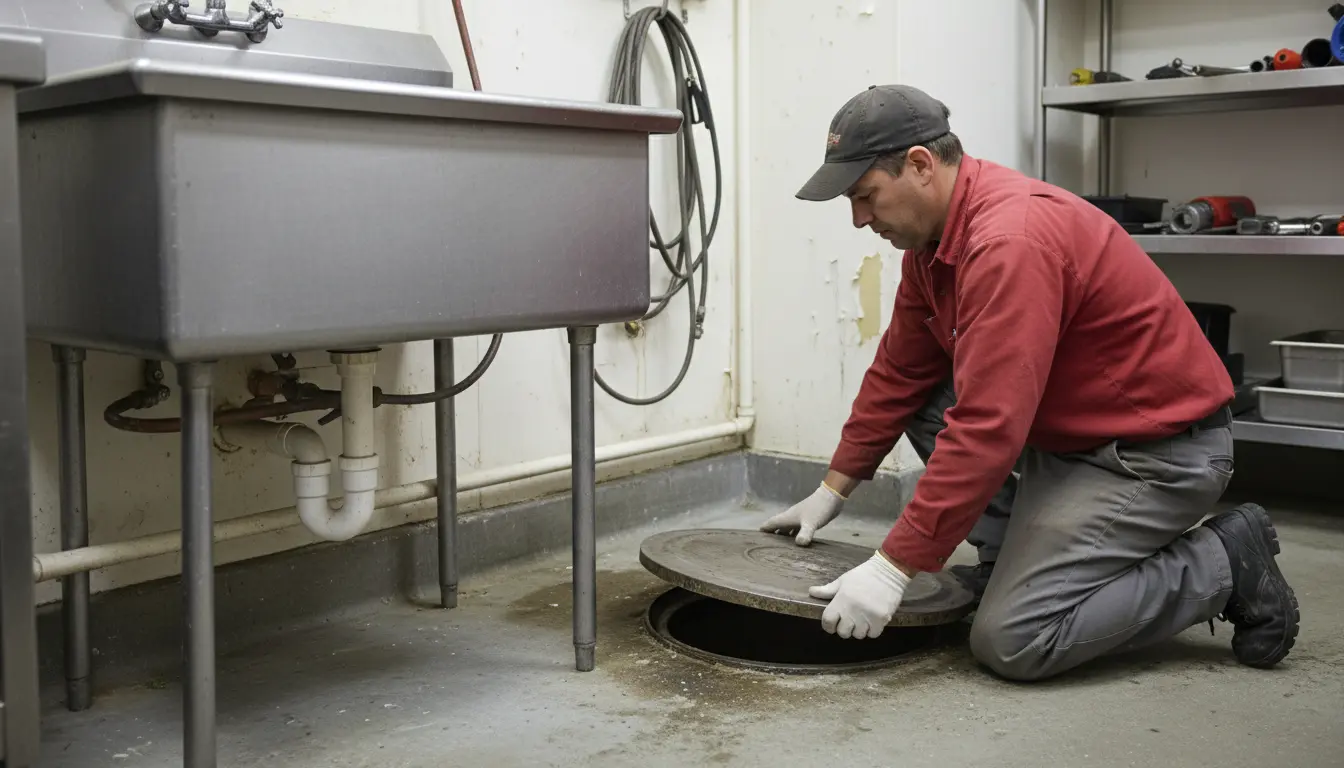
Find the Best Grease Trap Cleaning Companies for Your Business
No obligation • Fast responses • Nationwide coverage

Why you can trust Restaurant Waste Disposal
Restaurant Waste Disposal is a leading U.S. resource for comparing restaurant composting, food-waste recycling, grease trap cleaning, and used cooking oil collection services. Our editorial team researches providers, checks credentials, and organizes unbiased information so operators can make informed decisions. Companies cannot pay to change ratings or placement.
Search providers near you
Top Grease Trap Cleaning Companies in Milpitas, California Ranked
For restaurant owners and food service operators in Milpitas, managing fats, oils, and grease (FOG) is a critical operational and legal responsibility. The City of Milpitas enforces strict regulations on grease interceptor and grease trap maintenance to protect the public sewer system from costly blockages and environmental overflows. Proactive, documented cleaning isn't just a best practice-it's a codified requirement with specific schedules, rules, and inspection protocols. Understanding these local mandates and partnering with a reliable service provider is the most effective way to ensure compliance, avoid significant fines, and keep your kitchen running smoothly.
Roto-Rooter Plumbing & Water Cleanup
1780 Whipple Rd Ste 203G, Union City, CA 94587
Roto-Rooter Plumbing & Water Cleanup provides comprehensive plumbing and water cleanup services in San Jose, CA. They serve both residential and commercial clients, offering a wide range of solutions including grease trap cleaning, sewer and drain cleaning, water heater repair and installation, and emergency flood services. The company uses advanced plumbing technology and equipment to handle complex plumbing systems and offers 24/7 emergency plumbing support to address urgent issues such as burst pipes and sewer backups. Roto-Rooter is licensed and insured, serving the local community with expertise and a commitment to compliance with local codes.
Caccia Home Services
1660 Gilbreth Rd, Burlingame, CA 94010
Caccia Home Services is a plumbing and home services provider based in San Mateo, CA. They offer a wide range of services including grease trap cleaning, hydro jetting, sewer line repair, water treatment, and emergency plumbing. Their capabilities include trenchless sewer services and installation and maintenance of water heaters, including tankless and heat pump models. The company also provides electrical services such as EV charger installation and lighting upgrades. Caccia Home Services is known to respond to emergency plumbing needs.
Roto-Rooter Plumbing & Water Cleanup
41111 Mission Blvd Ste 202, Fremont, CA 94539
Roto-Rooter Plumbing & Water Cleanup is a plumbing company serving San Jose, CA, and nearby communities including Fremont, Sunol, Pleasanton, Milpitas, and Warm Springs. They provide a wide range of plumbing services for residential and commercial clients, including drain cleaning, water heater repair, emergency plumbing, and grease trap cleaning. The company offers 24/7 emergency plumbing services and uses advanced equipment such as high-pressure water jetting (hydro-jetting) for effective drain maintenance. Established in 1935, Roto-Rooter has a long history of serving customers with professional plumbing solutions.
Roto-Rooter Plumbing & Water Cleanup
5717 Brisa St, Livermore, CA 94550
Roto-Rooter Plumbing & Water Cleanup provides comprehensive plumbing services in San Jose, CA, specializing in both residential and commercial plumbing needs. Their offerings include floodwater cleanup, sewer and drain cleaning, water heater repair and installation, grease trap maintenance, and emergency plumbing services. They utilize advanced techniques such as hydro-jetting and trenchless sewer line repair to address complex plumbing issues. Serving the San Jose area and surrounding counties, Roto-Rooter is available 24/7 for emergency plumbing support to quickly respond to urgent situations.
Roto-Rooter Plumbing & Water Cleanup
220 Demeter St, East Palo Alto, CA 94303
Roto-Rooter Plumbing & Water Cleanup offers comprehensive residential and commercial plumbing services in San Jose, CA. Their experienced team handles installations, repairs, maintenance, and emergency plumbing issues including sewer line cleaning, water heater repair, and grease trap cleaning. They use advanced techniques such as hydro-jetting and trenchless sewer line repair to address complex plumbing challenges. Serving San Jose and surrounding communities, Roto-Rooter is available 24/7, 365 days a year for routine and emergency plumbing needs.
Understanding Milpitas' Grease Control Regulations
The City's Municipal Code (Article VIII-2-5.30) provides the framework for all food service establishments. The primary goal is to prevent FOG from entering and congealing in the sewer lines, which can lead to severe blockages, sewer backups into streets or businesses, and expensive emergency repairs for the City-costs that are ultimately passed on to non-compliant businesses. City inspectors conduct regular checks to verify that establishments are adhering to the maintenance and record-keeping rules.
The regulations differentiate between two main types of equipment:
- Grease Traps: These are typically smaller units, often found under sinks or in kitchen areas. They are designed to capture grease from a single fixture or a small set of fixtures.
- Grease Interceptors: These are larger, usually in-ground or exterior tanks that handle FOG waste from the entire kitchen's plumbing system.
Regardless of the type, the core principle in Milpitas is preventative maintenance based on both time and accumulation.
Mandatory Cleaning Frequencies and the 25% Rule
Your required service schedule is not a vague guideline; it is clearly defined by law. The City mandates minimum cleaning frequencies, but also imposes a critical performance-based rule that often requires more frequent attention.
- Monthly Cleaning: Smaller grease traps must be cleaned at least every 30 days 1.
- Quarterly Pumping: Larger grease interceptors must be pumped out at least every 90 days.
- The Critical 25% Rule: This is a non-negotiable requirement that supersedes the time-based schedules. Both traps and interceptors must be cleaned when the combined FOG and settled solids accumulate to 25% of the liquid depth of the unit 2 3. This means even if it hasn't been 30 or 90 days, if your interceptor is a quarter full of grease and sludge, it must be serviced immediately. Regular monitoring is essential.
Furthermore, your grease removal device must remain easily accessible at all times for inspection and servicing. Blocking access with equipment, inventory, or debris is a violation of the code.
The Importance of Documentation and Record Keeping
In the eyes of a Milpitas city inspector, if you didn't document it, it didn't happen. Proper record-keeping is a pillar of compliance. The City requires businesses to maintain detailed logs of every grease interceptor pumping and grease trap cleaning service.
These records must include, at a minimum:
- The date of service.
- The name and contact information of the service company or person performing the work.
- The disposal method and location (e.g., the name of the wastewater treatment plant or rendering company).
- The volume of grease, scum, and solids removed.
These records must be kept on-site for a minimum of three years and be readily available for review during an inspection. Failure to produce these documents can result in citations and fines just as easily as a clogged interceptor can.
Recognizing Signs You Need Service Sooner
While adhering to the schedule is paramount, being attuned to your kitchen's performance can help you avoid compliance issues and operational headaches. If you notice any of the following, it may indicate your grease control system is failing or needs immediate attention, even before the scheduled service:
- Slow Draining: Sinks, floor drains, or dish pits that drain sluggishly.
- Odors: Foul, rancid smells emanating from drains or near the interceptor location.
- High Liquid Levels: Visibly high water or grease levels in the interceptor tank.
- Grease in Drain Lines: Visible grease buildup in pipes or at drain openings.
These symptoms suggest that FOG is already escaping your containment device and threatening your plumbing and the public sewer. Addressing them promptly can prevent a minor issue from becoming a major violation or an expensive emergency.
Find the perfect grease trap cleaning companies for your needs
Get personalized recommendations and expert advice
Cost Considerations for Grease Trap Maintenance
Investing in regular maintenance is far more cost-effective than dealing with the consequences of neglect. The cost for routine grease interceptor pumping or trap cleaning in Milpitas varies based on the size of the unit, its accessibility, and the volume of waste. For standard preventative maintenance, businesses can expect costs to range from approximately $175 to $400 or more per service 4.
It's important to view this as a necessary operational expense. High-volume kitchens, such as busy diners, fast-food establishments, or those serving cuisine with high grease content, may require service every two weeks or weekly to stay compliant with the 25% rule 5 6. Emergency service calls for a clogged or overflowing interceptor, especially if it causes a sewer issue, can cost several times more than a scheduled pump-out and often come with city-imposed fines on top of the service bill 7 8 9.
Choosing a Service Provider for Compliance
Selecting the right service company is a strategic decision. A reputable local provider will do more than just pump out grease; they will be a partner in your compliance efforts. Look for a service that:
- Understands and adheres to Milpitas' specific municipal codes.
- Provides detailed, professional service reports that include all information required for your 3-year record log.
- Offers flexible scheduling to match your kitchen's production levels.
- Ensures proper, legal disposal of the collected FOG waste at approved facilities.
Many local companies specialize in serving the Milpitas area and can set up automated quarterly or monthly schedules with detailed reporting, taking the guesswork and administrative burden off your shoulders. This proactive partnership is the best defense against non-compliance and the associated risks.
Consequences of Non-Compliance
The City of Milpitas takes grease control seriously due to the significant public infrastructure and environmental risks. Enforcement actions are designed to compel compliance. Consequences for failing to maintain your grease control system, keep records, or allow inspections can include:
- Formal Notices of Violation: Official documentation of your non-compliance.
- Substantial Fines: Monetary penalties that increase if violations are not corrected.
- Emergency Clean-Up Costs: If your establishment's FOG contributes to a sewer line blockage or sanitary sewer overflow (SSO), the City will remediate the issue and charge all related costs back to your business 10.
- Operational Disruption: In severe cases, the City has the authority to take action that may affect your business operations until compliance is achieved.
Staying ahead of the requirements through scheduled maintenance and diligent record-keeping is the only reliable way to avoid these costly and stressful outcomes.
Frequently asked questions
Sources
Footnotes
-
Grease Trap Cleaning For California Restaurants - https://cacciaplumbing.com/blog/grease-trap-cleaning-california-restaurants/ ↩
-
Grease Trap Maintenance | Milpitas.gov - https://www.milpitas.gov/DocumentCenter/View/2296/Grease-Trap-Maintenance-PDF ↩
-
CITY OF MILPITAS - https://www.milpitas.gov/DocumentCenter/View/2294/Grease-Removal-Device-Certification-PDF ↩
-
Grease Trap Cleaning Milpitas CA - A-1 Septic Tank Service Inc - https://www.a1tank.net/service-map/grease-trap-cleaning-milpitas-ca/ ↩
-
Grease Trap Pumping San Francisco - North Bay Restaurant Services - https://northbayrestaurantservices.com/grease-trap-pumping-san-francisco/ ↩
-
Grease Trap Cleaning in Milpitas CA | Grease Interceptor Pumping - https://greasetrapcleaningcupertino.com/milpitas-ca.html ↩
-
Grease Inspections | Milpitas, CA - https://www.milpitas.gov/739/Grease-Inspections ↩
-
Ultimate Grease Trap Pumping Cost Guide: Essential Money-Saving ... - https://www.texwaywastewater.com/grease-trap-pumping-cost/ ↩
-
The Cost To Clean A Grease Trap For Restaurants - https://thegreasecompany.com/blog/greasetrapcleaningcost/ ↩
-
12.20.220. Grease trap requirements. - https://codelibrary.amlegal.com/codes/fullerton/latest/fullerton_ca/0-0-0-18563 ↩