
Find the Best Grease Trap Cleaning Companies for Your Business
No obligation • Fast responses • Nationwide coverage

Why you can trust Restaurant Waste Disposal
Restaurant Waste Disposal is a leading U.S. resource for comparing restaurant composting, food-waste recycling, grease trap cleaning, and used cooking oil collection services. Our editorial team researches providers, checks credentials, and organizes unbiased information so operators can make informed decisions. Companies cannot pay to change ratings or placement.
Search providers near you
Top Grease Trap Cleaning Companies in Livermore, California Ranked
For restaurant owners and kitchen managers in Livermore, maintaining your grease interceptor is a critical, non-negotiable part of daily operations. Proper grease trap maintenance is not just about avoiding unpleasant odors or slow drains; it's a legal requirement enforced by local and state authorities to protect the city's wastewater infrastructure. Neglecting this essential service can lead to severe blockages, environmental harm, and significant financial penalties. This guide outlines the specific regulations, best practices, and local considerations for effective grease management in Livermore, helping you ensure compliance and smooth kitchen operations.
Local enforcement is managed through a collaboration between the City of Livermore Public Works and the Zone 7 Water Agency, which oversees wastewater management for the area 1. These entities enforce standards based on the California Health and Safety Code and the Livermore Municipal Code. Staying ahead of their inspection schedules by maintaining impeccable records is the key to avoiding violations.
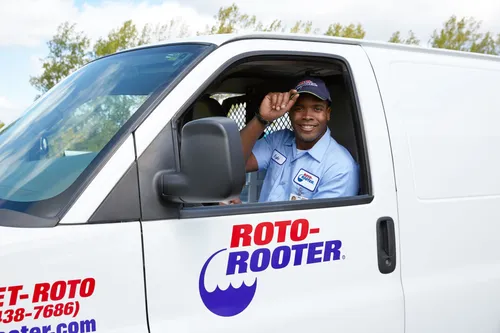
Roto-Rooter Plumbing & Water Cleanup
1780 Whipple Rd Ste 203G, Union City, CA 94587
Roto-Rooter Plumbing & Water Cleanup provides comprehensive plumbing and water cleanup services in San Jose, CA. They serve both residential and commercial clients, offering a wide range of solutions including grease trap cleaning, sewer and drain cleaning, water heater repair and installation, and emergency flood services. The company uses advanced plumbing technology and equipment to handle complex plumbing systems and offers 24/7 emergency plumbing support to address urgent issues such as burst pipes and sewer backups. Roto-Rooter is licensed and insured, serving the local community with expertise and a commitment to compliance with local codes.
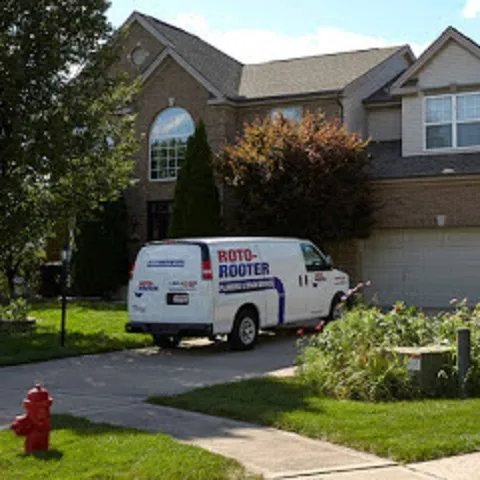
Roto-Rooter Plumbing & Water Cleanup
95 W 11th St #204A, Tracy, CA 95376
Roto-Rooter Plumbing & Water Cleanup provides a wide range of plumbing services in Tracy, CA, including residential and commercial plumbing, sewer and drain cleaning, water heater repair, and grease trap maintenance. The company is experienced in handling local plumbing challenges and codes, offering specialized services such as hydro-jetting and no-dig sewer line replacement. Established in 1935, Roto-Rooter has a long history of plumbing expertise and offers 24/7 emergency plumbing services to address urgent issues like burst pipes and sewer backups.
Roto-Rooter Plumbing & Water Cleanup
1210 Central Blvd Ste 123, Brentwood, CA 94513
Roto-Rooter Plumbing & Water Cleanup provides comprehensive plumbing and water cleanup services in Antioch, CA. Their offerings cover residential and commercial plumbing needs, including grease trap cleaning, sewer line repairs, water heater installation and repair, floodwater cleanup, and mold remediation. The company is equipped with advanced tools like hydro-jetting for drain cleaning and offers 24/7 emergency plumbing services to address urgent issues such as burst pipes and sewer backups. Serving Antioch and surrounding areas, Roto-Rooter is experienced in handling complex plumbing systems and environmental factors affecting local infrastructure.
Roto-Rooter Plumbing & Water Cleanup
1130 N Broadway Ste 200C, Walnut Creek, CA 94596
Roto-Rooter Plumbing & Water Cleanup provides comprehensive plumbing services in Oakland, CA, covering residential and commercial needs. Their offerings include drain cleaning, sewer line repair and replacement, grease trap cleaning, water heater installation and repair, floodwater cleanup, and mold remediation. The company is equipped to handle complex commercial plumbing systems and offers specialized services such as hydro-jetting and trenchless sewer line repairs. Roto-Rooter serves the Oakland area and surrounding counties with 24/7 emergency plumbing availability to address urgent issues any time of day or night.
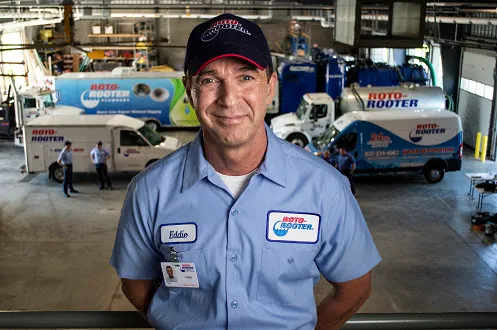
Roto-Rooter Plumbing & Water Cleanup
41111 Mission Blvd Ste 202, Fremont, CA 94539
Roto-Rooter Plumbing & Water Cleanup is a plumbing company serving San Jose, CA, and nearby communities including Fremont, Sunol, Pleasanton, Milpitas, and Warm Springs. They provide a wide range of plumbing services for residential and commercial clients, including drain cleaning, water heater repair, emergency plumbing, and grease trap cleaning. The company offers 24/7 emergency plumbing services and uses advanced equipment such as high-pressure water jetting (hydro-jetting) for effective drain maintenance. Established in 1935, Roto-Rooter has a long history of serving customers with professional plumbing solutions.
Understanding Local Regulations and Enforcement
In Livermore, your primary regulatory contacts are the Zone 7 Water Agency and the Livermore Public Works Department. They adopt and enforce the state's foundational rules, which are detailed in the California Health and Safety Code § 114201. This code sets the baseline, but local authorities have the power to implement stricter requirements and conduct inspections.
Who Conducts Inspections? Routine and surprise inspections are carried out by officials from the local health department or the wastewater agency (Zone 7). During an inspection, they will:
- Request to see your detailed service records for the past three years or more.
- Physically inspect the trap for proper capacity, signs of leaks, or blockages.
- Verify that the interceptor is easily accessible for service, as required by code.
Consequences of Non-Compliance Failing an inspection is costly. Enforcement actions typically begin with a formal citation and a fine. In severe cases, where a neglected trap causes a sewer backup or environmental issue, the business can be held responsible for emergency clean-up costs and may even face a temporary suspension of operations until the problem is rectified 2. Proactive, documented maintenance is your best defense.
Determining Your Service Frequency
A common question is, "How often should I have my grease interceptor pumped?" The legal answer is not based on a fixed timeline but on capacity. California law, and by extension Livermore's enforcement, mandates pumping when fats, oils, grease (FOG), and solids accumulate to 25% of the interceptor's liquid depth 3 4 5.
For most active restaurant kitchens in Livermore, this 25% threshold is typically reached every 1 to 3 months. However, several factors influence this:
- Volume of Cooking: High-volume fryers and grills accelerate FOG accumulation.
- Trap Size: A smaller, under-sized trap will fill much faster than a properly sized one.
- Kitchen Practices: Staff training on scraping plates and using sink baskets can significantly reduce solids entering the drain, extending service intervals.
While the frequency is variable, the law is clear: pumping must occur no less than every six months, regardless of apparent capacity 6 7. Establishing a regular service schedule with a licensed provider is the most reliable way to stay compliant.
Service Costs and What to Expect
Budgeting for grease trap maintenance is a predictable operational cost. Prices vary based on several factors, but for a standard service in the Livermore area, restaurants can expect the following ranges:
- Basic Pumping Service: A standard pump-out for a typical indoor or small outdoor trap typically costs between $120 and $385+ per service 8 9 10. This is the most common preventative maintenance.
- Factors Affecting Price:
- Trap Size & Location: Larger outdoor interceptors or hard-to-access traps cost more.
- Service Contract: Many providers offer discounted rates for customers who sign up for regular, scheduled service contracts versus one-time emergency calls.
- Bundled Services: Some companies offer package deals that include used cooking oil collection, which can provide overall savings.
It is crucial to understand that emergency service for a completely clogged or overflowing trap will be substantially more expensive-often two to three times the cost of routine maintenance-due to after-hours rates and the complexity of the job 11 12. Investing in regular pumping is the most cost-effective strategy.
Find the perfect grease trap cleaning companies for your needs
Get personalized recommendations and expert advice
The Importance of Detailed Record-Keeping
Your service invoices are your legal proof of compliance. Both state and local regulations require businesses to maintain detailed records of all grease interceptor cleaning and maintenance for a minimum of three years 13. These records should be readily available for inspection and must include:
- Date of service.
- Company name and license information of the service provider.
- A notation of the volume of waste removed.
- The disposal method or location (e.g., the approved rendering facility).
A reputable service provider will supply a detailed report after each service. Do not accept a simple receipt; insist on documentation that meets regulatory standards. This paper trail is your first and best line of defense during an inspection.
Best Practices for Your Kitchen Staff
While professional pumping is essential, your daily practices greatly impact your trap's health and your service costs. Implementing simple kitchen protocols can reduce the strain on your interceptor:
- Scrape, Don't Rinse: Ensure all plates, pots, and pans are thoroughly scraped into the trash before they enter the dish pit.
- Use Sink Strainers: Install and maintain baskets in all prep and dish sinks to catch food solids.
- Never Pour Grease Down the Drain: Designate a container for cooled fryer oil and kitchen grease, which should be collected by your used cooking oil service.
- Educate Your Team: Regularly train all staff, including dishwashers and prep cooks, on these practices. Their actions directly affect how quickly your trap fills.
Choosing a Service Provider in Livermore
Selecting the right company for grease interceptor maintenance is a critical business decision. Look for a provider that:
- Is fully licensed and insured to operate in Alameda County.
- Has a strong reputation for reliability and compliance documentation.
- Offers clear, detailed service reports that satisfy inspection requirements.
- Can provide references from other local restaurants.
- Offers flexible scheduling for routine maintenance to minimize disruption to your operation.
Taking the time to vet providers ensures you get a service that protects both your plumbing and your compliance status.
Frequently asked questions
Sources
Footnotes
-
SECTION 9 SOURCE CONTROL 9-01 GREASE, OIL AND/OR ... - https://www.centralsan.org/sites/main/files/file-attachments/section_9_source_control_0.pdf ↩
-
The Ultimate Guide to Restaurant Grease Trap Cleaning - https://mokherplumbing.com/ultimate-guide-restaurant-grease-trap-cleaning/ ↩
-
How to Clean a Grease Trap (and How Often You Should) - https://greaseconnections.com/how-to-clean-a-grease-trap-and-how-often-you-should/ ↩
-
Grease Trap Cleaning For California Restaurants - Caccia Plumbing - https://cacciaplumbing.com/blog/grease-trap-cleaning-california-restaurants/ ↩
-
California Health and Safety Code § 114201 (2024) - Justia Law - https://law.justia.com/codes/california/code-hsc/division-104/part-7/chapter-7/article-2/section-114201/ ↩
-
12.20.220. Grease trap requirements. - https://codelibrary.amlegal.com/codes/fullerton/latest/fullerton_ca/0-0-0-18563 ↩
-
Grease Trap Regulations and Compliance: What You Need to Know - https://www.texwaywastewater.com/grease-trap-regulations-and-compliance/ ↩
-
Grease Trap Pumping San Francisco - North Bay Restaurant Services - https://northbayrestaurantservices.com/grease-trap-pumping-san-francisco/ ↩
-
The Cost To Clean A Grease Trap For Restaurants - https://thegreasecompany.com/blog/greasetrapcleaningcost/ ↩
-
Grease Trap Cleaning Prices | Guide on the Industry Average - https://grease-cycle.com/grease-trap-pumping-cost/ ↩
-
Grease Traps for Restaurants: The Essential Guide - https://therestaurantwarehouse.com/blogs/restaurant-equipment/grease-trap-for-restaurant-guide ↩
-
Cost of Cleaning Restaurant Grease Trap - Grease Interceptors - https://thegreasecompany.com/blog/greasetrapcleaningcost/ ↩
-
Restaurant Grease Trap Cleaning FAQs - Mahoney Environmental - https://www.mahoneyes.com/restaurant-grease-trap-cleaning-faqs/ ↩