Find the Best Grease Trap Cleaning Companies for Your Business
No obligation • Fast responses • Nationwide coverage

Why you can trust Restaurant Waste Disposal
Restaurant Waste Disposal is a leading U.S. resource for comparing restaurant composting, food-waste recycling, grease trap cleaning, and used cooking oil collection services. Our editorial team researches providers, checks credentials, and organizes unbiased information so operators can make informed decisions. Companies cannot pay to change ratings or placement.
Search providers near you
Top Grease Trap Cleaning Companies in Jurupa Valley, California Ranked
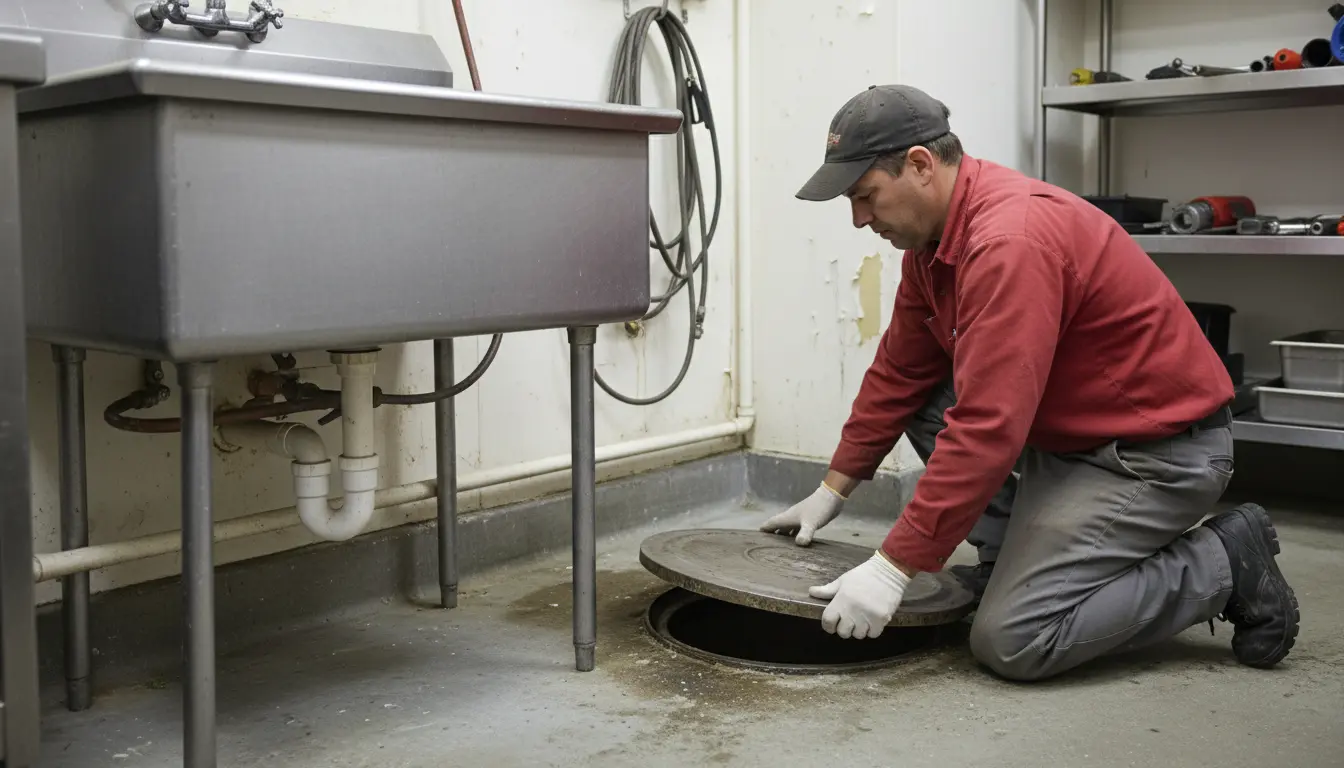
For restaurant owners and kitchen managers in Jurupa Valley, maintaining a clean and compliant grease trap or interceptor is a critical, non-negotiable part of daily operations. These systems are your first line of defense against fats, oils, and grease (FOG) entering the municipal sewer lines, protecting your business from costly backups, fines, and operational shutdowns. Navigating the specific requirements set by California state law and Riverside County enforcement can seem daunting, but with the right information and reliable service partners, you can ensure your establishment runs smoothly and remains in good standing with local health authorities. This guide outlines the essential rules, maintenance schedules, and practical steps for effective FOG management in Jurupa Valley's food service industry.
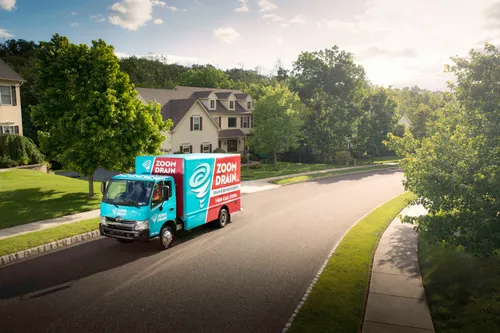
Zoom Drain
15540 Rockfield Blvd C100, Irvine, CA 92618
Zoom Drain is a grease trap cleaning and drain service company based in Los Angeles, CA. They provide residential and commercial drain and sewer cleaning, inspection, repairs, and preventive maintenance. Their services cover clogged drains, sewer pump repair, sump pump replacement, and landscape drain maintenance. Zoom Drain uses advanced technology like hydro jetting to clear blockages, including tree roots, and offers 24/7 emergency services. They serve areas including Anaheim, Irvine, Santa Ana, and throughout Orange County. The company is known for its specialized services in food and hospitality sectors, contractor support, and tailored maintenance plans.
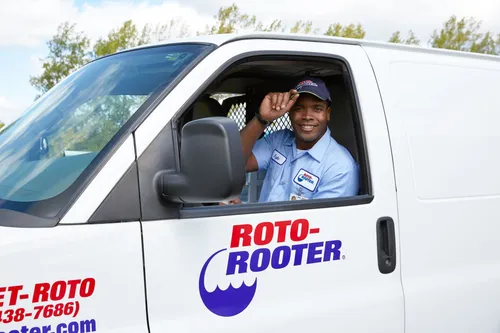
Roto-Rooter Plumbing & Water Cleanup
2050 W Chapman Ave #202, Orange, CA 92868
Roto-Rooter Plumbing & Water Cleanup offers a wide range of plumbing services in Los Angeles, CA, including grease trap cleaning, sewer and drain cleaning, water heater repair, and emergency flood cleanup. The company serves both residential and commercial clients, addressing issues from routine maintenance to urgent repairs. They utilize advanced tools such as HD inspection cameras and hydro-jetting to clear blockages and perform no-dig pipe replacements. Established with a legacy dating back to the invention of the original electric drain snake in 1935, Roto-Rooter provides 24/7 emergency plumbing services to handle urgent situations any time of day or night.
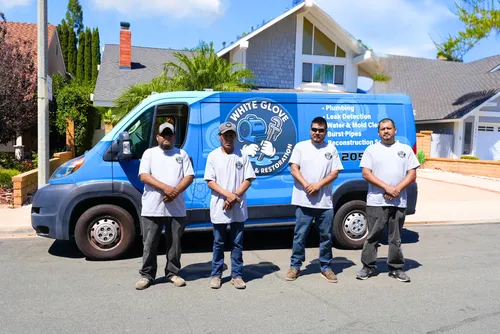
White Glove Plumbing Orange County
1430 E Borchard Ave, Santa Ana, CA 92705
White Glove Plumbing Orange County is a full-service plumbing and restoration company based in Santa Ana, serving residential and commercial clients throughout Los Angeles, CA. They provide a wide range of services including emergency plumbing, leak detection, hydro-jetting, water heater installation, grease trap pumping, sewage cleanup, mold remediation, and water damage restoration. The company offers 24/7 emergency services to quickly address urgent plumbing and restoration needs. Their expertise includes advanced capabilities such as slab leak reroutes, sewer camera inspections, and certified mold remediation. White Glove Plumbing combines plumbing and restoration services to manage repairs and rebuilds efficiently, reducing the need for multiple contractors.
Roto-Rooter Plumbing & Water Cleanup
524 W Commonwealth Ave Ste P, Fullerton, CA 92833
Roto-Rooter Plumbing & Water Cleanup provides comprehensive plumbing services in Los Angeles, CA, specializing in both residential and commercial plumbing needs. Their offerings include drain and sewer line cleaning, grease trap maintenance, water heater repair and installation, floodwater cleanup, mold remediation, and emergency plumbing services. The company is equipped with advanced tools such as high-definition inspection cameras and hydro-jetting equipment to handle complex plumbing challenges. Roto-Rooter has a long history dating back to 1935, known for pioneering innovations like the electric drain snake. They offer 24/7 emergency plumbing support to address urgent issues like burst pipes and sewer backups promptly.
Roto-Rooter Plumbing & Water Cleanup
1131 W 6th St Ste 209, Ontario, CA 91762
Roto-Rooter Plumbing & Water Cleanup provides a wide range of plumbing services in Anaheim, CA, including residential and commercial plumbing, floodwater cleanup, mold remediation, sewer and drain cleaning, and grease trap maintenance. The company is equipped to handle everything from routine repairs to complex installations and uses advanced technologies such as hydro jetting and no-dig pipe replacement to address sewer line issues efficiently. Roto-Rooter offers 24/7 emergency plumbing services to quickly respond to urgent problems like burst pipes, sewer backups, and water heater repairs. Serving Anaheim and surrounding communities, Roto-Rooter combines national expertise with local knowledge to meet diverse plumbing needs.
Understanding Local FOG Management Regulations
Jurupa Valley restaurants must comply with a layered set of regulations designed to protect the city's sewer infrastructure. At the state level, the California Health and Safety Code (HSC) § 114201 sets the foundational rules, mandating that grease interceptors be easily accessible and not located in food preparation areas unless specifically approved. However, day-to-day enforcement and specific ordinance details fall under the jurisdiction of the Riverside County Department of Environmental Health, which serves Jurupa Valley.
It is imperative to contact this department directly for the most current local codes, as they often incorporate standards from the Uniform Plumbing Code (UPC) regarding critical aspects like proper sizing based on your kitchen's flow rate and correct installation with flow control devices 1. A key universal requirement is that grease traps must be readily accessible for cleaning, inspection, and pumping-a poorly located unit can lead to compliance issues and higher service costs2.
Key Requirements for Your Grease Interceptor
Staying compliant starts with understanding what the law requires of your physical system and its maintenance. Here are the core mandates for Jurupa Valley food service establishments:
- Proper Sizing and Installation: Your grease interceptor must be correctly sized for the volume and flow rate of wastewater from your kitchen. An undersized unit will fail prematurely, while an oversized one may not function efficiently. Installation must follow code, typically including a flow control device.
- Accessibility: Health inspectors and service technicians must have clear, unobstructed access to the trap for inspection and cleaning. This is a frequently cited violation during routine checks.
- Prohibited Inputs: To maximize efficiency and lifespan, garbage disposals should ideally not empty into grease interceptors. Introducing solid food waste accelerates the filling of the trap with solids, requiring more frequent and costly cleaning3.
- Maintenance Records: You are required to maintain a detailed log of all grease trap cleaning and pumping services. These records, often provided as a manifest by your service provider, are the primary documentation inspectors will review to verify compliance.
Inspection Schedules and Enforcement: What to Expect
The Riverside County Department of Environmental Health conducts regular inspections of food service facilities. While schedules can vary, many restaurants can expect an annual inspection, though high-volume establishments or those with prior compliance issues may be visited more frequently.
During an inspection, the environmental health specialist will:
- Physically inspect the grease interceptor for accessibility and signs of leakage or overflow.
- Review your maintenance log for proof of regular, professional cleaning.
- Check that the trap is not overfull.
Enforcement actions for non-compliance are serious and escalate quickly. Initial violations typically result in a formal warning and a mandate to correct the issue within a short timeframe. Failure to comply leads to financial penalties, which can be substantial. In severe cases, or for repeated violations, the health department has the authority to suspend your operating permit, resulting in a temporary closure until the grease management system is brought up to code4. Proactive maintenance is far less expensive and disruptive than reactive compliance.
The Grease Trap Cleaning Process: When and How
Knowing when to clean your trap is as important as knowing how. The general rule is that a grease interceptor should be pumped and cleaned when the combined FOG and solids accumulate to 25% of the unit's capacity 5. For most active restaurant kitchens in Jurupa Valley, this translates to a cleaning schedule of every 1 to 3 months, with many high-volume establishments requiring monthly service 6.
A professional cleaning is not a simple pump-out. A thorough service from a licensed provider includes:
- Complete Removal: Pumping out all liquid contents and accumulated solid grease and sludge.
- Interior Cleaning: Scraping and cleaning the walls, baffles, and interior surfaces of the trap to remove clinging FOG.
- Waste Disposal: Transporting the collected waste to an approved facility for rendering or disposal.
- Documentation: Providing you with a detailed service manifest that includes the date, volume removed, and the company's licensing information. This document is your proof of compliance.
Find the perfect grease trap cleaning companies for your needs
Get personalized recommendations and expert advice
Navigating Service Costs and Selecting a Provider
The cost for professional grease trap cleaning in the Inland Empire area varies based on several factors. The primary determinants are the size (capacity) of your interceptor and the frequency of service required. For a standard commercial grease trap, you can expect individual service calls to range from $200 to over $5007. While cost is a factor, the value lies in reliable, documented service that keeps you compliant.
When evaluating grease trap cleaning companies, look for the following:
- Proper Licensing and Insurance: Ensure they are licensed to operate in Riverside County and carry adequate insurance.
- Local Knowledge: Providers familiar with Jurupa Valley and Riverside County inspectors understand local nuances and expectations.
- Detailed Documentation: They should automatically provide a thorough service manifest after every cleaning.
- Assessment Capability: A reputable company can assess your trap and recommend an appropriate, compliant maintenance schedule.
Your Action Plan for Compliance
- Confirm Local Codes: Your first step should be to contact the Riverside County Department of Environmental Health to confirm Jurupa Valley's specific grease interceptor ordinances and any recent updates.
- Assess Your System: Determine the size, location, and current state of your grease trap. If you're unsure, a professional assessment is wise.
- Establish a Service Partnership: Hire a licensed, reputable grease trap cleaning service from the Inland Empire area. Schedule regular cleanings based on their recommendation and your observed usage.
- Maintain Impeccable Records: File every service manifest in a dedicated, easily accessible log. This is your best defense during an inspection.
- Train Your Staff: Educate kitchen staff on best practices for minimizing FOG discharge, such as scraping plates into trash bins before washing and avoiding pouring grease down drains.
Proactive management of your grease interceptor is a cornerstone of responsible restaurant operation in Jurupa Valley. By understanding the rules, partnering with a qualified service provider, and maintaining diligent records, you protect your business from risk and contribute to the health of the community's infrastructure.
Frequently asked questions
Sources
Footnotes
-
1003.3 Grease Traps and Grease Interceptors - UpCodes - https://up.codes/s/grease-traps-and-grease-interceptors ↩
-
Where Should You Place Your Grease Trap? A Guide to Ideal Locations - https://www.greaseguardianusa.com/2025/01/03/where-should-you-place-your-grease-trap-a-guide-to-ideal-locations/ ↩
-
Grease Trap Inspection - InterNACHI® - https://www.nachi.org/grease-trap-inspection.htm ↩
-
California Health and Safety Code § 114201 (2024) - Justia Law - https://law.justia.com/codes/california/code-hsc/division-104/part-7/chapter-7/article-2/section-114201/ ↩
-
HYDROMECHANICAL GREASE INTERCEPTOR (HGI ... - https://www.spokanecounty.gov/DocumentCenter/View/51138/Hydromechanical-Grease-Interceptor-HGI-Maintenance---English?bidId= ↩
-
Preventive Maintenance for Restaurants: 5 Key Programs and Services - https://blog.mcs360.com/restaurant-maintenance-5-key-programs-and-services ↩
-
Restaurant Grease Trap Cleaning FAQs - Mahoney Environmental - https://www.mahoneyes.com/restaurant-grease-trap-cleaning-faqs/ ↩