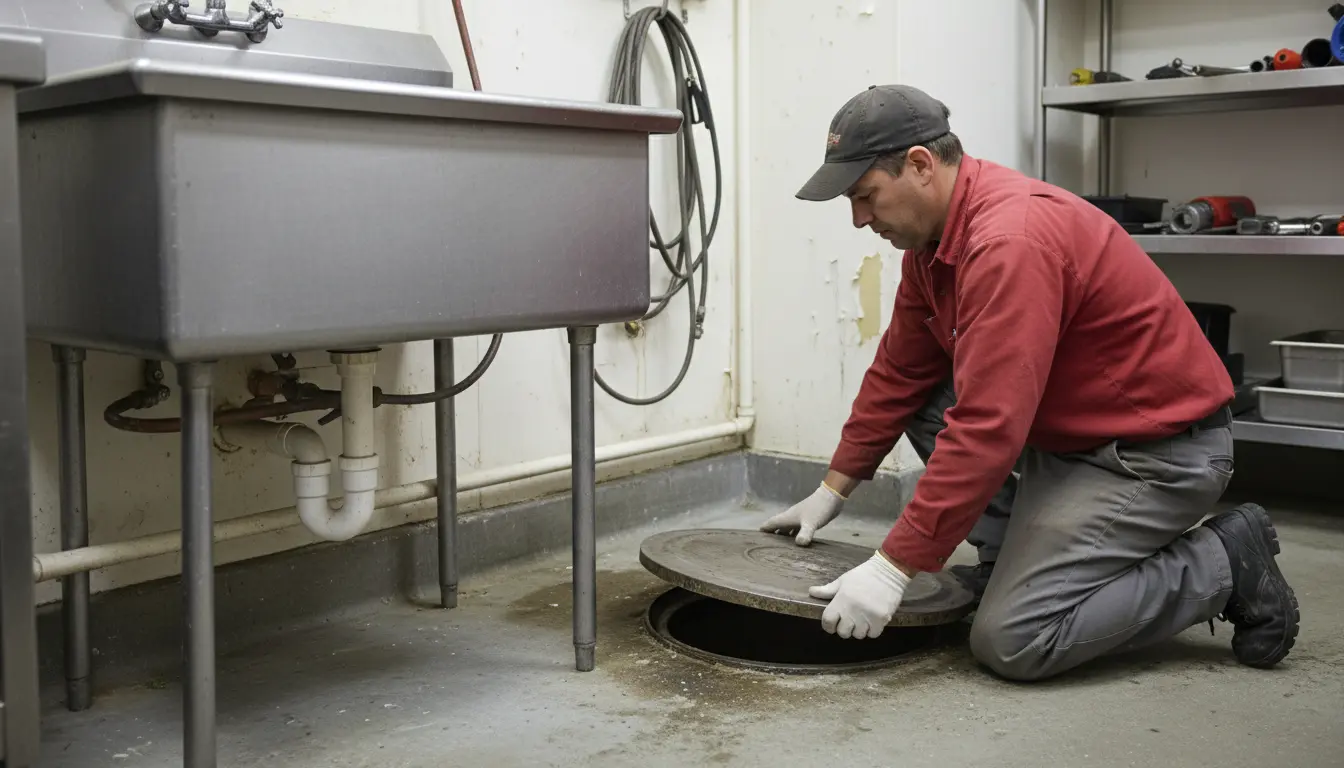
Find the Best Grease Trap Cleaning Companies for Your Business
No obligation • Fast responses • Nationwide coverage

Why you can trust Restaurant Waste Disposal
Restaurant Waste Disposal is a leading U.S. resource for comparing restaurant composting, food-waste recycling, grease trap cleaning, and used cooking oil collection services. Our editorial team researches providers, checks credentials, and organizes unbiased information so operators can make informed decisions. Companies cannot pay to change ratings or placement.
Search providers near you
Top Grease Trap Cleaning Companies in Huntington Beach, California Ranked
For restaurant owners and food service operators in Huntington Beach, managing fats, oils, and grease (FOG) is a critical operational and legal responsibility. Proper grease interceptor maintenance is not just about preventing clogs in your own plumbing; it's a key component of protecting the city's sewer system and complying with local ordinances. The City of Huntington Beach enforces a specific FOG Program designed to prevent sewer overflows and environmental damage, which includes clear rules on cleaning frequency, maintenance standards, and regular inspections. Understanding these requirements and establishing a reliable service schedule is essential for smooth kitchen operations and avoiding costly penalties.
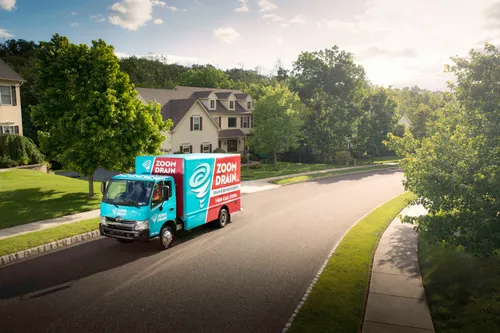
Zoom Drain
15540 Rockfield Blvd C100, Irvine, CA 92618
Zoom Drain is a grease trap cleaning and drain service company based in Los Angeles, CA. They provide residential and commercial drain and sewer cleaning, inspection, repairs, and preventive maintenance. Their services cover clogged drains, sewer pump repair, sump pump replacement, and landscape drain maintenance. Zoom Drain uses advanced technology like hydro jetting to clear blockages, including tree roots, and offers 24/7 emergency services. They serve areas including Anaheim, Irvine, Santa Ana, and throughout Orange County. The company is known for its specialized services in food and hospitality sectors, contractor support, and tailored maintenance plans.
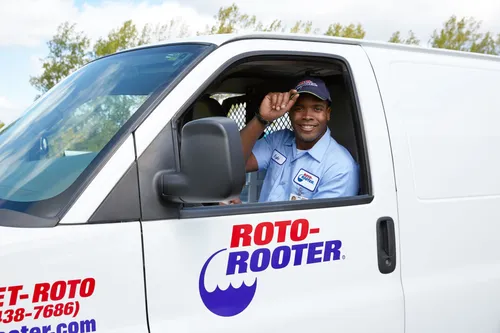
Roto-Rooter Plumbing & Water Cleanup
3848 Campus Dr STE 220, Newport Beach, CA 92660
Roto-Rooter Plumbing & Water Cleanup provides comprehensive plumbing and water cleanup services in Long Beach, CA. They handle a wide range of issues including floodwater cleanup, sewer and drain cleaning, faucet and toilet repairs, water heater services, and grease trap maintenance. The company serves both residential and commercial clients, offering advanced capabilities such as high-pressure water jetting (hydro-jetting) and trenchless sewer line replacement. With decades of experience dating back to 1935, Roto-Rooter offers 24/7 emergency plumbing services to address urgent problems at any time.
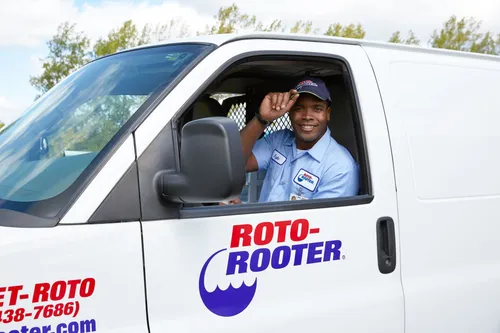
Roto-Rooter Plumbing & Water Cleanup
2050 W Chapman Ave #202, Orange, CA 92868
Roto-Rooter Plumbing & Water Cleanup offers a wide range of plumbing services in Los Angeles, CA, including grease trap cleaning, sewer and drain cleaning, water heater repair, and emergency flood cleanup. The company serves both residential and commercial clients, addressing issues from routine maintenance to urgent repairs. They utilize advanced tools such as HD inspection cameras and hydro-jetting to clear blockages and perform no-dig pipe replacements. Established with a legacy dating back to the invention of the original electric drain snake in 1935, Roto-Rooter provides 24/7 emergency plumbing services to handle urgent situations any time of day or night.
White Glove Plumbing Orange County
1430 E Borchard Ave, Santa Ana, CA 92705
White Glove Plumbing Orange County is a full-service plumbing and restoration company based in Santa Ana, serving residential and commercial clients throughout Los Angeles, CA. They provide a wide range of services including emergency plumbing, leak detection, hydro-jetting, water heater installation, grease trap pumping, sewage cleanup, mold remediation, and water damage restoration. The company offers 24/7 emergency services to quickly address urgent plumbing and restoration needs. Their expertise includes advanced capabilities such as slab leak reroutes, sewer camera inspections, and certified mold remediation. White Glove Plumbing combines plumbing and restoration services to manage repairs and rebuilds efficiently, reducing the need for multiple contractors.
Roto-Rooter Plumbing & Water Cleanup
20422 Beach Blvd #225, Huntington Beach, CA 92648
Roto-Rooter Plumbing & Water Cleanup offers comprehensive plumbing and water cleanup services in Long Beach, CA. They handle a wide range of issues including drain cleaning, sewer line repairs, water heater services, grease trap maintenance, and emergency flood cleanup. The company uses advanced technology such as high-definition inspection cameras and hydro-jetting to address plumbing challenges efficiently. With expertise tailored to local conditions and building codes, Roto-Rooter serves both residential and commercial clients. They provide 24/7 emergency plumbing services to quickly resolve urgent problems and minimize damage.
Understanding Huntington Beach's FOG Program
The City of Huntington Beach's Public Works Department administers a Fats, Oils, and Grease (FOG) Program to control discharges from food service establishments. This program is grounded in a city ordinance specifically aimed at the control and regulation of FOG to prevent blockages in the public sewer system. Compliance isn't optional; it's a mandatory condition of doing business for any facility that generates grease-laden wastewater. The program outlines everything from proper interceptor sizing and installation to mandatory cleaning triggers and inspection schedules, making it the primary document you need to understand for local compliance.
Key Code Requirements and Cleaning Triggers
Adhering to the California Plumbing Code (CPC) and local amendments is the foundation of compliance. For grease interceptor maintenance in Huntington Beach, several specific rules apply:
- Cleaning Trigger: Interceptors must be pumped and cleaned when the combined volume of Fats, Oils, Grease, and Solids (FOGS) reaches 25% of the interceptor's total capacity 1 2. Waiting until the trap is full or nearly full is a violation and significantly increases the risk of a blockage.
- Prohibited Connections: It is against code to connect dishwashers or food waste disposal units (garbage disposals) directly to a grease interceptor or trap 3. These devices introduce solids and high-temperature water that can break down grease, allowing it to pass through the trap and congeal further down the line.
- Proper Sizing: All grease interceptors must be sized according to the current California Plumbing Code standards or be approved by the city's FOG Program Manager. An undersized trap will require impractically frequent cleaning, while an oversized one may not function efficiently.
Determining Your Cleaning Frequency
There is no universal "once-a-year" rule. The required pumping schedule is dynamic and depends entirely on your kitchen's volume and the size of your interceptor. The 25% FOGS accumulation rule dictates the schedule, which typically breaks down as follows:
- Small Indoor Grease Traps: Often found under sinks or in tight kitchen spaces, these smaller units (typically 20-50 gallons) can fill up quickly in a busy kitchen. It's common for these to require monthly cleaning to stay compliant.
- Large Outdoor Grease Interceptors: These larger vaults (often 500-1500+ gallons) are designed for higher flow. For many Huntington Beach restaurants, a quarterly cleaning schedule (every three months) is standard for maintaining these units.
- The Best Practice: The only way to know your ideal schedule is to start with a professional assessment and then monitor accumulation after each cleaning. Many service providers can help you establish a history and recommend a compliant frequency.
Inspection and Enforcement: What to Expect
The city actively monitors compliance through a structured inspection program.
- Inspection Schedule: Facilities that have a grease interceptor installed can expect annual inspections from the city's FOG Program. Interestingly, facilities that do not have a grease interceptor (because it was determined one is not required) are inspected at least twice per year to verify that condition still holds true.
- Enforcement Actions: Non-compliance can lead to formal notices, mandatory corrective actions, and administrative penalties. In severe or repeat cases, the city can pursue more significant fines. Keeping detailed service records is your best defense during an inspection, proving you are proactively managing your interceptor.
The Cost of Grease Trap Pumping Services
Investing in regular cleaning is far less expensive than dealing with a sewer backup or a city fine. Costs in Huntington Beach vary based on the size of your unit, its accessibility, and how often it is serviced.
- Small to Medium Traps: Cleaning a typical under-sink or in-floor grease trap often ranges from $75 to $150 per service 4.
- Large Outdoor Interceptors: Pumping a 1000 to 1500-gallon interceptor typically costs between $225 and $315 per service 5.
- Service Agreements: Many providers offer discounted rates for customers who sign up for regular, scheduled service agreements. This not only manages costs but also ensures you never miss a required cleaning, automating your compliance.
Find the perfect grease trap cleaning companies for your needs
Get personalized recommendations and expert advice
Consequences of Neglecting Grease Interceptor Maintenance
Failing to maintain your grease control device has cascading negative effects:
- Sewer Blockages and Backups: The primary purpose of the trap is to stop FOG from entering the sewer. When it fails, grease cools and solidifies in the pipes, creating blockages that can cause sewage to back up into your business or a neighbor's 6.
- City Violations and Fines: During an inspection, if your interceptor is found to be over the 25% accumulation limit or you lack proper service records, you will be issued a violation and a deadline to correct it, potentially with accompanying fines 7 8.
- Environmental Harm: Sewer overflows caused by grease blockages can spill untreated wastewater into storm drains, which in Huntington Beach can lead directly to the ocean, harming water quality and marine life.
- Expensive Emergency Repairs: An emergency plumbing call to clear a grease-clogged line or pump an overflowing interceptor costs significantly more than a scheduled, preventative service.
Best Practices for Ongoing Maintenance
Beyond just pumping, proper care extends the life of your interceptor and keeps it working efficiently.
- Scrape Plates Thoroughly: Ensure staff scrapes all food scraps and grease into a trash or compost bin before washing. This is the first and most effective line of defense.
- Use Strainers: Place strainers in all sink drains to catch solid food particles.
- Avoid "Grease Dissolving" Chemicals: Pouring chemicals or so-called "grease digesters" down the drain is often prohibited by city code and can harm the biological treatment processes at the wastewater plant. These chemicals can also emulsify grease, allowing it to bypass the trap only to re-solidify later 9.
- Keep Detailed Records: Maintain a logbook or file with every service receipt, noting the date, company, and the volume of waste removed. Have this readily available for city inspectors.
Frequently asked questions
Sources
Footnotes
-
12.20.220. Grease trap requirements. - https://codelibrary.amlegal.com/codes/fullerton/latest/fullerton_ca/0-0-0-18563 ↩
-
Huntington Beach Grease Trap Cleaning - https://thegreasecompany.com/greasetrapservicehuntingtonbeach.html ↩
-
CONTROL AND REGULATION OF FATS, OILS AND GREASE - https://ecode360.com/43800788 ↩
-
Grease Trap Cleaning Prices | Guide on the Industry Average - https://grease-cycle.com/grease-trap-pumping-cost/ ↩
-
How Much Does It Cost To Clean A Grease Trap? - https://www.greasecollection.com/blog/how-much-does-it-cost-to-clean-a-grease-trap/ ↩
-
Grease Trap Regulations and Compliance: What You Need to Know - https://www.texwaywastewater.com/grease-trap-regulations-and-compliance/ ↩
-
Food Facilities - Welcome to Huntington Beach, CA - https://www.huntingtonbeachca.gov/departments/public_works/water_and_sewer/food_facilities.php ↩
-
CONTROL AND REGULATION OF FATS, OILS AND GREASE - https://cms3.revize.com/revize/huntingtonbeachca/Documents/Departments/Public%20Works/Water%20and%20Sewer/FOG%20Program/control-of-fats-olls-grease-ordinance.pdf ↩
-
The Ultimate Guide to Restaurant Grease Trap Cleaning - https://mokherplumbing.com/ultimate-guide-restaurant-grease-trap-cleaning/ ↩