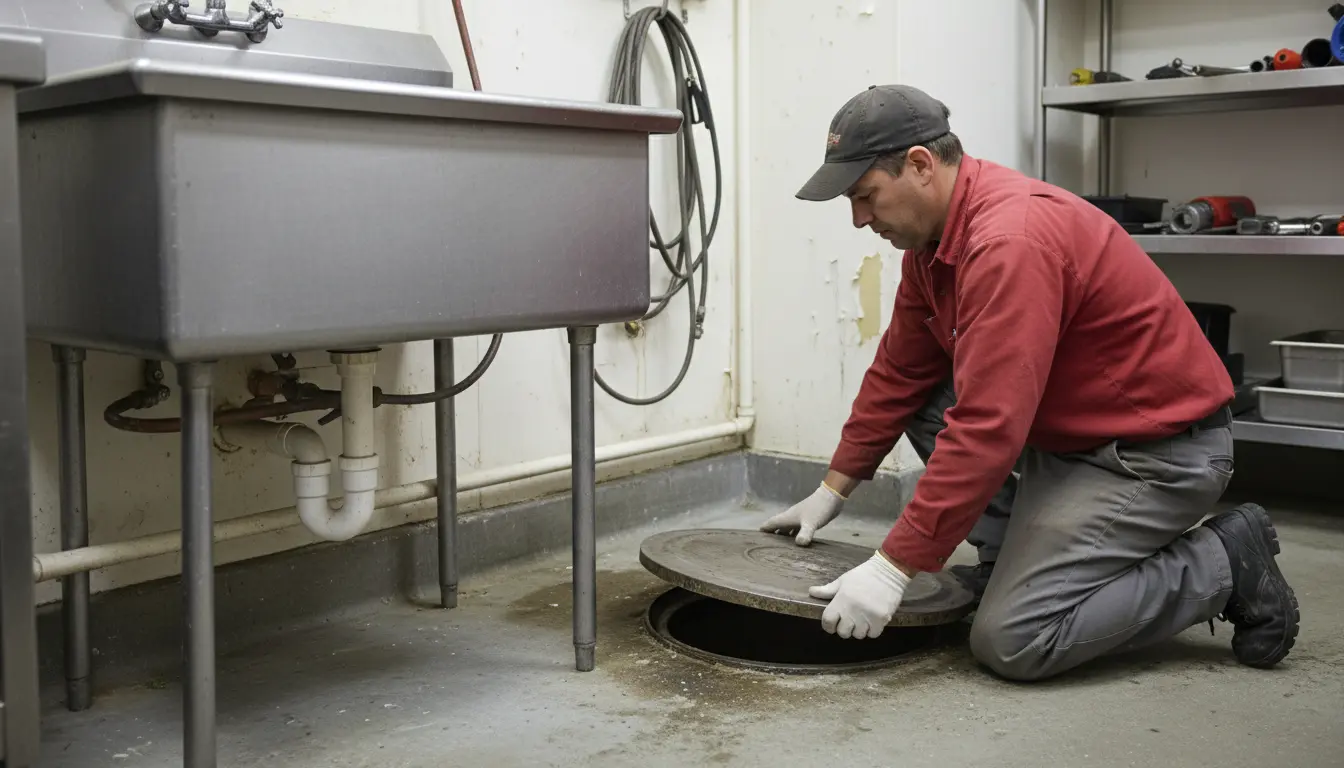
Find the Best Grease Trap Cleaning Companies for Your Business
No obligation • Fast responses • Nationwide coverage

Why you can trust Restaurant Waste Disposal
Restaurant Waste Disposal is a leading U.S. resource for comparing restaurant composting, food-waste recycling, grease trap cleaning, and used cooking oil collection services. Our editorial team researches providers, checks credentials, and organizes unbiased information so operators can make informed decisions. Companies cannot pay to change ratings or placement.
Search providers near you
Top Grease Trap Cleaning Companies in Hemet, California Ranked
For restaurant owners and kitchen managers in Hemet, maintaining a clean and compliant grease trap (also known as a grease interceptor) is a critical, non-negotiable part of daily operations. These systems are your first line of defense against fats, oils, and grease (FOG) entering the public sewer system, where they can cause costly and disruptive blockages. California state law and local Hemet ordinances mandate strict maintenance schedules and installation standards to protect the city's wastewater infrastructure. This guide provides a detailed overview of everything you need to know about grease interceptor service, from state plumbing codes and local enforcement to practical maintenance tips and cost considerations for your business.
Roto-Rooter Plumbing & Water Cleanup
3579 Arlington Ave #800, Riverside, CA 92506
Roto-Rooter Plumbing & Water Cleanup provides a wide range of plumbing and water cleanup services in Riverside, CA. They handle everything from routine maintenance and repairs to complex commercial plumbing needs, including grease trap cleaning, sewer line repair, and water damage cleanup. Their team is experienced with local plumbing challenges and building codes, serving both residential and commercial clients. Roto-Rooter offers 24/7 emergency plumbing services to address urgent issues such as burst pipes, sewer backups, and clogged drains. They also specialize in hydro-jetting and use advanced technology for sewer inspections and pipe replacement. With a history dating back to the invention of the electric drain snake in 1935, Roto-Rooter continues to apply innovative solutions to plumbing problems.
Drainman Cleaning
Perris, CA
Drainman Cleaning is a grease trap cleaning company based in Perris, CA. They specialize in maintaining and cleaning grease traps to help businesses manage waste effectively and comply with local regulations.

Roto-Rooter Plumbing & Water Cleanup
25014 Las Brisas Rd, Murrieta, CA 92562
Roto-Rooter Plumbing & Water Cleanup has been serving Murrieta, CA, and surrounding areas since 1935. They provide a full range of plumbing services including residential and commercial plumbing, drain cleaning, grease trap pumping, septic tank maintenance, and water cleanup. The company offers same-day and emergency services 24/7, including holidays, with no weekend fees and clear pricing policies. Their team is experienced in handling local plumbing systems and regulations, ensuring compliant and effective solutions.
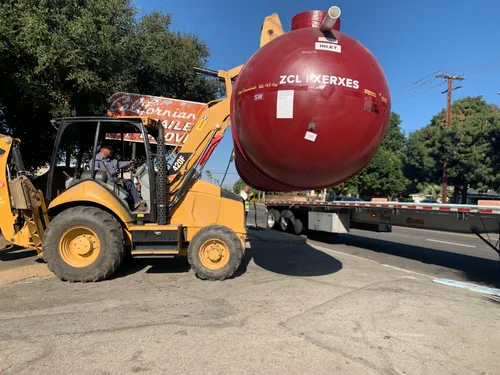
California Pumping & Sanitation, Inc
1057 S Washington Ave, San Bernardino, CA 92408
California Pumping & Sanitation, Inc is a septic and sanitation service provider based in Los Angeles, CA. Serving Southern California, they offer a wide range of services including septic tank pumping, grease trap cleaning, septic system construction, repairs, and maintenance for residential, commercial, and industrial clients. The company employs advanced technologies such as hydrojetting drain cleaning and septic tank camera inspections to ensure effective service delivery. With over 35 years of experience, California Pumping & Sanitation is licensed, bonded, and insured, providing 24/7 emergency support to its customers.
J N Grease Services
25685 Sherman Rd, Romoland, CA 92585
J N Grease Services is based in Menifee, CA, and has been providing waste handling solutions and maintenance services for over 20 years. They serve a wide range of clients including small restaurants, large restaurant chains, food manufacturers, and supermarkets throughout Southern California. Their services include used cooking oil collection and grease trap cleaning, supporting businesses in maintaining operational efficiency. J N Grease Services emphasizes competitive pricing and attentive customer care to build long-term relationships.
Understanding California and Hemet Grease Trap Regulations
Compliance begins with knowing the rules. In California, grease trap requirements are governed by the California Plumbing Code (CPC) and the California Health and Safety Code. These regulations are enforced at the local level by Hemet's Public Works or Environmental Health department.
The core legal requirement, per California Health and Safety Code § 114201, is that every grease trap must be "easily accessible for servicing" and is generally prohibited from being located in food preparation areas. Accessibility is key; if a service technician cannot easily reach and service your trap, your facility is not in compliance from the start.
Beyond location, the state sets a clear performance standard: a grease interceptor must be pumped out and cleaned when the combined FOG and settled solids accumulate to 25% of the liquid depth of the trap 1. Allowing accumulation beyond this point severely reduces the device's effectiveness, allowing grease to pass through into the sewer lines. Furthermore, specific prohibitions are in place to protect these systems. The use of garbage disposals (food grinders) in commercial kitchens connected to a standard grease trap is typically not allowed unless the facility installs an oversized interceptor, often 1000 gallons or larger. Additionally, wastewater from high-temperature commercial dishwashers should not be routed through a standard grease trap, as the hot water and detergents can emulsify fats and carry them through the system 1 2.
Determining Your Cleaning Frequency: It's Not One-Size-Fits-All
While the California code often cites a minimum cleaning frequency of every six months, this is an absolute baseline. For most active restaurants in Hemet, especially those with high-volume frying or significant food production, this interval is far too long 3 4. The actual required frequency for your establishment is determined by how quickly FOG and solids reach that critical 25% capacity threshold.
- High-Volume Restaurants: Fast-food chains, diners, pizzerias, and any kitchen with heavy frying typically require grease interceptor pumping every 1 to 3 months 5.
- Moderate-Volume Establishments: Casual dining restaurants, cafes, and bakeries may find a quarterly (every 3-month) schedule sufficient.
- Low-Volume Operations: A small coffee shop or a facility with very limited cooking might approach the 6-month minimum.
The only way to know your correct schedule is through consistent monitoring. Your service provider should measure and record the accumulation levels during each service visit. This data will help you establish a proactive, compliant pumping schedule that prevents emergencies.
What to Expect During a Local Inspection
Local enforcement agencies conduct inspections to ensure compliance with these state and local codes. An inspector will typically check several key aspects of your grease management system:
- Capacity & Accumulation: They will check if the trap is overdue for cleaning by measuring the FOG and solids layer.
- Flow Control: Inspecting for a properly functioning flow control device or baffle that slows incoming wastewater, allowing grease to separate.
- Watertightness: Looking for signs of leaks, cracks, or damage to the trap itself or its connecting pipes.
- Accessibility: Verifying that manhole covers are unobstructed and the trap can be fully serviced without moving equipment or stored items.
- Prohibited Connections: Confirming that no garbage disposal or dishwasher waste is improperly connected to the interceptor.
Failure to comply during an inspection can result in significant penalties. These can range from formal notices and fines to substantially increased sewer surcharges. In severe cases of repeat non-compliance or a major FOG release, a regulatory agency can mandate an immediate shutdown of the restaurant until the issue is resolved 6.
Cost of Grease Trap Maintenance in Hemet
Investing in regular maintenance is far more economical than facing emergency repairs or regulatory fines. Costs for grease interceptor service in the Hemet area can vary based on several factors.
For a standard, routine cleaning and pumping service on a typical-sized trap (e.g., 500-1000 gallons), restaurant owners can generally expect a price range of approximately $175 to $225 per service visit 7 8. This baseline cost assumes the trap is serviced on a regular schedule and is in reasonably accessible condition.
However, the final price can fluctuate significantly:
- Trap Size & Type: Larger, underground interceptors cost more to pump than smaller, under-sink grease traps.
- Location & Accessibility: An indoor trap in a cramped basement is more labor-intensive to service than an outdoor trap with clear access.
- Service Frequency: Committing to a regular contract can sometimes reduce per-visit costs compared to one-time calls.
- Condition of the Trap: An emergency service call for a severely neglected, clogged, or overflowing trap can cost anywhere from $500 to over $2,500, as it may require hydro-jetting, additional labor, and hazardous waste handling 9 10.
The most important financial principle is that prevention is key. The modest, planned expense of quarterly cleaning pales in comparison to the cost of an emergency clean-out, a city fine, or a sewer backup that disrupts your business.
Find the perfect grease trap cleaning companies for your needs
Get personalized recommendations and expert advice
Building a Proactive Maintenance Plan for Your Restaurant
Staying ahead of grease trap issues requires a systematic approach. Here is a practical checklist for Hemet restaurant operators:
- Conduct a Self-Audit: Locate your grease trap and verify it is easily accessible. Check for any obvious leaks, odors, or slow drainage in nearby sinks, which can be early warning signs.
- Schedule Professional Service: Partner with a licensed, insured, and reputable FOG hauler who services the Hemet area. They should be familiar with local codes and provide detailed service reports 11.
- Establish a Regular Schedule: Based on your kitchen's volume and your provider's recommendations, set a fixed pumping schedule (e.g., every 60 or 90 days). Put these dates on your calendar well in advance.
- Maintain Meticulous Records: This is crucial. Keep a dedicated file or digital folder for every service receipt, waste manifest, and inspection report. This documentation is your proof of compliance during a city inspection.
- Train Your Staff: Educate kitchen staff on best practices for minimizing FOG discharge. This includes scraping plates and cookware into trash bins before washing and using sink strainers to catch food solids.
The Environmental and Community Impact
Proper grease trap maintenance extends beyond mere compliance. It is an essential practice for environmental stewardship in the Hemet community. When FOG enters the sewer system, it cools and solidifies, adhering to pipe walls. Over time, this creates massive "fatbergs" that can cause sewage overflows into streets, local waterways, and even private properties. These overflows pose public health risks, harm local ecosystems, and result in expensive cleanup operations funded by municipal fees. By responsibly managing your kitchen's grease, you are directly contributing to the reliability of Hemet's wastewater system and protecting the local environment from pollution.
Frequently asked questions
Sources
Footnotes
-
12.20.220. Grease trap requirements. - https://codelibrary.amlegal.com/codes/fullerton/latest/fullerton_ca/0-0-0-18563 ↩ ↩2
-
Restaurant Grease Trap Cleaning FAQs - Mahoney Environmental - https://www.mahoneyes.com/restaurant-grease-trap-cleaning-faqs/ ↩
-
Grease Trap Cleaning For California Restaurants - https://cacciaplumbing.com/blog/grease-trap-cleaning-california-restaurants/ ↩
-
How to Clean a Grease Trap (and How Often You Should) - https://greaseconnections.com/how-to-clean-a-grease-trap-and-how-often-you-should/ ↩
-
California Health and Safety Code § 114201 (2024) - Justia Law - https://law.justia.com/codes/california/code-hsc/division-104/part-7/chapter-7/article-2/section-114201/ ↩
-
Grease Trap Inspection - InterNACHI® - https://www.nachi.org/grease-trap-inspection.htm ↩
-
Trap pumping - https://phoenixpumping.com/grease-trap-maintenance/ ↩
-
The Cost To Clean A Grease Trap For Restaurants - https://thegreasecompany.com/blog/greasetrapcleaningcost/ ↩
-
Ultimate Grease Trap Pumping Cost Guide: Essential Money-Saving ... - https://www.texwaywastewater.com/grease-trap-pumping-cost/ ↩
-
Grease Trap Cleaning Prices | Guide on the Industry Average - https://grease-cycle.com/grease-trap-pumping-cost/ ↩
-
Grease Trap Cleaning in Hemet CA - https://greasetrapcleaningpalmdesert.com/hemet-ca.html ↩