Find the Best Grease Trap Cleaning Companies for Your Business
No obligation • Fast responses • Nationwide coverage

Why you can trust Restaurant Waste Disposal
Restaurant Waste Disposal is a leading U.S. resource for comparing restaurant composting, food-waste recycling, grease trap cleaning, and used cooking oil collection services. Our editorial team researches providers, checks credentials, and organizes unbiased information so operators can make informed decisions. Companies cannot pay to change ratings or placement.
Search providers near you
Top Grease Trap Cleaning Companies in Garden Grove, California Ranked
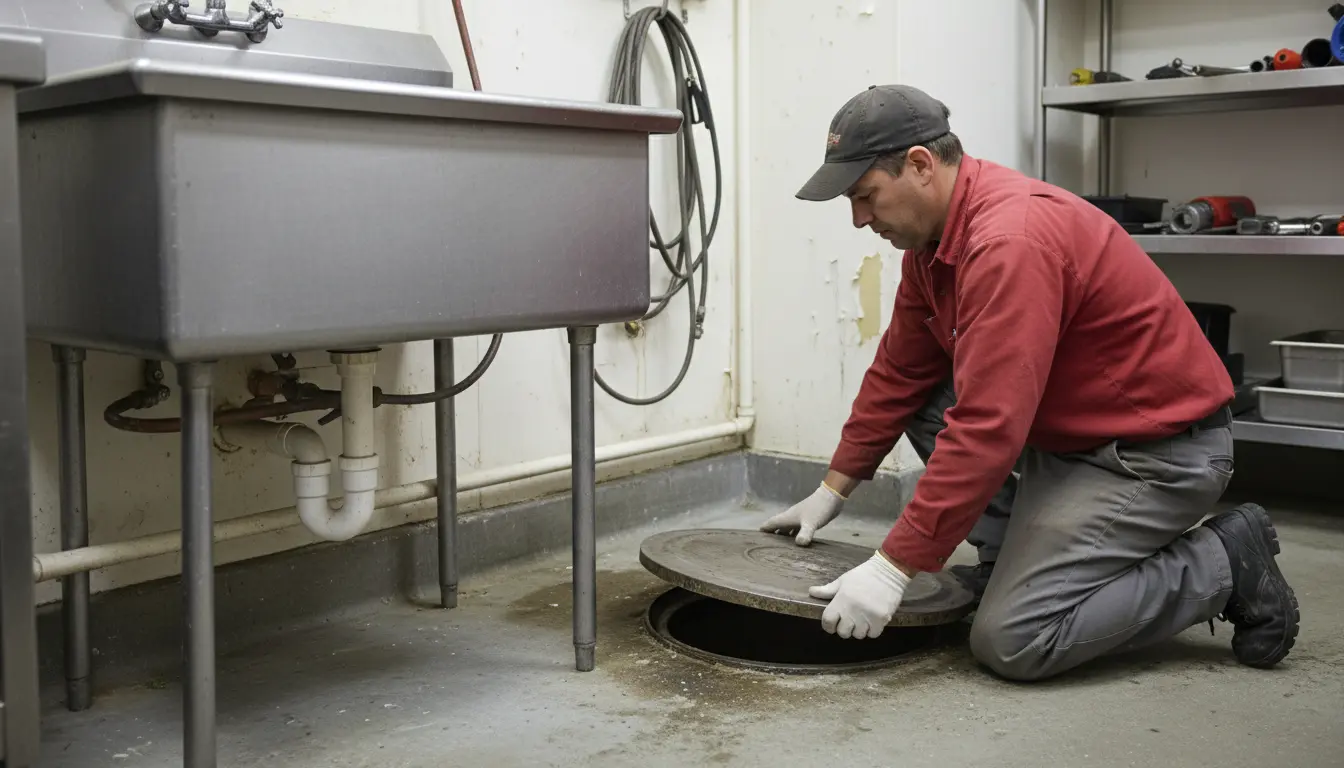
For restaurant owners and food service operators in Garden Grove, effective grease trap cleaning and maintenance is not just a best practice-it's a legal requirement. The city enforces a strict Fats, Oils, and Grease (FOG) control program to protect the public sewer system from blockages and costly environmental damage. Compliance hinges on understanding specific local rules, including the critical "25% rule" for cleaning, mandatory record-keeping, and regular inspections. Proactive management of your grease interceptor is essential to avoid significant fines, service interruptions, and damage to your business's reputation and plumbing.
Zoom Drain
15540 Rockfield Blvd C100, Irvine, CA 92618
Zoom Drain is a grease trap cleaning and drain service company based in Los Angeles, CA. They provide residential and commercial drain and sewer cleaning, inspection, repairs, and preventive maintenance. Their services cover clogged drains, sewer pump repair, sump pump replacement, and landscape drain maintenance. Zoom Drain uses advanced technology like hydro jetting to clear blockages, including tree roots, and offers 24/7 emergency services. They serve areas including Anaheim, Irvine, Santa Ana, and throughout Orange County. The company is known for its specialized services in food and hospitality sectors, contractor support, and tailored maintenance plans.
Roto-Rooter Plumbing & Water Cleanup
241 E Colorado Blvd #202, Pasadena, CA 91101
Roto-Rooter Plumbing & Water Cleanup provides comprehensive residential and commercial plumbing services in Los Angeles, CA. They specialize in a wide range of plumbing solutions including grease trap cleaning, sewer line repairs, water heater installation and repair, and emergency floodwater cleanup. The company is equipped with advanced tools such as hydro-jetting equipment to handle complex plumbing issues efficiently. Serving the Pasadena area and surrounding communities, Roto-Rooter offers 24/7 emergency plumbing services throughout the year to address urgent plumbing needs. They are fully licensed and insured, focusing on both routine maintenance and emergency repairs.
Roto-Rooter Plumbing & Water Cleanup
3848 Campus Dr STE 220, Newport Beach, CA 92660
Roto-Rooter Plumbing & Water Cleanup provides comprehensive plumbing and water cleanup services in Long Beach, CA. They handle a wide range of issues including floodwater cleanup, sewer and drain cleaning, faucet and toilet repairs, water heater services, and grease trap maintenance. The company serves both residential and commercial clients, offering advanced capabilities such as high-pressure water jetting (hydro-jetting) and trenchless sewer line replacement. With decades of experience dating back to 1935, Roto-Rooter offers 24/7 emergency plumbing services to address urgent problems at any time.
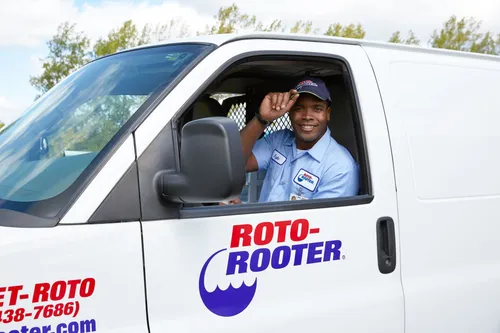
Roto-Rooter Plumbing & Water Cleanup
2050 W Chapman Ave #202, Orange, CA 92868
Roto-Rooter Plumbing & Water Cleanup offers a wide range of plumbing services in Los Angeles, CA, including grease trap cleaning, sewer and drain cleaning, water heater repair, and emergency flood cleanup. The company serves both residential and commercial clients, addressing issues from routine maintenance to urgent repairs. They utilize advanced tools such as HD inspection cameras and hydro-jetting to clear blockages and perform no-dig pipe replacements. Established with a legacy dating back to the invention of the original electric drain snake in 1935, Roto-Rooter provides 24/7 emergency plumbing services to handle urgent situations any time of day or night.
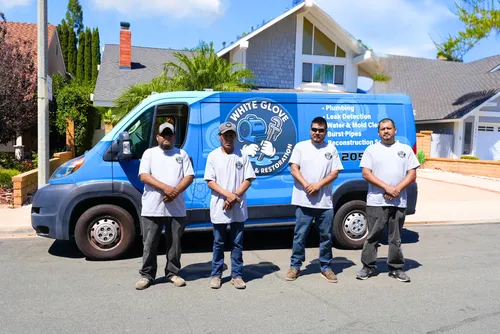
White Glove Plumbing Orange County
1430 E Borchard Ave, Santa Ana, CA 92705
White Glove Plumbing Orange County is a full-service plumbing and restoration company based in Santa Ana, serving residential and commercial clients throughout Los Angeles, CA. They provide a wide range of services including emergency plumbing, leak detection, hydro-jetting, water heater installation, grease trap pumping, sewage cleanup, mold remediation, and water damage restoration. The company offers 24/7 emergency services to quickly address urgent plumbing and restoration needs. Their expertise includes advanced capabilities such as slab leak reroutes, sewer camera inspections, and certified mold remediation. White Glove Plumbing combines plumbing and restoration services to manage repairs and rebuilds efficiently, reducing the need for multiple contractors.
Understanding Garden Grove's FOG Control Ordinance
The City of Garden Grove operates under a detailed FOG ordinance designed to prevent sewer spills and maintain infrastructure 1. This local law mandates that all food service establishments install, operate, and maintain approved grease removal devices. The ordinance explicitly prohibits the discharge of FOG into the sanitary sewer system and outlines the responsibilities of business owners 2. Non-compliance is taken seriously, as blockages can lead to sewer overflows, environmental harm, and substantial public works costs, which the city aims to recoup from violators 3.
Key components of the ordinance include:
- Approved Equipment: Grease traps or interceptors must be correctly sized for your establishment's volume and type of waste. Larger units typically require two compartments for effective separation.
- Proper Installation: Devices must be installed on all fixtures that produce grease-laden wastewater, with some exceptions. Notably, direct connections from dishwashers or food grinders to a grease trap are often prohibited 4.
- Accessibility: Your grease interceptor must be readily accessible at all times for cleaning, inspection, and maintenance by both your service provider and city inspectors.
The 25% Rule: Your Primary Cleaning Guideline
While you may hear general guidelines about monthly or quarterly service, Garden Grove's enforcement is specifically tied to a measurable standard: the 25% rule. This rule states that a grease trap must be cleaned when the combined depth of floating fats, oils, grease, and settled solids reaches 25% of the unit's total liquid depth.
This performance-based rule is critical because it accounts for variations in your kitchen's output. A busy restaurant may hit the 25% threshold in a few weeks, while a slower operation might take longer. Therefore, the cleaning frequency is not rigidly set to a calendar date but to the actual condition of your trap. Relying on a fixed schedule without checking accumulation levels can lead to violations if your trap exceeds the limit before the scheduled service 5.
Determining Your Service Frequency
So, how often should you schedule grease trap cleaning? The answer depends entirely on your trap's size and your kitchen's activity.
- Small, Under-Sink Grease Traps: These smaller units, often found in individual sinks, have limited capacity. They typically require the most frequent attention, often needing service every month or even more frequently to stay under the 25% accumulation limit 6.
- Large, In-Ground Grease Interceptors: These larger outdoor units service the entire kitchen's waste stream. They generally have a greater capacity and may be serviced on a quarterly (every three months) basis. However, this is only a common benchmark; you must verify that quarterly service is sufficient to maintain compliance with the 25% rule for your specific operation.
The only way to know for sure is through regular inspection, either by your staff (with proper training) or your professional service provider. Never assume a schedule is correct without verification.
Mandatory Documentation and Record-Keeping
In the eyes of a Garden Grove inspector, if you didn't document it, it didn't happen. Maintaining detailed service logs is a non-negotiable part of compliance. These records must be kept on-site and available for review during any inspection.
Your service log for each cleaning should include:
- The date of service.
- The name and contact information of the company or person who performed the cleaning.
- The volume of grease and solids removed (in gallons or pounds).
- The disposal method or location for the collected waste.
- A signature or acknowledgment from the service provider.
Well-organized logs demonstrate proactive management and are your first line of defense during an inspection, showing a history of compliance even if a minor issue is found on the day of the visit.
Find the perfect grease trap cleaning companies for your needs
Get personalized recommendations and expert advice
City Inspections and Enforcement Actions
The City of Garden Grove's Environmental Compliance division conducts regular inspections of food service facilities to enforce the FOG ordinance. These inspections can be scheduled or unannounced. An inspector will typically:
- Review your grease trap maintenance and cleaning logs.
- Inspect the physical condition and accessibility of your grease interceptor.
- Check for proper signage and staff training documentation.
- Look for evidence of improper disposal practices.
Failure to comply can result in a progressive enforcement action:
- Notice of Violation: A formal notice detailing the violations and required corrective actions with a deadline.
- Administrative Fines: Monetary penalties that increase for repeat violations or failure to correct issues.
- Cease and Desist Orders: In severe cases, such as recurrent blockages or spills, the city can order a business to stop operations until the FOG control system is brought into full compliance 7.
The cost of non-compliance-in fines, operational downtime, and repair costs-far exceeds the investment in regular, professional maintenance.
Cost Factors for Professional Grease Trap Cleaning
The cost for professional grease trap pumping and cleaning in Garden Grove is not a flat fee; it varies based on several key factors. Understanding these can help you budget accurately.
- Trap Size and Type: The single biggest cost driver. A small under-sink trap will cost less to service than a large, in-ground concrete interceptor. Furthermore, automatic grease removal units (AGRs), while reducing manual cleaning frequency, often involve more complex service and can have higher associated maintenance costs.
- Service Frequency and Accumulation: A trap that is cleaned regularly before heavy buildup is generally quicker and less expensive to service. Traps that are severely neglected, with caked-on grease and solids, require more labor, time, and potentially specialized equipment, leading to a higher bill 8.
- Service Provider and Scope: Prices vary between companies. Always confirm what the quoted price includes: Does it cover the complete evacuation of contents, a thorough cleaning of the tank walls and baffles, a final inspection, and proper disposal/recycling of the waste? The lowest quote may not include all necessary steps for full compliance.
Given these variables, restaurant owners in Garden Grove can expect a starting range of roughly $250 to $350 or more for a standard manual grease trap cleaning, with costs increasing from there for larger interceptors or more complex services 9 10.
The Critical Role of Staff Training
Garden Grove's ordinance emphasizes prevention, and a major component of that is mandatory employee training. All kitchen staff should receive annual training on best practices to minimize FOG entering the drain system. This training must be documented, with records kept on-site.
Key training points include:
- Scraping all food scraps and grease from plates, pots, and pans into the trash before washing.
- Using sink strainers to catch solid particles.
- Never pouring used cooking oil, grease, or dairy products down the drain.
- Understanding the location and purpose of the grease trap.
Well-trained staff are your most effective and affordable tool for reducing grease trap accumulation, extending time between services, and preventing accidental violations.
Proactive Maintenance for Long-Term Compliance
Beyond scheduled cleanings, simple proactive steps can ensure your system runs smoothly:
- Regular Visual Checks: Assign a manager to quickly check trap accumulation levels weekly.
- Keep It Accessible: Never store inventory or equipment in front of or on top of your grease interceptor access points.
- Baffle Care: Ensure the internal baffles (which separate grease from water) are cleaned during each service to maintain efficiency.
- Partner with a Professional: Establish a relationship with a licensed, insured, and reputable service provider familiar with Garden Grove's specific codes. They can help you establish a compliant schedule and alert you to potential issues.
Staying ahead of grease trap maintenance is an investment in your business's smooth operation. It prevents emergency blockages, avoids costly fines from the city, and protects the community's sewer infrastructure 11.
Frequently asked questions
Sources
Footnotes
-
Ordinance No. 6 - City of Garden Grove - https://ggcity.org/sites/default/files/ordinance-6-fog.pdf ↩
-
Grease - City of Garden Grove - https://ggcity.org/environmental-compliance/grease ↩
-
SEW ER SPILL PREVENTION - City of Garden Grove - https://ggcity.org/sites/default/files/www/pw/ssprevention.pdf ↩
-
12.20.220. Grease trap requirements. - https://codelibrary.amlegal.com/codes/fullerton/latest/fullerton_ca/0-0-0-18563 ↩
-
Restaurant Grease Trap Cleaning FAQs - Mahoney Environmental - https://www.mahoneyes.com/restaurant-grease-trap-cleaning-faqs/ ↩
-
Grease Trap Cleaning For California Restaurants - https://cacciaplumbing.com/blog/grease-trap-cleaning-california-restaurants/ ↩
-
Chapter 18.08 GREASE TRAPS - https://www.codepublishing.com/CA/PacificGrove/html/PacificGrove18/PacificGrove1808.html ↩
-
Trap pumping - https://phoenixpumping.com/grease-trap-maintenance/ ↩
-
Garden Grove Grease Trap Cleaning - https://thegreasecompany.com/greasetrapservicegardengrove.html ↩
-
How Much Does It Cost to Clean Your Grease Trap? - https://www.aquaprosolutions.com/resources/how-much-does-it-cost-to-clean-your-grease-trap/ ↩
-
How to Clean a Grease Trap (and How Often You Should) - https://greaseconnections.com/how-to-clean-a-grease-trap-and-how-often-you-should/ ↩