Find the Best Grease Trap Cleaning Companies for Your Business
No obligation • Fast responses • Nationwide coverage

Why you can trust Restaurant Waste Disposal
Restaurant Waste Disposal is a leading U.S. resource for comparing restaurant composting, food-waste recycling, grease trap cleaning, and used cooking oil collection services. Our editorial team researches providers, checks credentials, and organizes unbiased information so operators can make informed decisions. Companies cannot pay to change ratings or placement.
Search providers near you
Top Grease Trap Cleaning Companies in Folsom, California Ranked
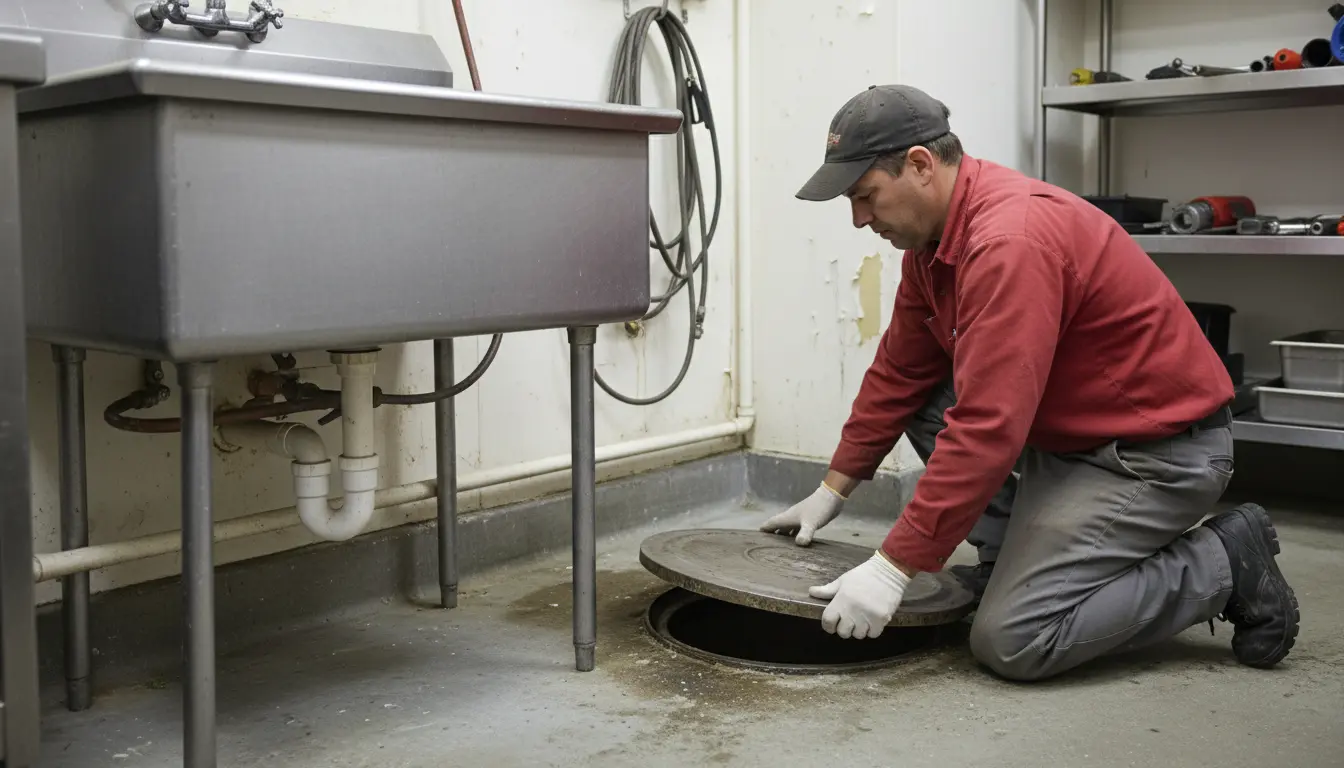
For restaurant owners and food service operators in Folsom, managing fats, oils, and grease (FOG) is a critical operational and regulatory responsibility. Proper grease trap and interceptor maintenance is not just about preventing clogs; it's a legal requirement designed to protect the city's sewer infrastructure from costly blockages and sanitary sewer overflows. Local ordinances, including Folsom's own Chapter 13.03, establish clear rules for installation, servicing frequency, and record-keeping. Proactive and compliant grease management helps avoid significant fines, ensures uninterrupted business operations, and contributes to a healthier community environment.
Pump & Dump Septic
1030 N D St #300, Sacramento, CA 95811
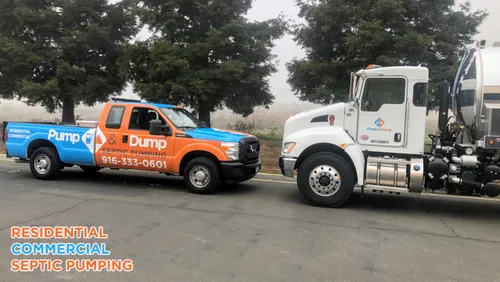
Pump & Dump Septic is a grease trap cleaning company based in Sacramento, CA. They serve Sacramento and broader areas including the Bay Area, Northern California, and Central California. The company offers services such as grease trap cleaning and hydro jetting for unclogging drains. They provide emergency service availability, including weekends and after hours, with a team ready to respond quickly to urgent needs.
GSW Pumping LLC
Sacramento, CA
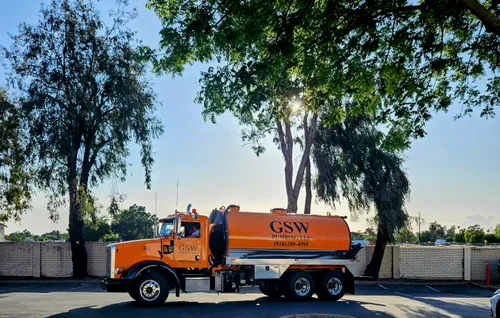
GSW Pumping LLC is a septic and wastewater service provider based in Sacramento, CA. They offer septic pumping, grease trap cleaning, wastewater hauling, and line jetting services. Serving Antelope and the greater Sacramento area, they provide 24/7 availability for emergency and scheduled services. Their high-pressure line jetting helps clear stubborn clogs, maintaining proper flow and system efficiency. GSW Pumping LLC emphasizes reliable service with a local commitment and is available around the clock to address urgent plumbing needs.
Zoom Drain
7500 14th Ave #22, Sacramento, CA 95820
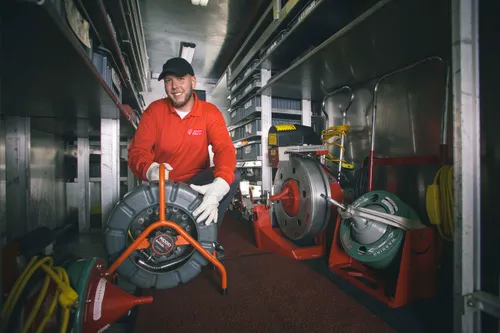
Zoom Drain is a drain and sewer service provider based in Sacramento, CA, offering residential and commercial solutions. They specialize in grease trap cleaning, drain cleaning, and sewer repairs, using advanced tools and local expertise to address issues like clogs and root intrusions. The company serves Sacramento and surrounding areas with same-day and next-day availability, including after-hours service. Zoom Drain is known for thorough assessments, clear communication, and tailored maintenance plans to keep plumbing systems functioning properly.
Septic Pumping and Drain Solutions
7901 Doe Trail Way, Antelope, CA 95843
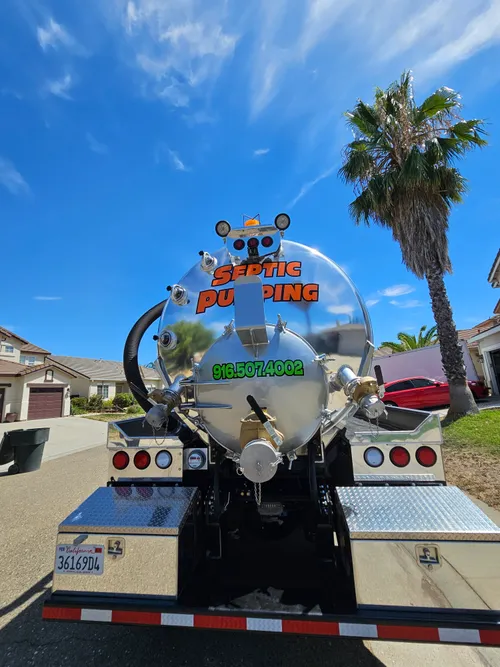
Septic Pumping and Drain Solutions is a licensed and insured company based in Sacramento, CA, offering residential septic pumping, commercial grease trap cleaning, and 24/7 emergency septic services. They serve Sacramento and surrounding areas, providing thorough inspections, proper waste disposal, and detailed reporting to help maintain septic systems and commercial kitchens. Established in 2003, the company has over 20 years of experience and is equipped to handle urgent septic issues with real-time emergency response and advanced diagnostic tools.
Roto-Rooter Plumbing & Water Cleanup
3961 Pell Cir, Sacramento, CA 95838
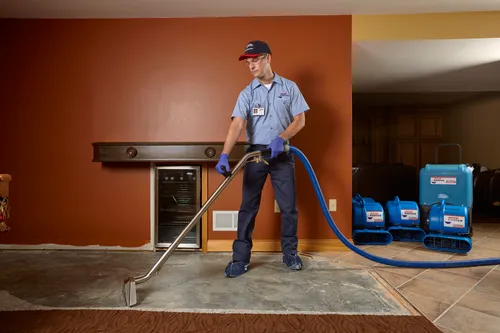
Roto-Rooter Plumbing & Water Cleanup has been serving Sacramento, CA since 1935, providing plumbing and water cleanup services for both residential and commercial clients. They offer a wide range of services including routine maintenance, complex repairs, drain cleaning, septic tank work, and grease trap pumping. The company is familiar with local codes and offers same-day and emergency services 24/7, including holidays, with no weekend fees and limited after-hours charges. Their specialized technicians handle commercial grease trap cleaning and septic system maintenance, ensuring compliance and efficiency tailored to Sacramento's plumbing needs.
Understanding Folsom's Grease Control Regulations
Folsom's sewer use ordinance specifically targets the discharge of fats, oils, and grease from commercial food service establishments. The primary goal is to prevent FOG from entering the sanitary sewer system, where it can cool, solidify, and cause severe blockages. Compliance is not optional; it's mandated by local law, which incorporates standards from the Uniform Plumbing Code (UPC) and aligns with broader Sacramento County guidelines.
Key regulatory points for Folsom businesses include:
- Approved Devices: Grease traps or interceptors must be UPC-approved, correctly sized for the facility's volume, and installed in an accessible location, typically not within food preparation areas 1 2.
- Prohibited Discharges: It is illegal to discharge waste from automatic dishwashers or food grinders into a grease trap, as this can re-emulsify grease and render the trap ineffective 3 4.
- Inspections & Enforcement: The City of Folsom and other local agencies conduct inspections to verify compliance. They will check the physical condition of the trap and, crucially, review maintenance records 5. Non-compliance can result in violations, substantial fines, and even orders to cease operations until the issue is resolved.
Determining Your Service Frequency
How often you need grease interceptor pumping is not a one-size-fits-all schedule. While a common benchmark is every 3 to 6 months, your specific frequency is dictated by Folsom's operational rule and your kitchen's output.
The official standard requires cleaning when the combined FOG and settled solids accumulate to 25% of the liquid depth in the trap 6 7. To know when this point is reached, staff should perform simple visual checks weekly by lifting the trap lid and measuring the accumulation. High-volume kitchens, such as those in busy restaurants or large cafeterias, may find this 25% threshold is reached much faster, potentially necessitating monthly service 8. Waiting until a drain is slow or a foul odor is present means you are already out of compliance and risking an emergency.
The Critical Role of Maintenance Logs
In Folsom, if your service isn't documented, it effectively didn't happen. Maintaining a detailed, on-site logbook is a cornerstone of the local regulations. This record is the first thing an inspector will ask to see. Your service log should include, at a minimum:
- Date of service
- Name of the servicing company
- Volume of waste removed (in gallons)
- Disposal method or manifest number
- Signature of the service technician
Accurate logs demonstrate a good-faith effort to comply, provide a history for troubleshooting issues, and are your best defense during an inspection. A missing or incomplete log can be grounds for a violation, even if the trap itself was recently pumped.
Cost Factors for Grease Trap Services
The cost for grease interceptor maintenance in Folsom varies based on several factors. Understanding these can help you budget effectively and avoid unexpected expenses.
Standard Pumping Costs: For a well-maintained trap receiving regular service, the price typically ranges from $175 to $475 per service call. The final cost depends on the size of the trap (measured in gallons), its accessibility, and the volume of waste removed.
High-Volume or Frequent Service: Establishments that require more frequent pumping due to high output may see costs in the range of $250 to $400 or more per scheduled service 9.
Find the perfect grease trap cleaning companies for your needs
Get personalized recommendations and expert advice
Emergency Service Premiums: This is where costs can escalate dramatically. If a trap overflows, causes a backup, or triggers a compliance violation requiring immediate action, emergency service calls can cost between $800 and $1,200 or more 10 11. This stark difference underscores the financial wisdom of proactive, scheduled maintenance.
Best Practices for FOG Management
Beyond just scheduling pump-outs, a comprehensive approach minimizes risk and cost.
- Train Kitchen Staff: Ensure staff know not to pour grease down sinks and to scrape plates into trash bins before washing.
- Use Strainers: Install and clean sink strainers to catch food solids.
- Schedule Regular Scraping: Have fryer oil and grill grease professionally collected as part of a used cooking oil recycling program.
- Partner with a Reputable Service Provider: Choose a licensed service familiar with Folsom and Sacramento County codes. They can help you establish a compliant schedule and provide proper documentation.
Adhering to these practices and Folsom's specific regulations for grease interceptor maintenance is an essential aspect of responsible restaurant ownership. It protects your business from fines and closures, prevents expensive plumbing emergencies, and supports the city's utility infrastructure.
Frequently asked questions
Sources
Footnotes
-
12.20.220. Grease trap requirements. - https://codelibrary.amlegal.com/codes/fullerton/latest/fullerton_ca/0-0-0-18563 ↩
-
California Health and Safety Code § 114201 (2024) - Justia Law - https://law.justia.com/codes/california/code-hsc/division-104/part-7/chapter-7/article-2/section-114201/ ↩
-
Ordinance #09-01 Fats, Oils, and Grease (FOG).pdf - https://spmud.ca.gov/files/4e597c9ab/Ordinance+%2309+01+FOG++03+05+09.pdf ↩
-
Grease Trap Pumping San Francisco - North Bay Restaurant Services - https://northbayrestaurantservices.com/grease-trap-pumping-san-francisco/ ↩
-
How to Clean a Grease Trap (and How Often You Should) - https://greaseconnections.com/how-to-clean-a-grease-trap-and-how-often-you-should/ ↩
-
Chapter 13.03 REGULATIONS TO PROHIBIT AND CONTROL THE DISCHARGE OF FAT, OIL AND GREASE INTO THE SANITARY SEWER COLLECTION SYSTEM - https://www.codepublishing.com/CA/Folsom/html/Folsom13/Folsom1303.html ↩
-
Grease Trap Cleaning For California Restaurants - https://cacciaplumbing.com/blog/grease-trap-cleaning-california-restaurants/ ↩
-
RESTAURANTS AND FOOD HANDLING FACILITIES - https://waterresources.saccounty.gov/Program%20Documents/FoodHandling_English.pdf ↩
-
Restaurant Grease Trap & Interceptor Cleaning Cost - https://greasemanagement.org/pricing.html ↩
-
Ultimate Grease Trap Pumping Cost Guide: Essential Money-Saving ... - https://www.texwaywastewater.com/grease-trap-pumping-cost/ ↩
-
Commercial Grease Trap Cleaning Services in Bay Area - https://powerplumbingusa.com/commercial/grease-trap-cleaning/ ↩