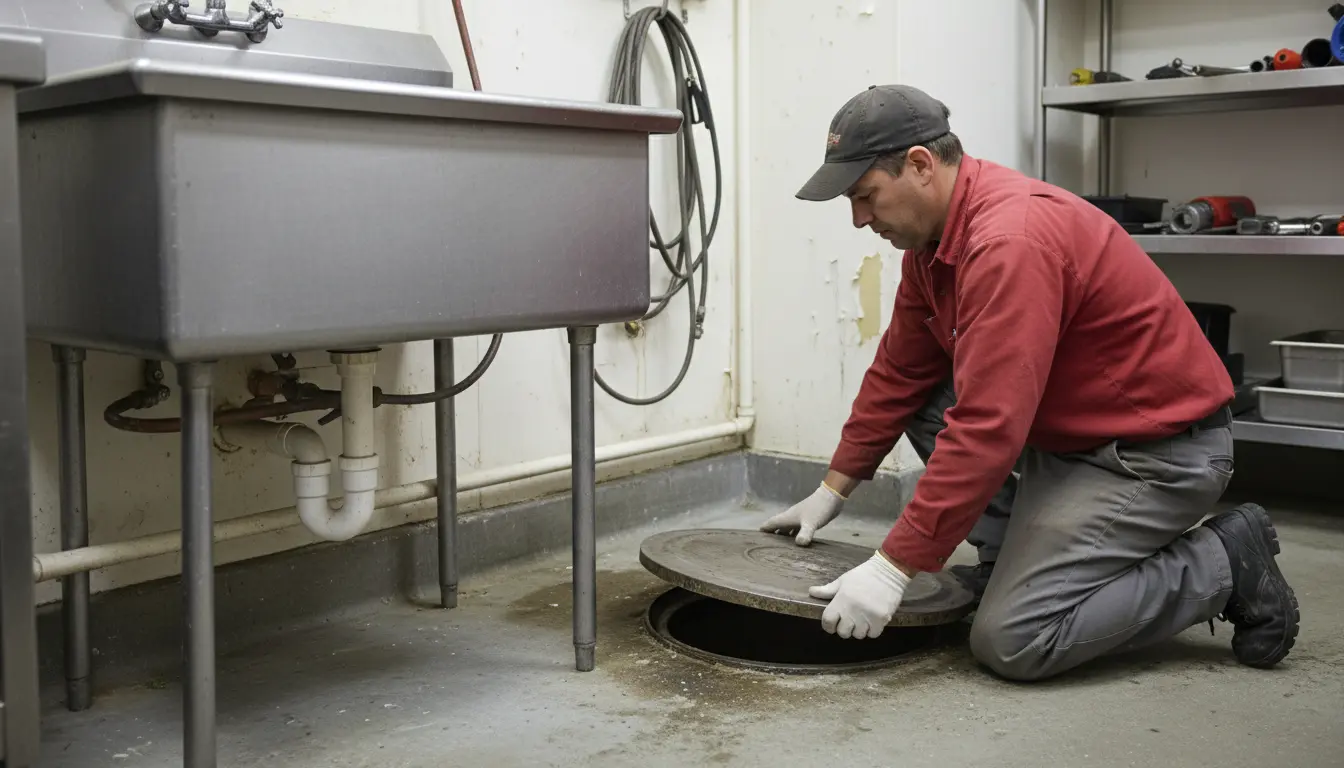
Find the Best Grease Trap Cleaning Companies for Your Business
No obligation • Fast responses • Nationwide coverage

Why you can trust Restaurant Waste Disposal
Restaurant Waste Disposal is a leading U.S. resource for comparing restaurant composting, food-waste recycling, grease trap cleaning, and used cooking oil collection services. Our editorial team researches providers, checks credentials, and organizes unbiased information so operators can make informed decisions. Companies cannot pay to change ratings or placement.
Search providers near you
Top Grease Trap Cleaning Companies in Daly City, California Ranked
For any restaurant or food service establishment in Daly City, maintaining a clean and compliant grease trap or interceptor is not just a best practice-it's a legal requirement essential for protecting the local sewer system. The city enforces strict regulations based on the California Plumbing Code (CPC) to prevent fats, oils, and grease (FOG) from causing costly and disruptive blockages. Proper grease interceptor maintenance involves regular pumping, thorough cleaning, and meticulous record-keeping to meet the 25% rule and pass inspections from the Public Works Department. This guide outlines the specific requirements, schedules, and best practices for effective grease management in Daly City's vibrant food service industry.
Roto-Rooter Plumbing & Water Cleanup
1780 Whipple Rd Ste 203G, Union City, CA 94587
Roto-Rooter Plumbing & Water Cleanup provides comprehensive plumbing and water cleanup services in San Jose, CA. They serve both residential and commercial clients, offering a wide range of solutions including grease trap cleaning, sewer and drain cleaning, water heater repair and installation, and emergency flood services. The company uses advanced plumbing technology and equipment to handle complex plumbing systems and offers 24/7 emergency plumbing support to address urgent issues such as burst pipes and sewer backups. Roto-Rooter is licensed and insured, serving the local community with expertise and a commitment to compliance with local codes.
Caccia Home Services
1660 Gilbreth Rd, Burlingame, CA 94010
Caccia Home Services is a plumbing and home services provider based in San Mateo, CA. They offer a wide range of services including grease trap cleaning, hydro jetting, sewer line repair, water treatment, and emergency plumbing. Their capabilities include trenchless sewer services and installation and maintenance of water heaters, including tankless and heat pump models. The company also provides electrical services such as EV charger installation and lighting upgrades. Caccia Home Services is known to respond to emergency plumbing needs.
Roto-Rooter Plumbing & Water Cleanup
1130 N Broadway Ste 200C, Walnut Creek, CA 94596
Roto-Rooter Plumbing & Water Cleanup provides comprehensive plumbing services in Oakland, CA, covering residential and commercial needs. Their offerings include drain cleaning, sewer line repair and replacement, grease trap cleaning, water heater installation and repair, floodwater cleanup, and mold remediation. The company is equipped to handle complex commercial plumbing systems and offers specialized services such as hydro-jetting and trenchless sewer line repairs. Roto-Rooter serves the Oakland area and surrounding counties with 24/7 emergency plumbing availability to address urgent issues any time of day or night.
Roto-Rooter Plumbing & Water Cleanup
1070 Marina Village Pkwy UNIT 202, Alameda, CA 94501
Roto-Rooter Plumbing & Water Cleanup provides comprehensive plumbing and water cleanup services in Oakland, CA. They serve both residential and commercial clients with a wide range of solutions including sewer and drain cleaning, water heater repair and installation, grease trap maintenance, and floodwater cleanup. The company uses specialized equipment such as hydro-jetting for effective drain cleaning and sewer line maintenance. Roto-Rooter offers 24/7 emergency plumbing services to address urgent issues like burst pipes and sewer backups. They serve Alameda and surrounding counties, bringing extensive experience to local plumbing challenges.
Roto-Rooter Plumbing & Water Cleanup
300 Frank H. Ogawa Plaza STE 249, Oakland, CA 94612
Roto-Rooter Plumbing & Water Cleanup provides comprehensive plumbing and water damage cleanup services in San Francisco, CA. They serve both residential and commercial clients with a wide range of offerings including sewer and drain cleaning, water heater repair and installation, grease trap maintenance, and mold remediation. The company is equipped with advanced tools such as high-pressure water jetting (hydro-jetting) and offers 24/7 emergency plumbing services to address urgent issues like burst pipes, sewer backups, and clogged drains. Serving the Oakland area and surrounding communities, Roto-Rooter has extensive experience with local plumbing infrastructure and regulations.
Understanding Daly City's Grease Interceptor Regulations
Daly City adopts and enforces the California Plumbing Code, which sets the standard for grease control in commercial kitchens. The primary goal is to prevent FOG and food solids from entering the municipal sewer lines, where they can cool, solidify, and create severe blockages. These blockages can lead to sanitary sewer overflows (SSOs), which are environmental hazards and can result in significant penalties for the responsible business.
Key local requirements include:
- Proper Sizing and Installation: Grease interceptors must be correctly sized for the kitchen's volume and installed according to code, typically between the kitchen drains and the sewer connection. They must also be easily accessible for service and inspection 1.
- The 25% Rule: The core operational requirement states that the combined accumulation of FOG and solids must not exceed 25% of the liquid depth of the interceptor. Exceeding this level significantly reduces the unit's effectiveness and is a violation2 3.
- Waste Stream Management: Garbage disposals should not discharge into a grease interceptor, as they introduce excessive solids that fill the trap quickly and compromise its primary function of separating grease4 5.
Determining Your Required Pumping Frequency
There is no one-size-fits-all schedule for grease trap servicing. The frequency is dictated by your establishment's volume, menu, and the specific capacity of your interceptor. However, Daly City's guidelines provide a clear baseline.
- Minimum Baseline: At a minimum, all grease interceptors must be pumped and cleaned at least semi-annually (every six months). This is the absolute lowest frequency for very low-volume operations.
- Standard for Most Restaurants: For typical full-service restaurants, a quarterly schedule (every 90 days) is common and often recommended by service providers to ensure consistent compliance 6.
- High-Volume Kitchens: Establishments with high grease production, such as fast-food restaurants, large diners, pizzerias, or banquet halls, will require more frequent service. Monthly or even bi-weekly pumping is not uncommon for these busy kitchens7.
- The Best Practice: The most reliable method is to have a professional assess your interceptor and recommend a schedule. Many providers will start with a more frequent service (e.g., monthly) and then adjust based on how quickly the trap reaches the 25% threshold.
The Inspection and Enforcement Process
Compliance is actively monitored. The City of Daly City's Public Works Department is the primary authority responsible for enforcing grease control ordinances. Inspections can be routine or triggered by a sewer issue upstream from your location.
During an inspection, officials will check for:
- Proper Function: Signs of overflows, blockages, or bypassing.
- Accessibility: The interceptor must be fully accessible for servicing.
- Documentation: You will be required to present detailed service records from a licensed grease trap cleaning company. These records are your proof of compliance and should include dates of service, the company's information, and the volume of waste removed8.
Non-compliance can lead to formal notices, mandatory cleaning orders, and substantial fines. More critically, if your establishment is found to be the source of a sewer blockage, you may be held responsible for all cleanup and repair costs.
Find the perfect grease trap cleaning companies for your needs
Get personalized recommendations and expert advice
What to Expect from Professional Grease Trap Cleaning Service
Hiring a licensed and reputable local service provider is crucial. A professional service involves more than just removing liquid; it is a complete cleaning and maintenance procedure.
A thorough service includes:
- Pumping: Removing all contents-water, FOG, and solids-from the interceptor.
- Scraping and High-Pressure Washing: Manually scraping hardened grease from the walls and baffles, followed by pressure washing to remove all residual waste.
- Inspection: Checking the condition of the baffles, lids, and inlet/outlet tees for damage or wear.
- Proper Disposal: Transporting the collected grease and solids to an approved rendering or wastewater treatment facility.
- Detailed Documentation: Providing you with a service report or manifest for your records.
Cost Factors for Grease Interceptor Pumping in Daly City
Costs can vary based on the size of your trap, its location, how frequently it is serviced, and the specific provider. Generally, contracted regular service offers better value than emergency one-time calls. Below is a general cost guide based on industry averages for the region9 10 11.
- Small Indoor Traps (30-200 gallons): Often found in cafes or small kitchens. Pumping costs can range from $125 to $240+ per service.
- Average to Large Traps (500-1000+ gallons): Common for standard restaurants. Costs typically range from $150 to $450+ per pump, with higher disposal fees for larger volumes.
- High-Volume/Contract Service: For busy establishments on a monthly schedule, per-service costs may be lower, often in the range of $120 to $385+, depending on the contract terms.
Investing in regular maintenance avoids the significantly higher costs of emergency service, potential fines, and plumbing repairs due to backups.
Best Practices for Daily Kitchen Operations
Professional pumping is only one part of effective grease management. Kitchen staff play a vital role in extending the time between services and keeping the interceptor functioning properly.
- Scrape Plates Thoroughly: Food solids should go into the compost or trash, not down the drain.
- Use Strainers in Sink Drains: Catch food particles before they enter the plumbing.
- Avoid Pouring Grease Down the Drain: Collect fryer oil and pan drippings in a dedicated container for used cooking oil recycling.
- Educate Staff: Ensure all employees understand the importance of these practices for the restaurant's smooth operation and compliance.
Frequently asked questions
Sources
Footnotes
-
2007 California Plumbing Code - Chapter 10 - Daly City - https://www.dalycity.org/DocumentCenter/View/1902/Attachment-B---California-Plumbing-Code-Chapter-10-2008-PDF ↩
-
SECTION 02720 . SANITARY SEWER COLLECTION SYSTEM ... - https://dalycity.org/DocumentCenter/View/1642/02720-Sanitary-Sewer-Collection-System-Revised-08-21-2007-PDF ↩
-
Grease Trap Cleaning Guide: 25% Rule, Schedule & Compliance - https://greaseconnections.com/how-to-clean-a-grease-trap-and-how-often-you-should/ ↩
-
Grease Trap Inspection - InterNACHI® - https://www.nachi.org/grease-trap-inspection.htm ↩
-
California Health and Safety Code § 114201 (2024) - Justia Law - https://law.justia.com/codes/california/code-hsc/division-104/part-7/chapter-7/article-2/section-114201/ ↩
-
Grease Trap Cleaning For California Restaurants - https://cacciaplumbing.com/blog/grease-trap-cleaning-california-restaurants/ ↩
-
12.20.220. Grease trap requirements. - https://codelibrary.amlegal.com/codes/fullerton/latest/fullerton_ca/0-0-0-18563 ↩
-
Grease Trap Cleaning in Daly City, CA - https://greasetrapcleaningsouthsanfrancisco.com/daly-city-ca.html ↩
-
Grease Trap Pumping San Francisco - North Bay Restaurant Services - https://northbayrestaurantservices.com/grease-trap-pumping-san-francisco/ ↩
-
Ultimate Grease Trap Pumping Cost Guide: Essential Money-Saving ... - https://www.texwaywastewater.com/grease-trap-pumping-cost/ ↩
-
Grease Trap Cleaning Prices | Guide on the Industry Average - https://grease-cycle.com/grease-trap-pumping-cost/ ↩