Find the Best Grease Trap Cleaning Companies for Your Business
No obligation • Fast responses • Nationwide coverage

Why you can trust Restaurant Waste Disposal
Restaurant Waste Disposal is a leading U.S. resource for comparing restaurant composting, food-waste recycling, grease trap cleaning, and used cooking oil collection services. Our editorial team researches providers, checks credentials, and organizes unbiased information so operators can make informed decisions. Companies cannot pay to change ratings or placement.
Search providers near you
Top Grease Trap Cleaning Companies in Cypress, California Ranked
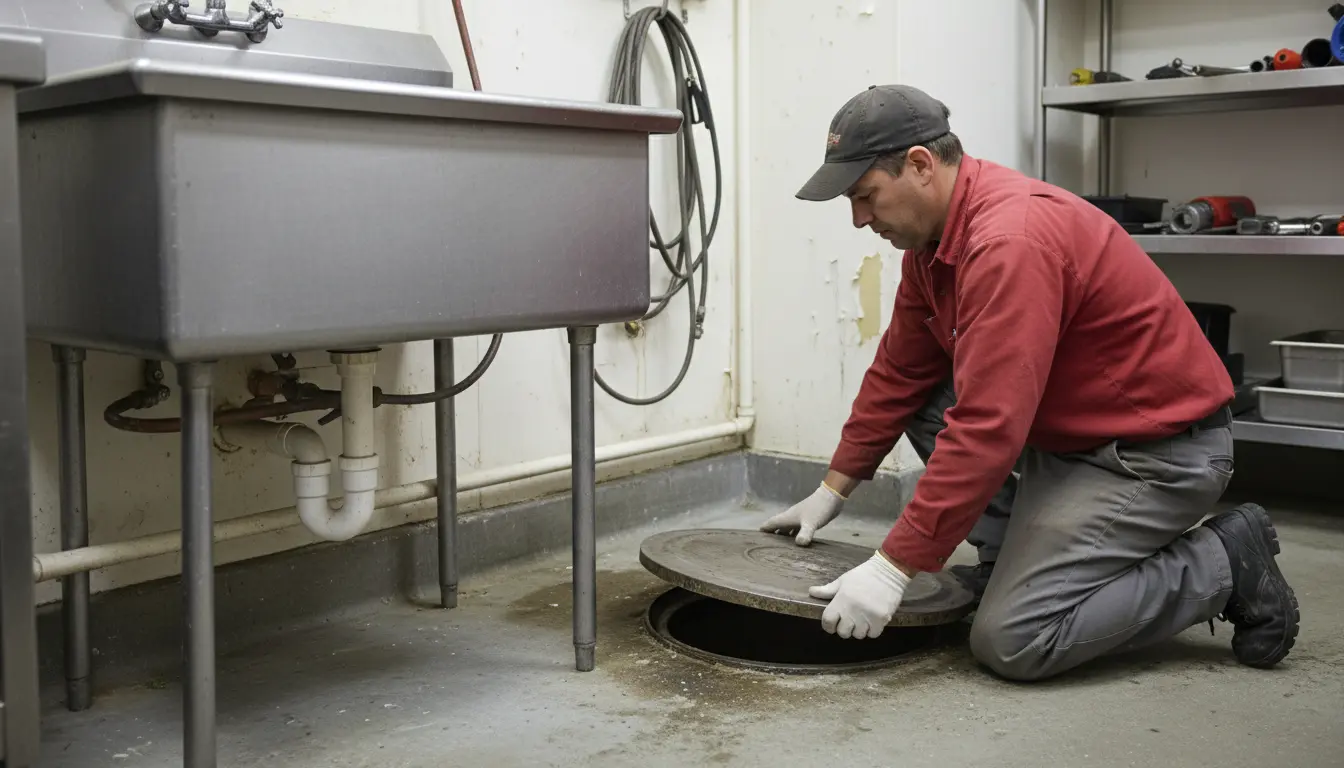
For every restaurant and commercial kitchen in Cypress, managing fats, oils, and grease (FOG) is a critical operational and legal requirement. The City of Cypress enforces a specific Fats, Oil and Grease Management Program designed to protect the local sewer system from blockages and overflows, which can lead to costly backups and environmental damage. Compliance isn't optional; it involves working with licensed haulers, adhering to strict cleaning schedules, and maintaining detailed documentation. Proper grease interceptor maintenance is essential for avoiding significant fines and ensuring your business runs smoothly without interruption from sewer-related issues.
Effective FOG control starts with understanding your equipment and obligations. Grease traps and interceptors are the first line of defense, capturing grease and solids before they enter the wastewater stream. However, these devices only work if they are properly maintained. The City's program mandates that all waste grease and oils be collected and transported by a licensed inedible kitchen grease hauler, and businesses must keep proof of these services on file. This structured approach helps keep Cypress's infrastructure functioning properly and places the responsibility for proactive maintenance squarely on food service establishments.
Zoom Drain
15540 Rockfield Blvd C100, Irvine, CA 92618
Zoom Drain is a grease trap cleaning and drain service company based in Los Angeles, CA. They provide residential and commercial drain and sewer cleaning, inspection, repairs, and preventive maintenance. Their services cover clogged drains, sewer pump repair, sump pump replacement, and landscape drain maintenance. Zoom Drain uses advanced technology like hydro jetting to clear blockages, including tree roots, and offers 24/7 emergency services. They serve areas including Anaheim, Irvine, Santa Ana, and throughout Orange County. The company is known for its specialized services in food and hospitality sectors, contractor support, and tailored maintenance plans.
Roto-Rooter Plumbing & Water Cleanup
241 E Colorado Blvd #202, Pasadena, CA 91101
Roto-Rooter Plumbing & Water Cleanup provides comprehensive residential and commercial plumbing services in Los Angeles, CA. They specialize in a wide range of plumbing solutions including grease trap cleaning, sewer line repairs, water heater installation and repair, and emergency floodwater cleanup. The company is equipped with advanced tools such as hydro-jetting equipment to handle complex plumbing issues efficiently. Serving the Pasadena area and surrounding communities, Roto-Rooter offers 24/7 emergency plumbing services throughout the year to address urgent plumbing needs. They are fully licensed and insured, focusing on both routine maintenance and emergency repairs.
Roto-Rooter Plumbing & Water Cleanup
3848 Campus Dr STE 220, Newport Beach, CA 92660
Roto-Rooter Plumbing & Water Cleanup provides comprehensive plumbing and water cleanup services in Long Beach, CA. They handle a wide range of issues including floodwater cleanup, sewer and drain cleaning, faucet and toilet repairs, water heater services, and grease trap maintenance. The company serves both residential and commercial clients, offering advanced capabilities such as high-pressure water jetting (hydro-jetting) and trenchless sewer line replacement. With decades of experience dating back to 1935, Roto-Rooter offers 24/7 emergency plumbing services to address urgent problems at any time.
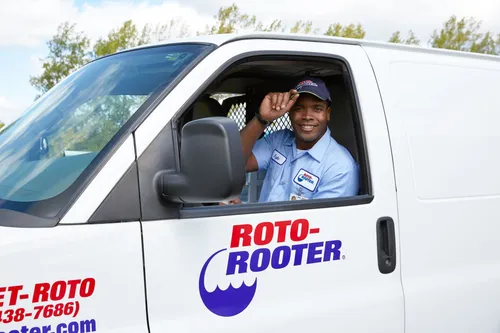
Roto-Rooter Plumbing & Water Cleanup
2050 W Chapman Ave #202, Orange, CA 92868
Roto-Rooter Plumbing & Water Cleanup offers a wide range of plumbing services in Los Angeles, CA, including grease trap cleaning, sewer and drain cleaning, water heater repair, and emergency flood cleanup. The company serves both residential and commercial clients, addressing issues from routine maintenance to urgent repairs. They utilize advanced tools such as HD inspection cameras and hydro-jetting to clear blockages and perform no-dig pipe replacements. Established with a legacy dating back to the invention of the original electric drain snake in 1935, Roto-Rooter provides 24/7 emergency plumbing services to handle urgent situations any time of day or night.
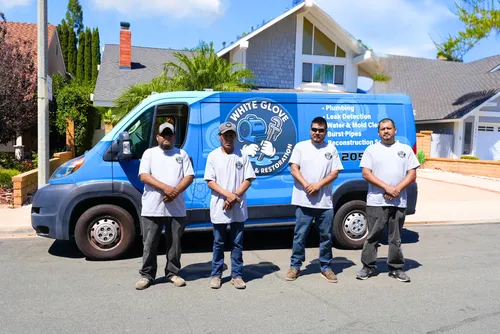
White Glove Plumbing Orange County
1430 E Borchard Ave, Santa Ana, CA 92705
White Glove Plumbing Orange County is a full-service plumbing and restoration company based in Santa Ana, serving residential and commercial clients throughout Los Angeles, CA. They provide a wide range of services including emergency plumbing, leak detection, hydro-jetting, water heater installation, grease trap pumping, sewage cleanup, mold remediation, and water damage restoration. The company offers 24/7 emergency services to quickly address urgent plumbing and restoration needs. Their expertise includes advanced capabilities such as slab leak reroutes, sewer camera inspections, and certified mold remediation. White Glove Plumbing combines plumbing and restoration services to manage repairs and rebuilds efficiently, reducing the need for multiple contractors.
Understanding Cypress's FOG Management Program
Cypress's Fats, Oil and Grease Management Program is a formal set of regulations that all Food Service Establishments (FSEs) must follow. The primary goal is to prevent sewer blockages, which can cause sanitary sewer overflows-a serious public health and environmental concern. The program places several key requirements on local businesses:
- Licensed Haulers: All grease and used cooking oil waste must be collected by a hauler licensed by the City of Cypress and/or the appropriate county agency. You cannot dispose of this waste through regular trash or down the drain 1.
- Proper Documentation: After each service, your hauler will provide a manifest or invoice. The City requires you to maintain these records, typically for a minimum of three years, as proof of compliance. Many businesses use a "Grease Interceptor/Trap Log" to track cleaning dates, volumes removed, and the servicing company.
- Interceptor Standards: Grease interceptors must be correctly sized according to the California Plumbing Code and be readily accessible for inspection, pumping, and maintenance. They must also be in good working order, with intact baffles and no signs of leakage 2 3.
City officials conduct periodic audits to review these manifests and inspect grease control equipment. Failure to comply can result in warnings, fines, and, in severe cases, being required to pay for additional maintenance or repairs to the public sewer system.
The Critical 25% Rule and Cleaning Frequency
One of the most important operational rules in Cypress's program is the 25% rule. This standard states that a grease interceptor must be cleaned when the combined accumulation of fats, oils, grease, and solids reaches 25% of the unit's liquid depth or volume 4. Waiting until the trap is fuller drastically reduces its effectiveness, allowing grease to pass through into the sewer lines.
Cleaning frequency is not a one-size-fits-all schedule; it depends entirely on your kitchen's volume. A high-volume restaurant with significant fryer use may need its large outdoor interceptor pumped monthly or even bi-weekly. A smaller cafe or bakery might find that a quarterly schedule is sufficient for its needs. Small indoor grease traps under sinks often require weekly cleaning to function properly 5. The best practice is to start with a schedule recommended by your licensed service provider and adjust based on regular inspections of your interceptor's accumulation level.
Consequences of Non-Compliance
Neglecting grease trap maintenance is a risky and expensive proposition. The immediate consequences often affect the business itself:
- Sewer Backups and Blockages: A clogged interceptor can cause slow drains and backups within your own plumbing, leading to operational downtime, unpleasant odors, and potential health code violations.
- City Enforcement Actions: During an audit or inspection, if you cannot produce required manifests or if your interceptor is found to be overfull, you will face enforcement. This typically begins with a notice of violation and can escalate to substantial fines 6 7.
- System-Wide Damage: If grease escapes your establishment and contributes to a sewer line blockage or overflow in the public system, your business could be held financially responsible for the cleanup and repair costs, which can be astronomical.
Regular, documented maintenance is far less costly than dealing with these emergencies. It protects your business from unexpected disruptions and financial penalties.
What to Expect from Professional Service
When you hire a licensed grease trap cleaning service in Cypress, a standard service visit includes several key steps. The provider will first assess the interceptor's condition and accumulation. They will then pump out all the contents-the captured FOG, water, and solids. After pumping, many providers will perform a high-pressure rinse to remove residual grease from the walls and baffles. A thorough service should also include a visual inspection of the interceptor's components, such as the inlet and outlet tees and baffles, to ensure they are intact and functioning 8. Finally, the provider will issue a manifest detailing the date, volume of waste removed, and the disposal facility, which is your crucial proof of service for the City.
Find the perfect grease trap cleaning companies for your needs
Get personalized recommendations and expert advice
Cost Factors for Grease Interceptor Pumping
The cost for grease trap pumping in Cypress varies based on several factors. Understanding these can help you budget effectively.
- Interceptor Size and Volume: The single biggest cost factor is the size of your interceptor. Pumping a small indoor trap (e.g., 20-50 gallons) costs significantly less than servicing a large, in-ground interceptor that holds hundreds or thousands of gallons.
- Service Frequency: Regularly scheduled maintenance is almost always more affordable than emergency service. Providers often offer discounted rates for customers on a consistent monthly or quarterly schedule.
- Accessibility: An interceptor that is easily accessible in a parking lot will cost less to service than one located in a confined space or requiring special equipment to reach.
- Urgency: Emergency or after-hours calls come at a premium. A routine pump might cost between $125 and $400, while an emergency service call can easily range from $800 to $1,200 or more 9 10 11.
Investing in routine service is a proven way to manage costs and avoid the much higher price of an emergency or a fine.
Maintaining Your Records and Preparing for Inspection
Your paper trail is as important as the physical cleaning. Maintain a dedicated binder or digital folder for all FOG-related documents. This should include:
- Current waste hauler agreement and the hauler's license information.
- All service manifests and invoices, filed in chronological order.
- A Grease Interceptor Log sheet where you or your staff can note the date, servicing company, and any observations before and after cleaning.
Before a city inspection, review your records to ensure they are complete and up-to-date. Visually check that your interceptor is accessible and that the area around it is clean. Being prepared demonstrates a commitment to compliance and can make the inspection process quick and smooth.
Choosing a Licensed Service Provider in Cypress
Selecting the right partner for grease trap maintenance is crucial. Always verify that the provider is licensed to collect and haul grease waste in Cypress and Orange County. Look for a company with a strong reputation for reliability and thorough service, not just pumping but also inspecting. Ask about their reporting process-do they provide detailed, clear manifests immediately? Finally, consider their ability to offer flexible scheduling and responsive emergency service if needed. A good provider acts as a compliance partner, helping you navigate the City's requirements effortlessly.
Frequently asked questions
Sources
Footnotes
-
Cypress's Restaurant & Commercial KITCHEN Grease Collection ... - https://thegreasecompany.com/cookingoilcollectioncypress.html ↩
-
Purpose of Fats, Oils and Grease (FOG) Program: DEFINITIONS - http://pw.lacounty.gov/epd/industrial_waste/pdf/misc/restaurantpretreatmentguidelines.pdf ↩
-
California Health and Safety Code § 114201 (2024) - Justia Law - https://law.justia.com/codes/california/code-hsc/division-104/part-7/chapter-7/article-2/section-114201/ ↩
-
FOG Program Manual - City of Cypress - https://ecms.cypressca.org/WebLink/DocView.aspx?id=217743&dbid=0&repo=CityOfCypress ↩
-
FAQs • What is the pumping schedule for grease interceptor o - https://www.westminsterco.gov/FAQ.aspx?QID=302 ↩
-
City of Cypress, CA FATS, OIL AND GREASE MANAGEMENT ... - https://ecode360.com/43172007 ↩
-
12.20.220. Grease trap requirements. - https://codelibrary.amlegal.com/codes/fullerton/latest/fullerton_ca/0-0-0-18563 ↩
-
Commercial Grease Trap Cleaning Services in Bay Area - https://powerplumbingusa.com/commercial/grease-trap-cleaning/ ↩
-
How Often to Clean Restaurant Grease Traps in Los Angeles, CA - https://bakercommodities.com/blog/2025/01/23/la-laws-for-grease-recycling/ ↩
-
Ultimate Grease Trap Pumping Cost Guide: Essential Money-Saving ... - https://www.texwaywastewater.com/grease-trap-pumping-cost/ ↩
-
Grease Trap Cleaning Prices | Guide on the Industry Average - https://grease-cycle.com/grease-trap-pumping-cost/ ↩